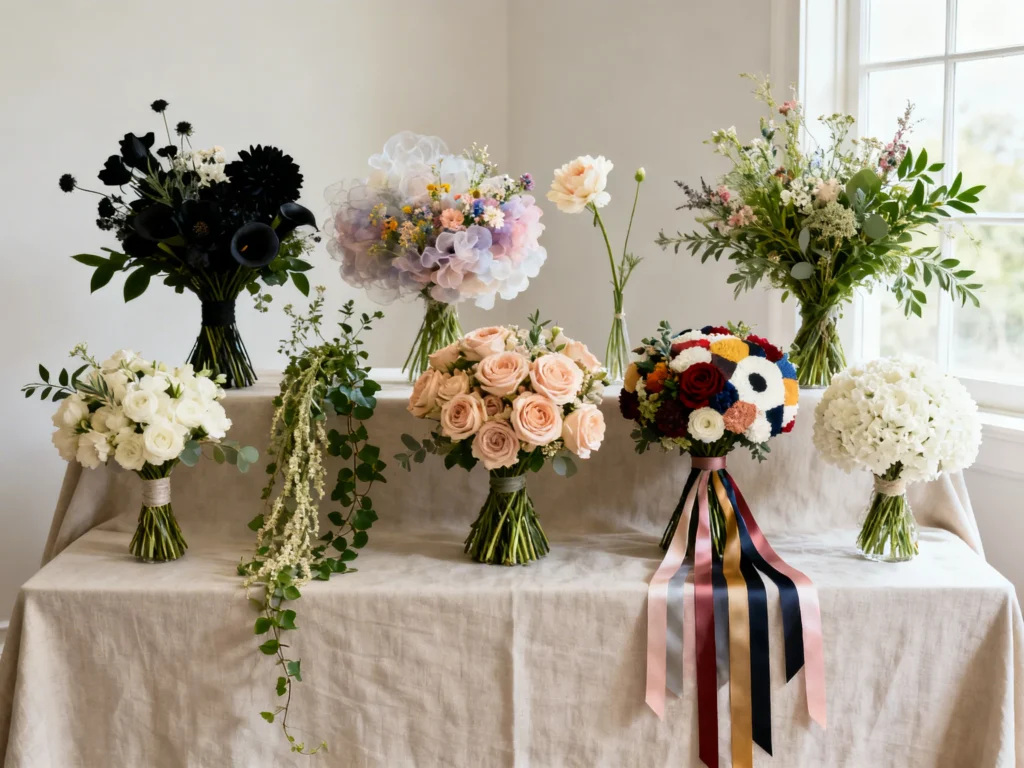
Bridal bouquet trends this wedding season are all about personality: couples are leaning into color, texture, and meaningful details that feel curated but not overdone. Whether your vibe is garden-party romantic or clean and modern, there’s a bouquet direction that will photograph beautifully and still feel like you.
Below are trending bridal bouquet ideas brides are choosing right now, plus practical notes on what to ask your florist so your bouquet looks intentional from the first look to the last dance.
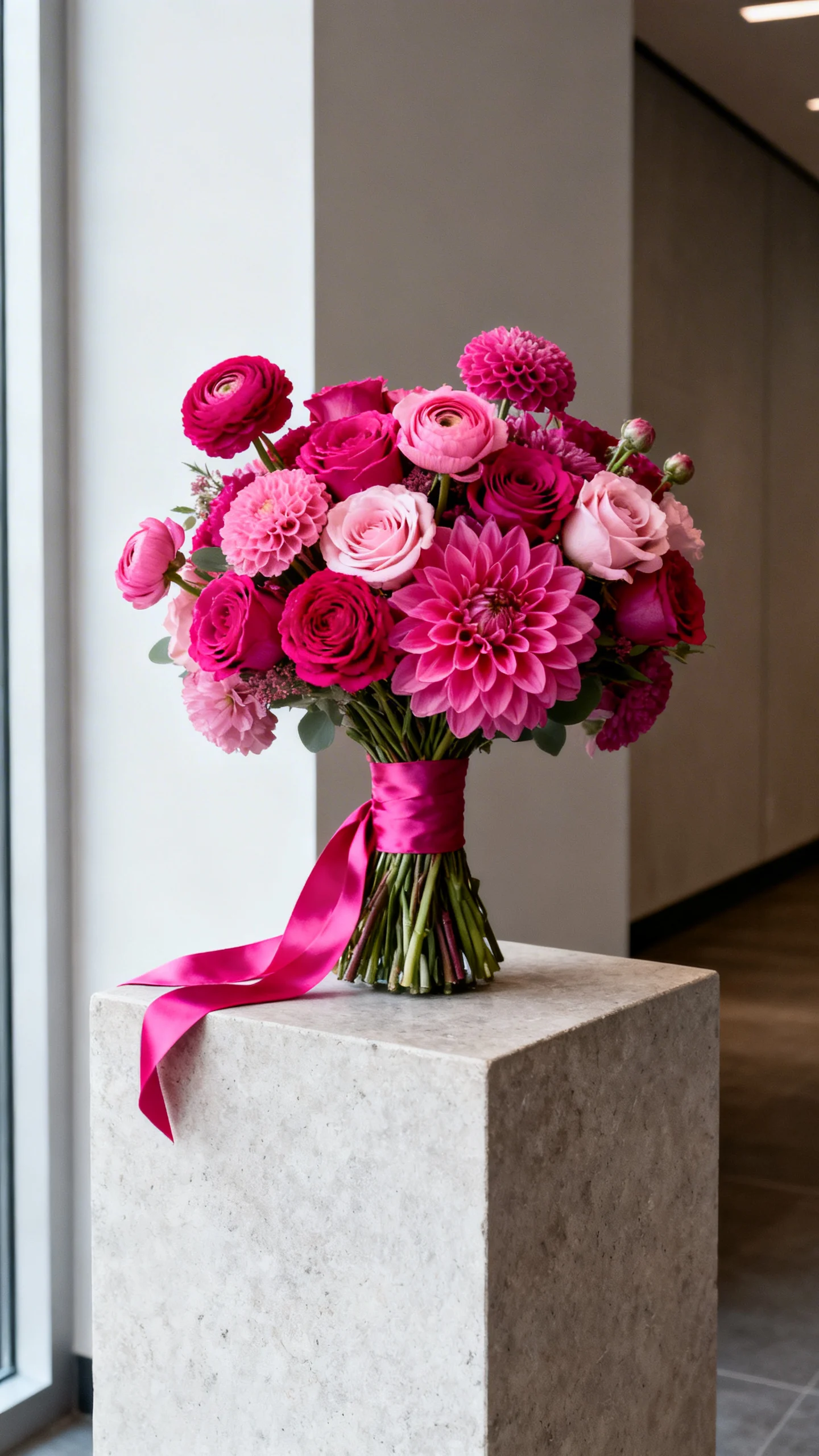
Monochrome bouquets in bold, confident color
Single-color bouquets are having a major moment, especially in rich shades like burgundy, orange, fuchsia, and butter yellow. Keeping blooms in one color family makes even a playful mix look polished in photos. Ask your florist to build in 2–3 tones of the same hue so it doesn’t read flat. This trend pairs especially well with sleek gowns and modern venues.
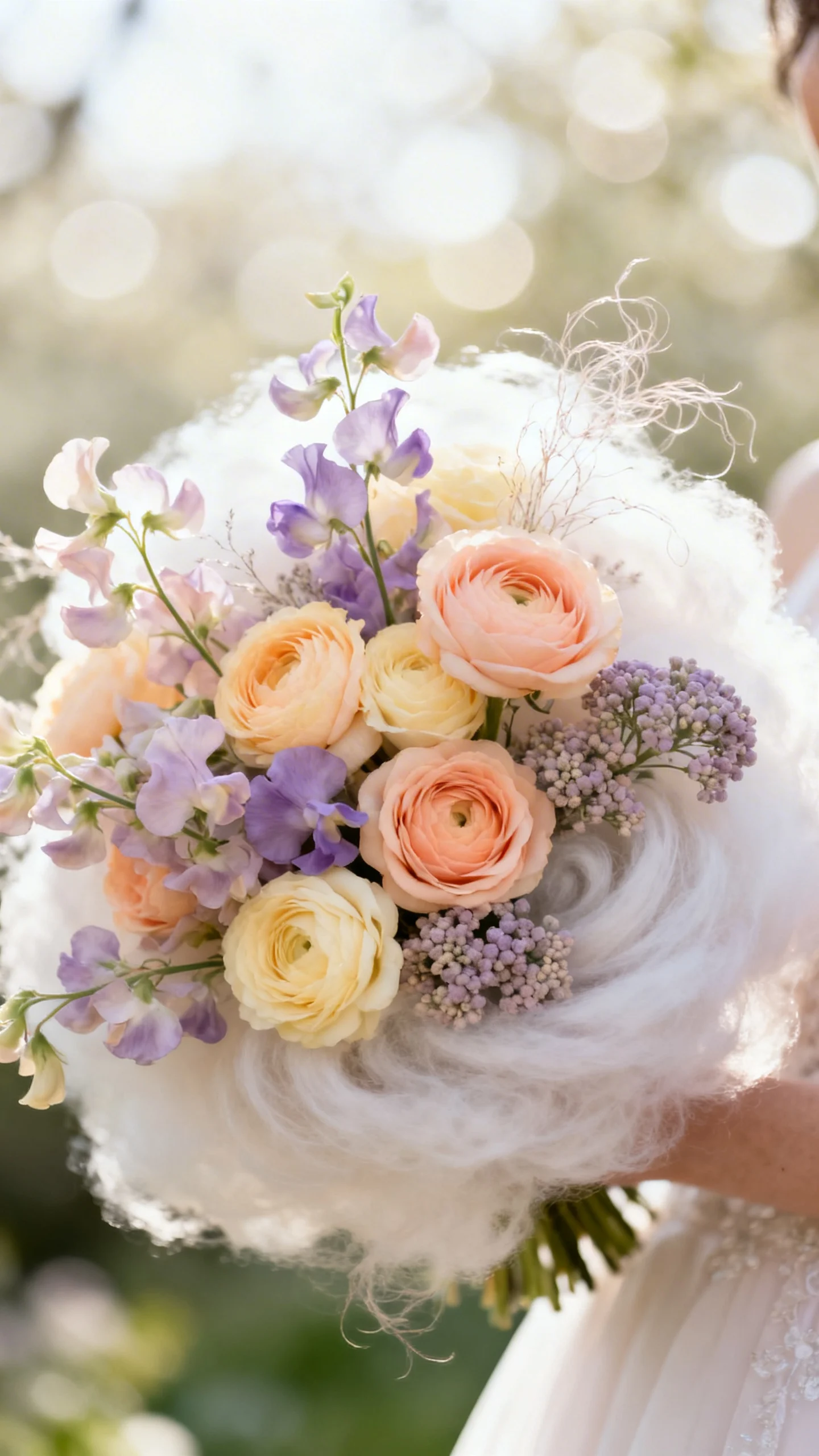
Soft pastel “cloud” bouquets with airy texture
Pastels are trending again, but with a lighter, floatier look rather than tight, formal rounds. Think blush, pale peach, buttercream, and lavender mixed with delicate textures for a dreamy, romantic finish. Ask for a looser spiral hand-tie and negative space so the bouquet feels airy. This style is perfect for spring weddings and outdoor ceremonies.
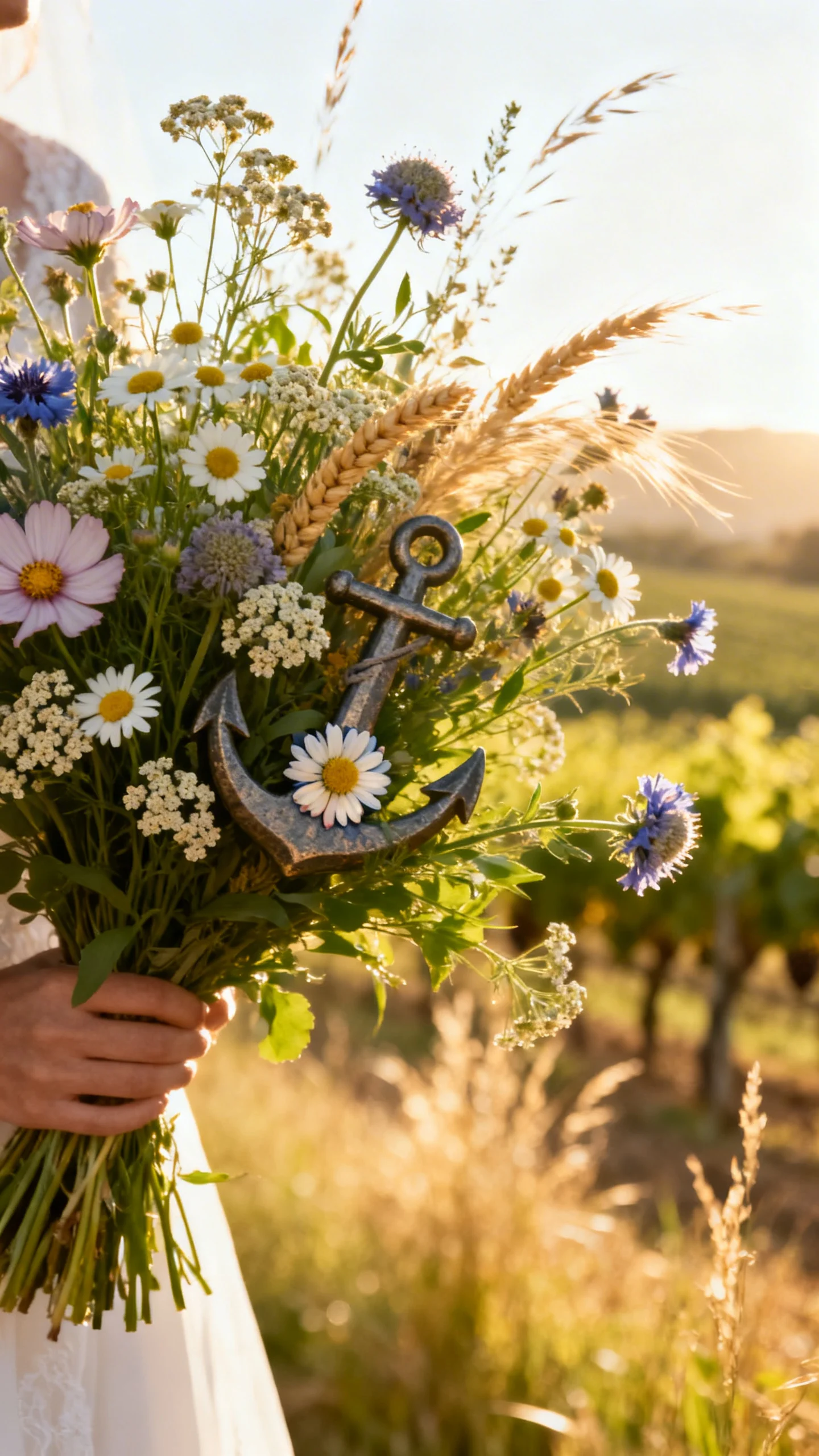
Wildflower-inspired meadow mixes
Meadow bouquets feel effortless and joyful, with a just-picked mix of shapes and movement. Brides are choosing small clustered blooms, whimsical stems, and varied greenery for a natural look. To keep it from feeling messy, ask your florist for one “anchor” flower repeated throughout. It’s especially pretty for countryside venues, vineyard weddings, and relaxed daytime celebrations.
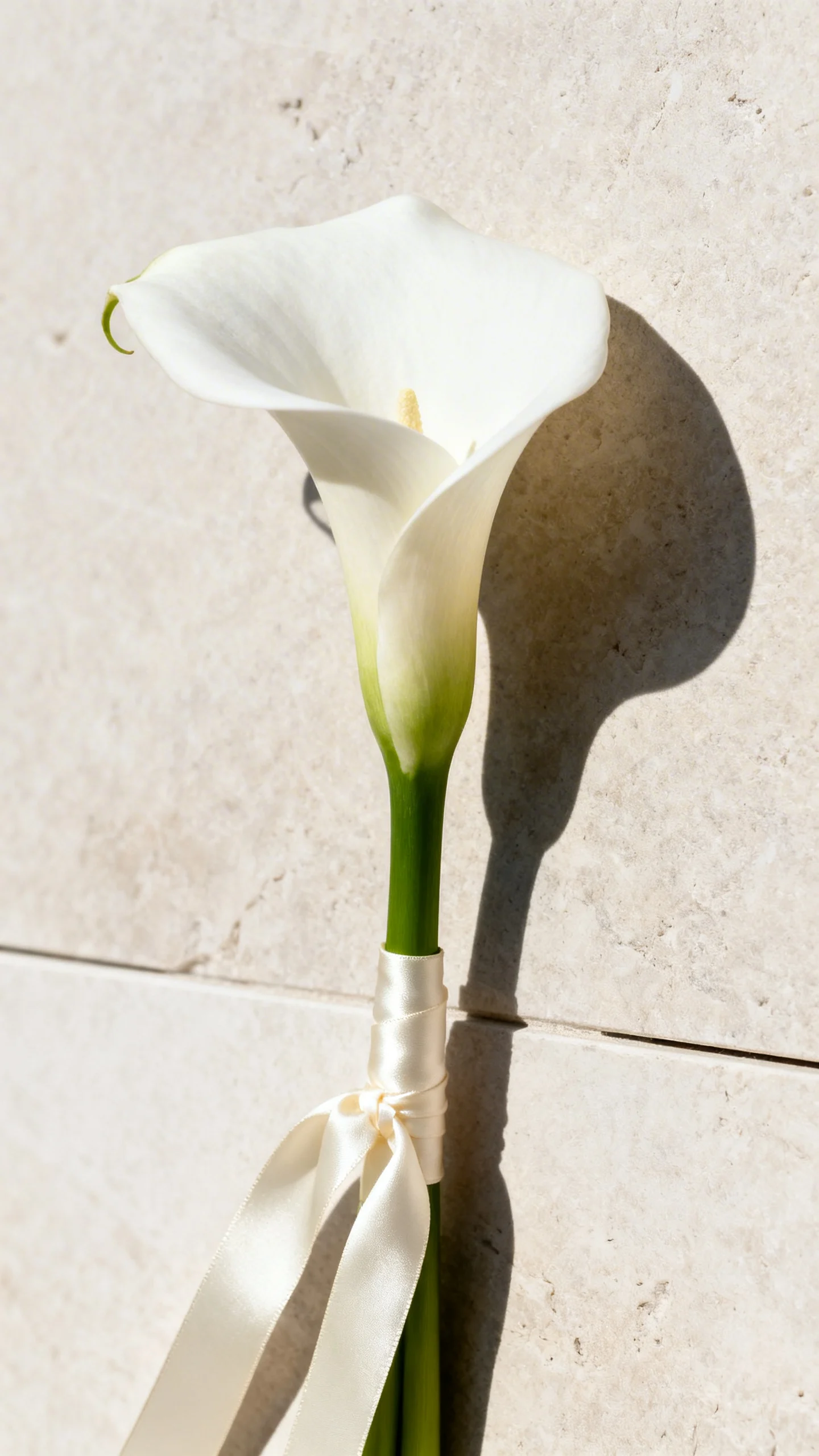
Statement single-bloom bouquets
Minimalist brides are choosing one hero flower variety for a clean, editorial look. Calla lilies, anthuriums, peonies, or roses can make a big impact when used intentionally and in a strong silhouette. This also simplifies floral budgeting because you’re not paying for lots of different ingredients. Ask your florist about seasonality and stem count so it still reads “bridal” and not sparse.
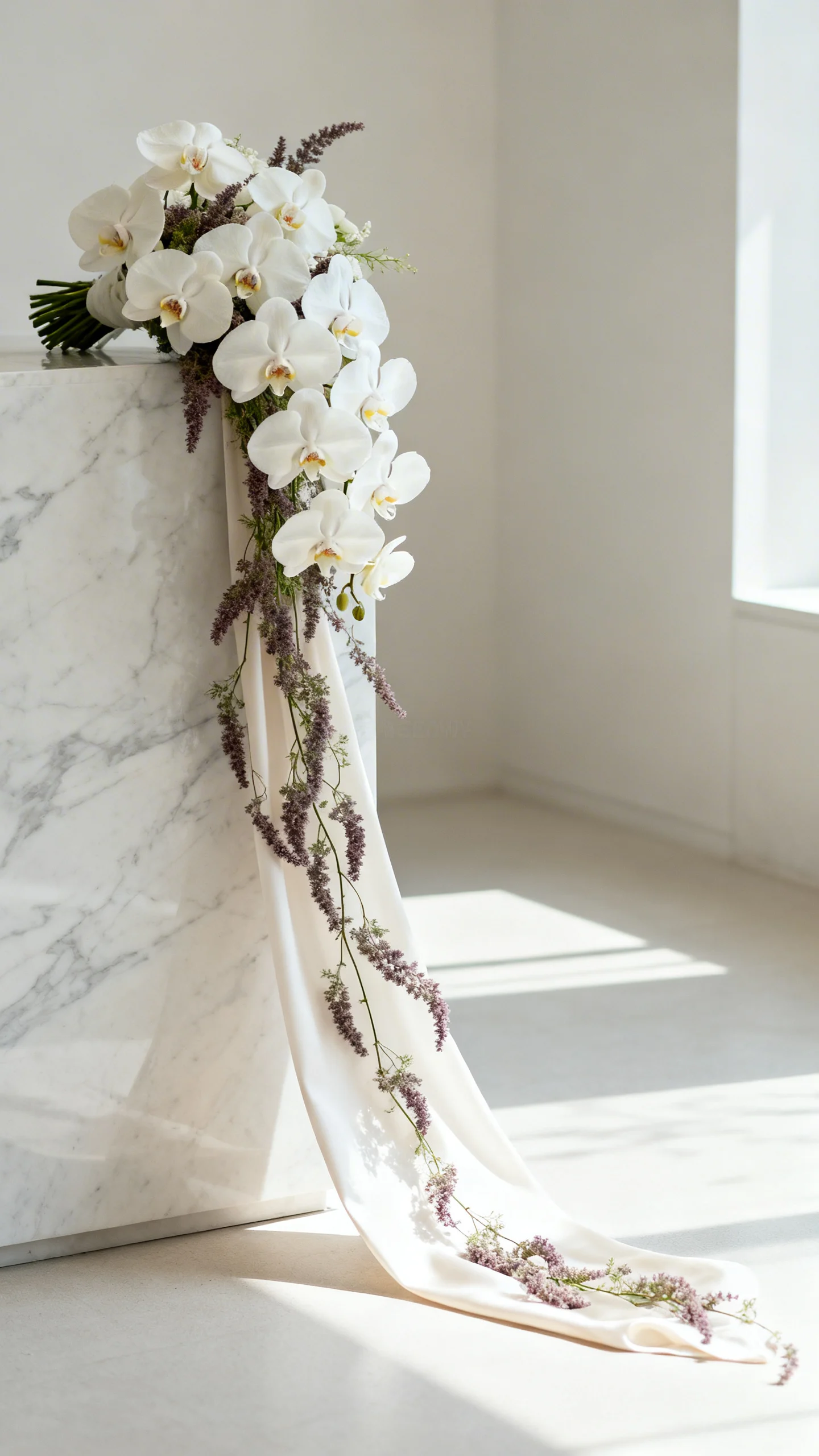
Cascading bouquets, updated and streamlined
Cascades are back, but they’re slimmer, more sculptural, and less heavy than older styles. Instead of a big waterfall shape, brides are opting for a gentle drape using orchids, amaranthus, or trailing greenery. The key is balance: the bouquet should elongate the look without overwhelming the dress. Ask for a “soft cascade” that looks intentional from every angle.
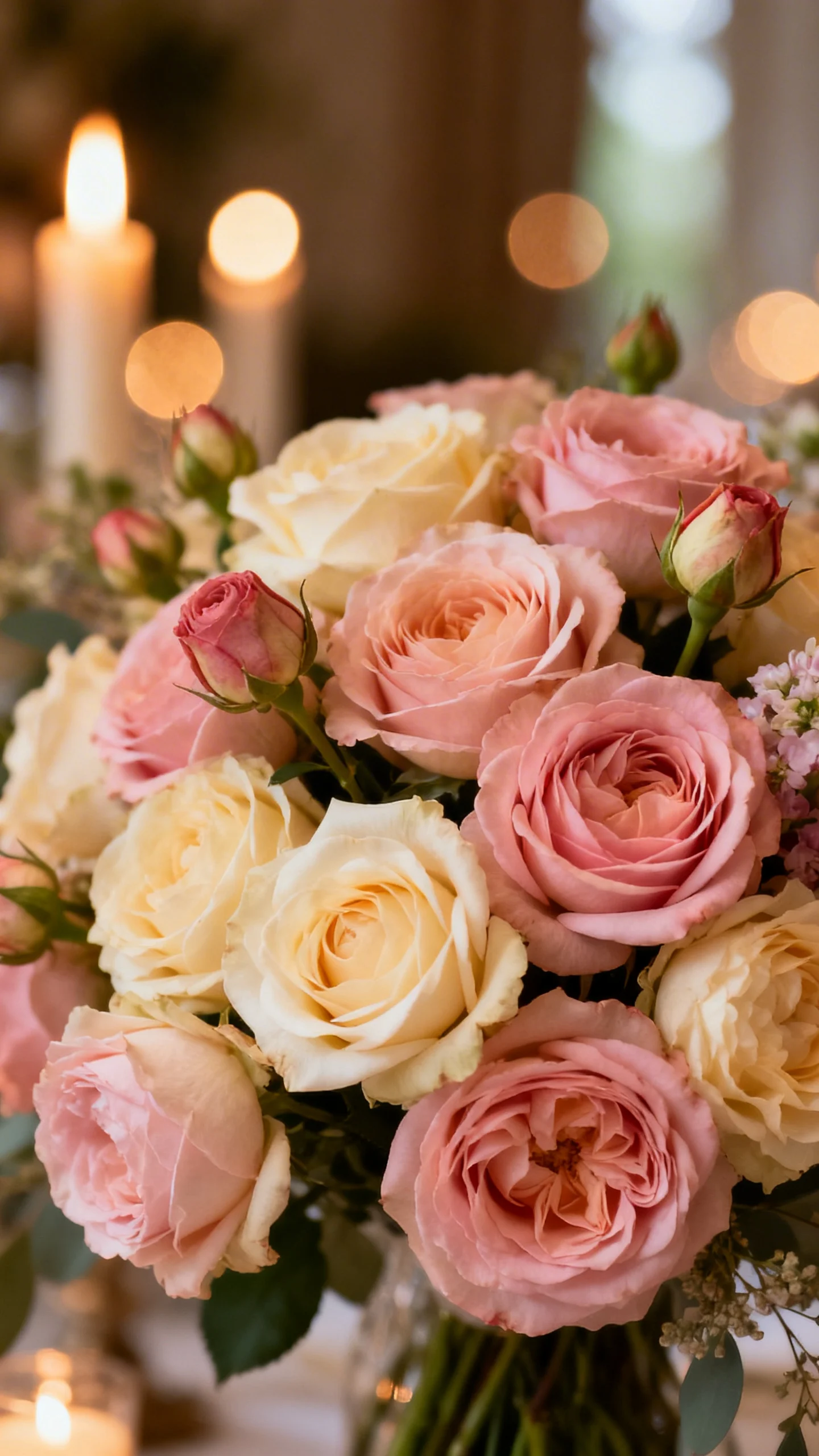
Garden rose-forward bouquets for romantic fullness
Garden roses are trending because they photograph like a dream and add instant romance. Brides are choosing bouquets built around garden roses with supporting blooms for depth rather than a crowded mix. Ask for varied rose shapes (some tight, some open) to create that lush, layered effect. This works beautifully for classic ballrooms, historic venues, and candlelit receptions.
Unexpected greenery: herbs, vines, and textured foliage
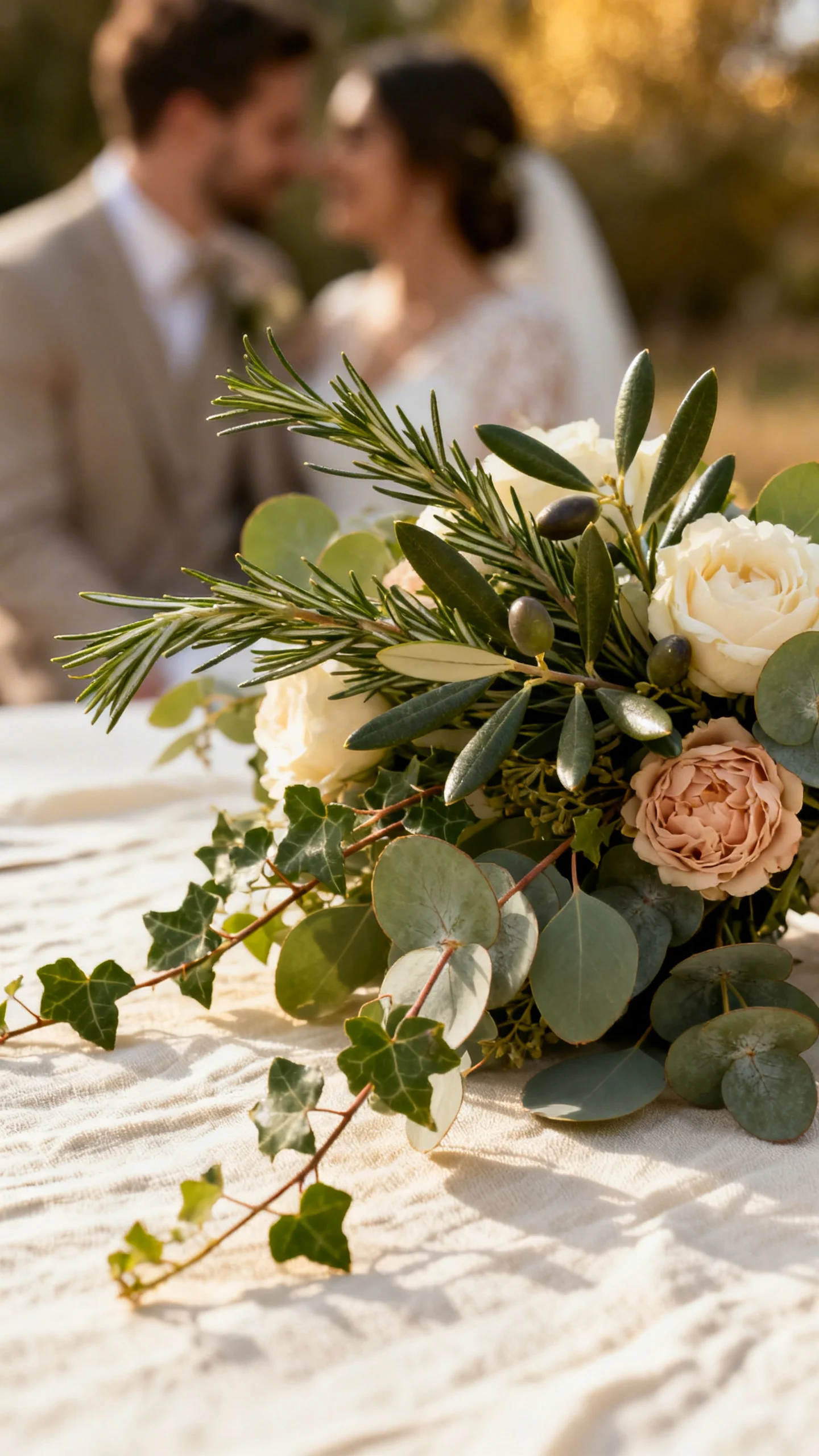
Greenery is getting more intentional, with herbs and textured leaves taking center stage. Rosemary, olive, ivy, and eucalyptus are being used for movement, scent, and a slightly undone elegance. This is a great way to tie your bouquet to your tablescape if you’re using the same greens in centerpieces. Ask your florist for greenery that won’t wilt quickly if you’ll be outside for photos.
All-white bouquets with high-contrast texture
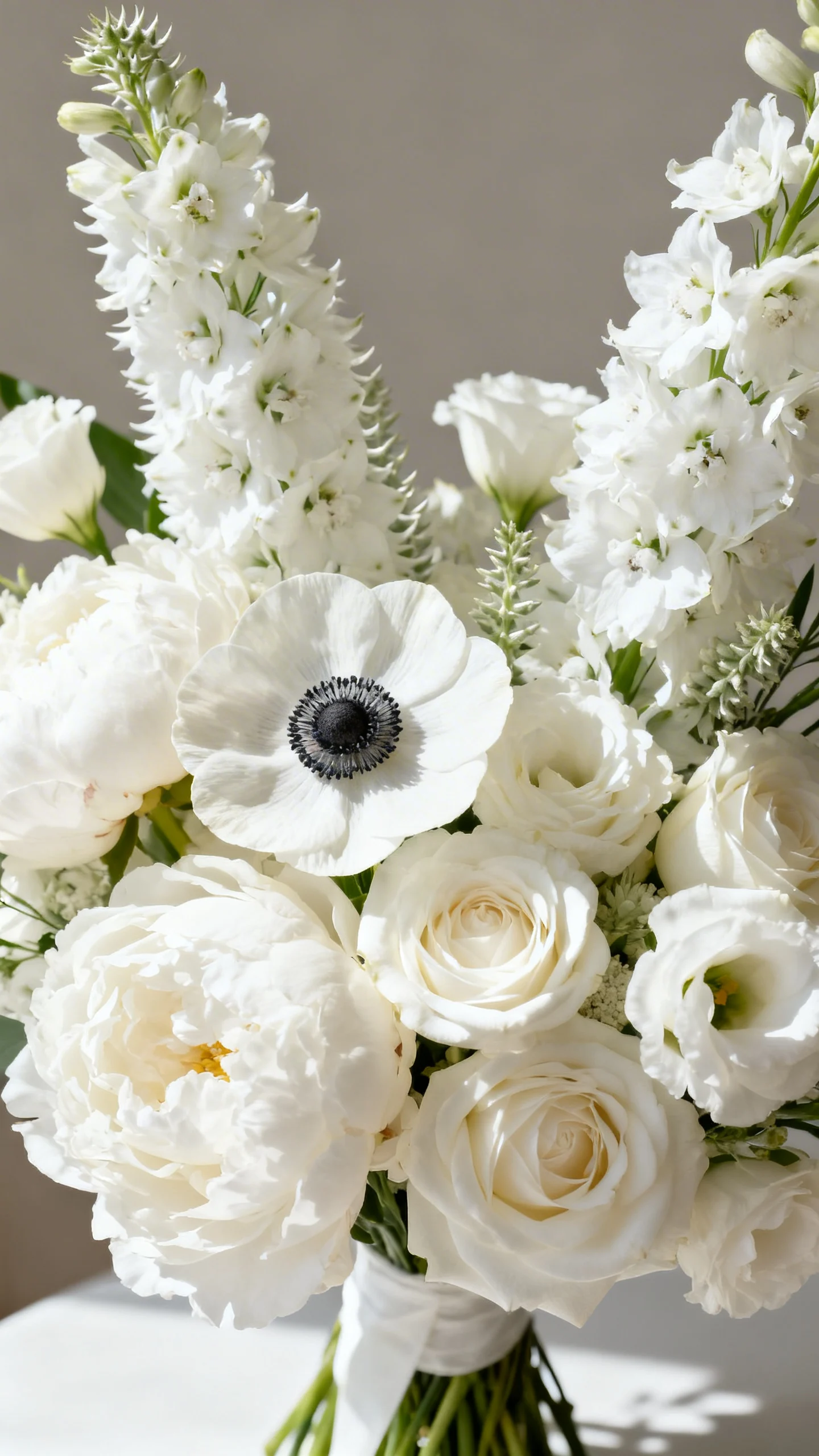
All-white remains timeless, but the trend is to mix textures so it feels modern and dimensional. Brides are combining creamy whites and bright whites with a blend of petals, spikes, and soft clusters. Add subtle greenery or keep it fully white for a clean editorial finish. Ask for a “texture recipe” so your bouquet doesn’t look like one flat white ball.
Color-blocked bouquets with deliberate placement
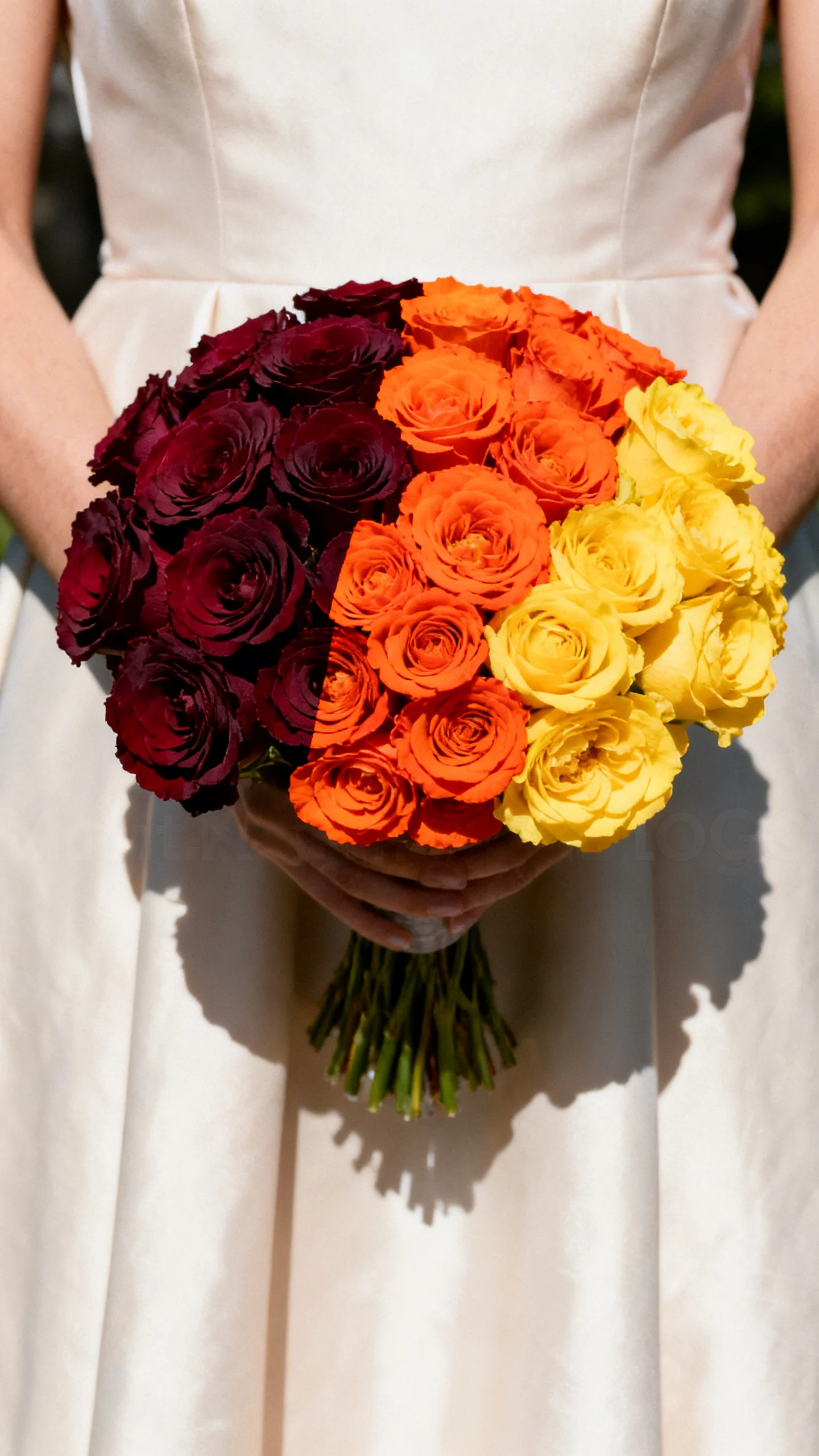
Color-blocking is for couples who love bold design and want their bouquet to stand out. Instead of blending colors, flowers are grouped in clear sections for a graphic, fashion-forward look. It photographs especially well against simple gowns and minimalist backdrops. Ask your florist to mock up the color placement so the blocks look balanced from the front view.
Ribbon-forward bouquets with long, luxe tails
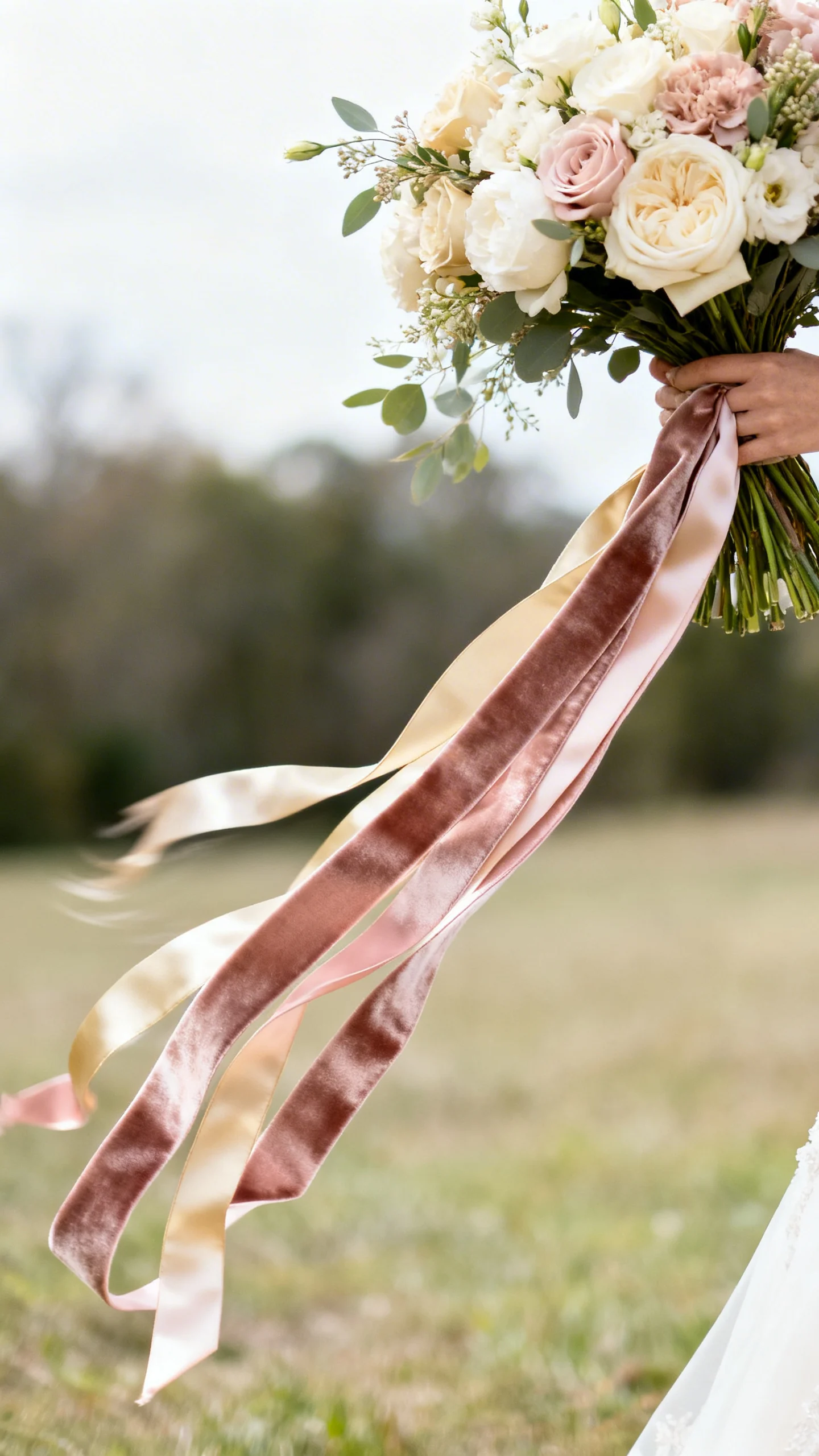
Ribbons are not an afterthought this season; they’re a focal detail. Brides are choosing extra-long silk, satin, or velvet ribbons in coordinating or contrasting tones for movement in photos. This is an easy way to bring in your wedding palette without changing the flowers. Ask for ribbon lengths that look dramatic but won’t drag on the ground during the processional.
FAQ
How far in advance should I decide on my bridal bouquet style?
Aim to choose your general bouquet direction about 2–3 months before the wedding, or earlier if your florist requests it. Having a clear style helps them source the right ingredients and suggest seasonal swaps. If you’re flexible, you can finalize exact flower types closer to the date based on availability.
What bouquet size looks best in photos?
Most brides photograph well with a bouquet that’s proportionate to their torso and dress silhouette. Sleeker gowns often pair nicely with a medium, structured bouquet, while fuller skirts can handle a larger, airier design. When in doubt, ask your florist to show a quick size guide using stem counts.
How do I make sure my bouquet matches my wedding colors without being too “matchy”?
Use your palette as a guide rather than a strict rule. Many brides choose one or two accent colors in the bouquet and keep the rest neutral or tonal. Ribbons are also a smart place to add color if you want the flowers to stay classic.
What are the best long-lasting flowers for a bridal bouquet?
Roses, orchids, carnations, and chrysanthemums tend to hold up well throughout the day. Delicate blooms like sweet peas or some garden varieties may need extra care in heat or wind. If you’re getting married outdoors, ask your florist for sturdy options that still fit your aesthetic.
Can I mix real flowers with faux flowers in my bouquet?
Yes, and it can be a practical choice for out-of-season blooms or for keeping a keepsake. The key is quality and thoughtful placement so the textures look cohesive in photos. Ask your florist to place faux stems where they won’t be handled as much, and keep the most photographed focal blooms looking natural.