
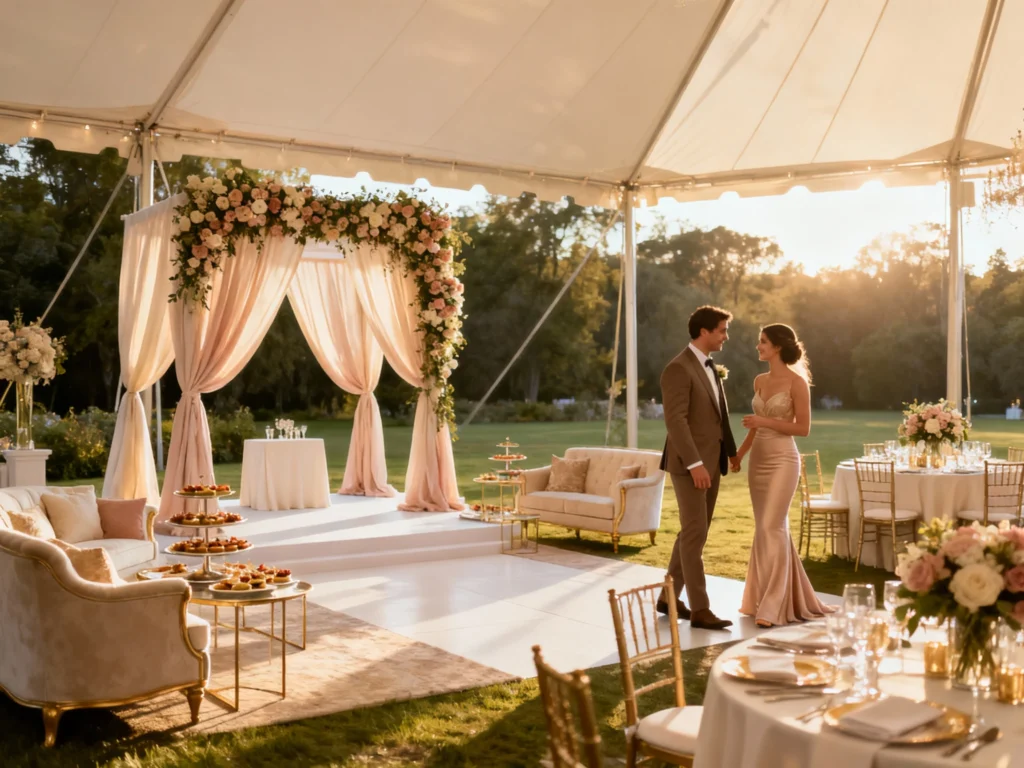
Tents are dreamy, but the magic only happens when the layout is effortless for guests. A good plan keeps heels out of grass, lines out of sight, and the party moving without anyone asking, “Where do we go now?”
Below are tented wedding layouts that balance ceremony, cocktail hour, and reception flow—so your timeline feels smooth, your photos look intentional, and your guests stay comfortable from arrival to last dance.
1) The Straight-Line “Processional to Party” Plan
Set the ceremony at one end of the property and the reception tent at the other, with cocktail hour in the middle as the “bridge.” Guests naturally move forward through the day without doubling back. This works best when the path is wide, well-lit, and clearly marked with signage or florals. Bonus: it keeps ceremony chairs out of the reception tent, saving flip time.
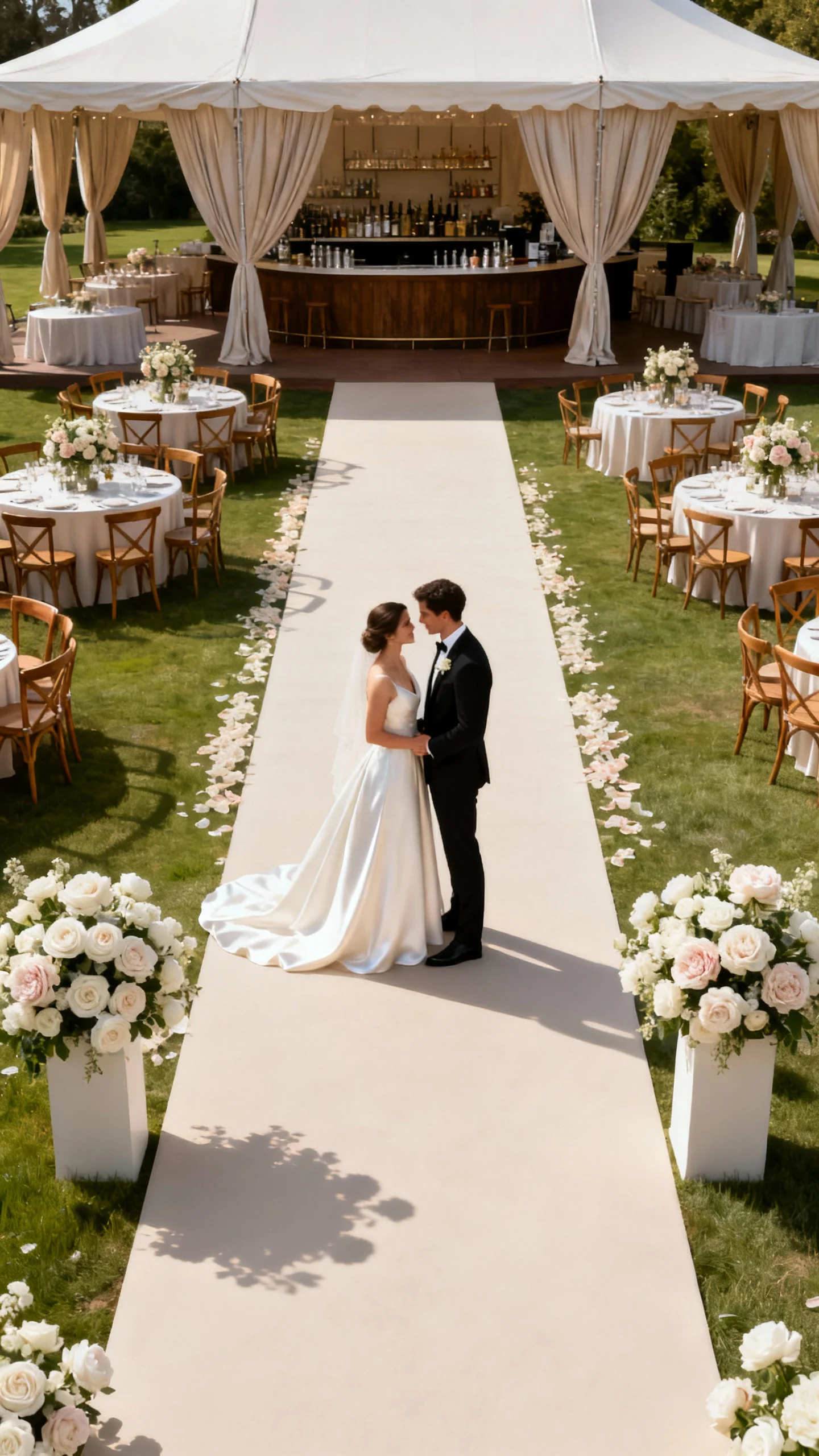
2) The “Same Spot” Ceremony with a Fast Flip
If you love the look of saying vows under the tent, plan a quick room reset while guests enjoy cocktail hour nearby. Use a dedicated crew and a preset floor plan so chairs move once and tables are already staged. Add a subtle divider (like drape or greenery) to hide reception details until the reveal. This layout is ideal for unpredictable weather and a polished, all-in-one aesthetic.
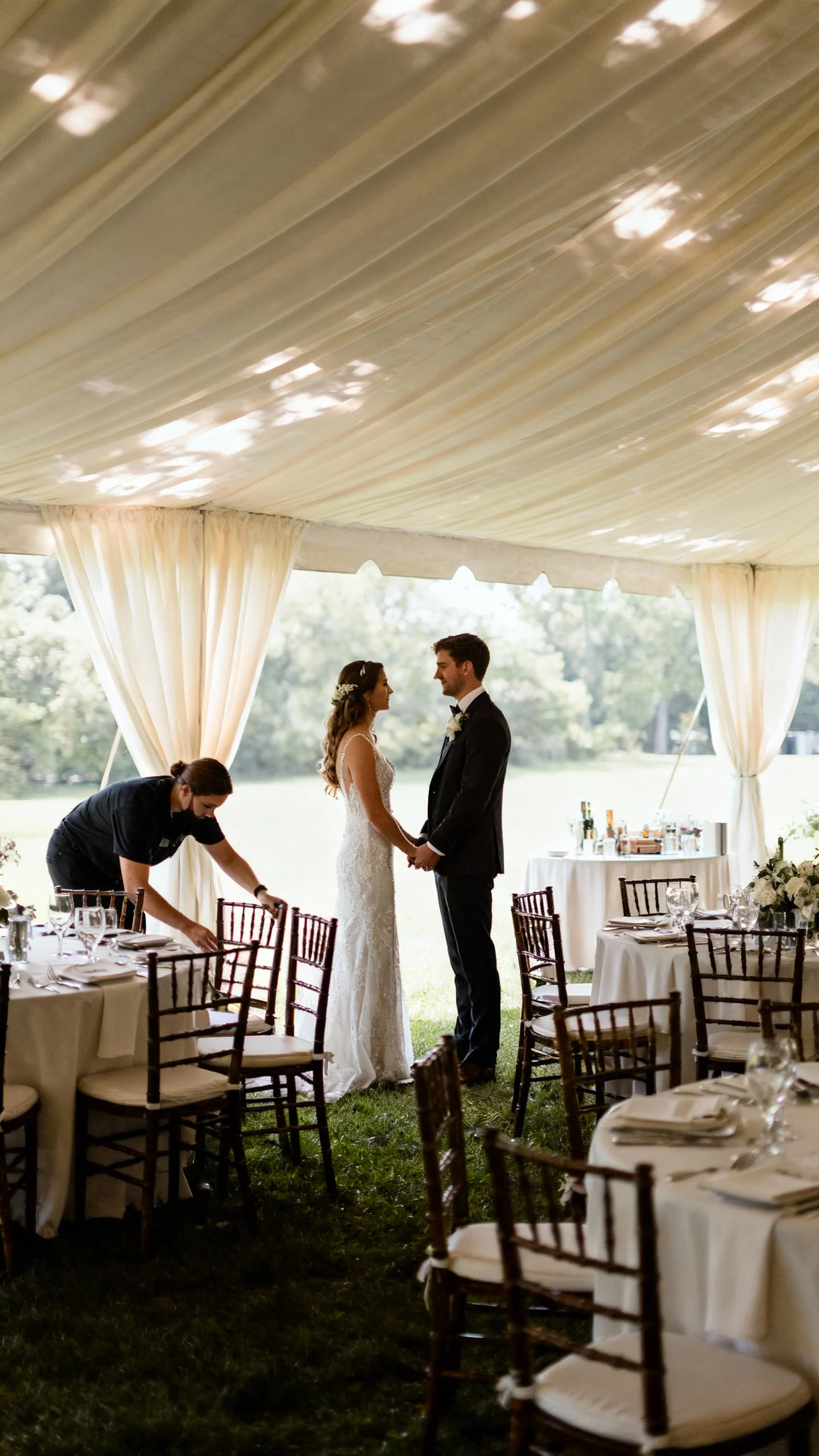
3) The L-Shaped Layout for Tight Properties
On narrow or oddly shaped venues, an L plan prevents traffic jams and makes each moment feel like a new “scene.” Place ceremony in one direction, then turn the corner to cocktail hour and the tent entrance. This keeps sound from bleeding between spaces and gives your photographer cleaner backdrops. Make the turn feel intentional with a statement sign, candles, or a floral moment.
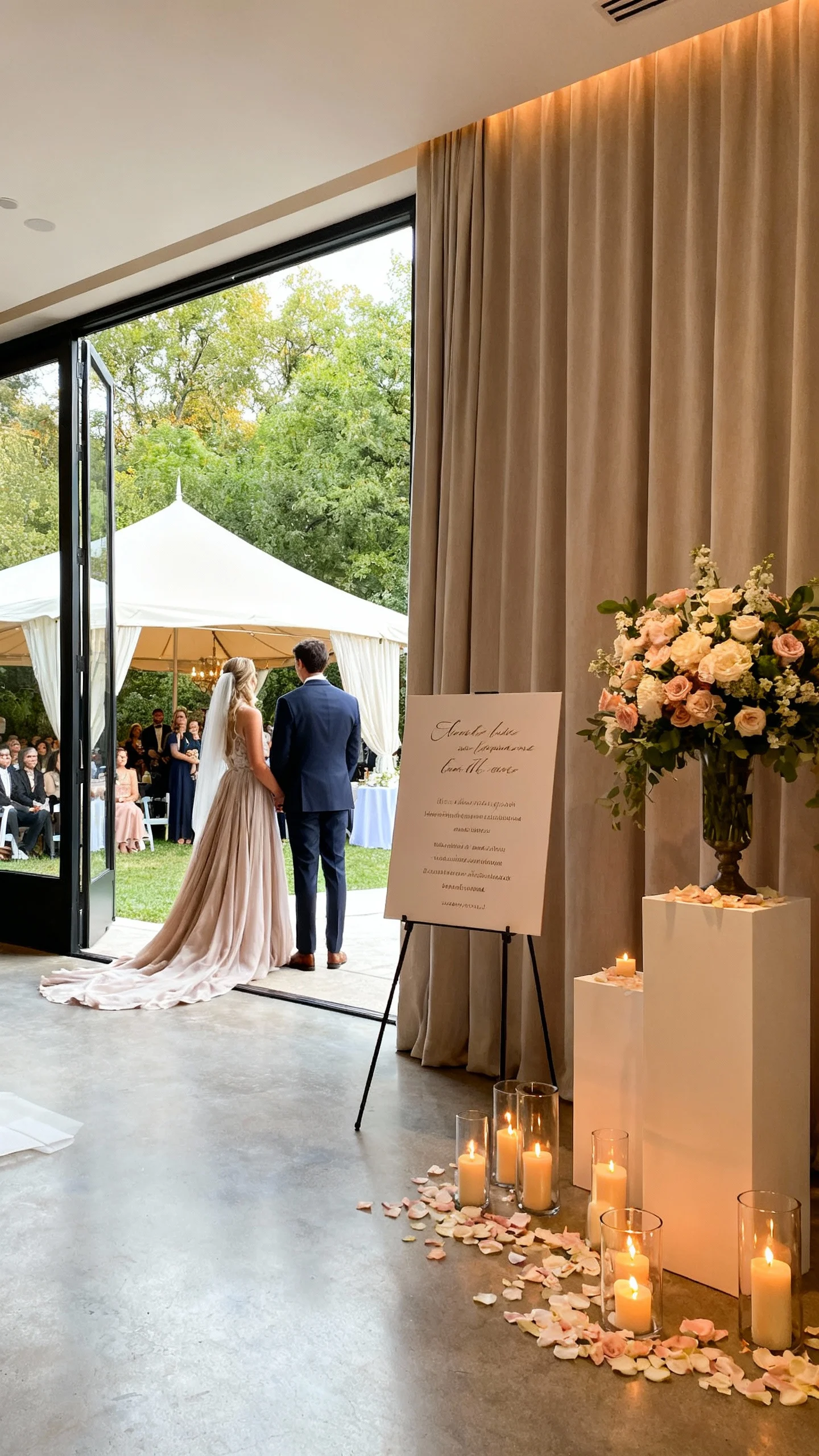
4) The Courtyard Cocktail Hour Outside the Tent
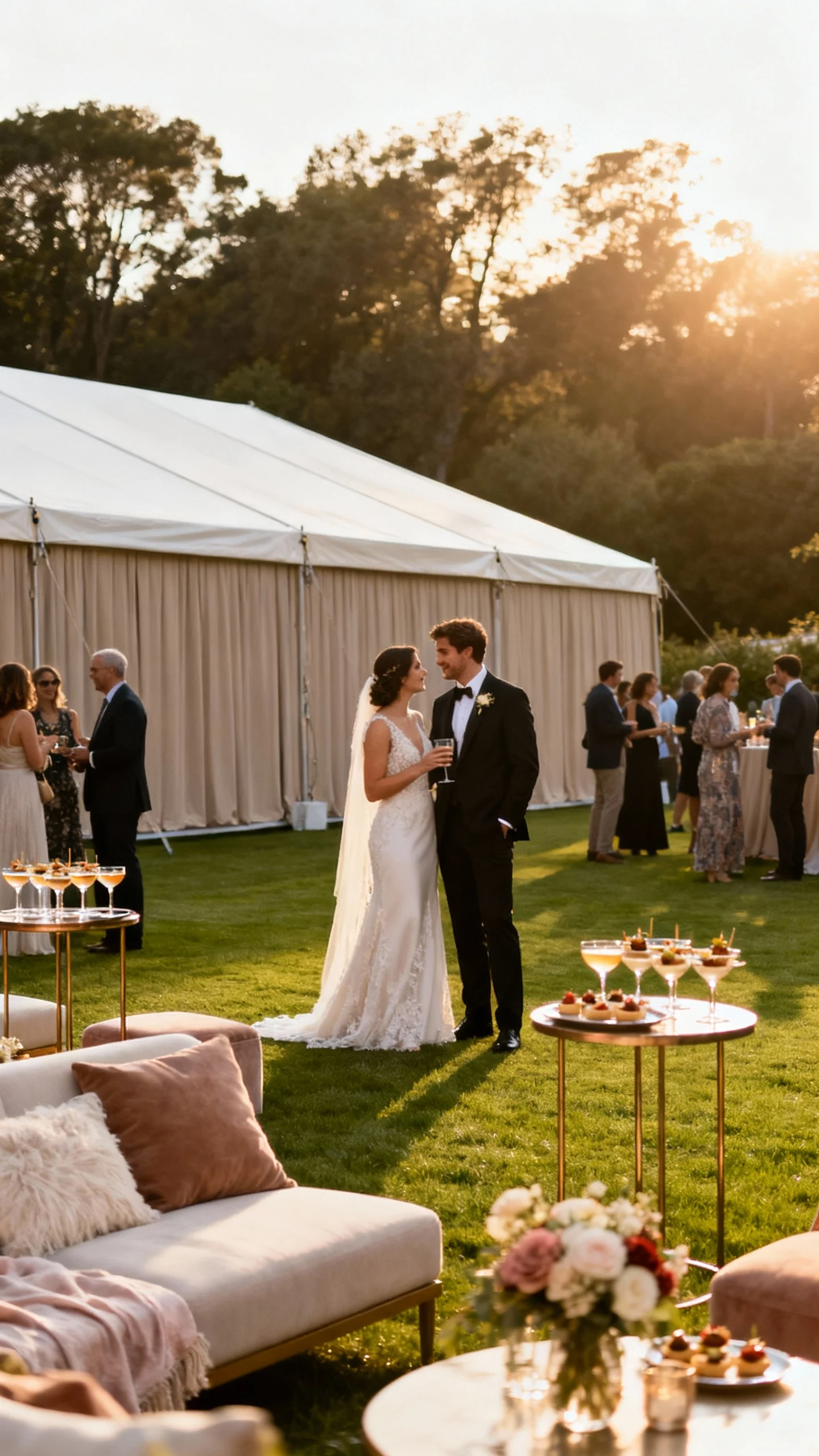
Keep the tent closed during cocktail hour to preserve that reception “wow” moment. Set cocktails on a patio, lawn, or garden adjacent to the tent so guests can mingle while you take portraits. Use high-tops, lounge seating, and passed bites to encourage movement and avoid a single crowded bar line. When doors open, guests will feel the shift from casual to celebratory.
5) Ceremony Backdrop Facing Away from the Reception
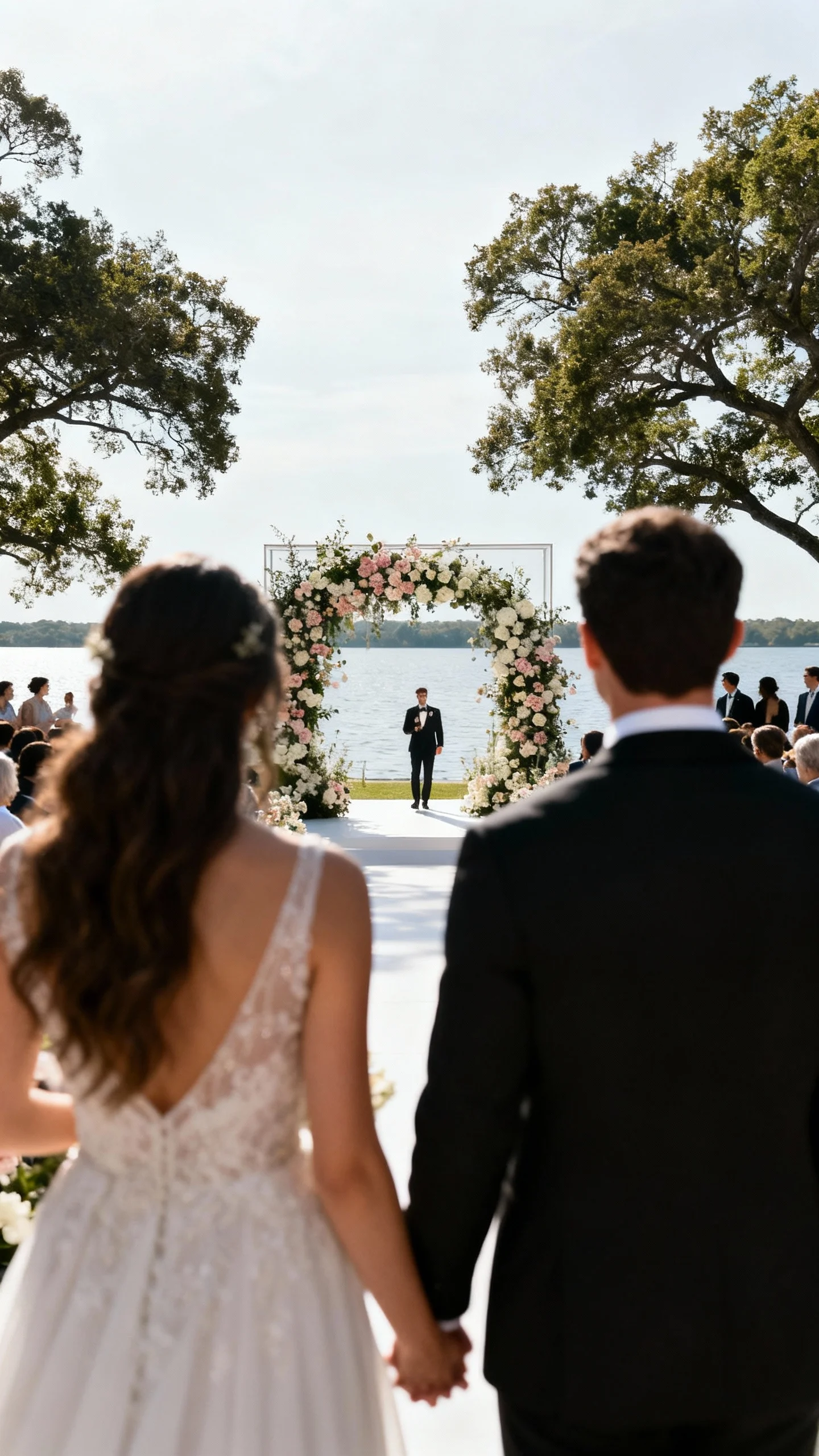
If your tent and ceremony are near each other, orient the ceremony so guests aren’t staring at the band setup or sweetheart table. A clean backdrop—trees, water, or a floral installation—keeps the focus on the vows. Then, release guests in the direction of cocktail hour so the reception space stays photo-ready. This small rotation makes everything feel more elegant and less “event logistics.”
6) The Two-Tent Solution: Dining + Dance
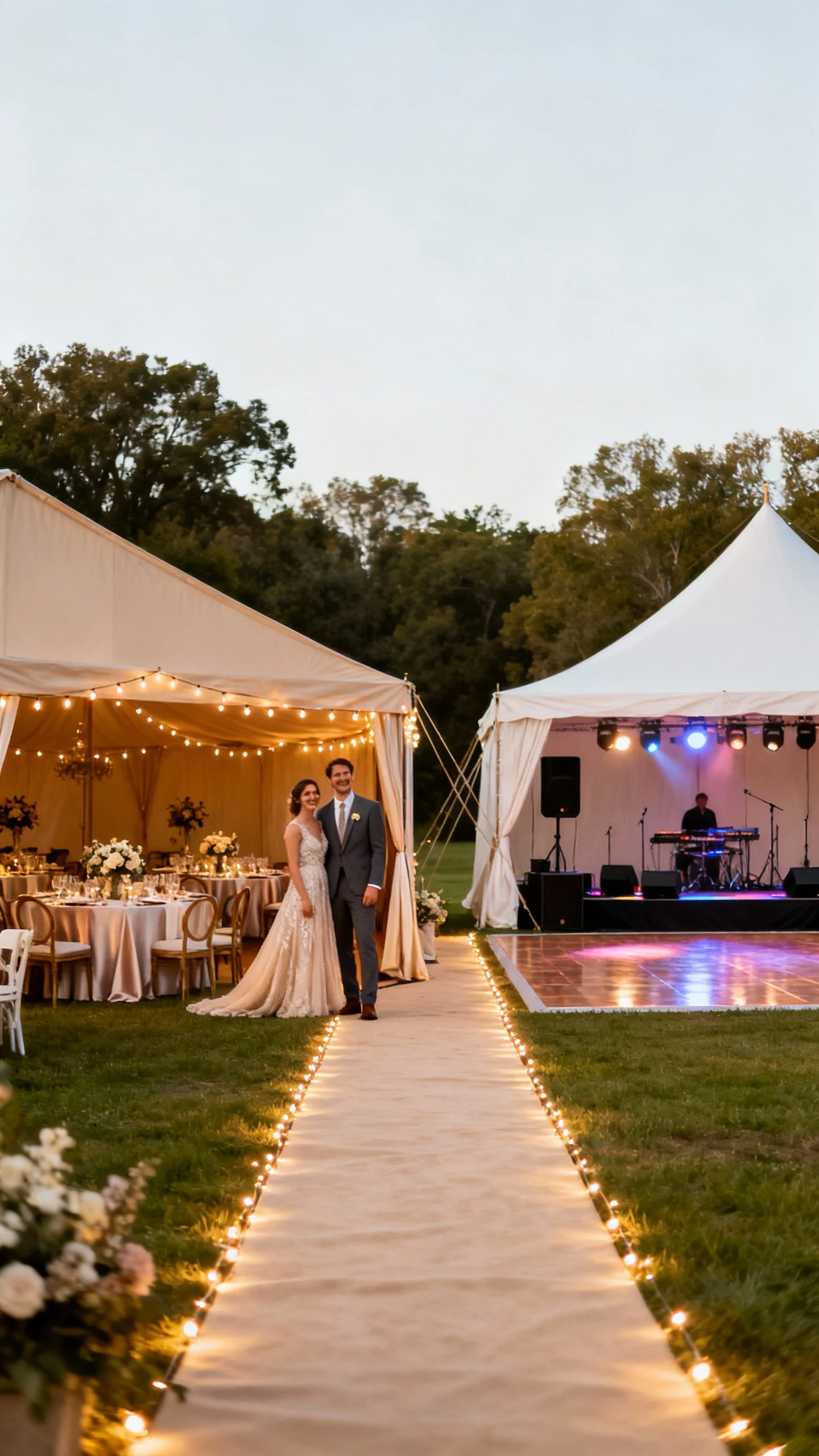
When budgets and space allow, separating dining and dancing creates an easy flow and better sound control. Guests eat comfortably in a quieter tent, then migrate to the dance tent where lighting and music can go big. This also helps older guests enjoy conversation without feeling like they’re sitting next to a speaker. Connect the tents with a lit walkway, string lights, or a covered corridor if weather is a concern.
7) A Dedicated “Arrival Moment” That Doesn’t Block Flow
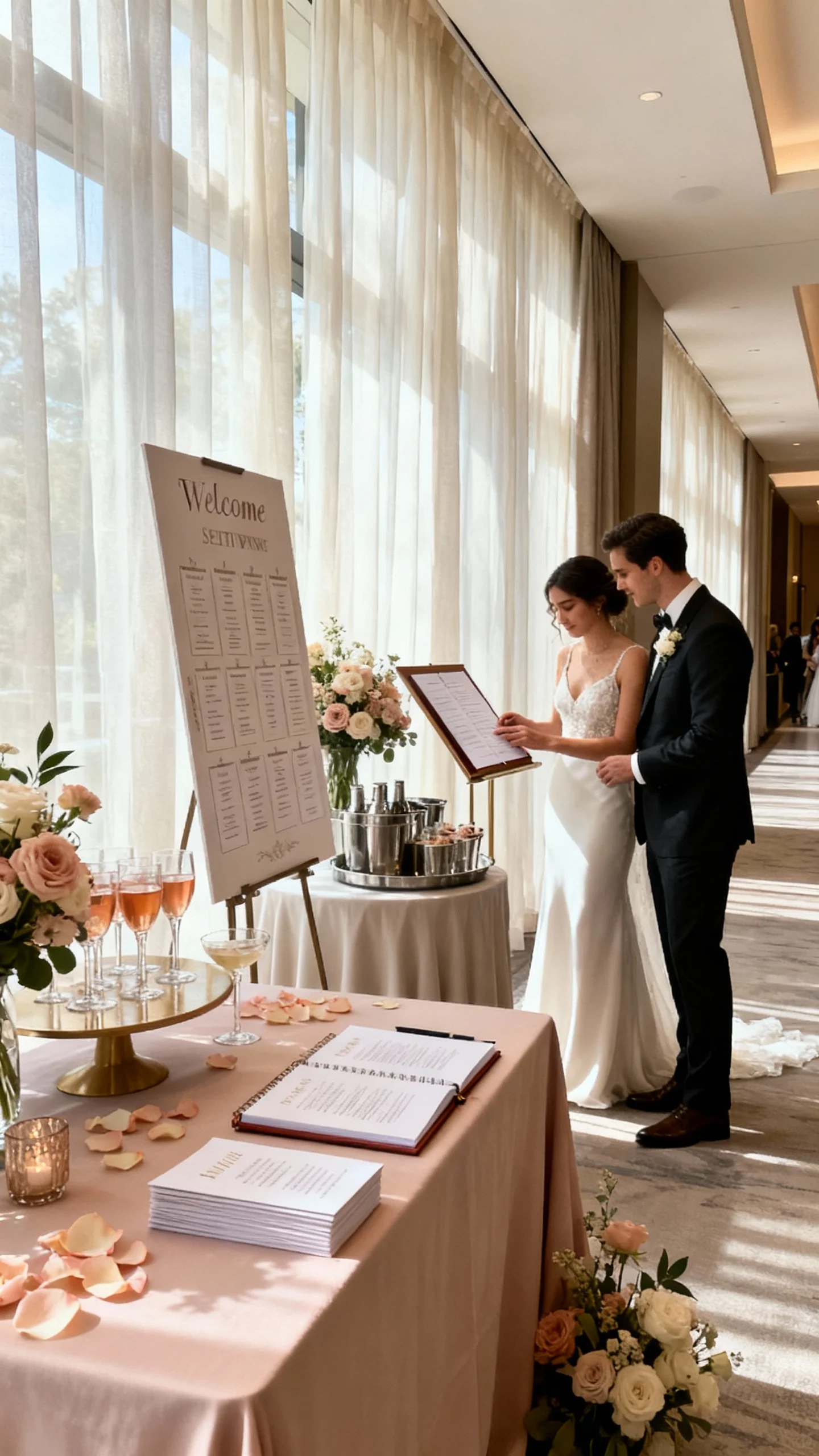
Plan a clear arrival zone for welcome drinks, programs, and guestbook so it feels inviting—not congested. Keep it off the main walkway so the first wave of guests doesn’t create a bottleneck. A simple rule: anything guests need before the ceremony should be reachable in 30 seconds without crossing the aisle. This is also a great spot for a seating chart preview and photo-worthy styling.
8) Bar Placement That Prevents Long Lines
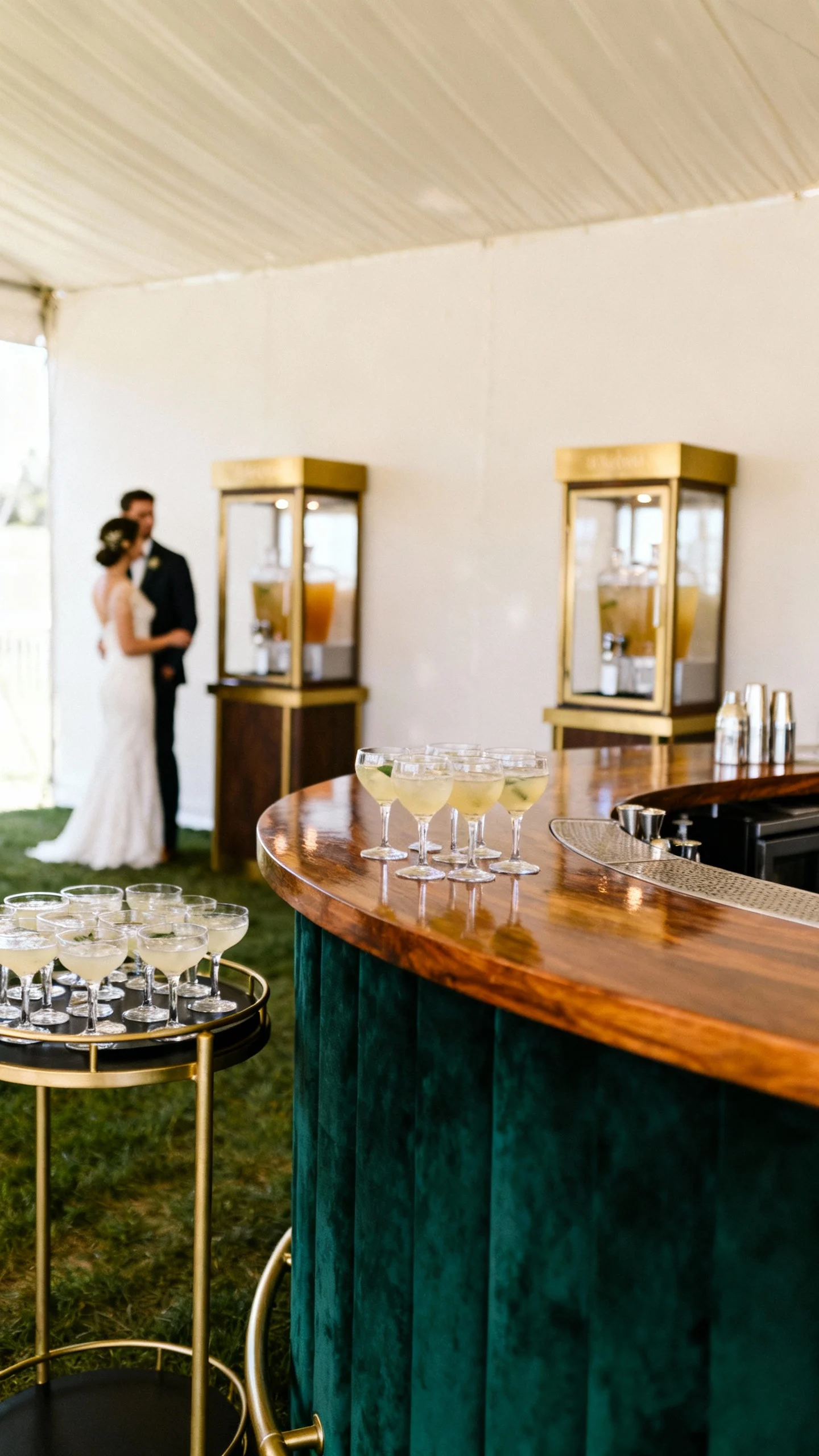
Bar placement makes or breaks tent flow, especially during cocktail hour and right after dinner. Put the bar along a perimeter wall with room for two-sided access, or use two smaller bars instead of one giant one. Keep it away from tent entrances so traffic doesn’t collide with drink lines. If you’re serving a signature cocktail, offer it as a pre-batched grab-and-go to speed things up.
9) Restrooms, Heaters, and Power: The Unsexy Map That Saves the Day
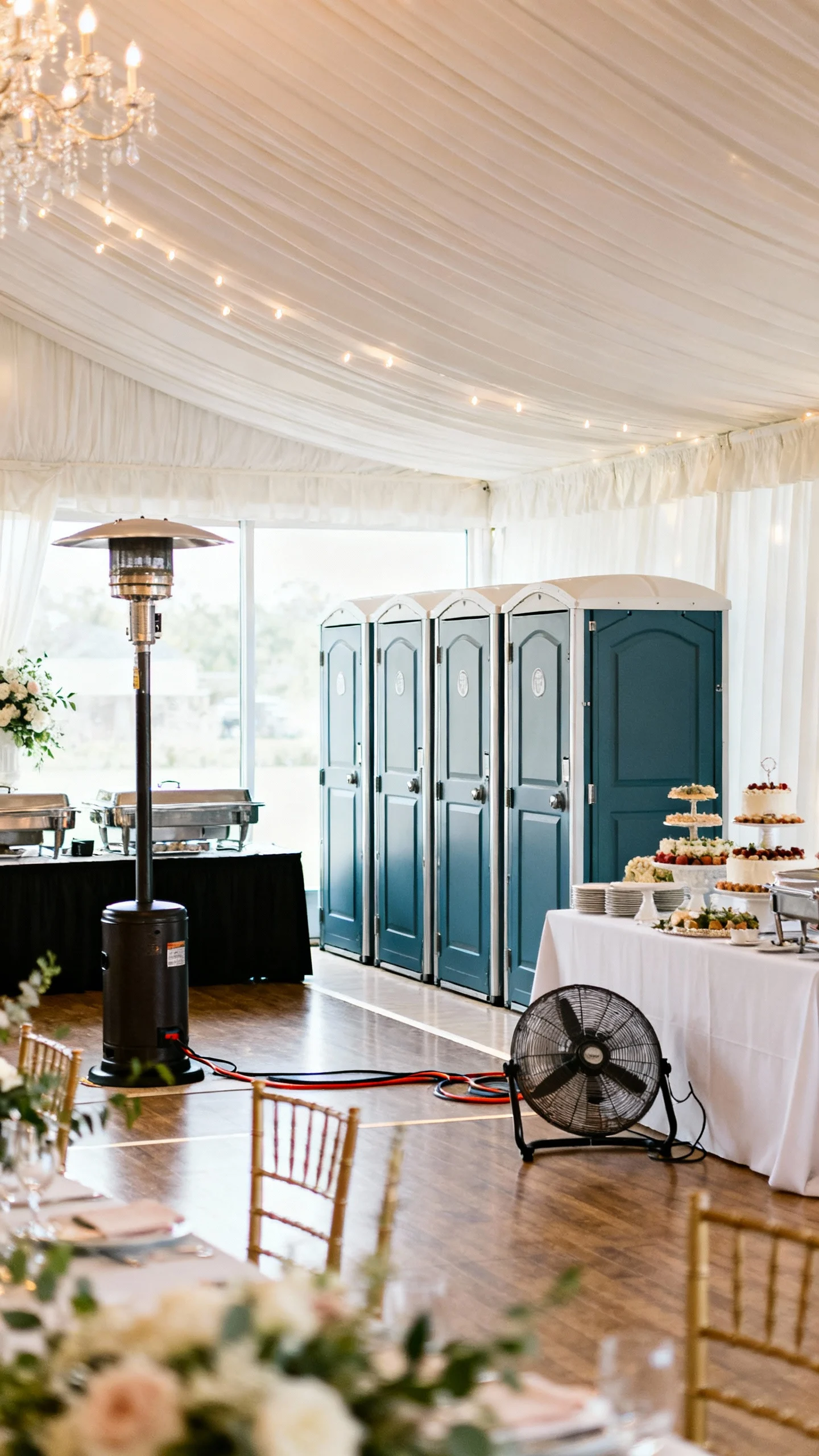
The most beautiful layout still fails if guests can’t find restrooms or if cords cross main walkways. Place restrooms along a well-lit path that doesn’t cut through the dance floor or behind the caterer. Heaters and fans should aim into seating areas without blasting the sweetheart table or dessert display. Share your layout with vendors early so power runs and service routes stay hidden.
10) Lighting the Path So Guests Always Know “Next”
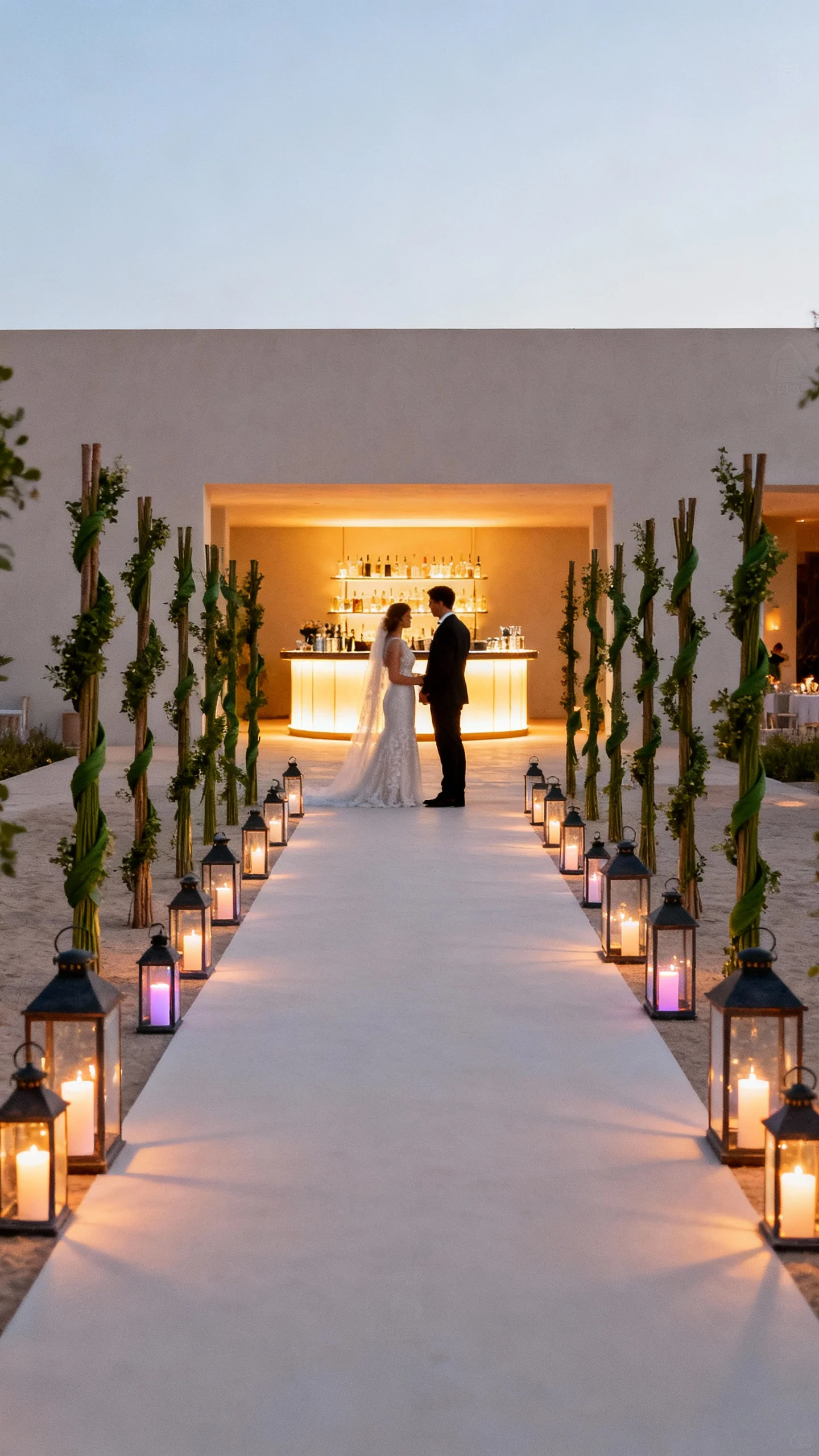
Use lighting to guide guests from ceremony to cocktails to reception without constant announcements. Line walkways with lanterns, votives (real or LED), or stakes wrapped in greenery for a subtle runway effect. Add one focal “beacon” in each space—like a lit bar, escort wall, or hanging installation—so guests instinctively head the right direction. As night falls, this turns practical flow into instant ambiance.
FAQ
How much space do we need between ceremony, cocktail hour, and the tent?
Aim for a comfortable 1–3 minute walk between moments, with a firm, clearly marked path. If it’s farther, add a shuttle, golf cart option for older guests, or a “pause point” like a welcome drink station so it feels intentional.
Should cocktail hour be inside or outside the tent?
Outside is ideal if weather permits because it preserves the reception reveal and reduces congestion during vendor setup. Inside works well for rain plans, but keep it to one side with furniture groupings so staff can flip the rest efficiently.
What’s the easiest way to flip a tent ceremony into a reception?
Keep ceremony seating minimal and uniform, and avoid complex aisle décor that takes time to remove. Have a written flip plan with assigned tasks, and send guests to a separate cocktail area with food, drinks, and seating so they don’t hover.
Where should we put the dance floor in a tent?
Center dance floors feel energetic, but edge placements can improve circulation for dinner service and bar access. Choose based on tent size, band/DJ footprint, and whether you want a lounge area that stays conversational.
How do we keep a tented wedding comfortable after dark?
Plan lighting, temperature control, and flooring together. Add pathway lighting for safety, consider heaters or fans based on climate, and use flooring or rugs in high-traffic zones to keep shoes clean and guests moving confidently.