
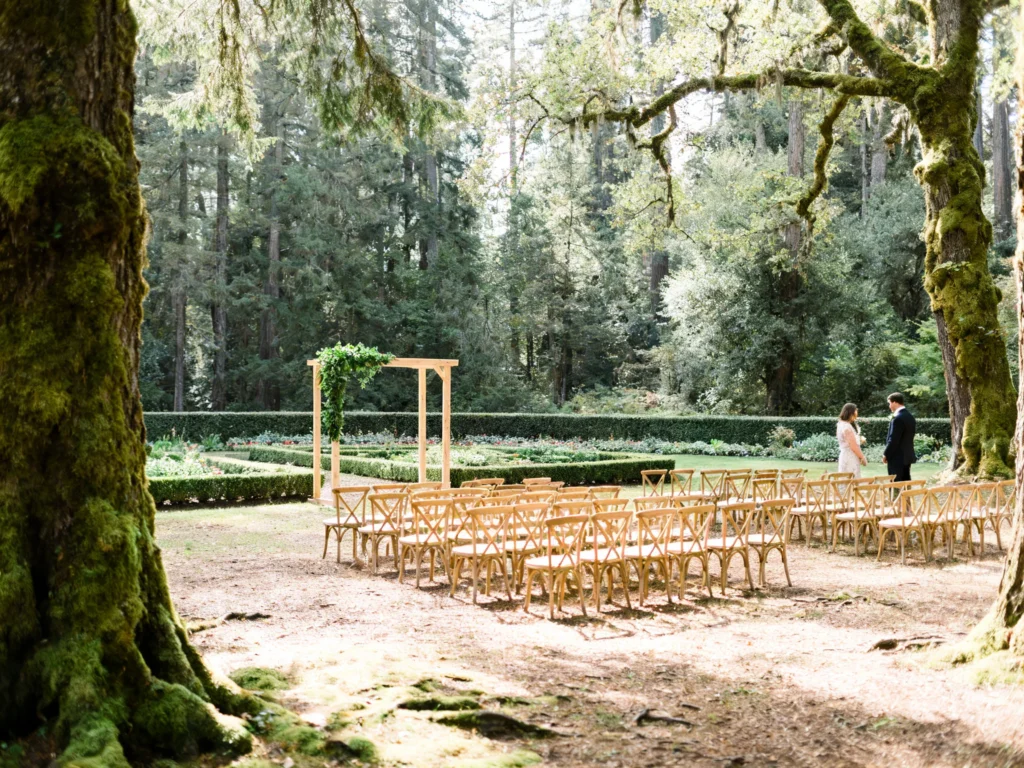
Nature-inspired ceremonies feel effortless, but the magic is really in the planning: choosing a setting, shaping the guest experience, and letting the landscape do some of the decorating. Whether you’re drawn to a mossy forest aisle, a blooming garden backdrop, or a wide-open outdoor view, a few smart decisions will keep everything beautiful and comfortable.
Use these ideas to build a ceremony that looks intentional in photos, feels grounded in the moment, and flows smoothly from first look to “I do.”
Choose a setting that already has “ceremony energy”
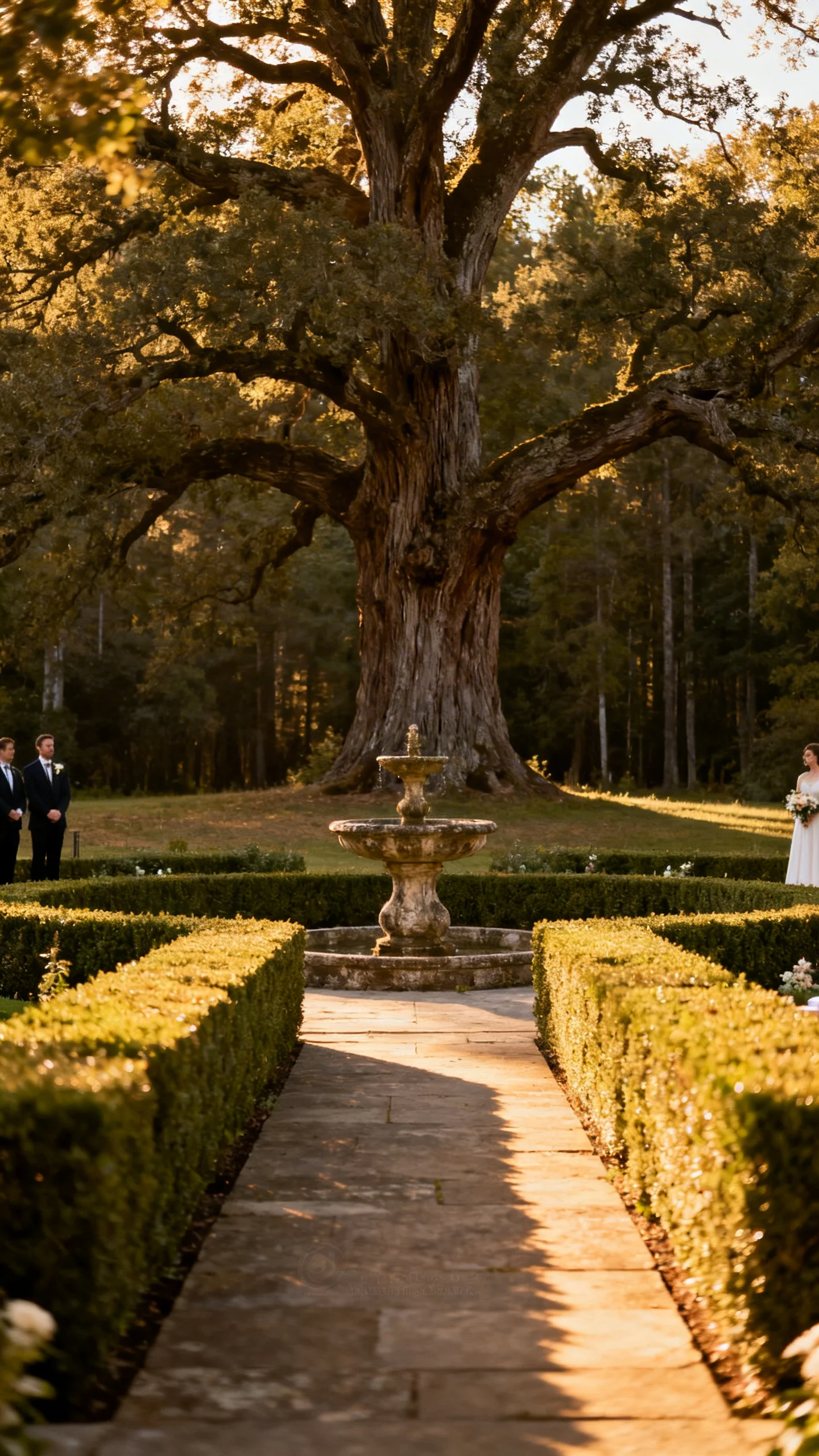
Start with a spot that naturally frames the moment, like a clearing, hedge-lined path, or a garden terrace with symmetry. Look for a focal point you can lean on: an ancient tree, a fountain, or a mountain view. Visit at the exact ceremony time to check sun angle, noise, and foot traffic. The right location reduces decor needs and makes the whole setup feel cohesive.
Plan your aisle like a gentle guided walk
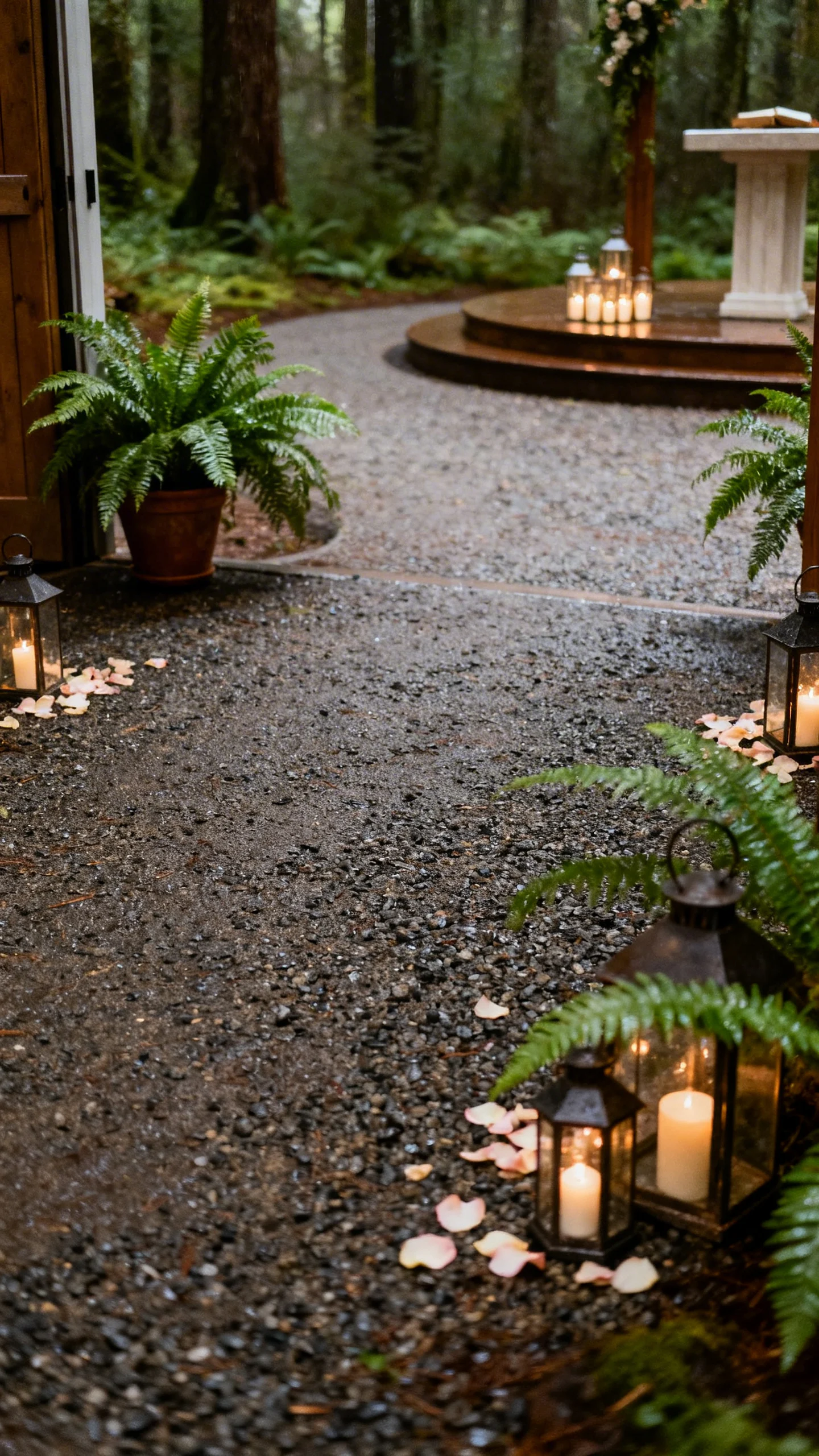
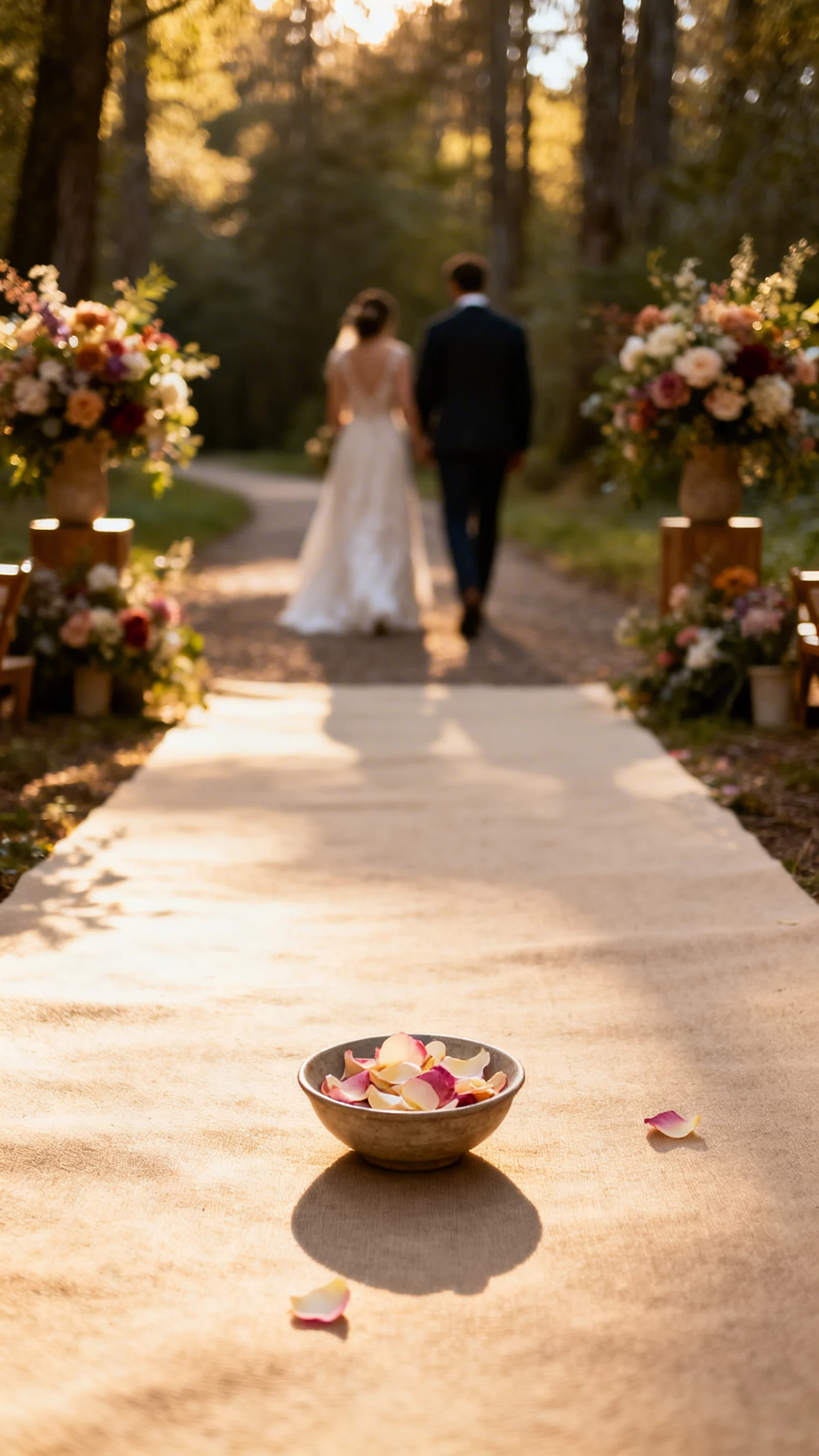
In forests and gardens, guests love an aisle that feels like part of the landscape, not a straight runway dropped into it. Use natural markers such as potted ferns, clustered lanterns, or petal moments at the entrance and altar. Keep the surface stable with a simple runner, compacted gravel, or low-profile mats—especially in damp areas. Always build in a wider aisle than you think for flowing outfits and camera movement.
Design a ceremony arch that complements the scenery
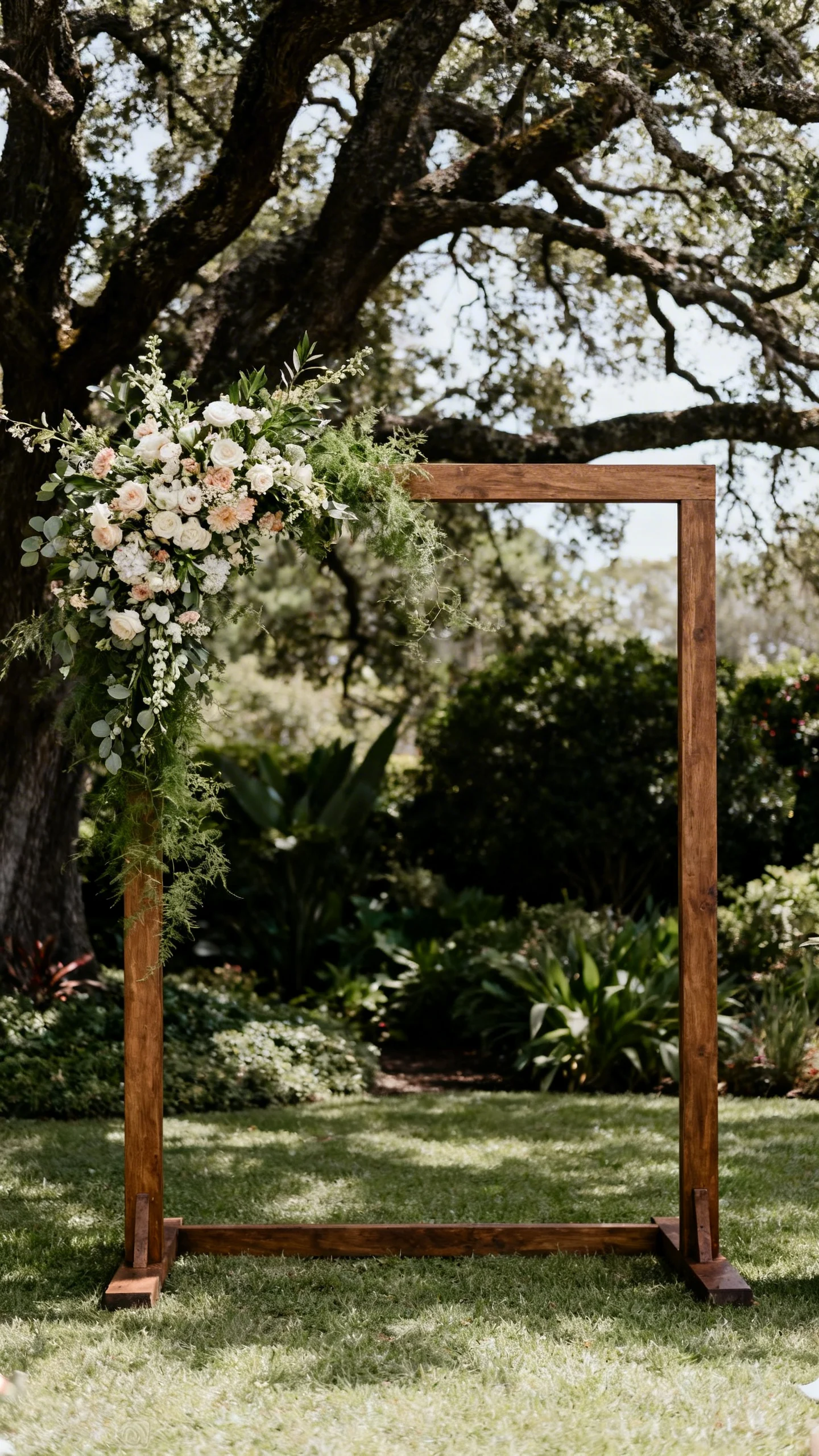
A nature-inspired arch works best when it echoes what’s already there: airy branches for forest vows, climbing greenery for a garden, or a minimal frame for big outdoor views. Instead of filling every inch, concentrate florals on one corner or a soft asymmetrical sweep for a modern look. Choose materials that feel organic—wood, rattan, or stone-toned textiles. If the backdrop is stunning, a “barely-there” installation can look the most elevated.
Pick a palette pulled from the environment
Let the season guide your colors: spring greens and blush, summer wildflower brights, autumn rust and amber, winter pine and cream. Build your palette with three anchors (one neutral, one green, one accent) so it photographs cleanly. For gardens, match your accent to blooms already in the space to avoid clashing. In forests, add contrast with lighter fabrics and candles so details don’t disappear into the shade.
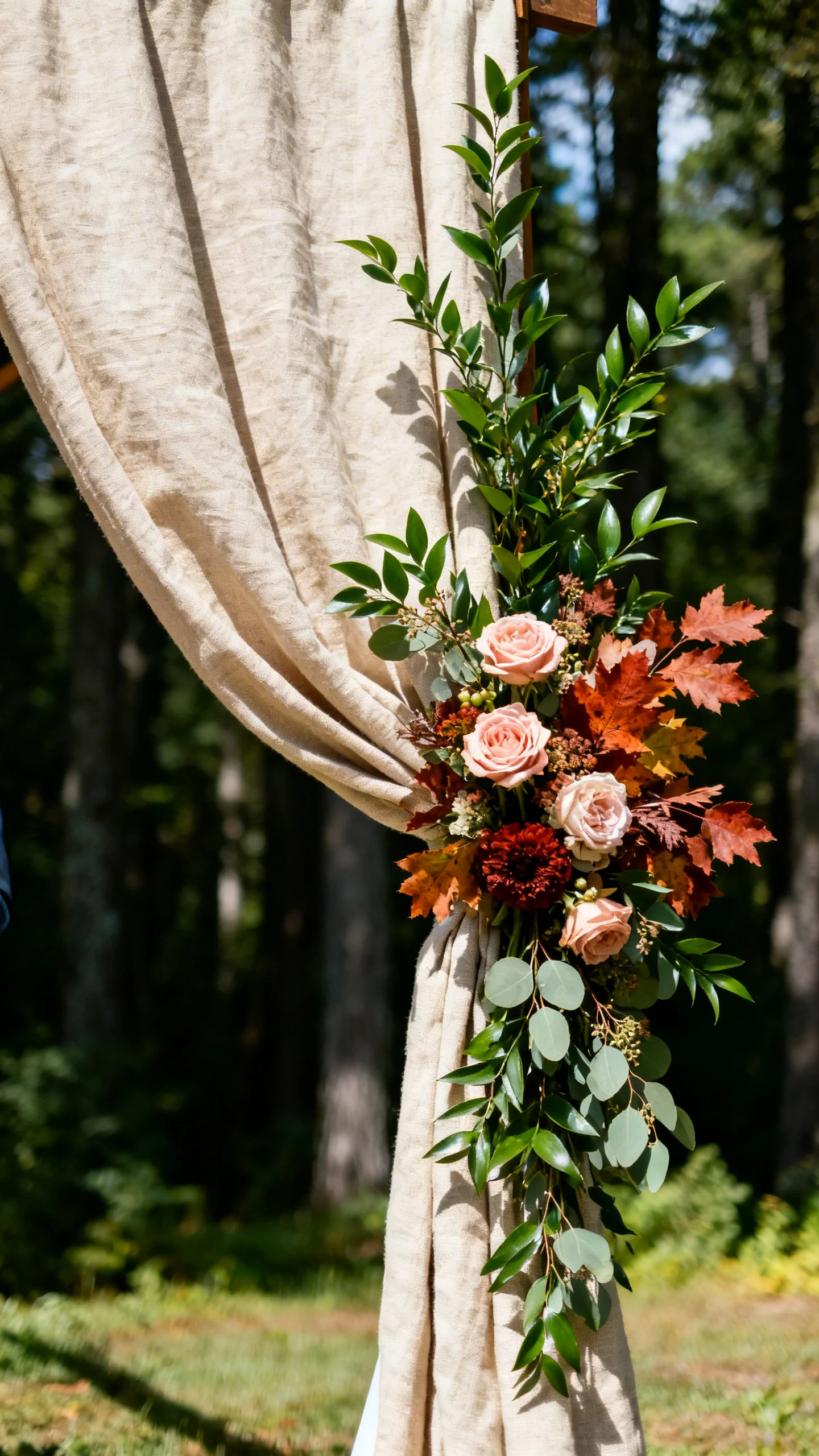
Use ceremony seating that suits the terrain
Chairs sink into soft ground, so bring plywood pads or flat pavers to keep rows level and tidy. Consider benches for a woodland feel, but keep the front row in chairs for comfort and outfits. Arrange seating in a soft arc to make the space feel intimate and improve sightlines. Reserve an accessible route for anyone using mobility aids, and keep the path clearly marked.
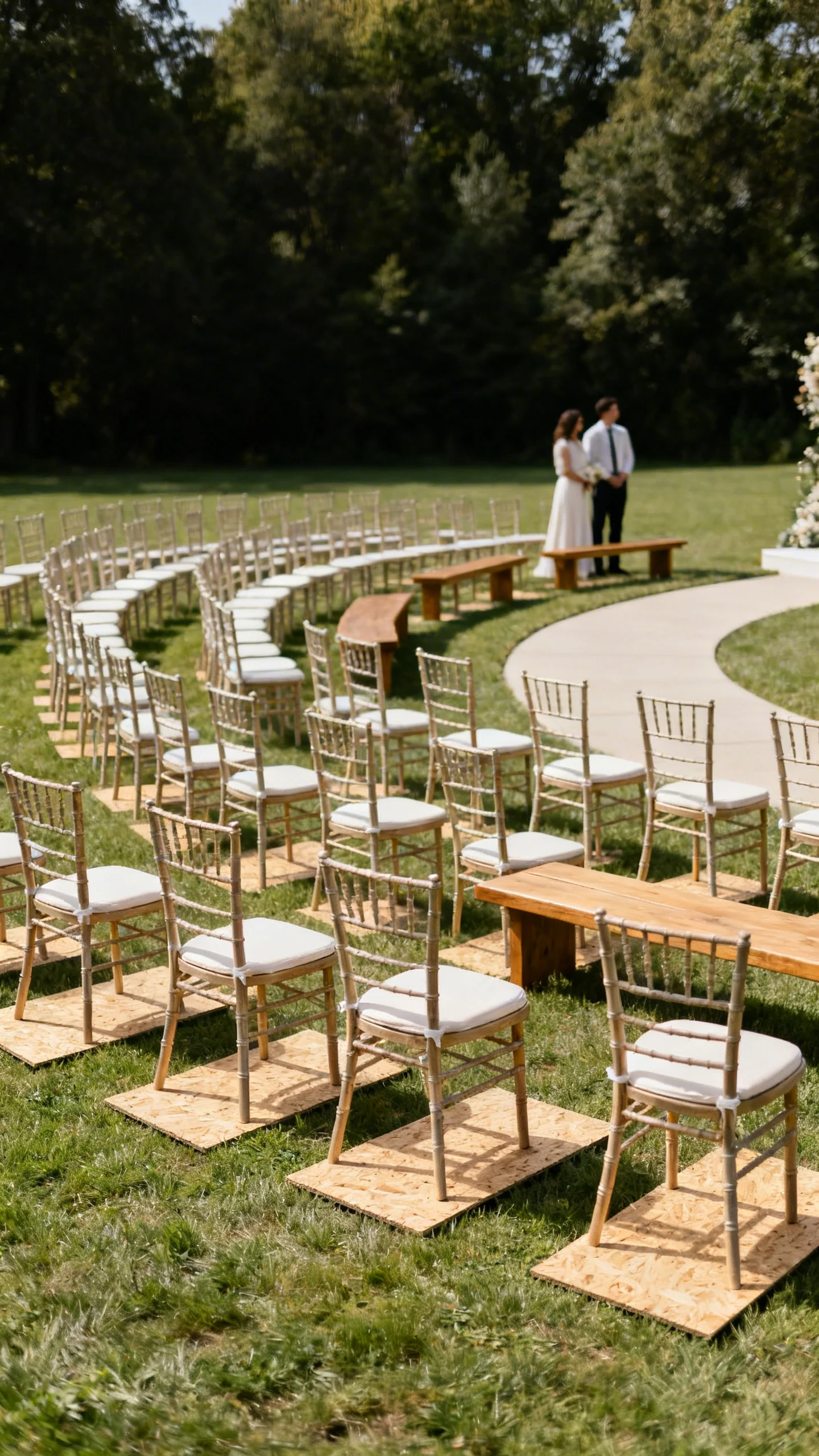
Make sound and vows crystal clear outdoors
Wind and open air can swallow your words, so plan a microphone setup even for small ceremonies. A discreet speaker and handheld or lapel mic will keep guests connected and reduce “what did they say?” moments. Ask your officiant to do a quick sound check with your exact vow volume, not a performance voice. If your venue has wildlife or public noise, schedule for the calmest time of day.
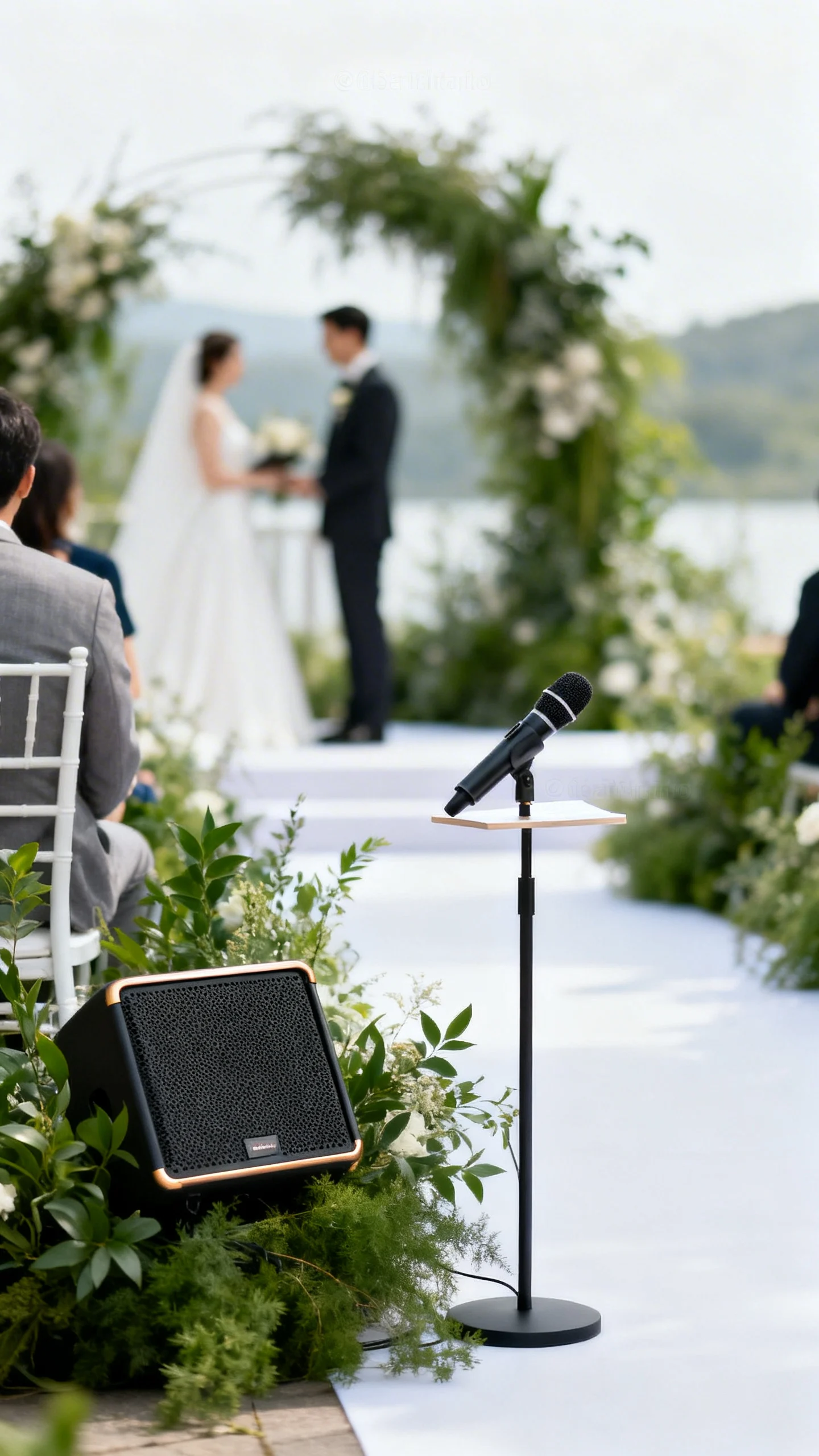
Create a weather-smart plan that still feels stylish
Outdoor ceremonies need a backup that matches the aesthetic: a sailcloth tent, a greenhouse, or a covered pavilion dressed with greenery. For sun, provide shaded seating or parasols for guests, and angle the altar so you’re not squinting in photos. For cool evenings, basket soft wraps in a palette-friendly color and add discreet heaters. Keep towels, umbrella stands, and a “mud kit” on hand so you can pivot without panic.
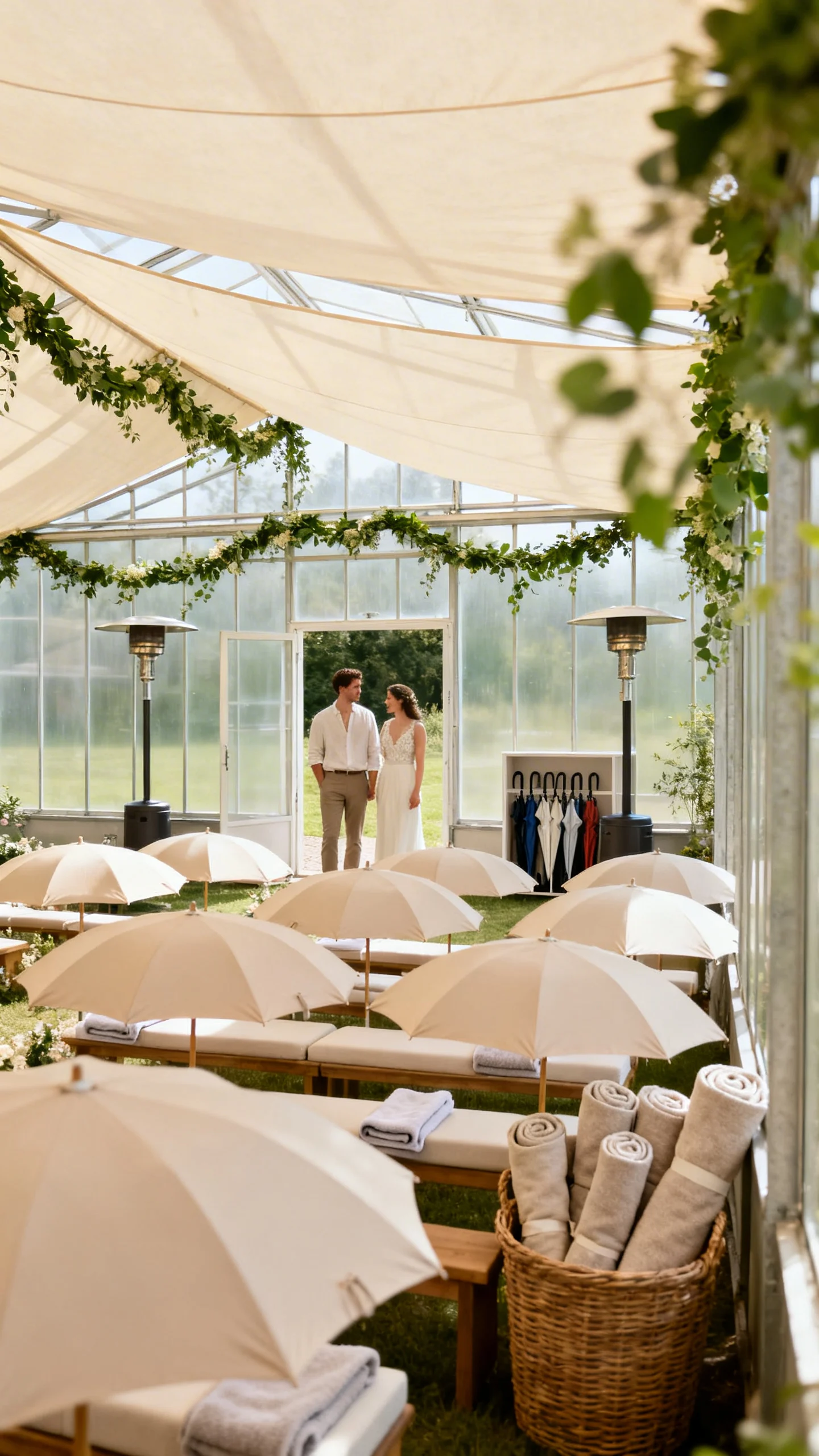
Layer lighting for a golden, romantic look
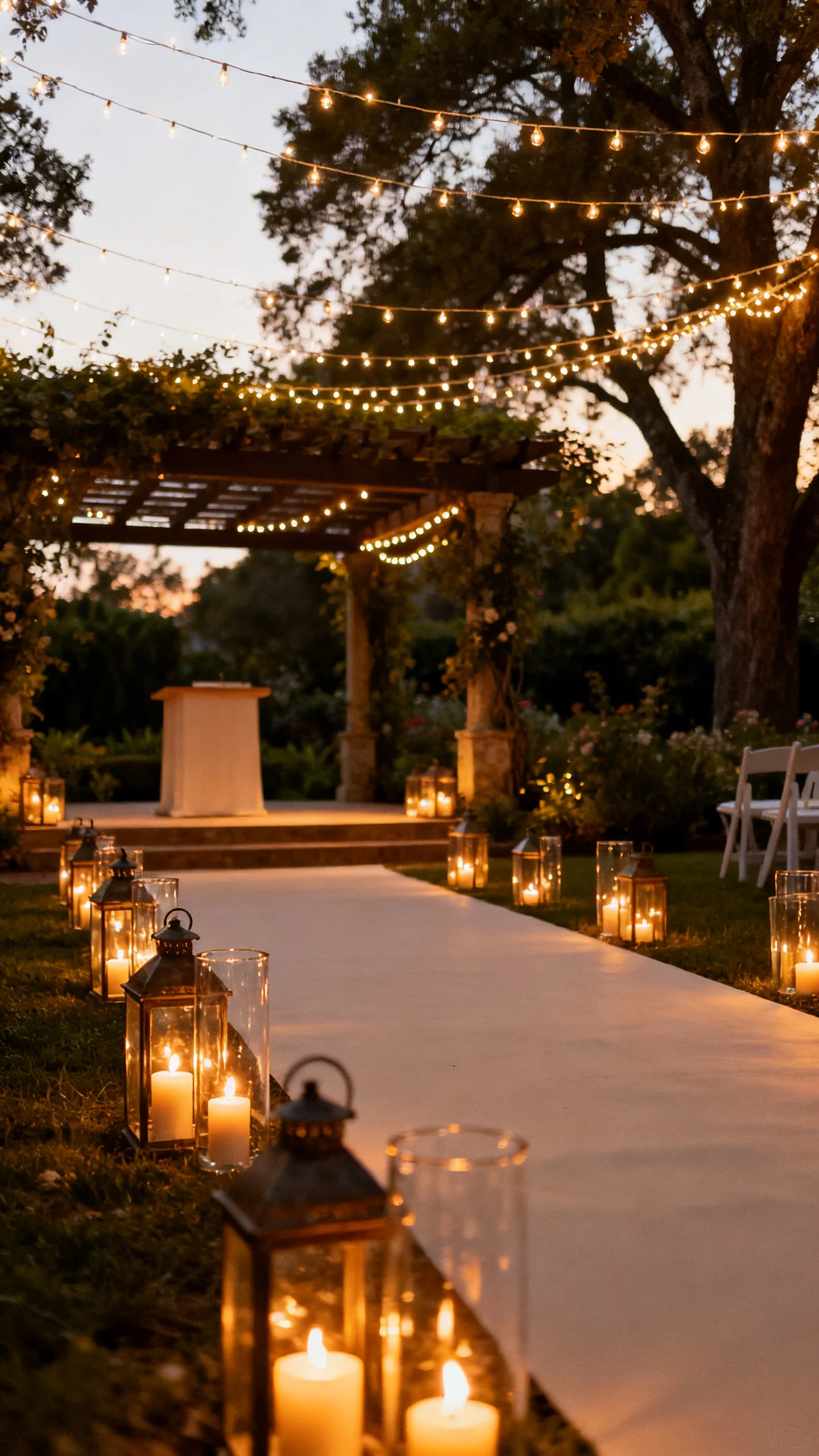
Forests and gardens can get dim fast, so plan light like you’re designing a mood, not just visibility. Mix practical lighting (pathway lights) with romantic lighting (candles in hurricanes, lantern clusters, string lights). Place glow near the aisle edges and altar to flatter faces in photos. Always use enclosed flames and confirm venue rules, especially in dry seasons.
Build in natural, photo-friendly moments
Think about how your ceremony will look from multiple angles: guest view, aisle view, and wide landscape shots. Add two or three intentional “photo beats,” like a petal toss at the recessional or a short pause after the first kiss. Choose ceremony florals that can be repurposed to cocktail hour so the pretty doesn’t end at “amen.” If the path to the ceremony is scenic, plan a quick, private walk together for portraits.
Keep the guest experience comfortable and polished
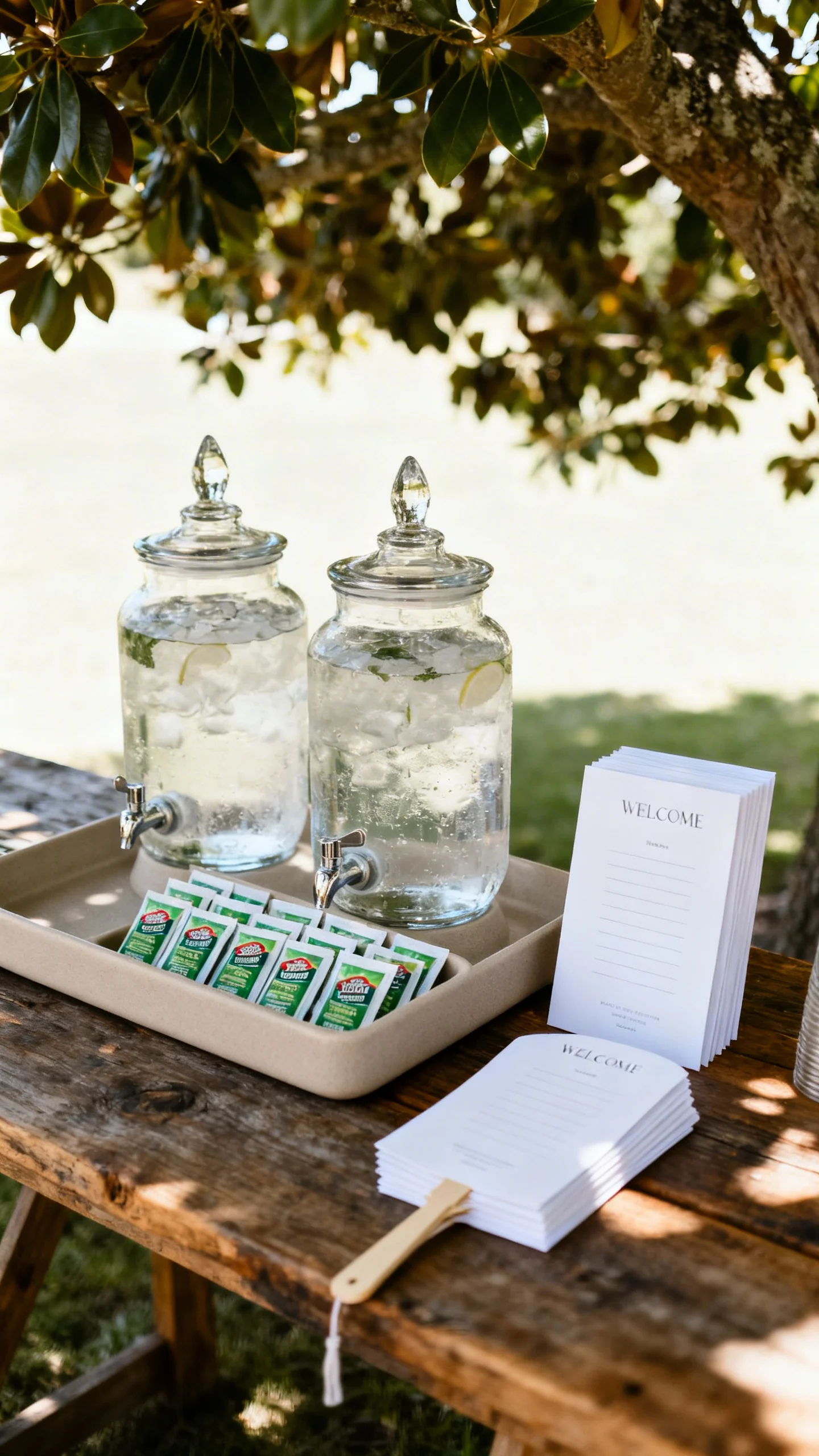
Comfort is what makes outdoor elegance feel effortless, so give guests the tools to enjoy it. Offer a welcome station with water, bug-repellent wipes, and a simple ceremony program that doubles as a fan. Use clear signage for restrooms and directions, especially in parks or large estates. If the walk is long, provide a shuttle or golf cart so everyone arrives relaxed and on time.
FAQ
How far in advance should we book an outdoor ceremony location?
For popular parks, gardens, and estates, aim for 9–15 months ahead, especially for peak weekends and peak bloom seasons. If you need permits, build extra lead time for approvals and insurance paperwork. Weekdays and Sundays often have better availability.
What’s the best time of day for a forest or garden ceremony?
Late afternoon into early evening is usually the most flattering for light and temperature, but dense forests can get dark earlier. Visit your site at your ideal time to confirm sun placement and shade. If your location is open and bright, consider a later start to avoid harsh midday sun.
How do we keep bugs under control without ruining the vibe?
Choose a venue with regular grounds maintenance, avoid standing water areas, and schedule for cooler parts of the day when possible. Use discreet options like citronella in enclosed lanterns, fan stations, and individually wrapped repellent wipes in a cute basket. Let guests know the setting on your website so they can dress comfortably.
Do we really need a microphone for a small outdoor ceremony?
Yes, in most cases—outdoor sound disperses quickly, and wind can make voices hard to hear. A simple speaker and mic setup is a small investment that improves the experience for every guest. It also helps your videographer capture clean audio.
What shoes work best for grass, dirt paths, or garden aisles?
Block heels, wedges, flats, and dressy sandals are the most reliable on soft ground. If you love a heel, add heel protectors and consider a stable aisle surface like a runner or mats. For forest paths, prioritize grip and comfort, then let your dress be the drama.