
You want a wedding that feels magical, not financially terrifying. Good news: you can have both. A solid budget plan will keep your vendors happy, your savings intact, and your stress level somewhere below “feral cat.” Let’s map out a simple, no-fluff system to track costs, save smart, and spend on what actually matters to you.
Start With Your Real Number (Not Your Dream Number)

First, decide what you can spend without wrecking your future.
That means looking at savings, monthly cash flow, and any contributions from family. Then pick a number you can live with—emotionally and financially. Important: your budget = total spend, not just vendor costs. Include tips, taxes, outfits, gifts, beauty, and “oh no, we forgot chairs” moments.
Use this quick formula to set guardrails:
- Essentials (60–70%): venue, catering, bar, rentals
- Style (10–15%): decor, florals, signage
- People (10–15%): photography, video, music
- Looks + Paper (5–10%): attire, hair/makeup, invites
- Buffer (5–10%): tips, fees, last‑minute extras
FYI: The buffer saves you. Don’t skip it.
Build a Simple Tracker You’ll Actually Use
You don’t need a 47-tab spreadsheet that scares you. Make one page with columns for:
- Category (venue, catering, attire, etc.)
- Planned (what you expect to spend)
- Quoted (from vendor proposals)
- Actual (what you end up paying)
- Paid (yes/no + date)
- Due (amount + date)
- Notes (what’s included, weird fees, freebies)
Automate reminders for payment due dates.
Your future self will send a thank-you note.
Categories To Include (So Nothing Sneaks Up On You)
- Venue + Ceremony fees
- Catering + Bar + Cake/Desserts
- Rentals (chairs, linens, tableware, lighting)
- Photography + Video
- Music (DJ/band, ceremony musicians)
- Florals + Decor + Signage
- Attire + Alterations + Accessories + Shoes
- Hair + Makeup + Trials
- Stationery (save-the-dates, invites, postage, day-of)
- Transportation (couple + guests if needed)
- Officiant + License fees
- Favors + Welcome bags
- Tips + Service fees + Taxes
- Rehearsal dinner + Day-after brunch (if applicable)

Prioritize Like A Pro: The “Top 3” Rule
You can’t splurge on everything—unless you secretly print money. Pick your top three priorities. Is it food?
Live band? Photography? Once you know, you shift money toward those and get scrappier on the rest.
How to Reallocate Without Tears
- Food-focused? Choose a simpler venue to boost your menu and service.
- Photo-first? Trim florals and stick to in-season blooms.
- Music-obsessed? Go DJ + live ceremony strings instead of full band all night.
IMO, clarity solves 80% of budget drama.
The other 20% is cake tastings.
Hidden Costs That Mess With Budgets
You’ll avoid surprises if you ask the right questions early.
- Service fees: Many venues add 20–25% on food/bev. Ask for “out-the-door” totals.
- Taxes: Calculate by local rates on rentals and services.
- Delivery + Setup + Breakdown: Florals, rentals, lighting—these add up fast.
- Overtime: Bands, DJs, photographers, venue managers charge extra per hour.
- Power + Permits: Tented/outdoor weddings need generators and permits.
- Postage: Heavy invites = heavy stamps. Return cards need stamps too.
- Alterations: Bridal alterations can rival the dress price.
Plan for it.
- Gratuities: Not always required, often expected. Budget them.
Ask vendors: “What fees might appear later?” Then put them in your tracker immediately.
Smart Ways To Save Without Feeling Cheap
Saving doesn’t mean boring. It means strategic.
- Guest list trims everything: Fewer guests = fewer tables, meals, florals, invites.
- Choose off-peak: Fridays, Sundays, or winter dates often cost less.
- One venue for all: Ceremony + reception in one place cuts transport and rentals.
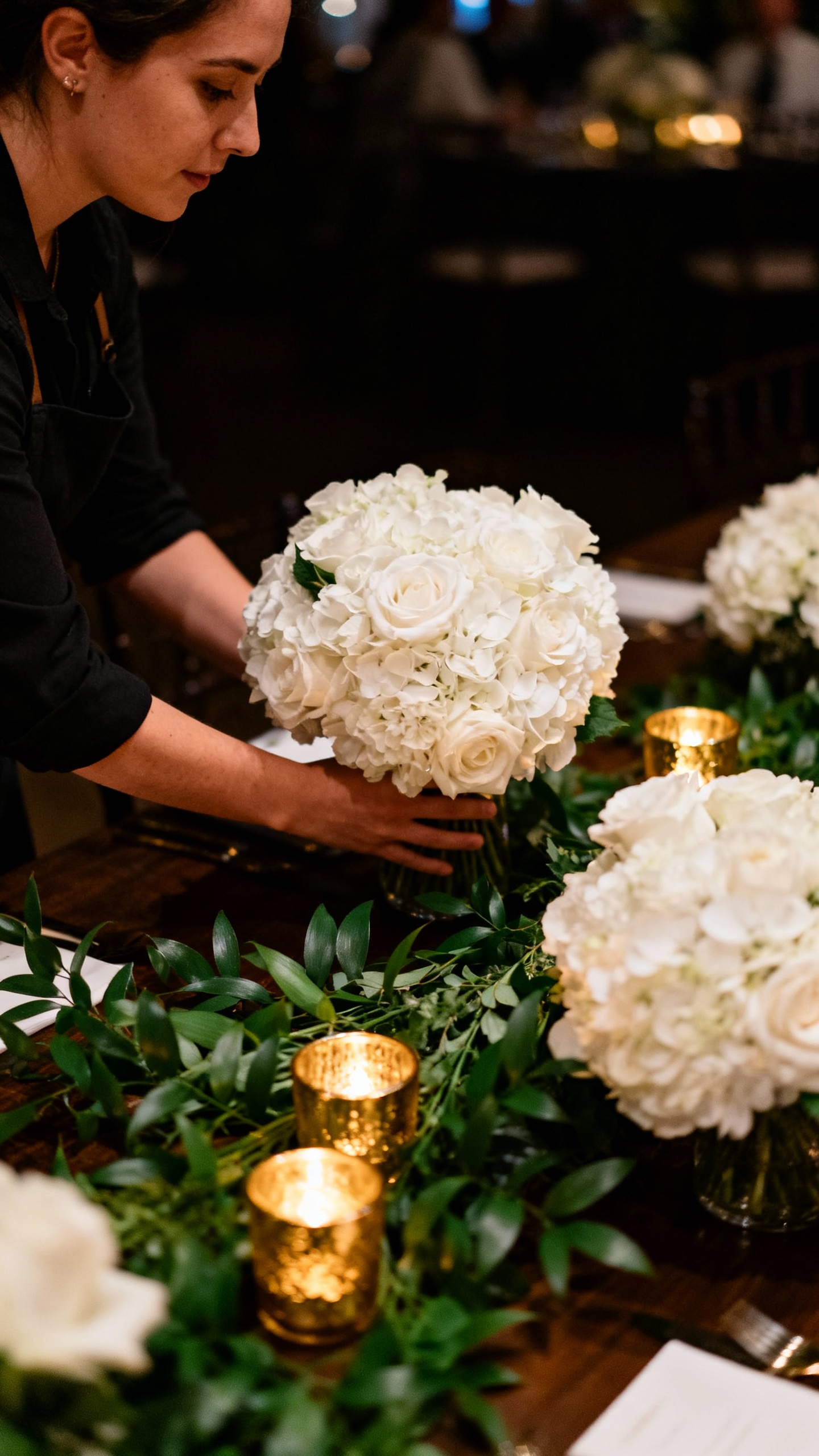
- Focus florals: Statement pieces at the altar and head table; simpler guest tables.
- Go seasonal: Flowers and menu items cost less and look/taste better.
- Rethink bar: Beer/wine/signature cocktails beats full open bar for hours.
- Minimal paper: QR RSVPs, small suites, or one per household with inserts.
- Rent smart: Use venue’s in-house inventory first.
Upgrades only where visible.
- Music mix: DJ for reception, live musicians for the ceremony = best of both worlds.
- Reuse decor: Move ceremony florals to reception. Your florist can plan for it.
FYI: The best savings come from guest count and venue choices—every time.
DIY—Do It If You Actually Want To
DIY saves money only if you value the process and have help. If you hate crafts, skip it.
Good DIY bets:
- Escort cards and signage (print at home, add a stand)
- Simple welcome bags
- Table numbers and photo displays
Bad DIY bets:
- Complex florals (wilt risk + day-of chaos)
- Catering (permits, liability, refrigeration—just no)
- Hair/makeup unless you’re a pro
Spending Strategically: Where to Invest
Some items deliver outsized impact or long-term value.
- Photography: You’ll keep those photos forever. Choose a style you’ll love in 30 years.
- Experienced coordinator: Even a month-of pro prevents expensive mistakes.
- Sound and lighting: Clear audio for vows, decent dance floor lighting—huge difference.
- Good food service: Great menu and smooth timing make guests feel cared for.
- Comfort elements: Shade, heaters, water stations. People remember how they felt.
IMO, invest in anything that impacts guest comfort or your long-term memories.
Cut the things that only show up for 15 minutes.
Payment Schedules, Contracts, and Cash Flow
Your budget lives or dies by timing, not just totals. Map deposits and balances against your monthly income.
- Deposits: 25–50% up front is normal for venue and photo/video.
- Milestones: Some vendors bill in stages—ask for dates in writing.
- Final balances: Usually due 7–14 days before the wedding. Plan for that crunch.
Contract must-haves:
- Exact deliverables and timeline
- What counts as “hours” (setup/tear-down included?)
- Cancellation and reschedule terms
- Overtime rates
- Substitution policy if the vendor gets sick
- Proof of insurance where relevant
Pay by credit card when possible for protection and points.
Just pay it off—this is not a “start marriage with debt” moment.
Tracking Tips That Keep You Sane
Let’s keep it low effort and high impact.
- Create a wedding-only email and folder system for contracts and invoices.
- Use one shared tracker with commenting if you’re planning as a team.
- Update “Actual” numbers immediately after each booking.
- Color-code: green (under), yellow (at), red (over). Move money around as needed.
- Schedule a 15-minute weekly budget check. Non-negotiable, then reward with snacks.
FAQ
How much should we budget per guest?
A rough starting point: total budget divided by guest count.
Then compare venue minimums and per-person catering. In many cities, $100–$250 per guest (all-in) is common, but your location and bar choices swing that massively. Trim the list if the math feels spicy.
Is an all-inclusive venue cheaper?
Often, yes.
In-house catering, rentals, and staff can save on delivery and coordination. But ask for an itemized “out-the-door” quote and compare with a DIY venue + separate vendors. If you can’t swap items or customize, the “savings” might cost you flexibility.
Do we need wedding insurance?
I recommend it.
Liability plus cancellation coverage helps if weather, illness, or vendor issues hit. Many venues require liability insurance anyway. It’s relatively affordable compared to the risk, especially for outdoor or destination weddings.
How do we split costs with family fairly?
Skip old-school “bride’s family pays for everything” rules.
Align on the total budget, ask what each party wants to contribute, and document it. If someone funds a specific area (e.g., bar or band), note that in your tracker to avoid double counting.
What’s a realistic buffer percentage?
Plan for 5–10%. If your wedding involves tents, generators, or complex logistics, go 12–15%.
Buffers cover rush fees, extra meals, added decor, or timeline changes—aka the things that sneak up at the end.
Can we reduce costs without making it look “budget”?
Absolutely. Pick one or two high-impact visuals (ceremony florals, lighting) and keep everything else clean and simple. Use cohesive color palettes, elevate linens, and set a great playlist.
Guests remember vibes and food more than charger plates.
Wrap-Up: Spend Where It Counts, Track the Rest
You don’t need a finance degree to plan a smart wedding budget. Pick a real number, choose your top three priorities, and track everything with ruthless simplicity. Save where it won’t hurt, invest where it matters, and keep a buffer for the curveballs.
Do that, and you’ll get the wedding you want without the financial hangover—confetti, not chaos.