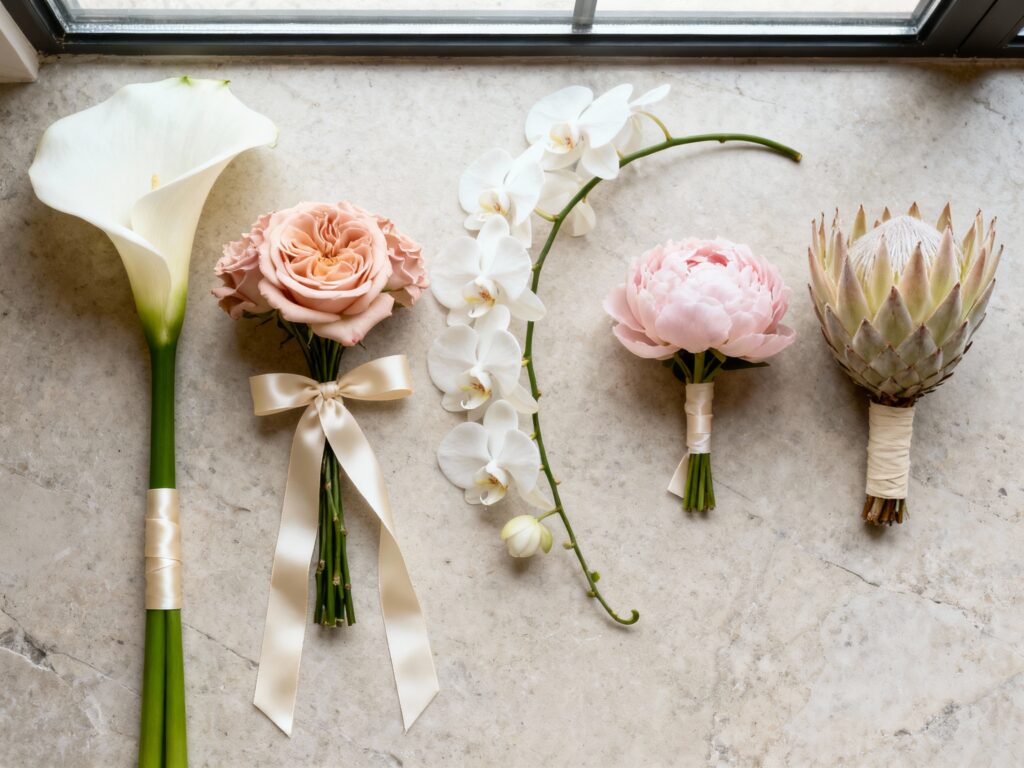
Single-flower bouquets are having a major editorial moment: clean lines, intentional styling, and zero “overdone” vibes. If you love fashion-forward wedding inspo but still want something timeless in photos, a one-bloom bouquet is the move.
Below are five single-flower bouquet ideas that look straight out of a magazine—plus the practical details that make them work on an actual wedding day.
Top 5
1) One Oversized Calla Lily (Minimalist & Modern)
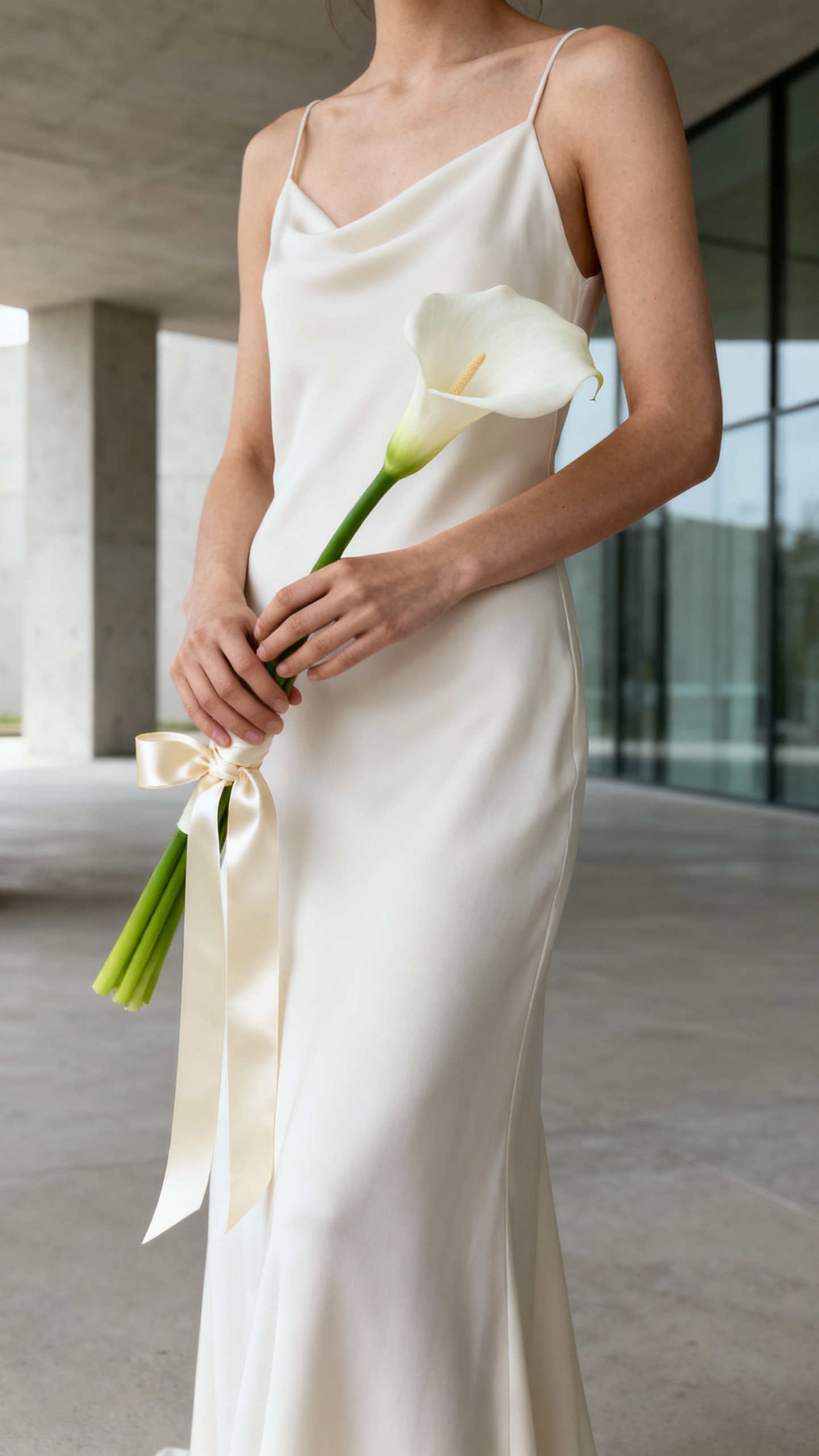
A single long-stem calla lily is the definition of sleek, especially with a clean satin ribbon wrap. It photographs beautifully against modern dresses, simple slip gowns, and architectural venues. Ask your florist for an extra-long stem and a wired support if you’ll be holding it for a while. Bonus: it’s lightweight and won’t block your bodice in portraits.
2) One Garden Rose (Soft, Romantic, “Quiet Luxury”)
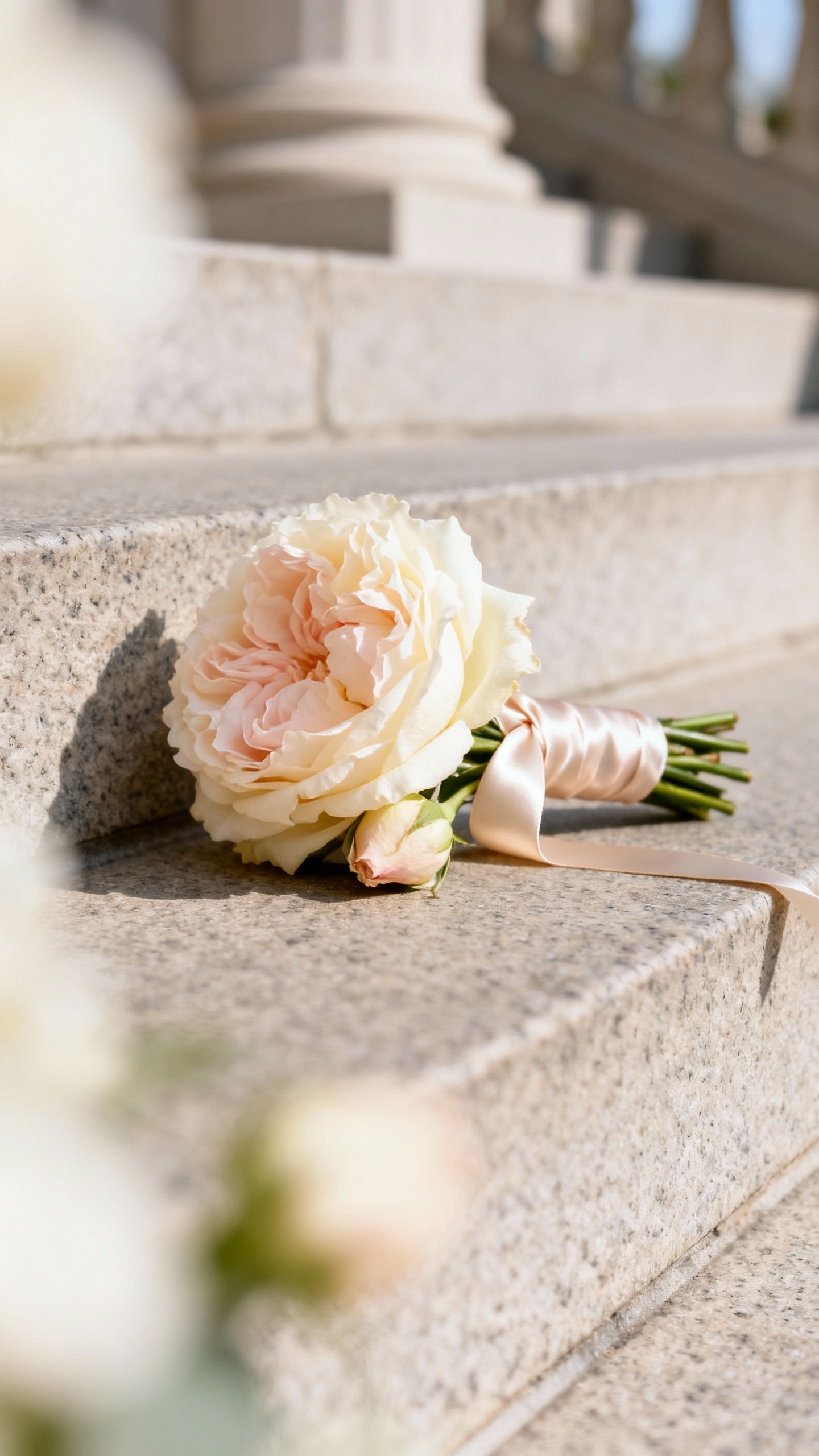
A single garden rose reads delicate and high-end, especially if you choose a variety with ruffly petals and a slightly open bloom. This looks incredible for courthouse weddings, intimate ceremonies, or as a bridal “second look” bouquet. Have your florist condition the rose well (hydration is everything) and add a small water tube hidden in the ribbon for hot-weather days. Choose a shade that matches your lip or nail tone for that intentional, editorial detail.
3) One Orchid Stem (Fashion Girl Energy)
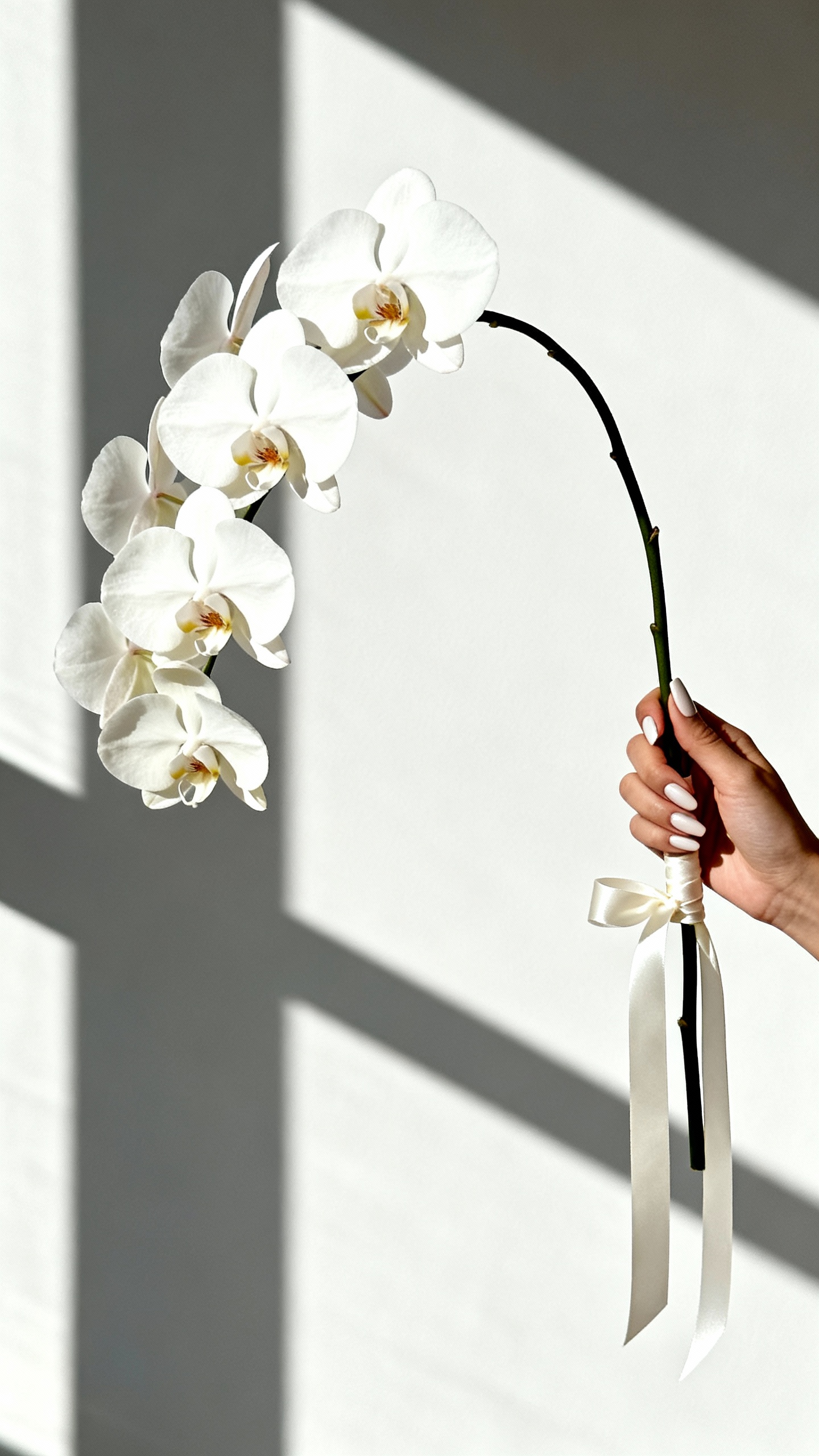
A single orchid stem (like phalaenopsis) gives instant runway vibes—elegant, sculptural, and a little unexpected. The key is choosing a stem with a graceful curve and enough blooms so it feels styled, not sparse. Orchids are also great if you want something that looks luxe but doesn’t feel “traditional bouquet.” Pair with a long trailing ribbon for movement in photos and ceremony video.
4) One Peony (Statement, Seasonal, Photo-Ready)
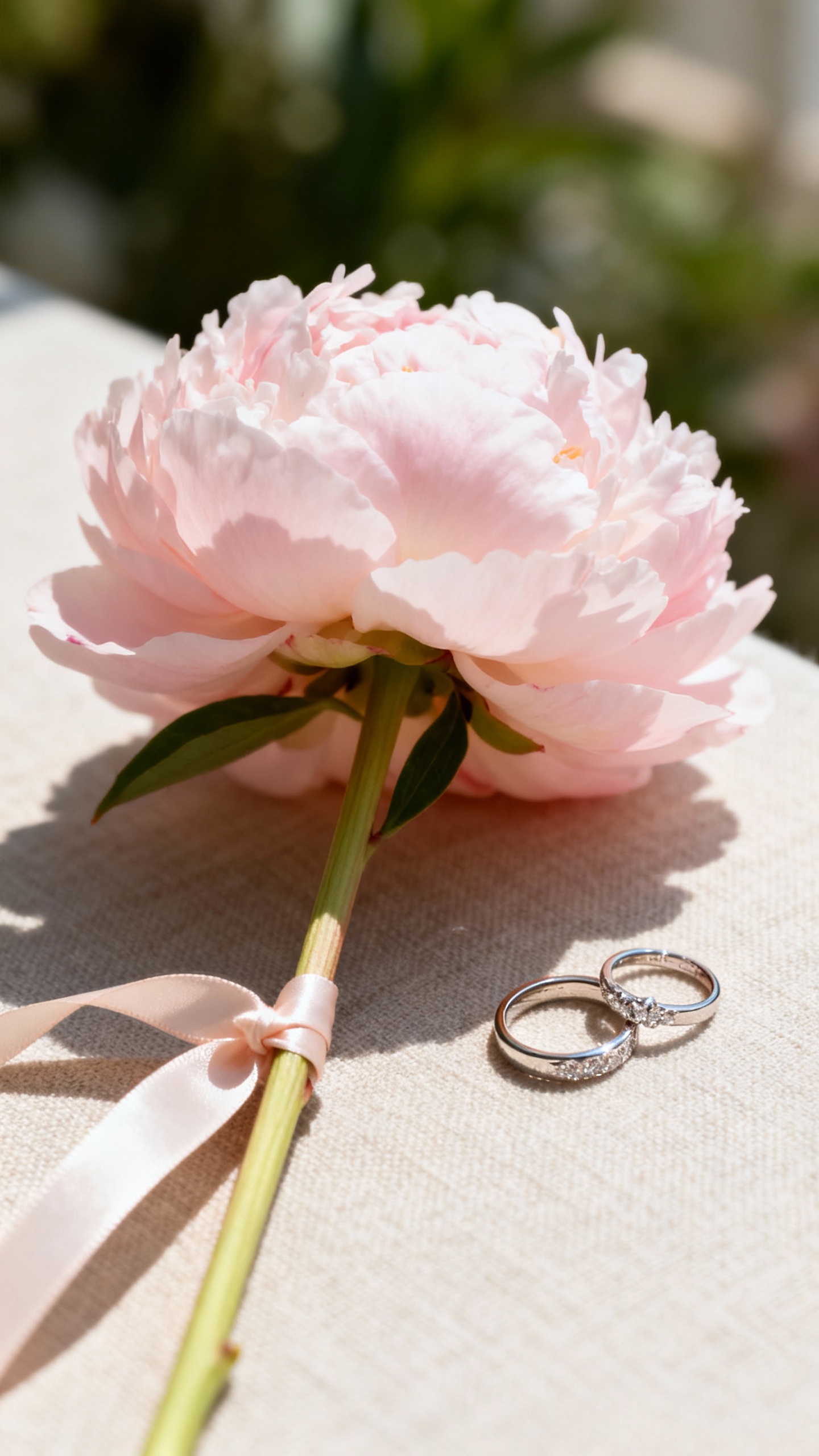
A single peony is a full-on moment: big, fluffy, and naturally dramatic without needing any filler. It’s ideal for spring weddings and looks stunning in close-up detail shots with rings, vows, and your manicure. The main tip: peonies can be delicate, so ask for a slightly more closed bloom if you need it to last from ceremony to reception. Keep it cool and out of direct sun as much as possible to avoid petal bruising.
5) One Protea (Bold Editorial + Destination-Ready)
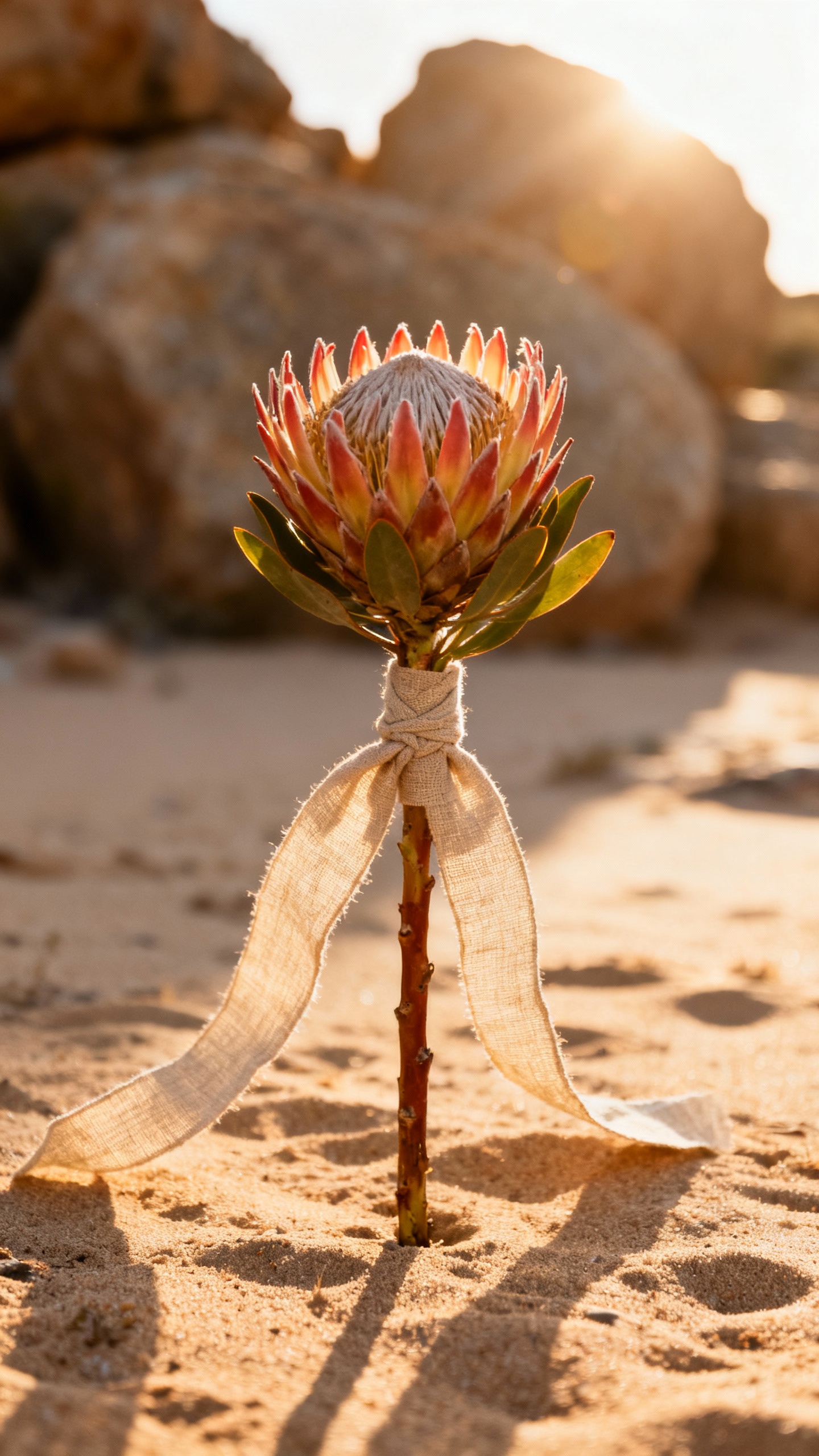
If you want modern editorial with a bit of edge, a single king protea is iconic. It’s structured, graphic, and holds up well—great for outdoor ceremonies, desert venues, or destination weddings where you need something hardy. Keep the wrap clean (think linen or matte satin) so the flower stays the star. Protea also pairs beautifully with minimalist gowns and sleek hair for that “styled shoot” finish.
FAQ
Is a single-flower bouquet too “small” for a wedding?
Not if it’s styled intentionally. Choose a bloom with presence (calla lily, peony, protea) and add a long ribbon tail so it reads as a design choice, not an afterthought. It also photographs more editorial when your bouquet isn’t covering your dress.
How do I make a one-bloom bouquet look expensive in photos?
Go for premium varieties and clean finishing: a smooth ribbon wrap, tidy stems, and no visible tape. Ask your florist to condition the bloom properly and pick the best stem shape. A slightly longer stem and a longer ribbon instantly elevate the look.
What’s the best ribbon for an editorial single-flower bouquet?
Matte satin, silk, or soft linen are the most photo-friendly. Keep the ribbon wide enough to feel intentional (around 1–2 inches) and consider long tails for movement. Avoid overly shiny ribbon if you want that high-fashion, soft-light look.
Will a single flower last through the whole wedding day?
It depends on the flower and weather. Ask your florist about durability and request a hidden water tube if needed (especially for roses and peonies). Keep it in a cool place between photos and ceremony, and have a backup stem on hand for peace of mind.
Can bridesmaids carry single-flower bouquets too?
Yes, and it looks incredibly cohesive. Give each bridesmaid the same bloom for a clean lineup, or keep the flower type the same and vary colors within your palette. It’s also a budget-friendly way to get an editorial look without big arrangements.