

Wedding insurance is one of those “adulting” decisions that feels boring until it saves your entire weekend. And because claims can get denied for tiny technical reasons, it’s worth knowing what not to do before you click “purchase.”
Here are the five most common wedding insurance mistakes couples make, plus exactly how to avoid them—so your dreamy details (and your deposit money) stay protected.
Top 5
1) Buying Coverage Too Late
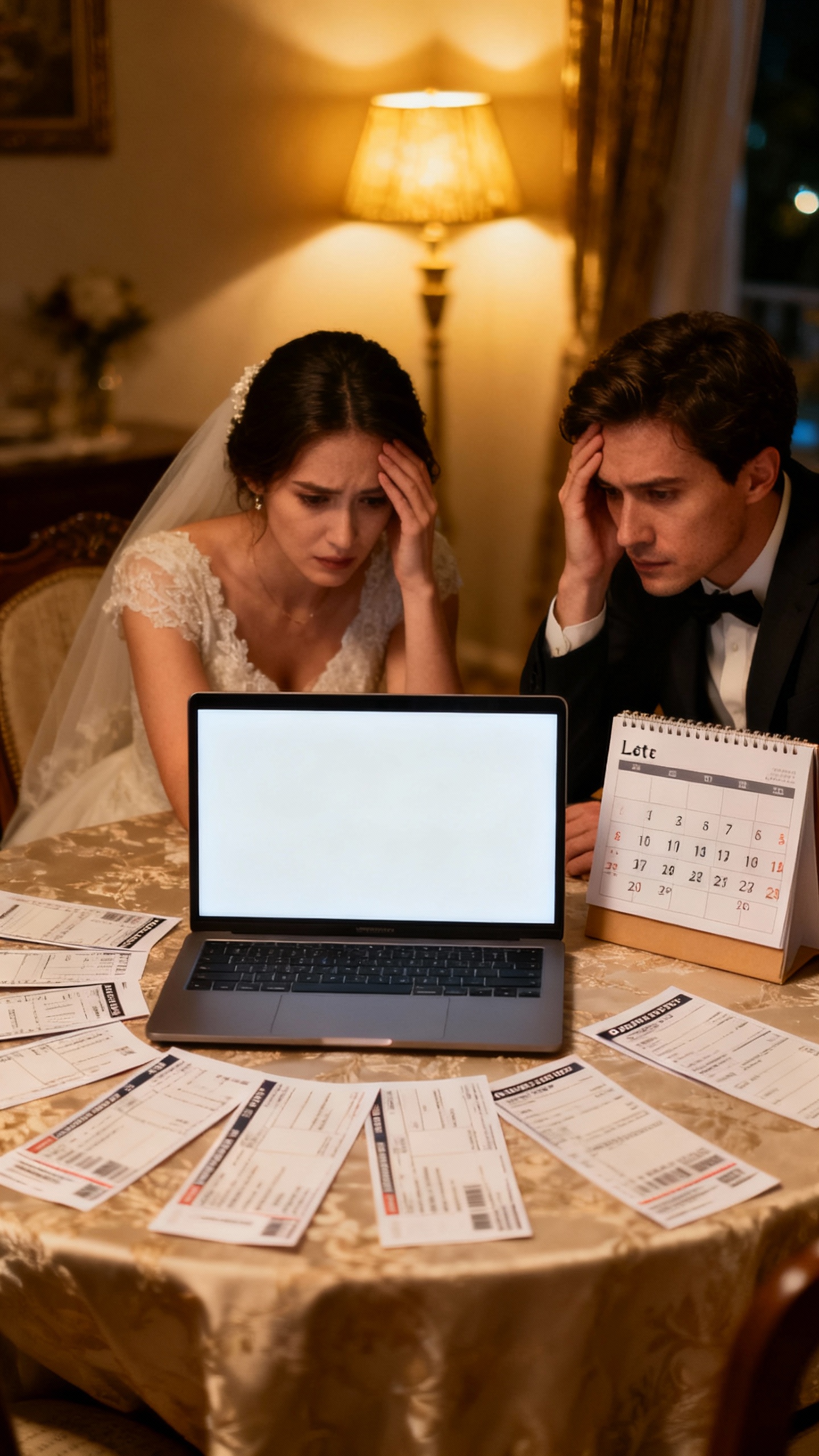
Many couples wait until invitations go out or the week-of, but some protections only apply if you buy the policy soon after you start making deposits. If a vendor goes out of business, a key person gets sick, or extreme weather becomes “known,” a late policy might not help. Buy as soon as you’ve signed your venue contract or paid your first big deposit, then update coverage as you book more vendors.
2) Guessing the Total Wedding Cost (Instead of Documenting It)

Underinsuring is a classic way to get stuck: if your coverage limit doesn’t match your actual spend, reimbursement can fall short even if the claim is valid. Couples also forget to include tips, beauty services, attire alterations, rentals, and day-of stationery (those “little” things add up fast). Keep a simple spreadsheet with totals and upload receipts/invoices to one folder so your numbers are accurate and easy to prove.
3) Not Reading the Exclusions (Especially Weather + “Known Events”)

This is where denials happen, because not every storm, heatwave, or venue issue counts as “covered.” Some policies require specific triggers (like the venue being inaccessible due to a named peril), and many won’t cover situations that were already likely or announced when you bought the policy. Before purchasing, scan for exclusions about weather, communicable disease, power outages, and vendor no-shows so your expectations match reality.
4) Skipping Liability Insurance Because the Venue “Has It”

Venue insurance and wedding liability insurance are not the same thing, and relying on the venue’s coverage can leave gaps. If someone gets hurt on the dance floor, a candle tips, or your DIY bar setup causes a problem, you want your own policy designed for your event. Double-check your venue contract for required liability limits and whether they need to be listed as “additional insured” on your certificate.
5) Forgetting to Meet the Policy Requirements (Certificates, Timelines, and Proof)

Even with the right coverage, a claim can be denied if you miss a requirement—like not getting a certificate of insurance to the venue by the deadline or failing to document what happened. Take photos, keep emails/texts with vendors, and write a quick timeline while details are fresh. If something goes wrong, report it promptly and submit exactly what the insurer asks for (receipts, contracts, cancellation notices), not just a summary.
FAQ
Do I need wedding insurance if my wedding is small or backyard?
Yes, small weddings can still have big costs (rentals, catering, photography) and the same risk of accidents or weather issues. Backyard setups often benefit from liability coverage, especially if you’re renting tents, bringing in alcohol, or hosting on private property. It’s a simple way to protect your budget and your host.
Will wedding insurance cover a vendor who cancels last-minute?
Sometimes, but it depends on the reason and the policy details. Some plans cover vendor failure (like bankruptcy) more clearly than a vendor simply backing out, and you may need proof that you tried to find a replacement. Keep contracts and written cancellation notices to support the claim.
Does wedding insurance cover my dress, rings, or décor?
Not always automatically, and coverage can be limited. Some policies include personal property protection or offer it as an add-on for attire, gifts, and certain rentals. If your wedding aesthetic includes expensive florals, specialty linens, or custom signage, confirm what’s covered while items are in transit, on-site, and after the reception ends.
What’s the difference between cancellation/postponement and liability insurance?
Cancellation/postponement helps reimburse eligible costs if you must cancel or move your date for a covered reason. Liability helps if someone is injured or property is damaged and you’re held responsible. Many couples get both: one protects your budget, the other protects you from “what if” situations during the event.
How can I make sure my claim isn’t denied?
Buy early, match your coverage limit to your real budget, and read exclusions before you purchase. Keep every contract, invoice, and payment confirmation in one place, and meet venue requirements (like providing a certificate of insurance on time). If something happens, document it clearly and submit the claim promptly with the exact proof requested.