
A wedding planning checklist is basically your calm-in-the-chaos bestie: it keeps the big stuff moving and the little stuff from sneaking up on you at 11:47 p.m. the week before the wedding. The goal isn’t “perfect,” it’s “prepared” (with enough breathing room to actually enjoy being engaged).
These five checklist tips are the ones that help you stay stress-free while still getting the vibe, the timeline, and the details to land exactly how you want.
Top 5
1) Build Your Checklist Backwards From the Wedding Date
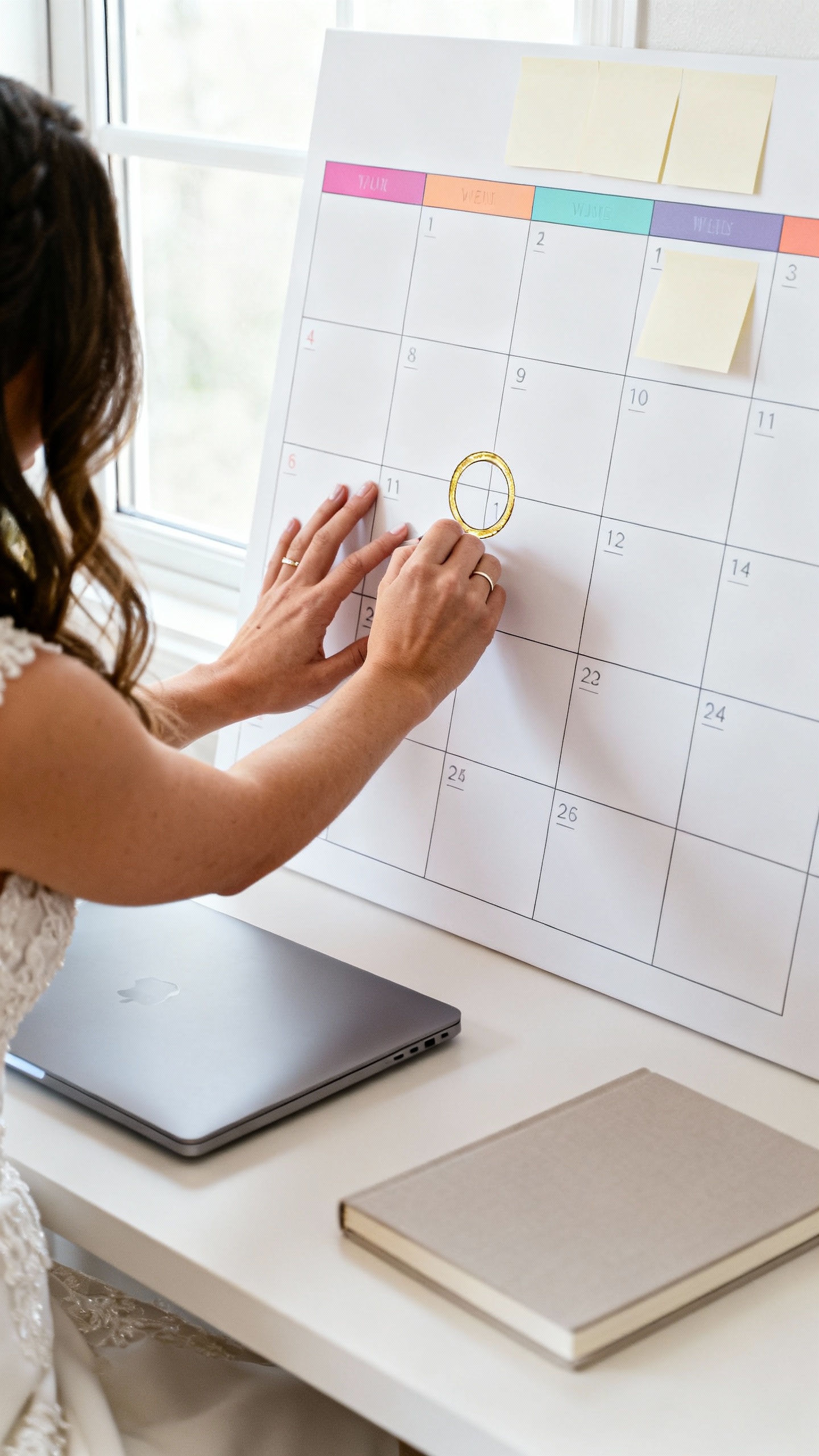
Start with your wedding date and work backward in chunks: 12+ months, 9 months, 6 months, 3 months, 1 month, and wedding week. Put vendor booking deadlines first (venue, photographer, planner), then layer in design details (florals, rentals, signage). This keeps your checklist from becoming a random to-do pile and turns it into a timeline you can actually trust.
2) Choose a “Top 3” Focus for Each Month
Your checklist can be long, but your brain deserves a shortlist. At the beginning of each month, pick the three tasks that will move everything forward the most (like “book caterer,” “finalize guest list,” “order invitations”). Everything else becomes a bonus, not a stress spiral, and you’ll feel progress fast.
3) Assign Owners: You, Partner, Planner, or VIP Helper

If a task doesn’t have an owner, it’s basically a floating anxiety cloud. Next to every checklist item, assign who’s responsible and add a due date (even if it’s flexible). This is especially helpful for tasks like hotel blocks, marriage license research, and day-of emergency kits—things that matter but are easy to procrastinate.
4) Add “Aesthetic Checkpoints” So the Look Stays Cohesive
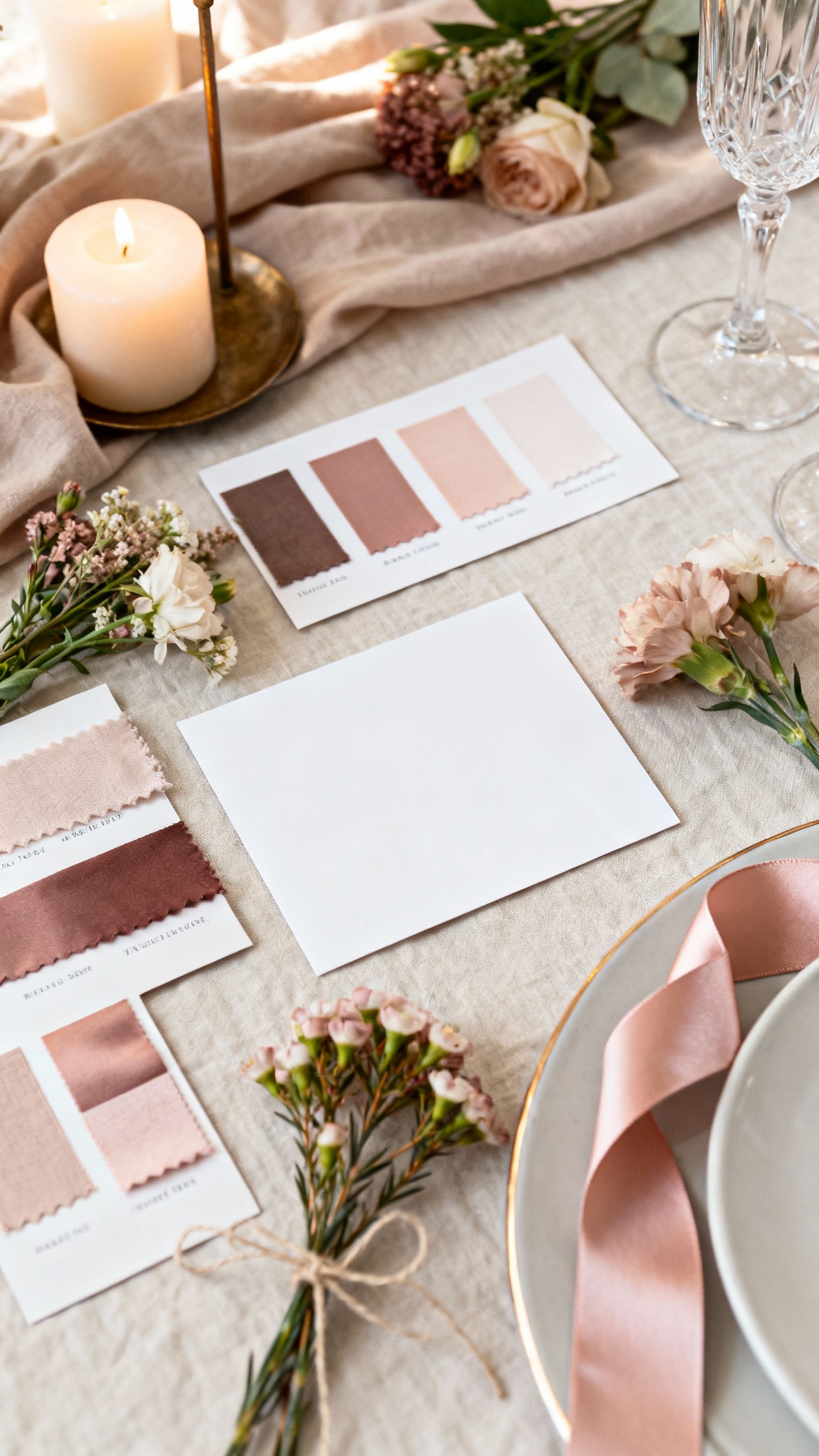
Stress happens when you’re making design choices in a rush—so schedule intentional moments to review your vibe. Add checkpoints like “confirm color palette,” “finalize stationery suite,” and “signage + fonts pass” before anything goes to print or gets ordered. Keeping a small mood board (even just a Pinterest section) tied to your checklist helps every detail feel like it belongs together.
5) Protect Your Final Two Weeks With a Buffer Plan
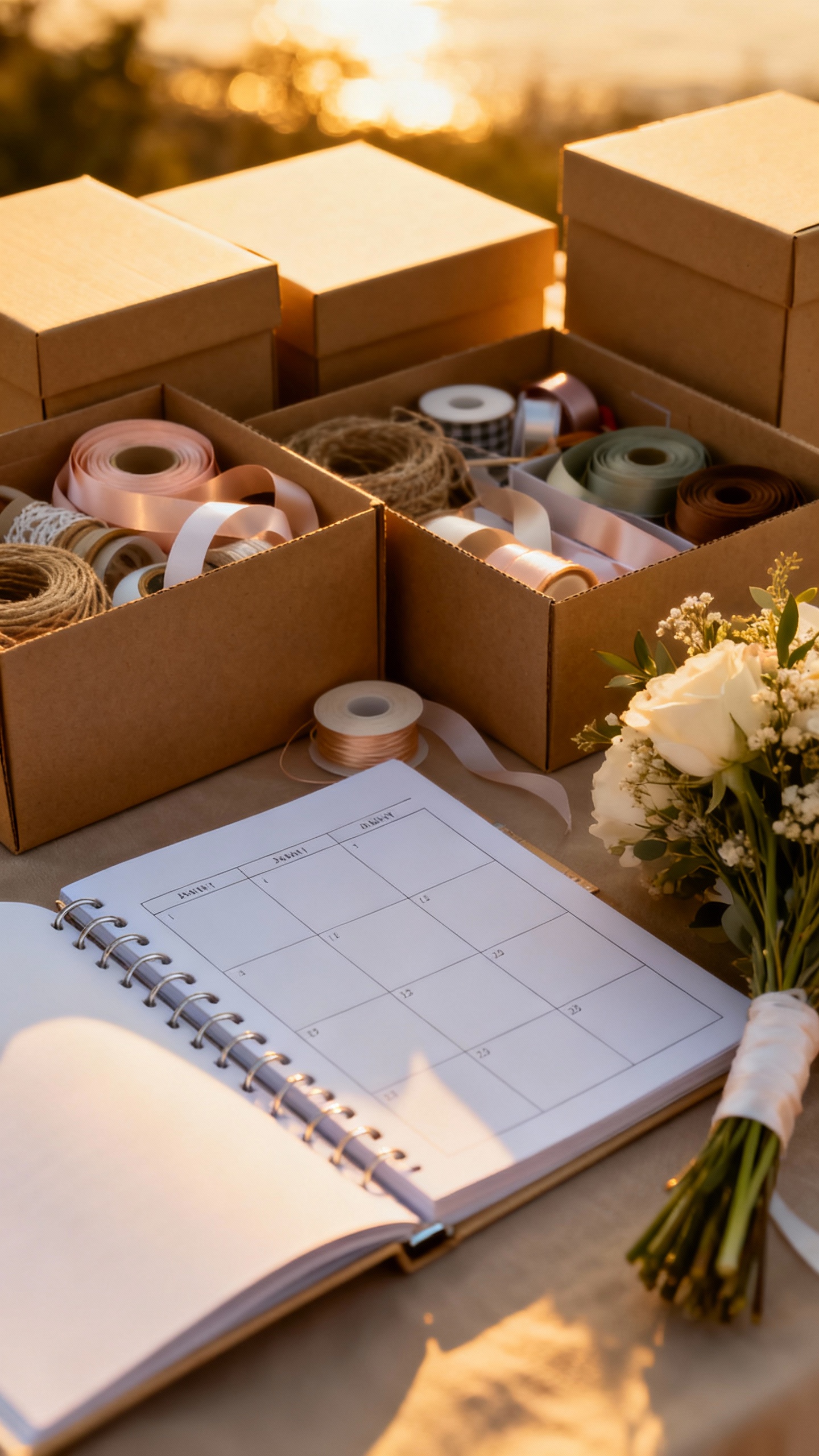
The last two weeks should be about confirming, not creating. On your checklist, move all DIYs, ordering, and “maybe we should” projects to end at least 14 days before the wedding. Then list only final confirmations: vendor timeline, seating chart, final payments, and packing items for the getting-ready space—future you will feel so supported.
FAQ
When should I start a wedding planning checklist?
As soon as you have a date (or even a target season), start a simple checklist with your top priorities: venue, budget, and guest count range. Early checklists prevent rushed vendor decisions later, especially for photographers, planners, and popular venues.
What should be on a wedding checklist first?
Start with the big structure pieces: budget, guest list estimate, venue, and your top vendors (planner/coordinator, photographer, caterer). Once those are secured, your checklist can flow into design choices like florals, rentals, and stationery without feeling chaotic.
How do I keep my wedding aesthetic consistent while planning?
Pick a clear “style sentence” (example: “romantic garden party with modern neutrals”) and keep it at the top of your checklist doc. Use aesthetic checkpoints before ordering or printing anything, and save 10–20 reference photos that reflect your exact vibe for easy decision-making.
How detailed should my wedding checklist be?
Detailed enough that nothing relies on memory, but not so intense it’s overwhelming. A good sweet spot is: each task has a due date, an owner, and any key notes (like links, sizing, quantities, or vendor contact info). If it’s a multi-step project, break it into smaller checklist items.
What’s the best way to avoid last-minute wedding stress?
Front-load decisions and give yourself buffers: set a two-week “no new projects” rule, finalize design choices early, and schedule confirmations in the final week. Also, keep one master checklist (not five scattered ones) so you always know what’s next and what’s done.