
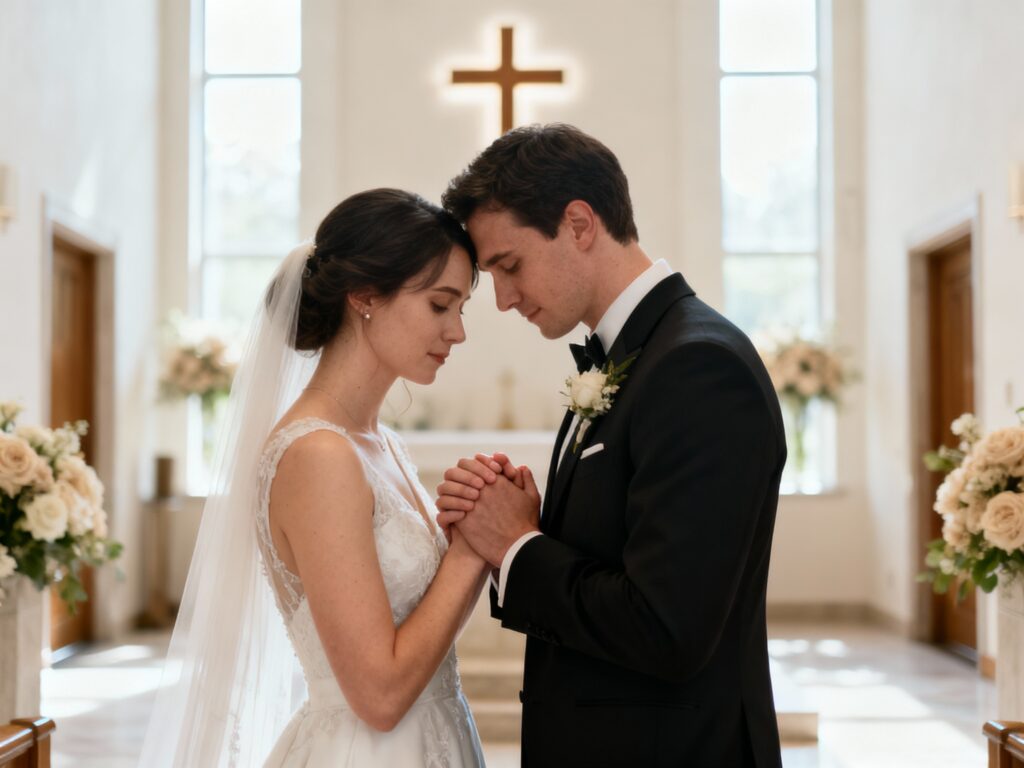
Planning a Christian wedding is such a sweet mix of “let’s make it gorgeous” and “let’s make it meaningful.” The checklist can get long fast, but your premarital prep doesn’t have to feel heavy or complicated.
These five tips keep faith at the center while still helping you plan a day that looks intentional, feels calm, and sets you up for a strong start.
Top 5
1) Book Premarital Counseling Early (and Put It on the Calendar)

Schedule premarital counseling as soon as you have a wedding month—seriously, early spots go fast. Pick a counselor/pastor you both trust, then block recurring sessions like you would any vendor meeting. Bring a shared note doc for takeaways and action items so it doesn’t become “nice talks” with no follow-through. Bonus: this also helps you feel spiritually grounded when planning stress pops up.
2) Build a Ceremony Outline That Matches Your Values (Not Just a Template)
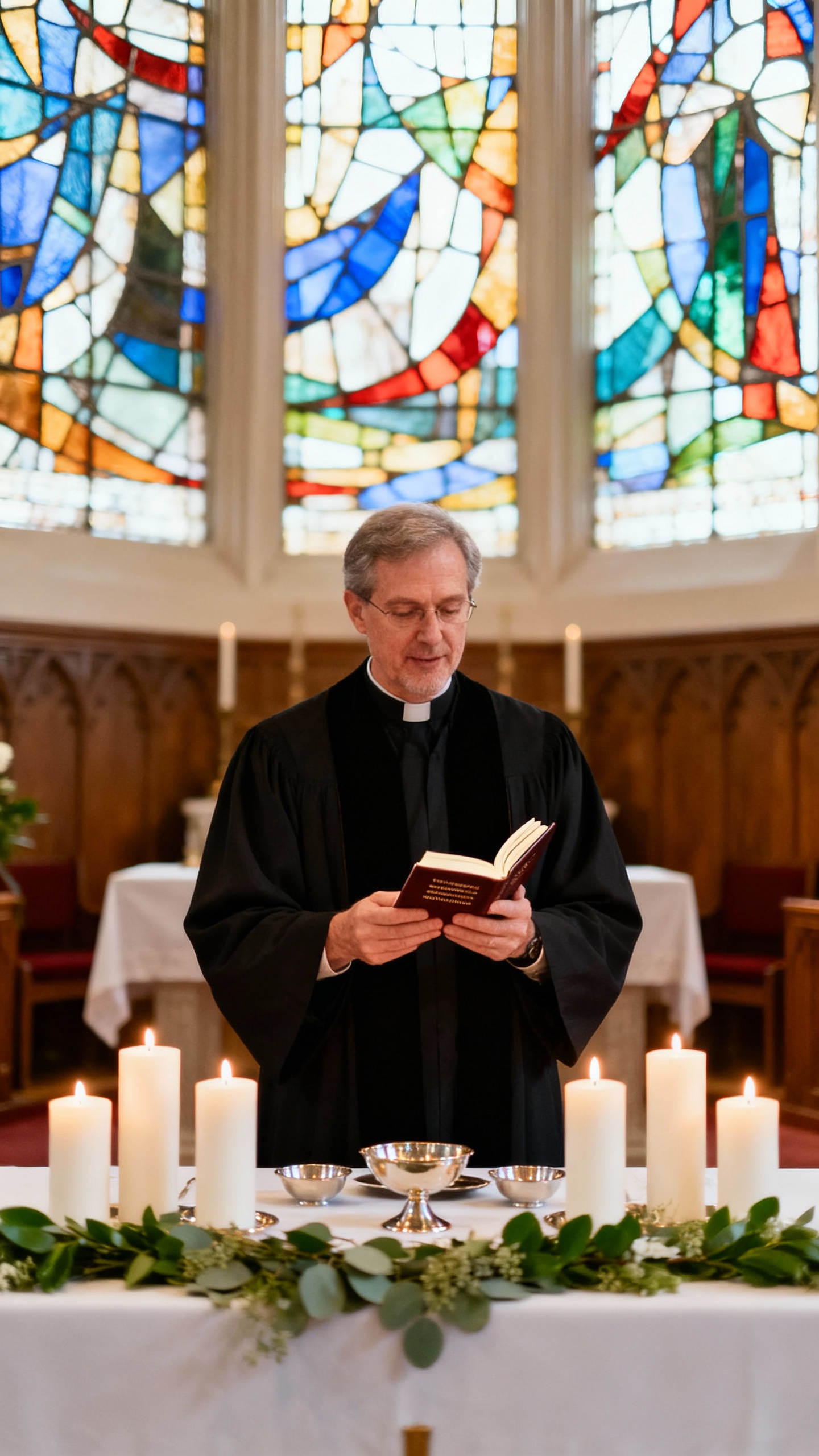
Ask your officiant for a ceremony flow, then personalize it around the parts that matter most: scripture, prayer, communion, unity candle, or a worship moment. Keep the guest experience in mind—clear cues, simple programs, and a timeline that feels unrushed. When your ceremony has intention, your decor choices get easier too (think: altar florals, aisle moments, and a clean, classic backdrop that photographs beautifully).
3) Choose 1–2 Scriptures and a “Theme” to Guide Your Aesthetic

Pick verses that feel like your relationship and use them as your planning compass. Your theme can be one word (covenant, joy, steadfast, grace) or a vibe (garden, classic cathedral, minimal modern). This helps you make cohesive decisions on invitations, signage, and color palette without overthinking every option. It also gives you meaningful copy for your programs, vows intro, and reception details.
4) Talk Through the Big Three: Money, Family Boundaries, and Sunday Life

Set a “premarital prep date” to talk budget goals, giving, debt, and spending styles—then write it down like a mini plan. Next, discuss family expectations (holidays, in-law dynamics, and how you’ll handle opinions during wedding planning). Finally, chat about church rhythms: serving, small group, and how Sundays will look as a married couple. These talks can save you from last-minute wedding tension and help you plan with unity.
5) Create a Prayer Plan for Engagement Season (Yes, Like a Checklist)

Make prayer practical: choose a weekly moment to pray together and a short list of topics (patience, communication, purity, finances, wedding-day peace). Invite one trusted mentor couple or friend to pray for you consistently, especially in the final month. If you like keepsakes, write a short prayer and tuck it into your vow book or detail box for photos. It’s a simple habit that makes the whole season feel more centered.
FAQ
How far in advance should we start premarital counseling?
Ideally 6–9 months before the wedding, especially if your church requires a certain number of sessions. Starting early gives you space to process topics without feeling rushed, and it keeps your planning season calmer. If you’re closer than that, book what you can and ask your officiant for a condensed plan.
What are simple Christian wedding details that look elegant but still feel faith-forward?
Try one meaningful focal point instead of lots of small statements: a scripture line on the ceremony program, a tasteful welcome sign with your theme verse, or a printed prayer card at place settings. Soft calligraphy, classic fonts, and neutral paper textures make it feel elevated. You can also incorporate a subtle cross motif in florals, ceremony backdrop styling, or heirloom jewelry.
Do we need to include scripture in our invitations or signage?
No—your wedding can be clearly Christian without printing verses everywhere. If you love the look, a short reference (like “1 Corinthians 13”) is clean and minimal. If you prefer a more modern aesthetic, keep scripture for the ceremony program, your officiant’s words, or a private letter exchange.
How can we keep our ceremony meaningful without making it too long?
Work with your officiant to build a tight flow: processional, welcome/prayer, a short scripture and message, vows, rings, pronouncement, and recessional. Choose one “extra” element (communion or a worship song) instead of stacking multiple traditions. Clear transitions and a confident timeline make it feel intentional, not lengthy.
What’s a good approach if our families have different church backgrounds?
Go for clarity and warmth: explain any traditions briefly in the program, and keep language welcoming for guests who are less familiar. Focus on shared values—love, commitment, community—while still honoring your convictions. A classic, well-paced ceremony with thoughtful music and beautiful visuals tends to feel inclusive and reverent at the same time.