
You’ve done the big-picture math: venue, catering, photographer, dress. Love that for you. But wedding budgets have a sneaky little habit of growing in the margins—especially when you’re trying to keep everything looking cohesive and elevated.
Here are the hidden costs couples forget most often (and how to plan for them) so your budget feels calm, not chaotic.
Top 5
1) Gratuities + Service Charges You Didn’t Realize Weren’t Included

Many quotes don’t include tips for the people actually running your day: catering staff, bartenders, hair and makeup, delivery teams, and even your coordinator. On top of that, some venues add service fees or administrative charges that aren’t “tips” but still increase the final total. Ask every vendor what’s included, what’s optional, and what’s customary—then build a simple gratuity line item. Even a small buffer here can save you from a last-minute scramble for cash envelopes.
2) Beauty Prep + Morning-Of Extras (Beyond the Trial)

Your hair and makeup quote may cover the wedding day look, but not everything around it: extra touch-up kits, early start fees, travel, or an assistant artist for a large group. Then there’s the “getting-ready aesthetic” budget—matching robes, slippers, steamers, and cute hangers add up fast. If you want that Pinterest-ready suite photo vibe, decide what’s truly worth it and what you can skip. A great rule: spend on what shows up in photos or reduces stress.
3) Stationery Add-Ons: Postage, Envelopes, and Day-Of Paper

Invitations are only part of the stationery story; postage (especially for heavier suites), envelope addressing, and last-minute reprints can surprise you. Couples also forget day-of paper goods like welcome signs, seating charts, place cards, menus, bar signage, and thank-you notes. If you’re aiming for a clean, coordinated look, it’s smarter to plan a full “paper package” from the start than to piece it together in panic. Pro tip: weigh a fully assembled invite at the post office early so you know your exact stamp cost.
4) Delivery, Setup, and Breakdown Fees for Rentals and Décor
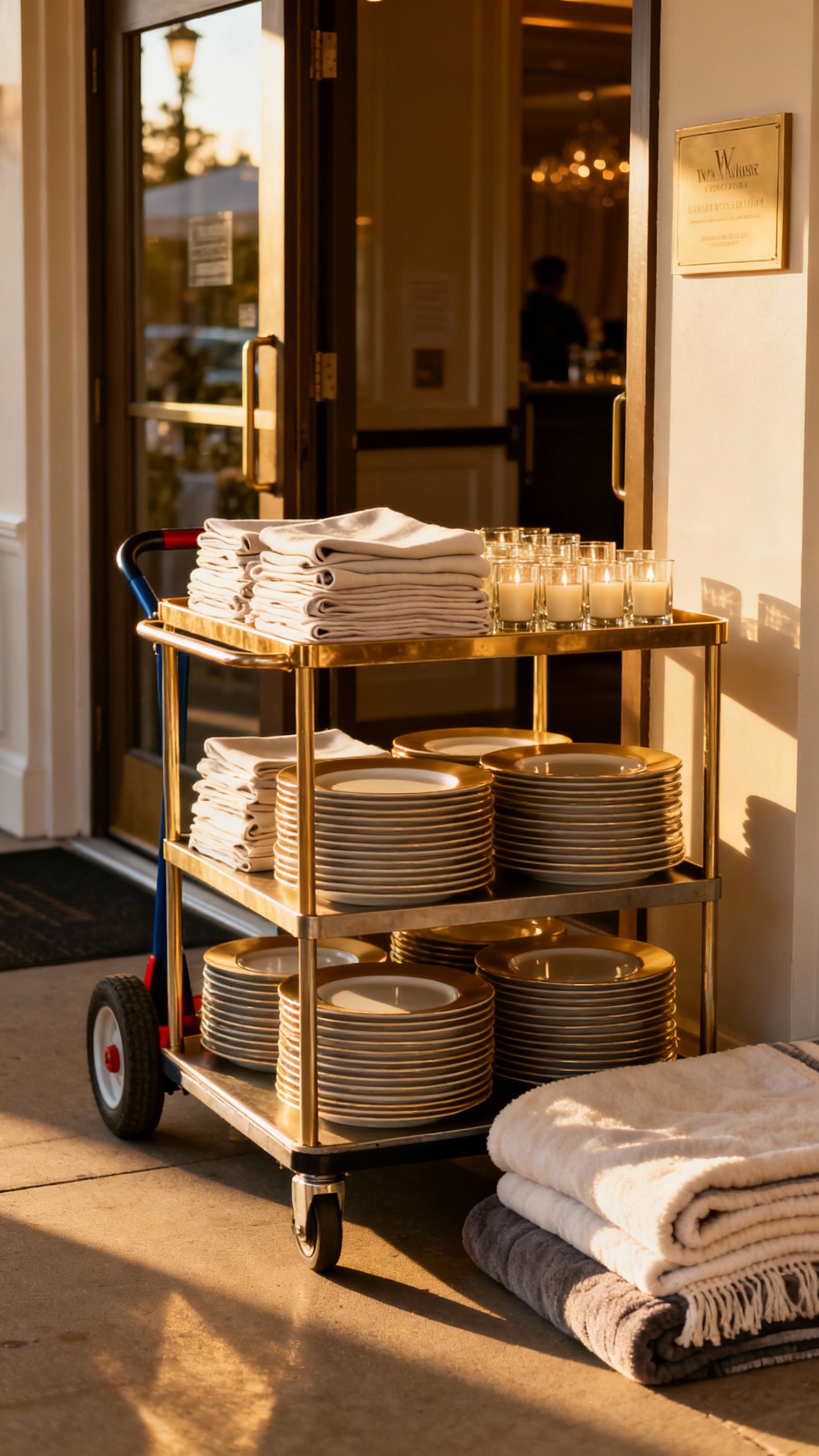
Rentals can look affordable until you add delivery windows, labor, and after-hours pickup—especially if your venue has tight timing. Florals and décor can have similar fees for setup and teardown, plus charges for moving ceremony arrangements to the reception. If you’re dreaming of a ceremony arch, aisle moments, or candle clusters everywhere, ask who is physically placing, lighting, and removing everything. The prettiest designs still need a plan (and a team) to make them happen smoothly.
5) Outfit Alterations + Accessories (For Everyone)
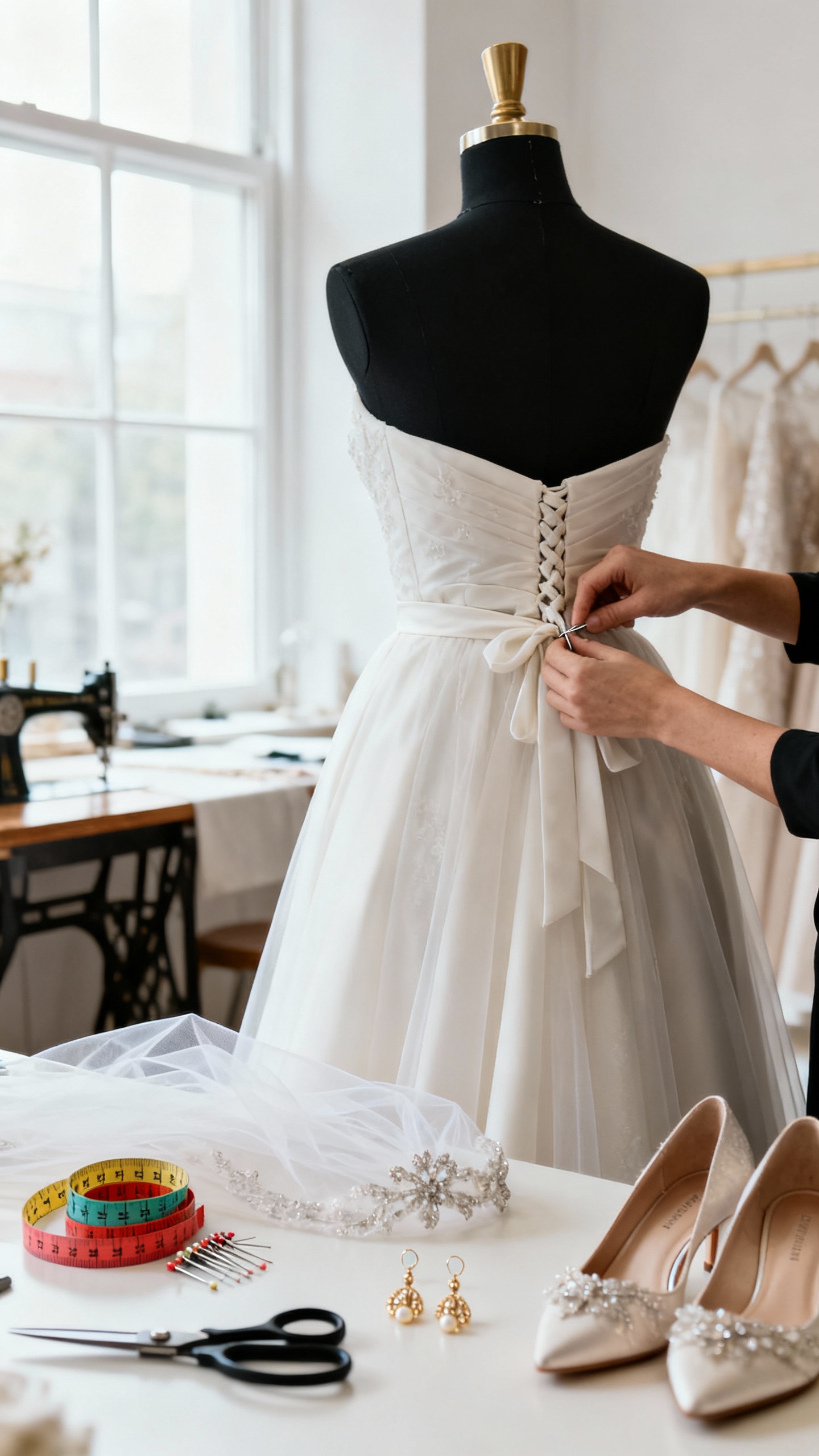
Alterations are the budget line item that sneaks up quietly: hemming, bustle, strap adjustments, tailoring, pressing, and sometimes extra fittings if your timeline changes. Then come the accessories—shoes, jewelry, veil, hairpiece, shapewear, and backup flats for dancing. Don’t forget your partner’s tailoring, shoes, and finishing touches too, plus bridesmaid alterations if you’re covering any part of their look. If you want a polished, editorial feel in photos, tailoring is one of the best “hidden” investments you can make.
FAQ
How much should we add for hidden wedding costs?
A solid cushion is 10–15% of your total budget, especially if you’re using multiple vendors and rentals. If your wedding involves lots of moving parts (transportation, specialty lighting, elaborate florals), lean closer to 15%. Put it in a “buffer” category so it’s intentional, not mysterious.
What’s the easiest way to track surprise fees without getting overwhelmed?
Create a “miscellaneous + fees” section in your spreadsheet and update it every time you get a proposal. Ask vendors to list taxes, service charges, travel, overtime, and staffing separately. Seeing those costs grouped together keeps your main categories clean and your total realistic.
Do we really need day-of signage for a pretty wedding aesthetic?
No—you need the signage that solves a problem (like seating, bar options, or directions). If you love the look, choose one or two statement pieces (like a seating chart or welcome sign) and keep everything else simple and consistent. Minimal can still feel very luxury when fonts, paper tones, and stands match your vibe.
How do we avoid last-minute decor spending?
Lock in your design priorities early: what guests touch, what photos feature, and what sets the mood (lighting is huge). Then set a hard “decor cap” and stop browsing once your plan is set—Pinterest is inspiring, but it can also quietly inflate your cart. If you want flexibility, reserve a small “add-on” amount for final tweaks.
Should we tip vendors if there’s already a service charge?
Service charges don’t always go directly to staff, so ask what it covers. For businesses where the owner provides the service (like a photographer), tips are optional but always appreciated; for hourly staff (like catering teams), gratuities are more standard. The best approach is clarity: ask each vendor what’s customary, then plan it confidently.