
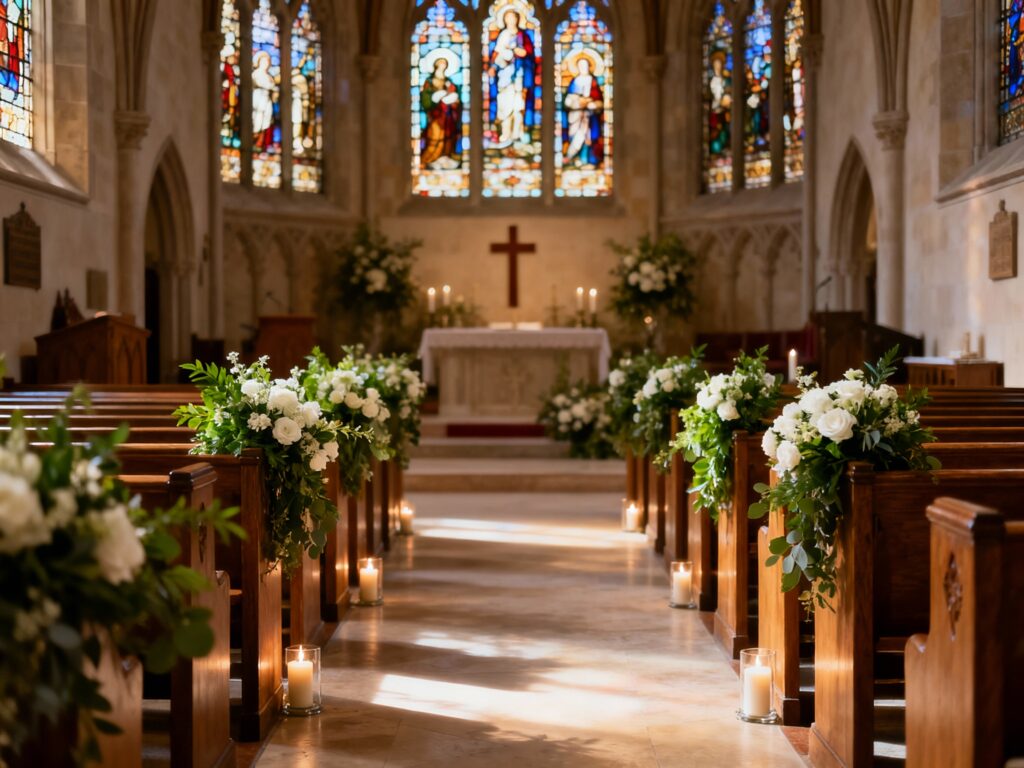
Planning a Christian wedding on a budget doesn’t have to mean “cut everything until it feels generic.” You can keep it sacred, beautiful, and totally you—while still being smart with your spending.
The goal is simple: protect the moments that carry meaning (your vows, worship, prayer, community), then get creative with everything else.
Top 5
1) Choose a Meaningful Venue That’s Already “Wedding-Ready”
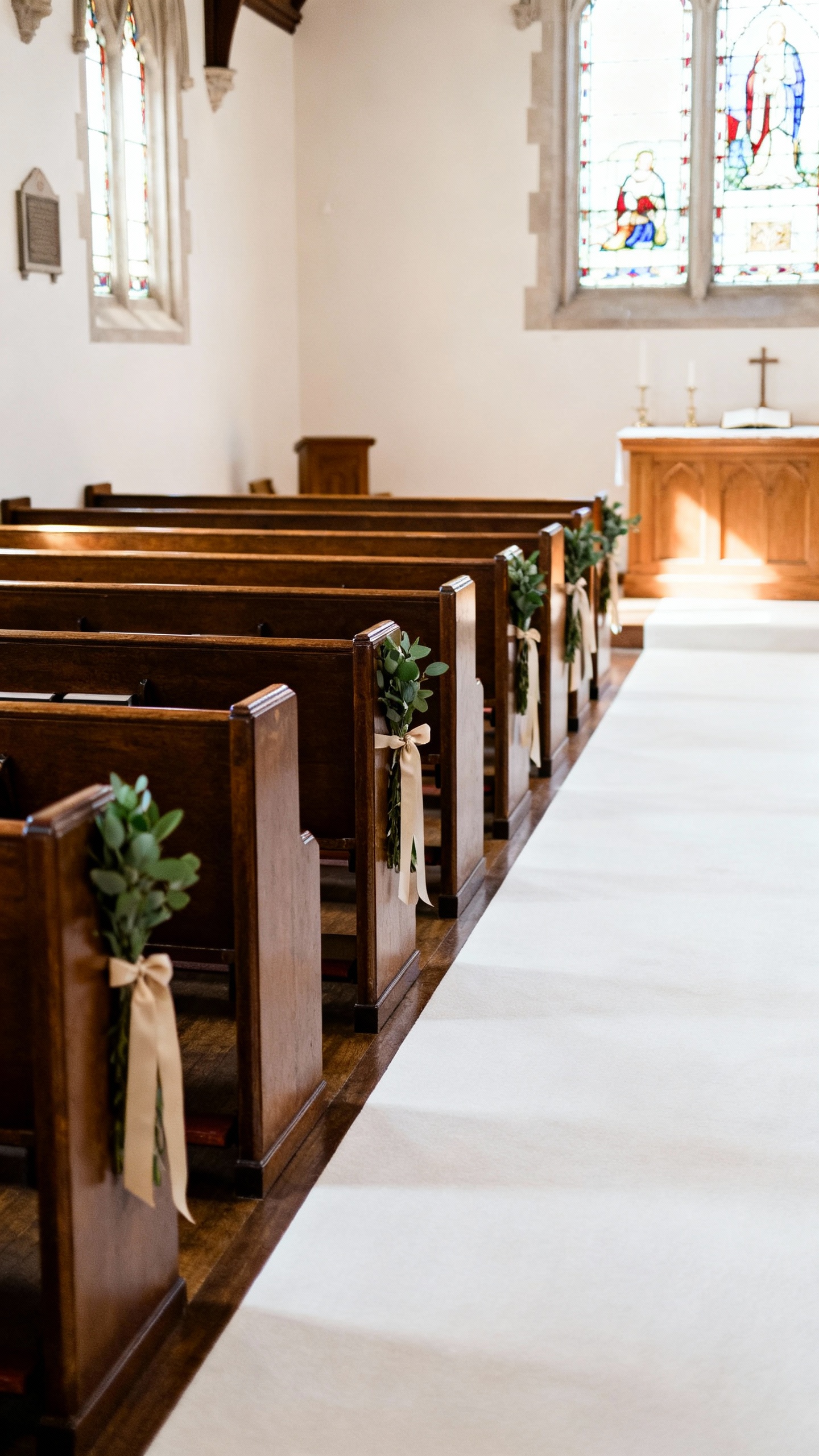
If your church is an option, start there—it’s often the most meaningful and one of the most cost-friendly venues. Look for spaces that already feel beautiful without needing major rentals: stained glass, a natural altar backdrop, or pretty wood pews do a lot of heavy lifting. If your reception needs to be budget-friendly too, ask about the fellowship hall and elevate it with lighting and linens instead of a full room flip.
2) Build the Day Around Worship + Vows (Then Simplify the Rest)
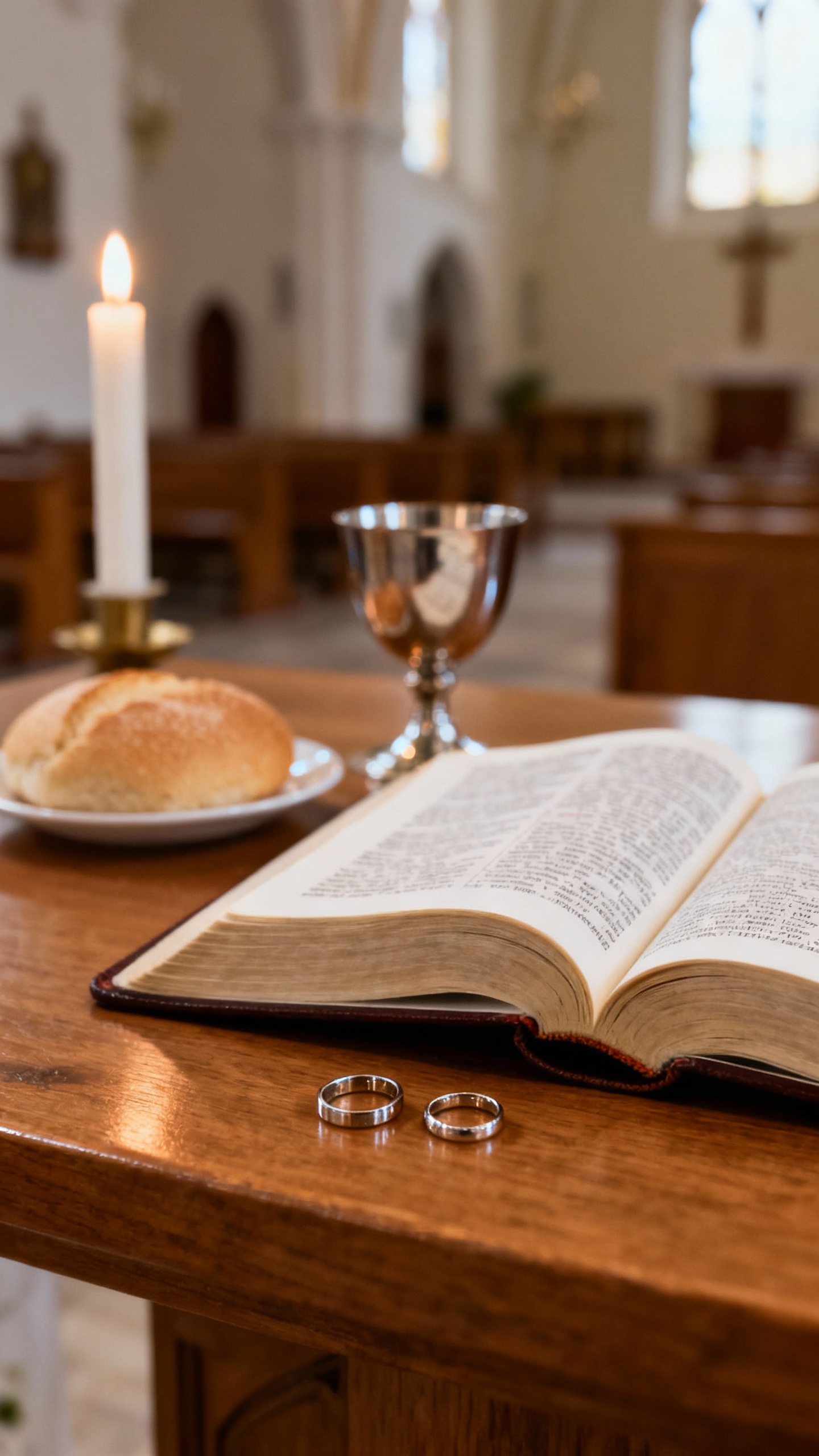
Make your ceremony the main event: a worship song, Scripture reading, communion, or a prayer of blessing can be deeply personal and costs nothing extra. If you’re trying to save, keep the reception timeline shorter and more intentional—think cake-and-punch, brunch, or an early dinner instead of a long late-night party. Guests remember how it felt, not whether you had five courses.
3) Let Your Community Help (In a Way That Still Feels Elevated)
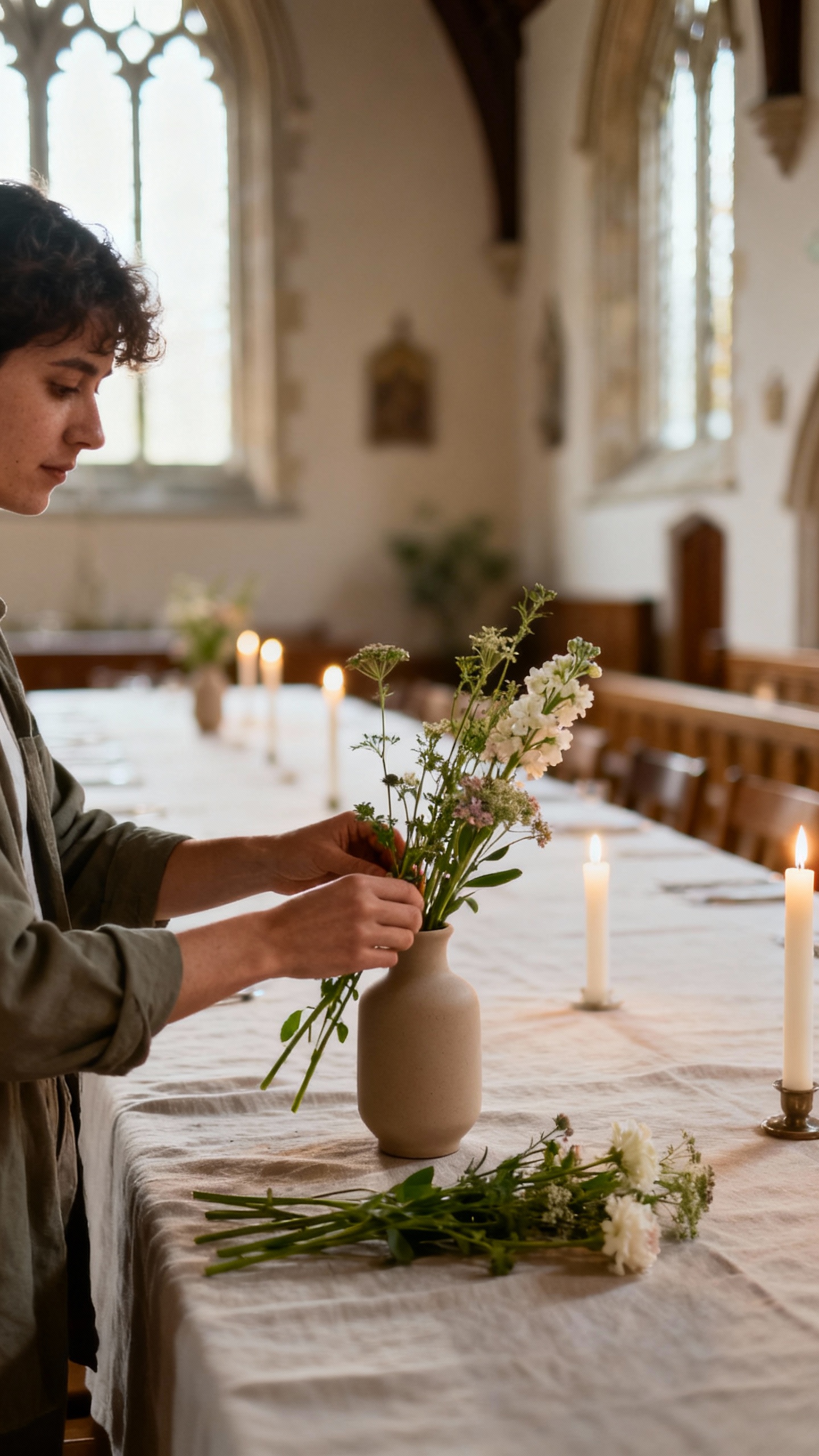
Christian weddings have a special superpower: community. Invite friends and family to serve in ways that match their gifts—music, flowers from a garden, calligraphy, setting up chairs, or coordinating a dessert table. Keep it organized by assigning one point person per area (music lead, décor lead, food lead) so it doesn’t turn into chaos on wedding week.
4) Focus Your Budget on 2–3 “Anchor” Aesthetic Choices
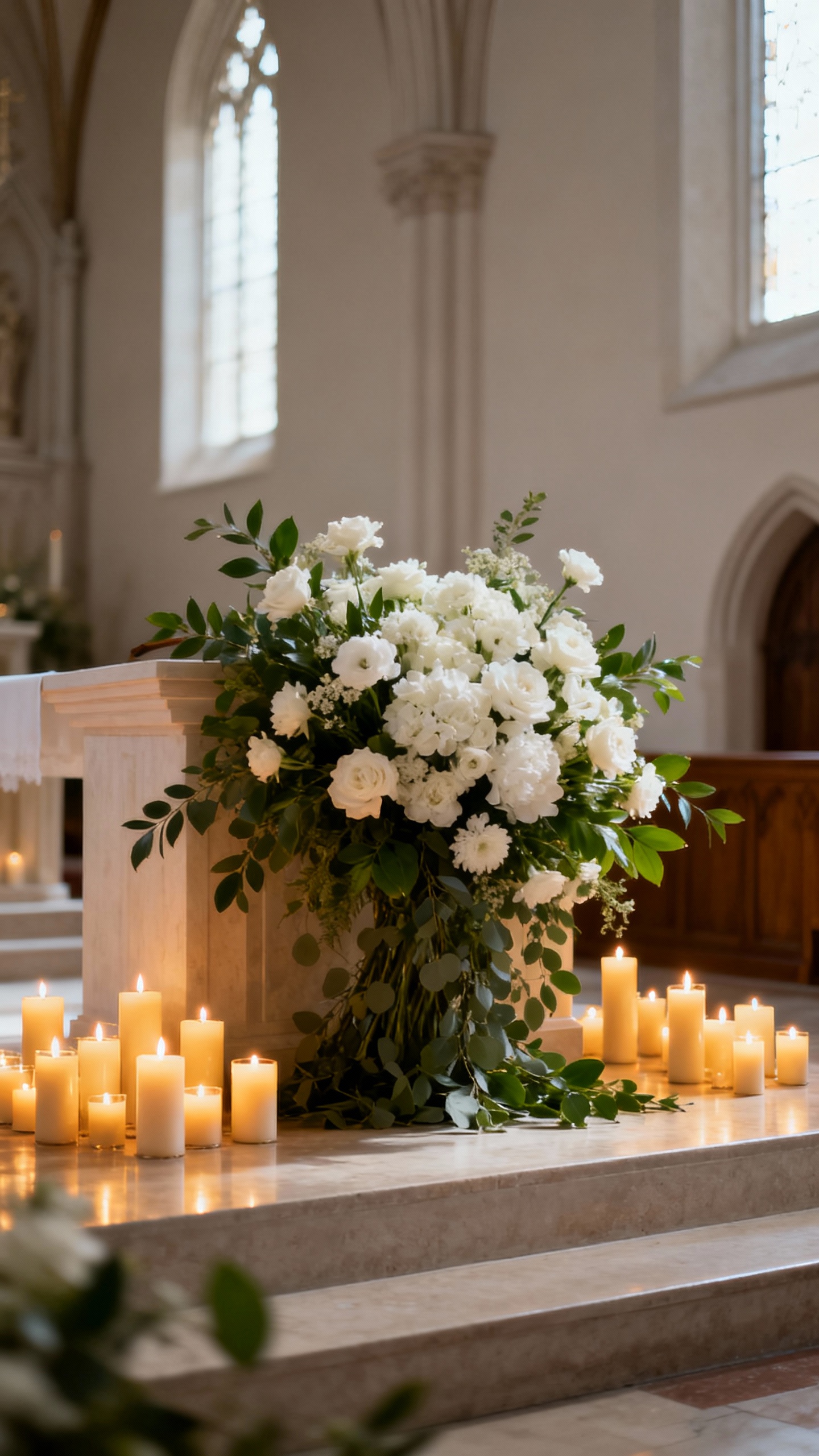
Pick a few visual anchors that make everything look cohesive in photos: candles, a consistent color palette, and one statement floral moment (like the altar arrangement or bridal bouquet). Then use budget-friendly fillers everywhere else—greens, baby’s breath, or seasonal blooms. A simple, intentional aesthetic reads “classic and curated,” not “we ran out of money.”
5) Go Minimal on Extras, Maximal on Details That Reflect Your Faith
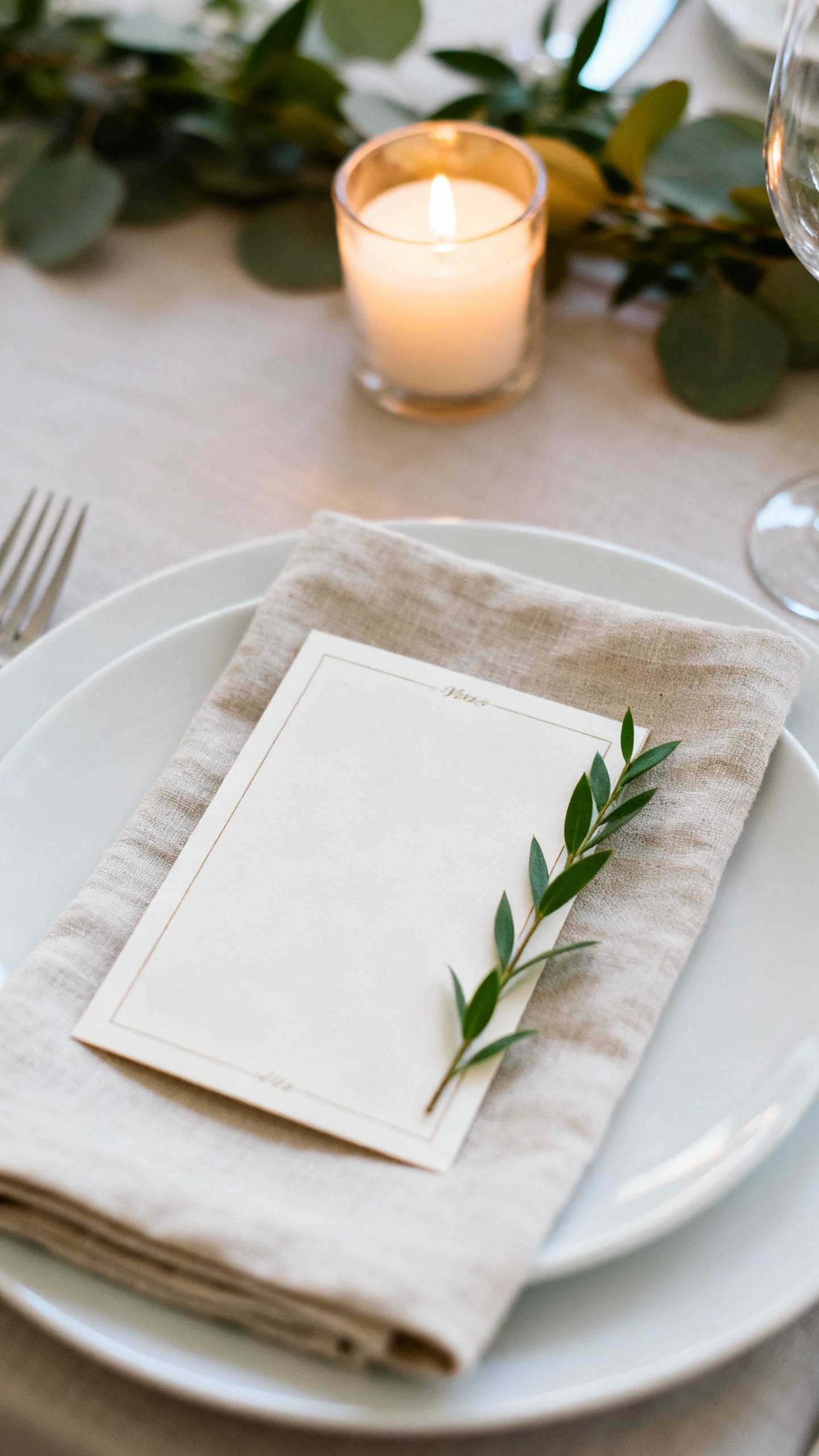
Instead of pricey favors or trendy add-ons, choose details that carry meaning: a printed verse on the program, a thank-you note at each place setting, or a prayer card your guests can take home. Skip anything that doesn’t serve the day (like unnecessary signage or too many rented décor pieces). When faith-forward details are woven in, the wedding feels rich even when the budget is lean.
FAQ
How can I make a church wedding feel modern and stylish?
Keep your design clean and intentional: choose one main color palette, use lots of candlelight, and focus florals where they’ll be photographed most (altar area, aisle entrance, bouquet). Sleek stationery and a simple welcome sign can instantly modernize the vibe without fighting the church’s natural beauty.
What are the best budget-friendly reception options for a Christian wedding?
Brunch receptions, cake-and-punch, dessert-only, or an early dinner with a shorter timeline are all great. You’ll save on catering hours, bar costs, and rentals—plus it keeps the day feeling warm and community-focused. Add a playlist, a simple first dance, and a cozy coffee station for an elevated touch.
Do I need a full open bar for guests to have fun?
Nope. Many Christian weddings choose a limited bar, beer and wine only, or even a fully non-alcoholic setup—and it can still feel celebratory. Make it feel special with a signature mocktail, sparkling lemonade, or a coffee-and-cocoa bar that matches your color palette.
How can I include Scripture without making the ceremony feel long?
Choose one key passage that reflects your relationship and read it slowly and clearly. You can also add Scripture in small places—programs, vows, or a short blessing—so it feels woven in rather than stacked on. Aim for intentional, not excessive.
What’s the best way to save on flowers while keeping the wedding beautiful?
Prioritize one statement arrangement (altar, cross, or ceremony backdrop) and repurpose it at the reception if possible. Use greenery garlands, bud vases, and candles to fill space without needing big floral quantities. Also, ask your florist what’s most affordable in your wedding month—seasonal blooms are your best friend.