
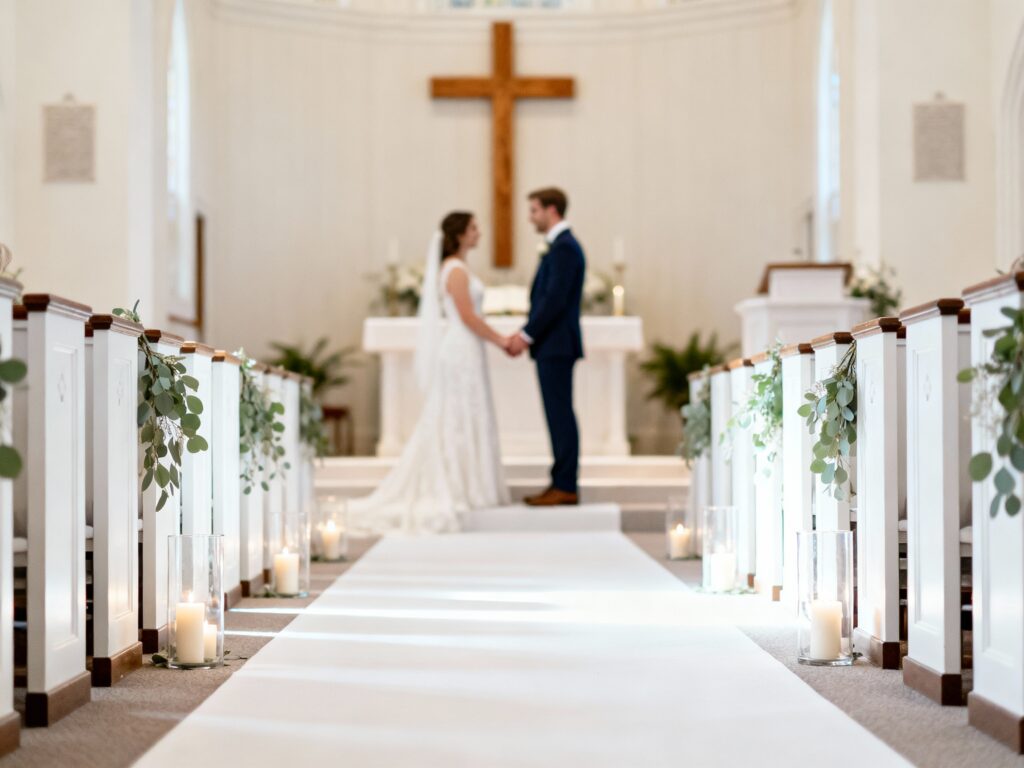
A Christian wedding can be beautiful, meaningful, and still totally budget-friendly. The key is deciding what actually supports your ceremony, your values, and your guests’ experience—then letting the rest be simple on purpose.
Here’s where I’d spend a little more (strategically) and where I’d confidently save, without sacrificing the vibe.
Top 5
1) Ceremony + Sound (Spend)
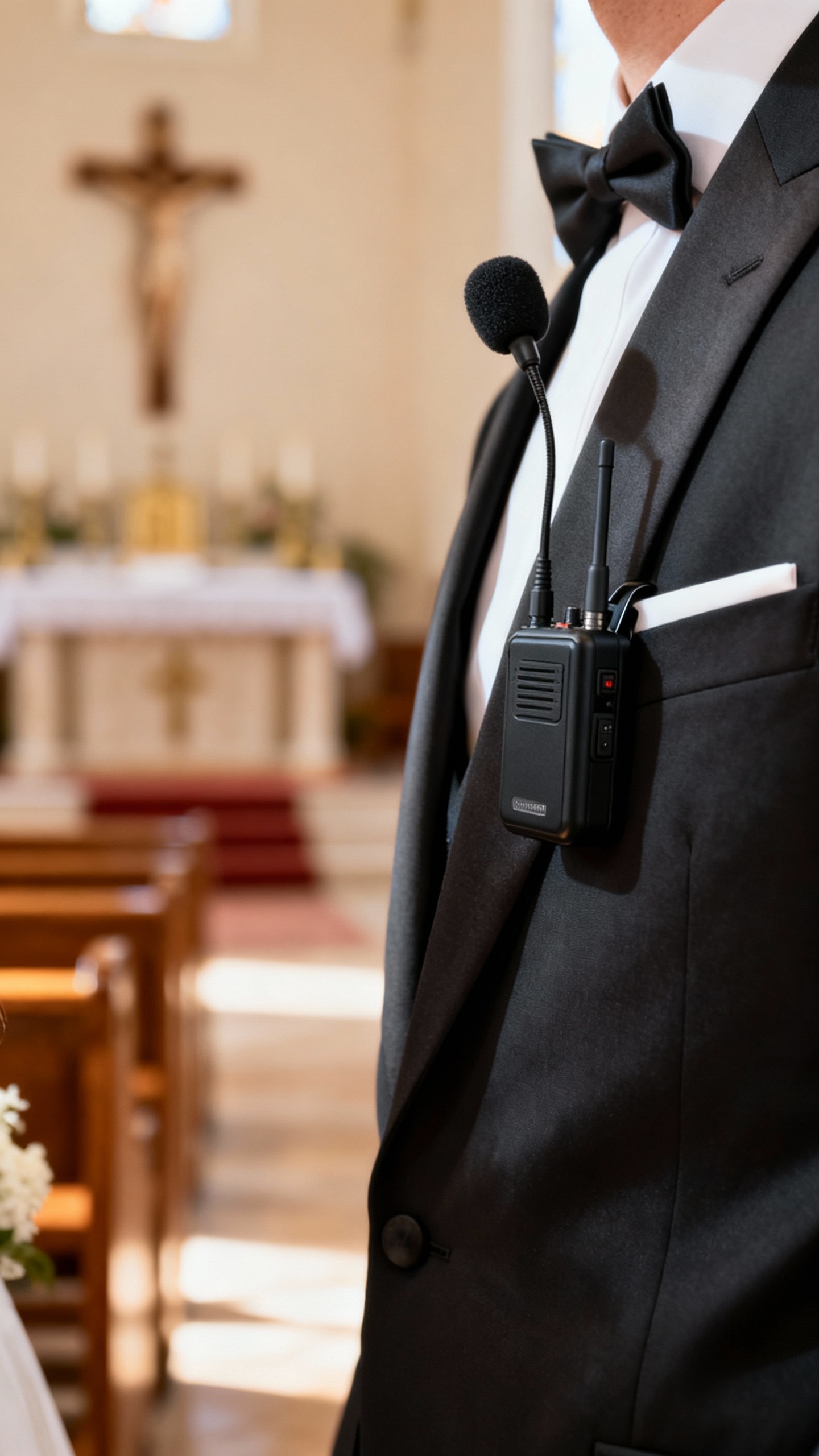
If the ceremony is the heart of your day, protect it. Prioritize a comfortable, well-timed ceremony space (church fees, coordinator honorarium, or venue add-ons) plus reliable sound for vows, Scripture, and worship music. A simple ceremony feels elevated when everyone can hear clearly and the flow is calm.
2) Photography (Spend)
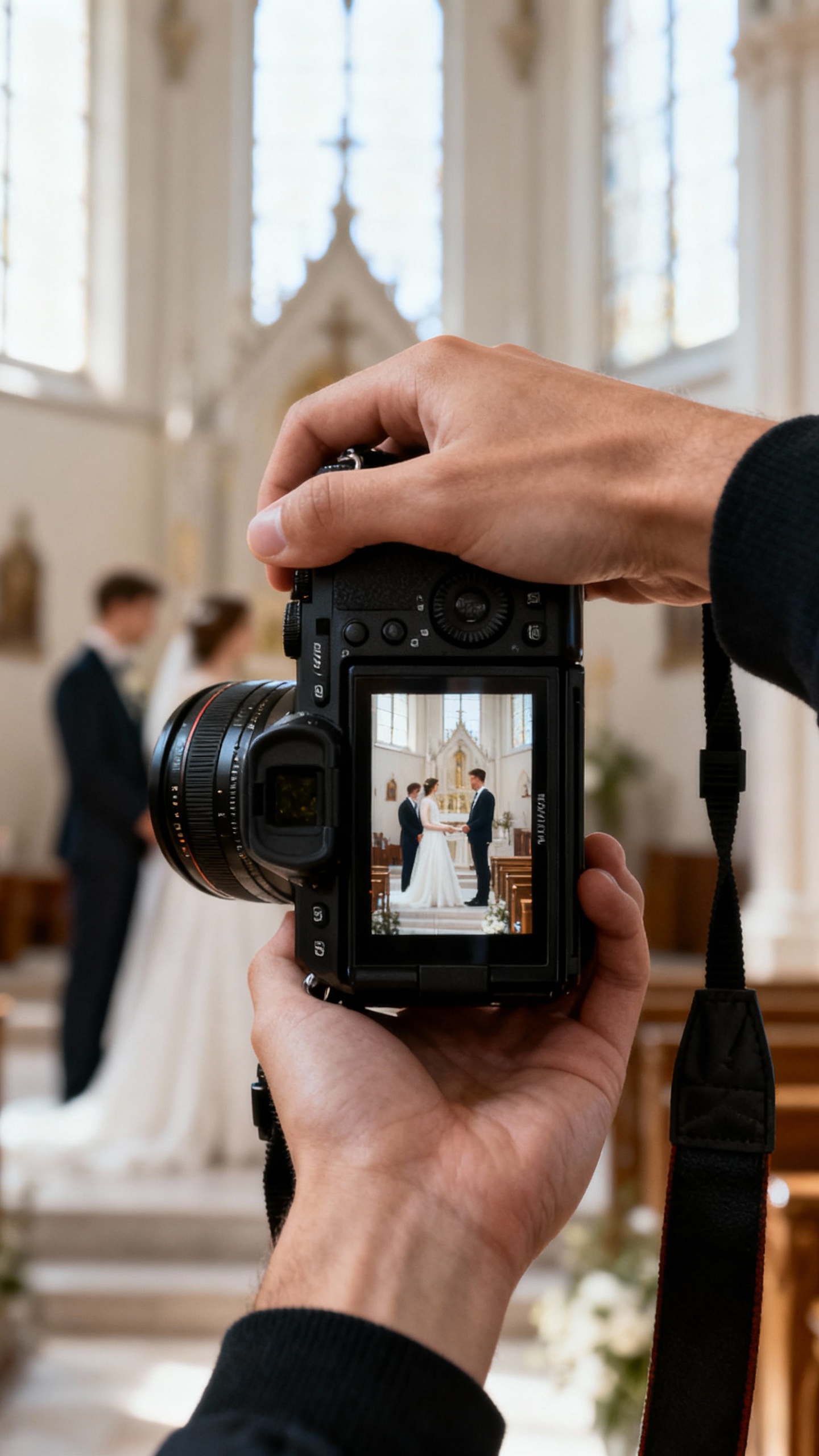
Your photos are the one thing that lasts beyond the day, so this is worth budgeting for. Choose a photographer whose style matches your aesthetic—light and airy, true-to-color, or moody—and ask for a realistic coverage timeline (like 6–8 hours). If you need to save a bit, skip extras like a second shooter before you cut the main photographer.
3) Florals (Save with Smart Choices)
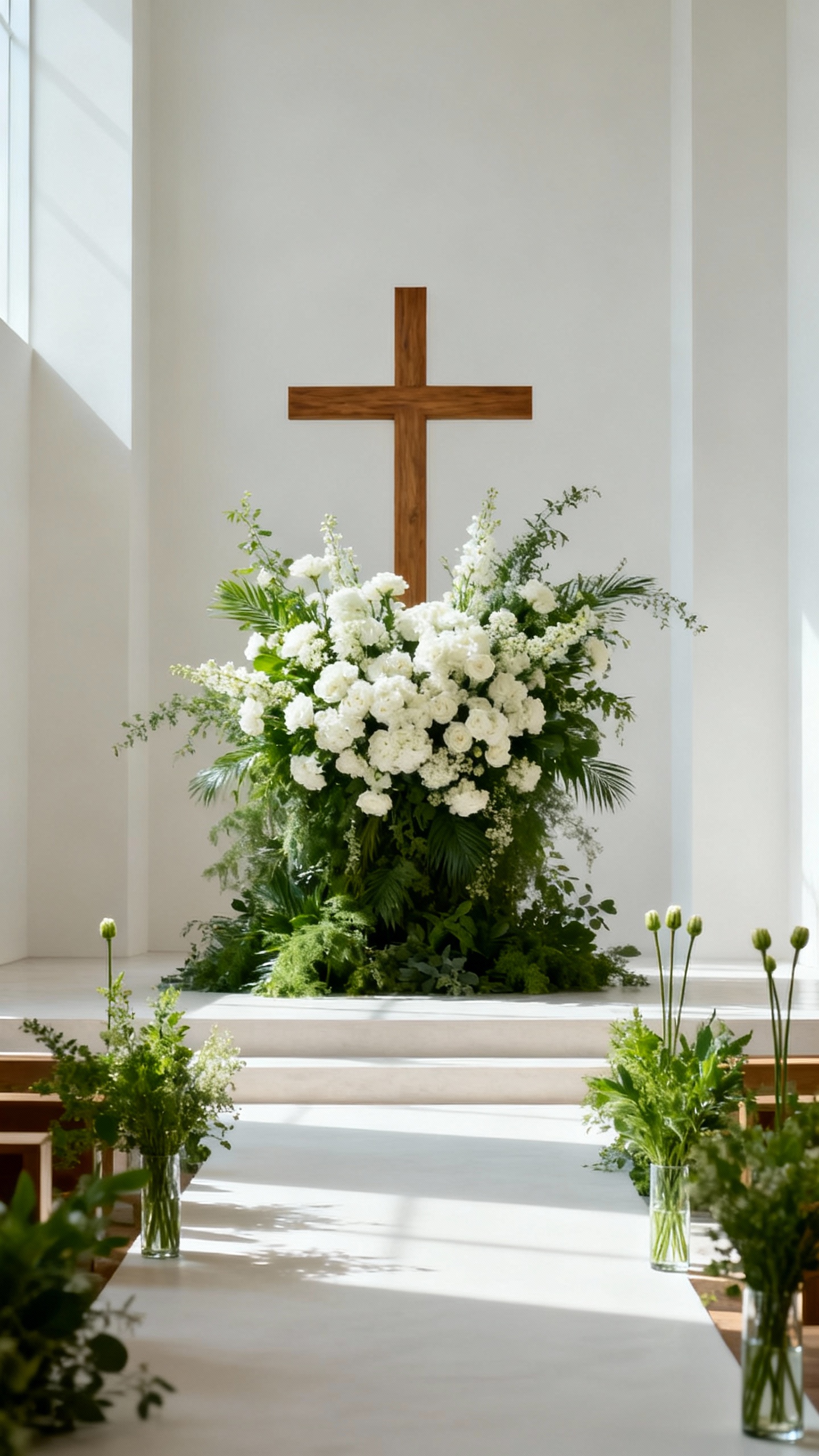
You can get a stunning look without a “full floral moment” everywhere. Spend on one wow area (altar arrangement, cross/arch, or a bridal bouquet) and keep everything else minimal—greenery, bud vases, or seasonal stems. Repurpose ceremony arrangements at the reception and keep bridesmaid bouquets smaller for an effortless, modern look.
4) Food + Guest Comfort (Spend)
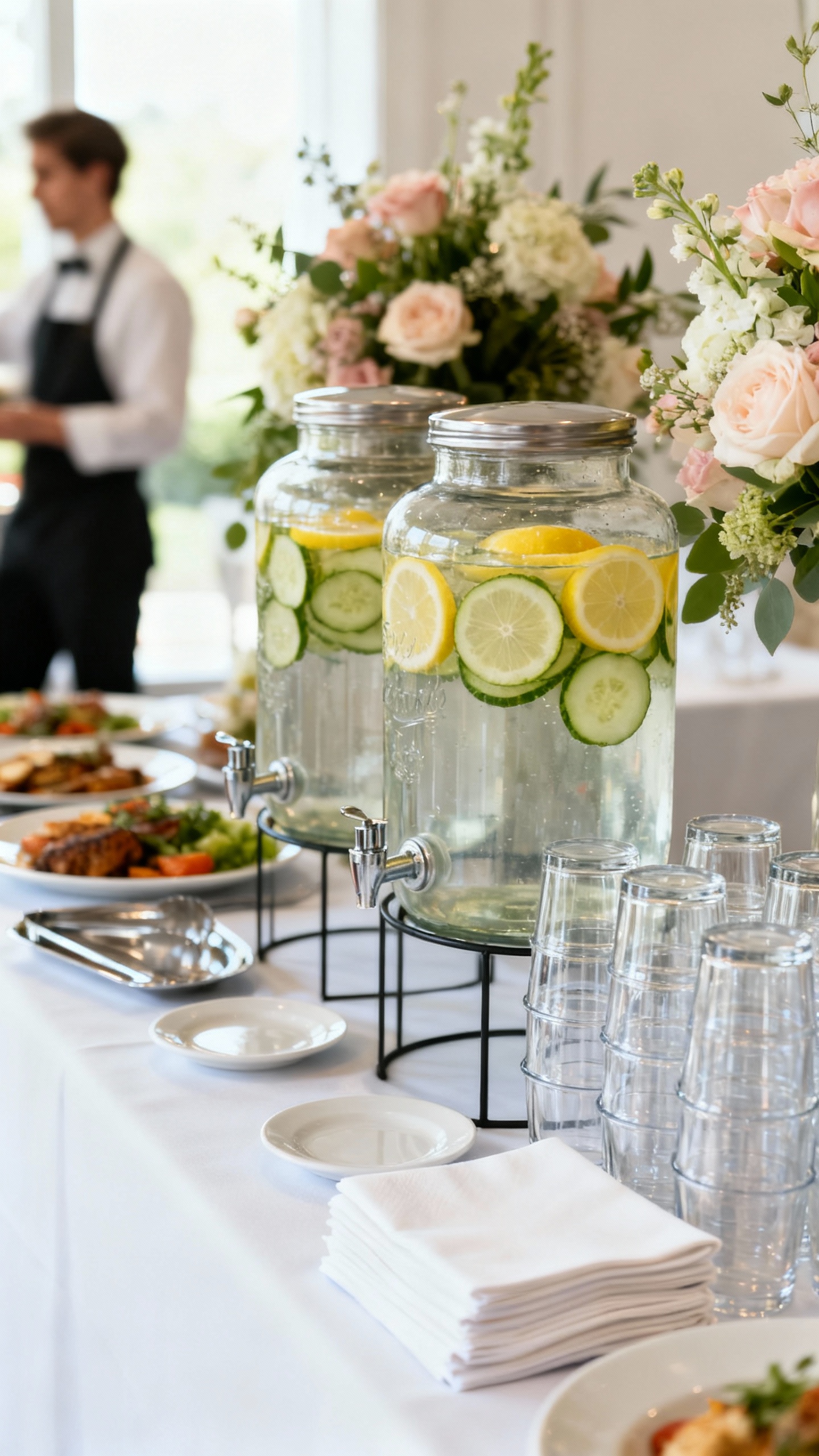
Guests remember how they felt, and food is a big part of that. Even with a tighter budget, prioritize enough food, good timing, and basic comfort: water stations, shade/heat plans, and smooth lines. If you’re trying to stay affordable, choose a brunch reception, buffet, or family-style meal, then add one elevated touch like a signature drink or cute dessert display.
5) Decor + Details (Save by Simplifying)
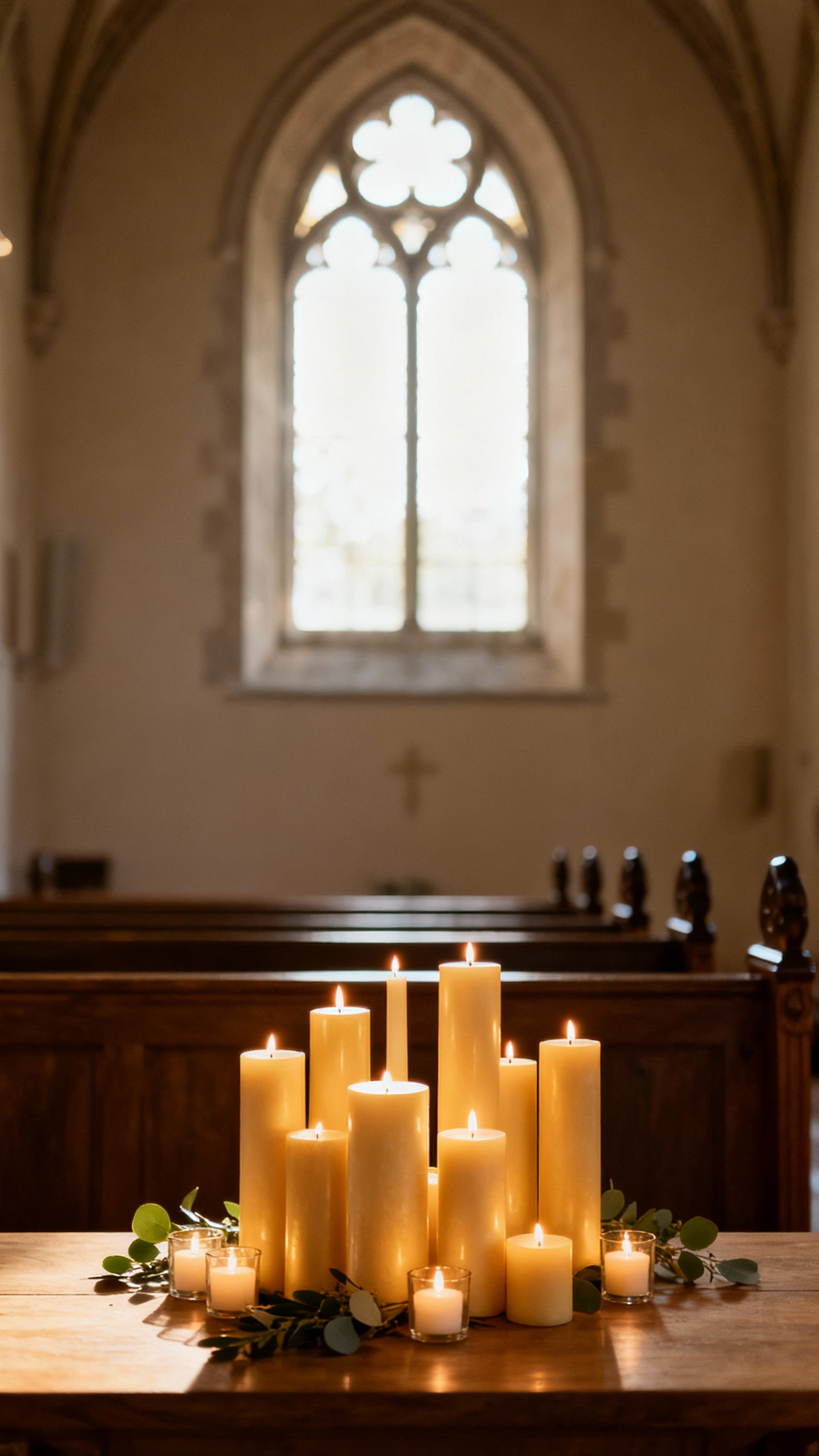
Most décor is “nice to have,” not “need to have,” and a Christian wedding can look timeless with fewer items. Let the church architecture, meaningful signage (like a favorite verse), and candlelight do the heavy lifting. Skip trendy rentals you don’t love long-term, choose linen colors that photograph well, and focus your budget on a cohesive palette over lots of small purchases.
FAQ
How can I keep a Christian wedding simple but still beautiful?
Choose one clear aesthetic direction: a tight color palette, clean typography for signage, and intentional ceremony styling (like an aisle runner or altar flowers). Keep the schedule unhurried, include meaningful elements like a Scripture reading or worship song, and let the space itself shine. Simple looks best when it’s consistent and not cluttered.
What’s a realistic budget-friendly floral plan?
Pick one focal area (altar/arch/cross) and one personal piece (bridal bouquet) as your “spend.” Then save with greenery garlands, bud vases, and seasonal blooms for centerpieces. Ask your florist about repurposing ceremony arrangements to the head table or entry table so you’re paying once and using them twice.
Is it okay to skip favors at a wedding?
Yes, and most guests won’t miss them. If you want something sweet and faith-forward, do a simple takeaway like a printed verse card at each place setting or a small bag of mints at the exit. Another great option is a “donation in lieu of favors” sign that matches your décor style.
How do I save on bridesmaid looks without it feeling mismatched?
Go with a color family and let each bridesmaid choose a dress she’ll rewear (think different necklines, same shade). Keep accessories simple and uniform—matching bouquets or similar earrings can tie everything together. For hair and makeup, consider paying for one service (like hair) and letting everyone opt into the rest.
Where should I not cut corners for wedding aesthetics?
Don’t skimp on lighting, sound, or photography—those affect both the experience and how your day is remembered. If you’re using a church, confirm microphone setup, aisle lighting, and any décor rules early so you can plan confidently. A few well-funded, high-impact choices will always look more polished than lots of low-impact spending.