

Planning a wedding on a budget doesn’t mean your day has to look “budget.” It means you’re being intentional, choosing what matters most, and skipping the stuff that only looks important on someone else’s checklist.
Below are realistic, stress-free ways to keep your spending under control while still getting a wedding that feels elevated, personal, and photo-ready.
Top 5
1) Start With “Top 3 Priorities” (Then Budget Around Them)
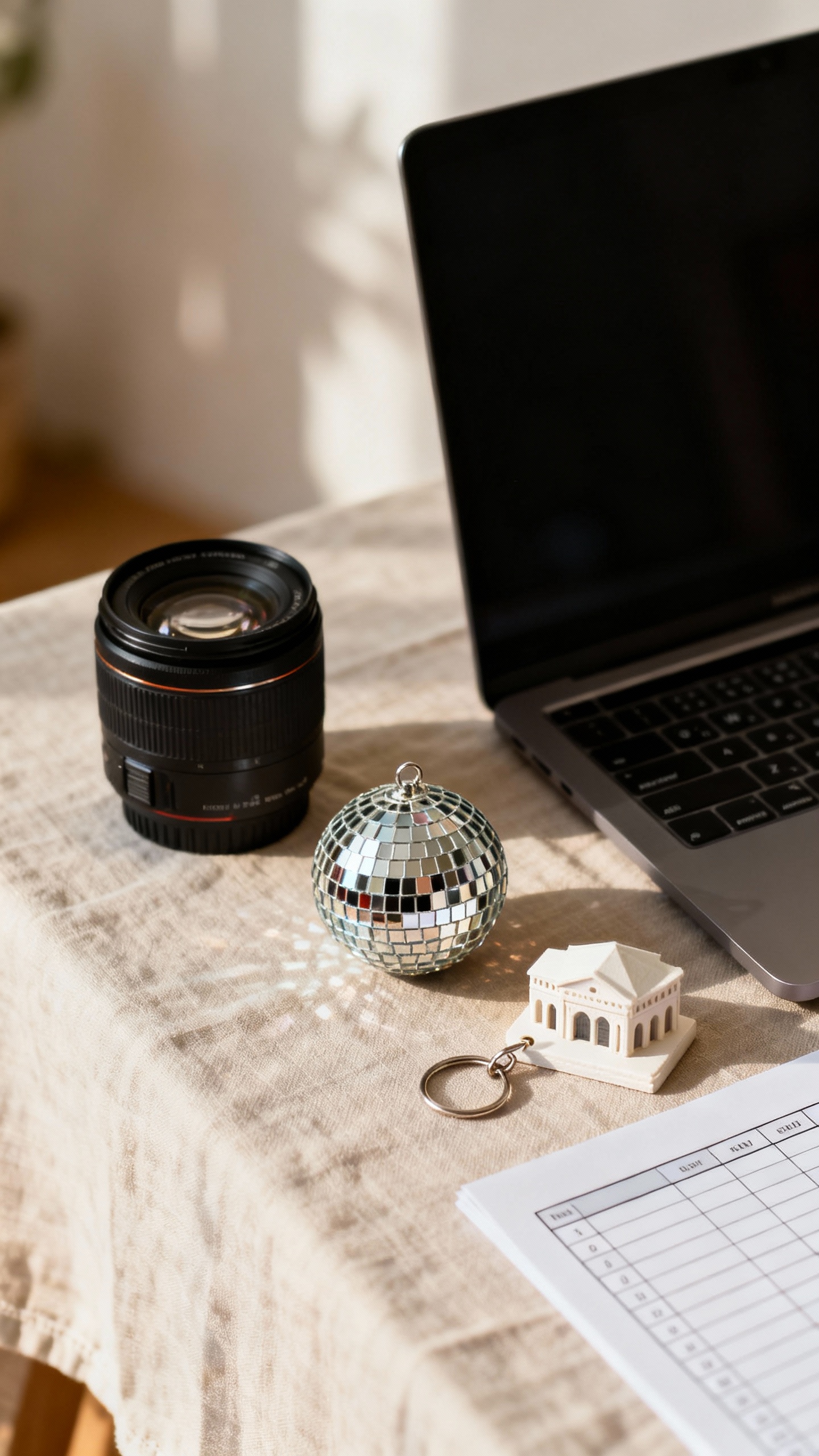
Pick the three things you care about most (think: amazing photos, a packed dance floor, or a dreamy venue) and fund those first. Everything else gets a “good enough” option, not a perfection spiral. This one move stops random spending and makes decisions feel way simpler. Bonus: your wedding will still look cohesive because your money is concentrated, not scattered.
2) Choose a Venue That Already Looks Styled
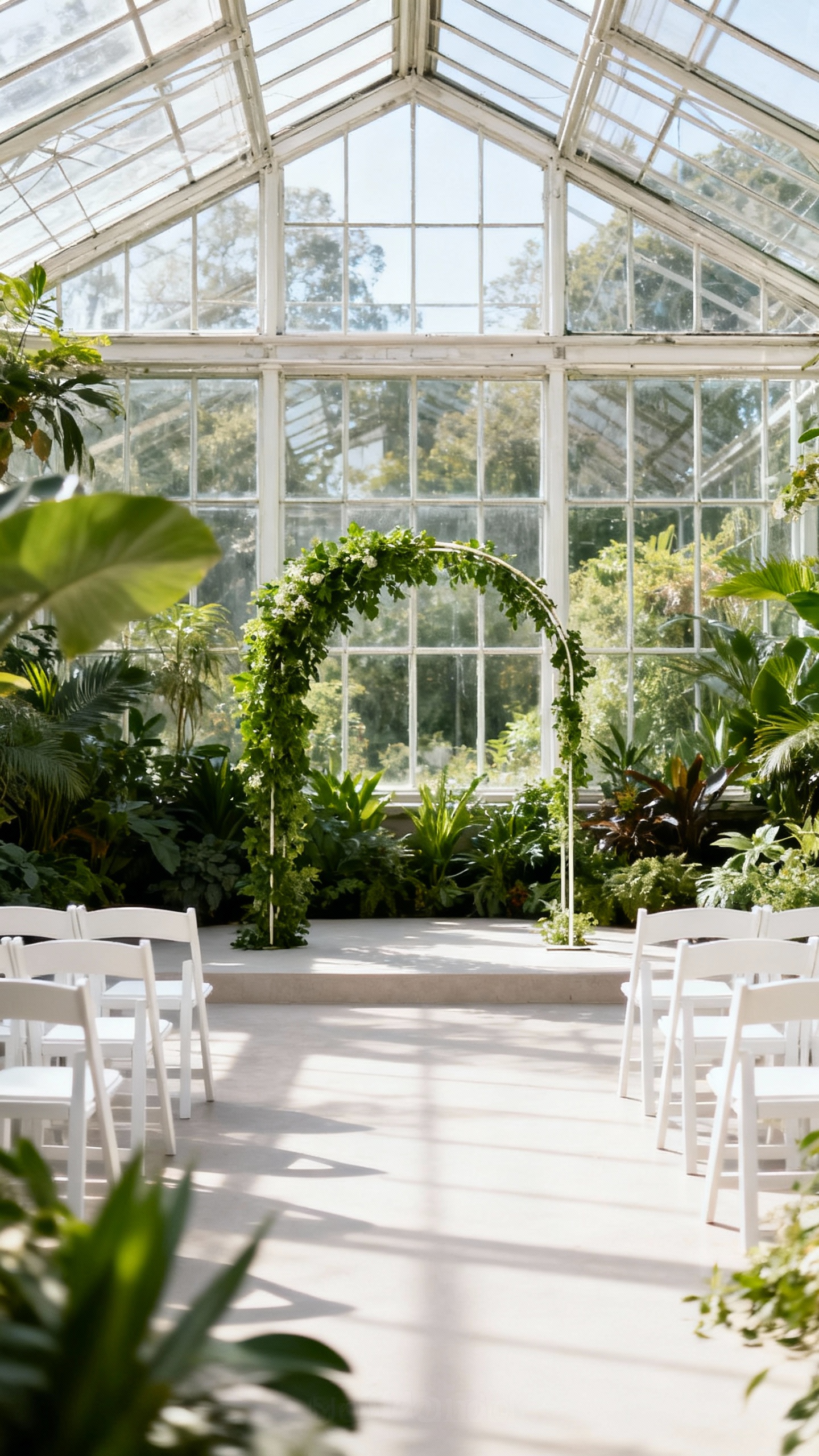
A naturally pretty space saves you big on rentals and decor because it does the aesthetic work for you. Look for great natural light, interesting architecture, built-in greenery, or a clean modern interior that doesn’t need “more.” Even small touches (like string lights, candles, and a statement ceremony backdrop) land harder when the venue already has character. Also: all-inclusive venues can be budget-friendly if they replace multiple separate vendors.
3) Keep the Guest List Tight (And Make It Feel Intentional)
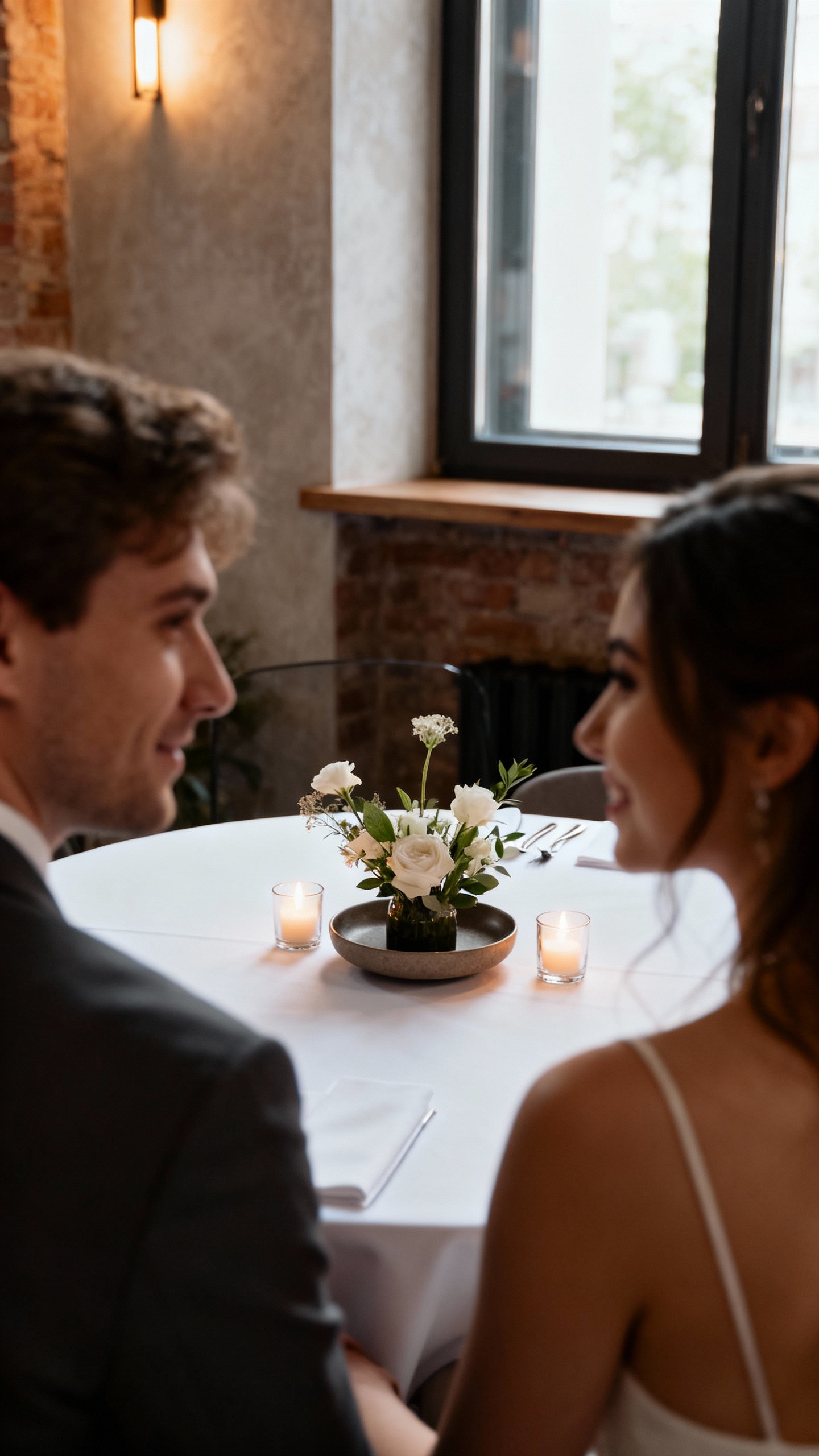
If you want the fastest way to lower your total cost, it’s this: fewer guests. Each person adds catering, bar, rentals, stationery, favors (if you do them), and sometimes a bigger venue. A smaller guest list can look extra chic—think intimate dinner-party energy, family-style tables, and a room that actually feels full. If cutting is hard, set a clear “must-have” circle first, then add back only if the budget still works.
4) Rethink Flowers: Go Statement, Not Everywhere
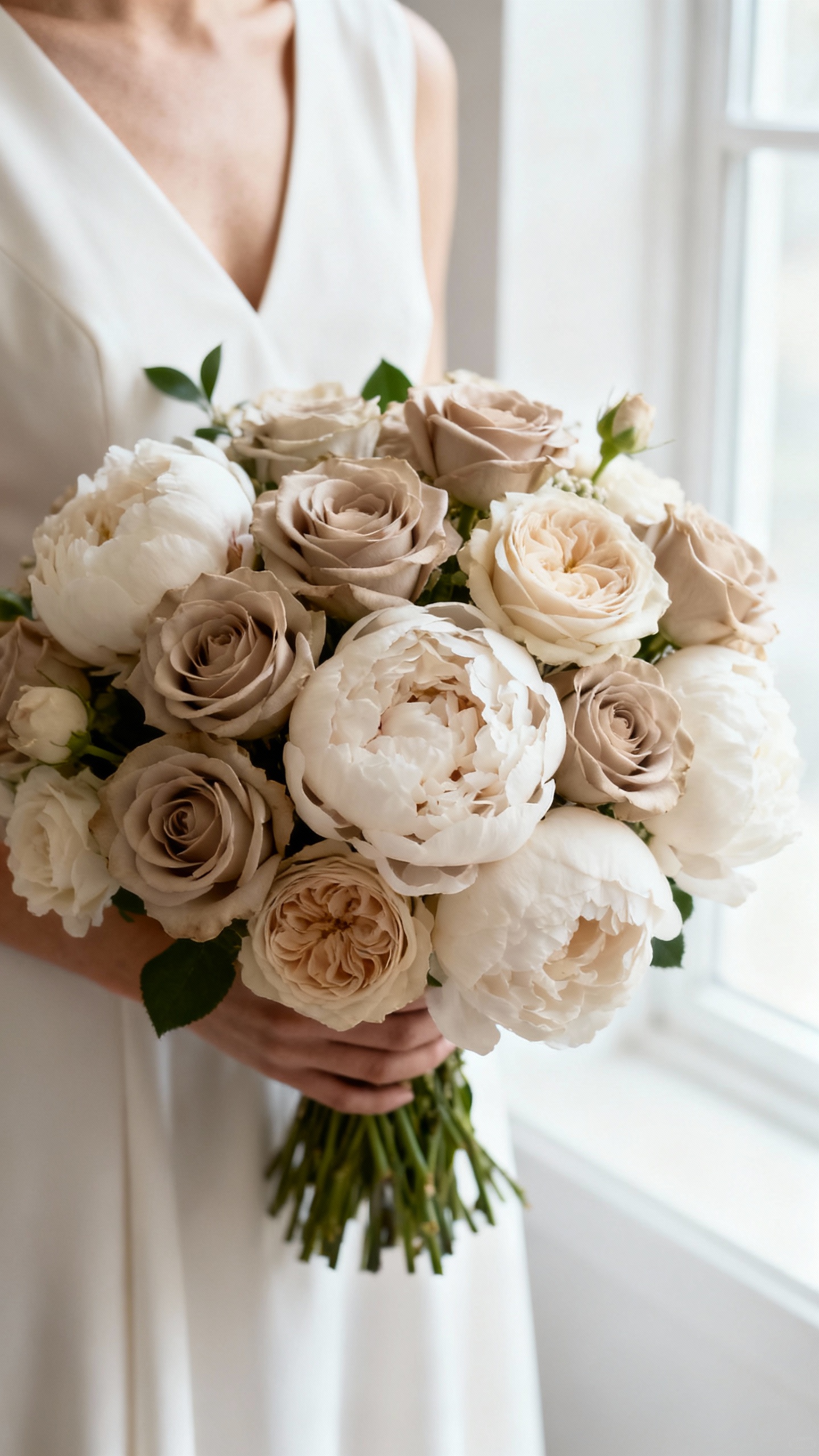
Florals can get pricey fast, so focus on a few high-impact moments instead of covering every surface. Prioritize your bouquet, ceremony focal point, and sweetheart/head table—these show up in photos the most. Use candles, bud vases, greenery, and repurposing (ceremony arrangements moved to reception) to stretch the look. If you love a lush vibe, choose in-season blooms and let your florist guide you toward similar flowers with a lower price tag.
5) Build a Simple Budget System (And Automate Decisions)

Create three numbers and stick to them: your max budget, your must-pay vendor list, and your “fun money” buffer for surprises. Track every deposit the same day you book it—future you will be so grateful. When you’re tempted by upgrades, use a one-sentence rule like: “If it’s not in the Top 3, we don’t spend extra.” The goal isn’t to pinch pennies; it’s to stop stress-spending and keep your choices calm and confident.
FAQ
What’s the most affordable wedding style that still looks elevated?
Minimal, modern, and candle-forward is usually the sweet spot: clean linens, simple place settings, and warm lighting do a lot without needing tons of decor. Choose a neutral palette (ivory, taupe, soft green) and add one intentional accent (like black details or a muted pastel). It photographs beautifully and feels timeless.
How can I make a budget wedding look cohesive in photos?
Pick one color palette and repeat it across the day: invitations, bridesmaid dresses, napkins, florals, and signage. Keep fonts consistent and avoid mixing too many themes (like rustic + glam + boho all at once). Cohesion reads “expensive” even when your pieces are affordable.
Is a brunch or weekday wedding actually worth it?
Yes, if you like the vibe. Venues and vendors often cost less on Fridays/Sundays or weekdays, and brunch menus are typically cheaper than dinner. A daytime wedding also pairs perfectly with light, airy aesthetics—think garden-party florals, citrus accents, and a bright photo style.
Where should I not cut costs if I care about aesthetics?
Prioritize photography (you’ll keep it forever) and lighting (it affects the entire mood). If you’re choosing between extra decor and great lighting, choose lighting—candles, uplighting, or bistro lights change everything. Also, don’t underestimate professional hair and makeup if you want a polished look in person and on camera.
How do I say no to “extras” without feeling guilty?
Use a script that keeps it simple: “It’s beautiful, but it’s not a priority for us.” Then redirect to what you are prioritizing, like guest experience or saving for your honeymoon. Budget boundaries are not rude—they’re the reason you can plan a wedding you actually enjoy.