
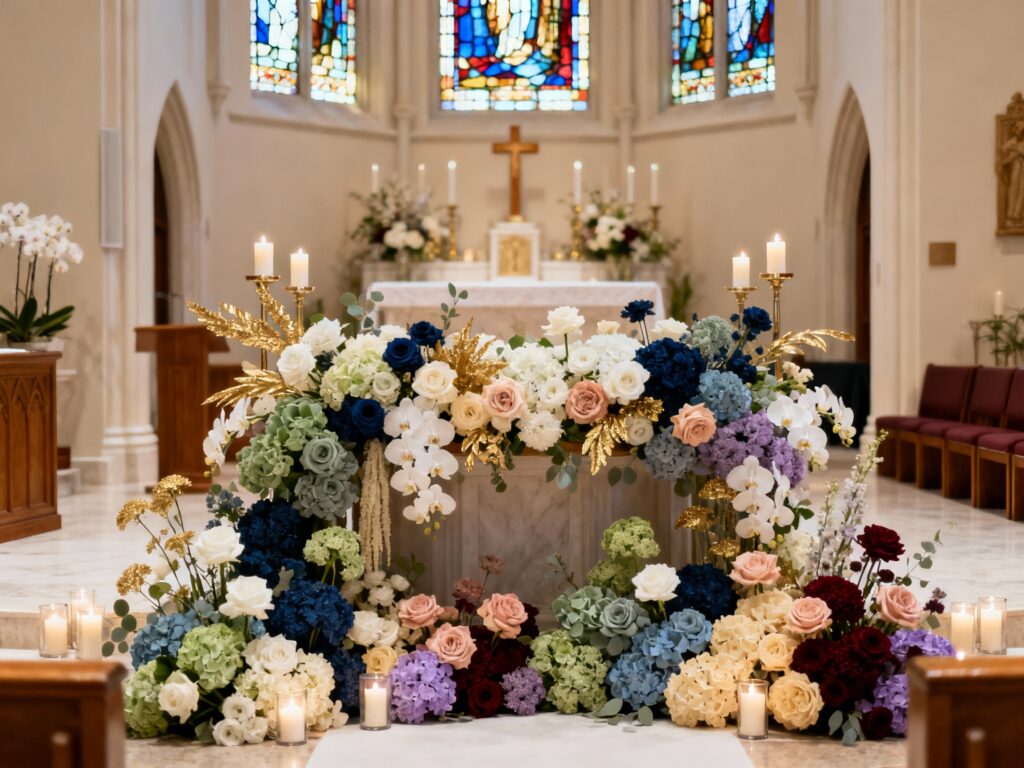
Choosing your wedding colors can feel like “cute detail” territory… until you realize they set the whole mood. For Christian weddings, your palette can also carry meaning that feels personal, faith-forward, and still totally modern.
Below are five Christian wedding color combos with symbolic meanings (plus practical ways to style them so your ceremony and reception look cohesive from Pinterest pin to real life).
Top 5
1) Ivory & Gold (Purity + God’s Glory)
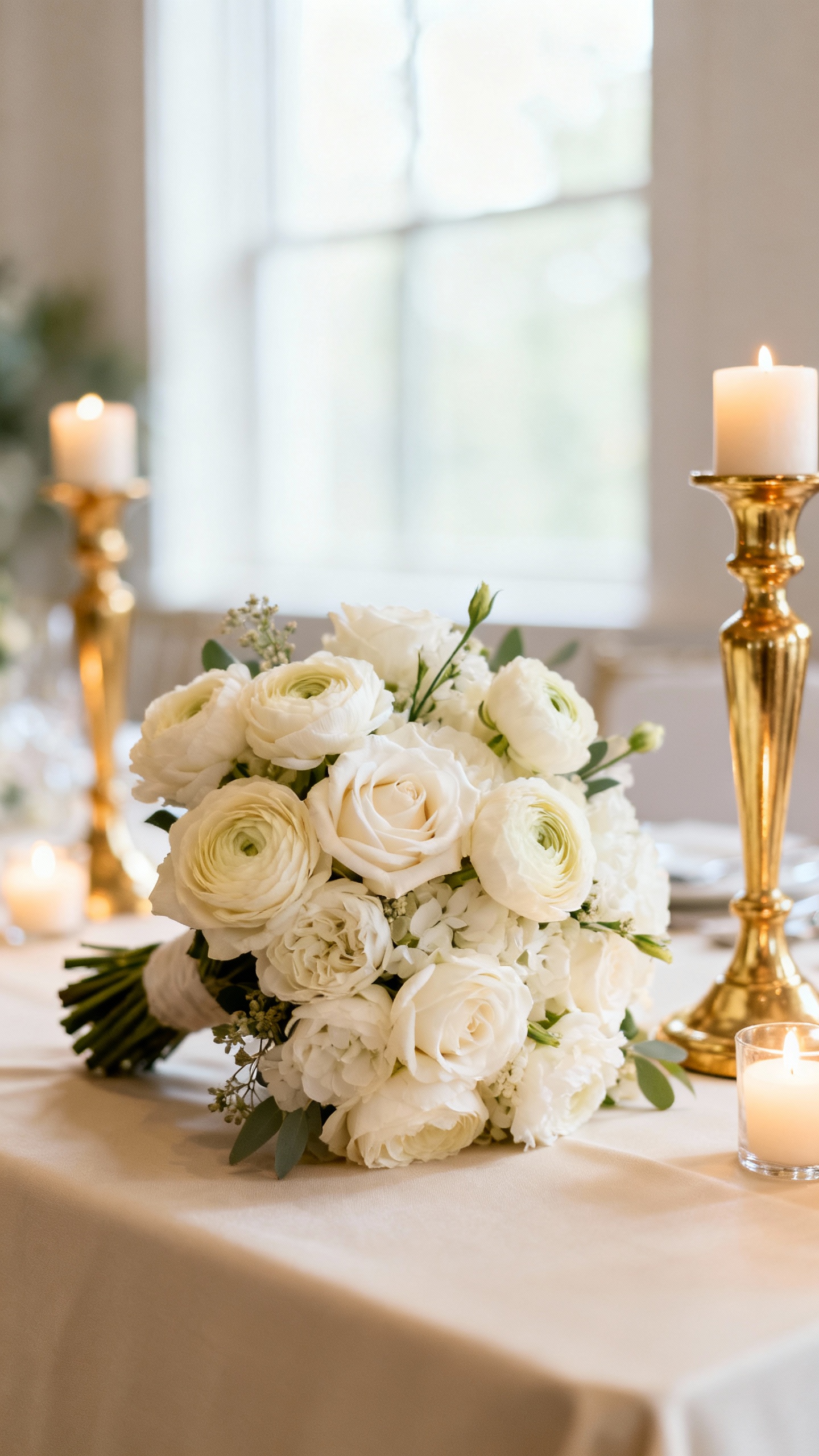
Ivory is a classic nod to purity and a fresh start, while gold symbolizes God’s glory, goodness, and something lasting. Use ivory as your base (dress tones, linens, florals) and bring in gold through candles, flatware, frames, and signage for a warm glow. This combo photographs beautifully in churches and candlelit receptions without feeling too “extra.”
2) Navy & White (Faithfulness + New Life)
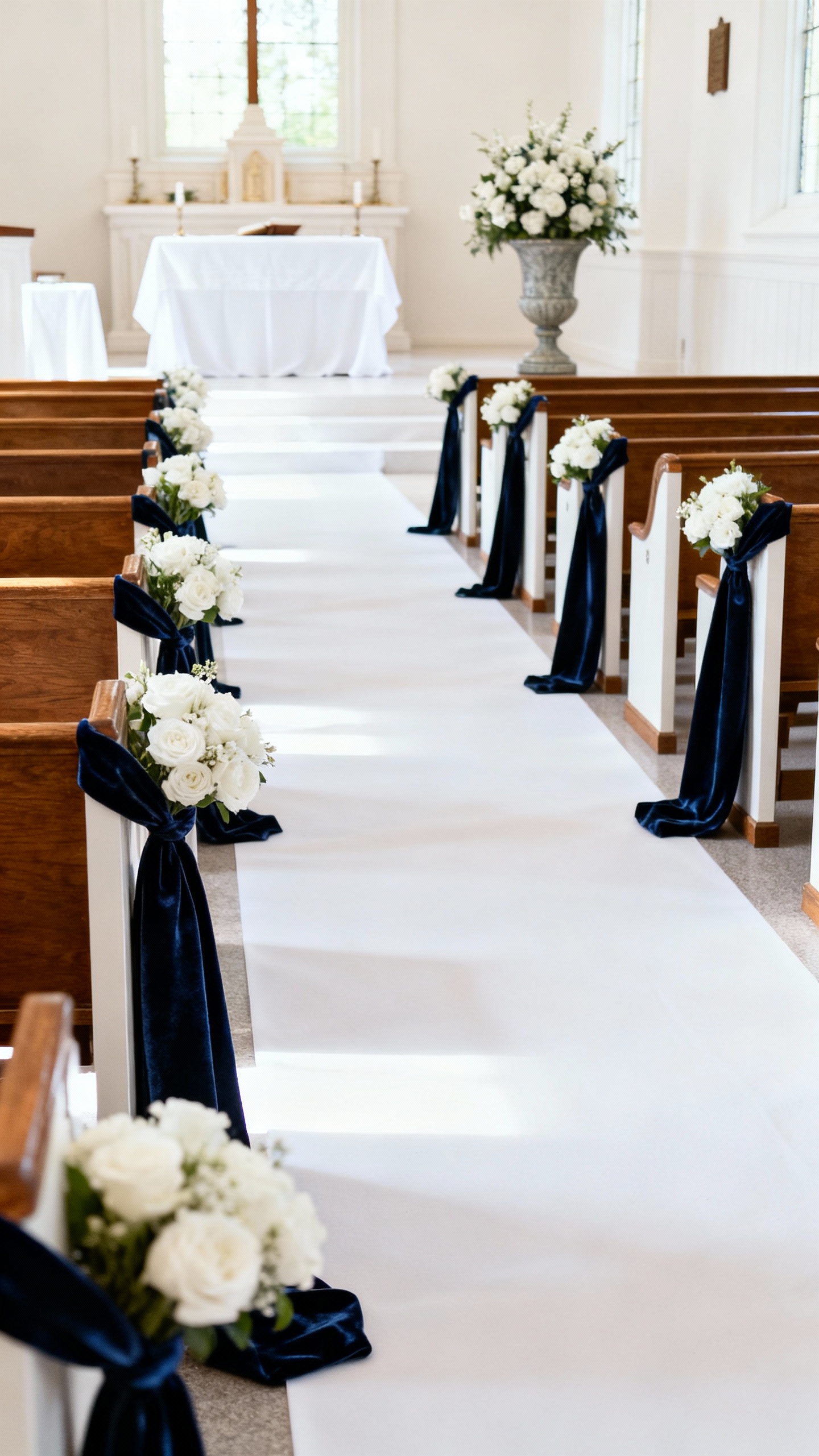
Navy reads strong, steady, and faithful—perfect if you want a timeless look that still feels elevated. White symbolizes new life and clean beginnings, which fits the covenant vibe of a Christian ceremony. Style it with crisp white flowers, navy bridesmaid dresses, and subtle metallics (silver or brushed gold) to keep it polished instead of preppy.
3) Sage Green & Soft Blush (Growth + Grace)
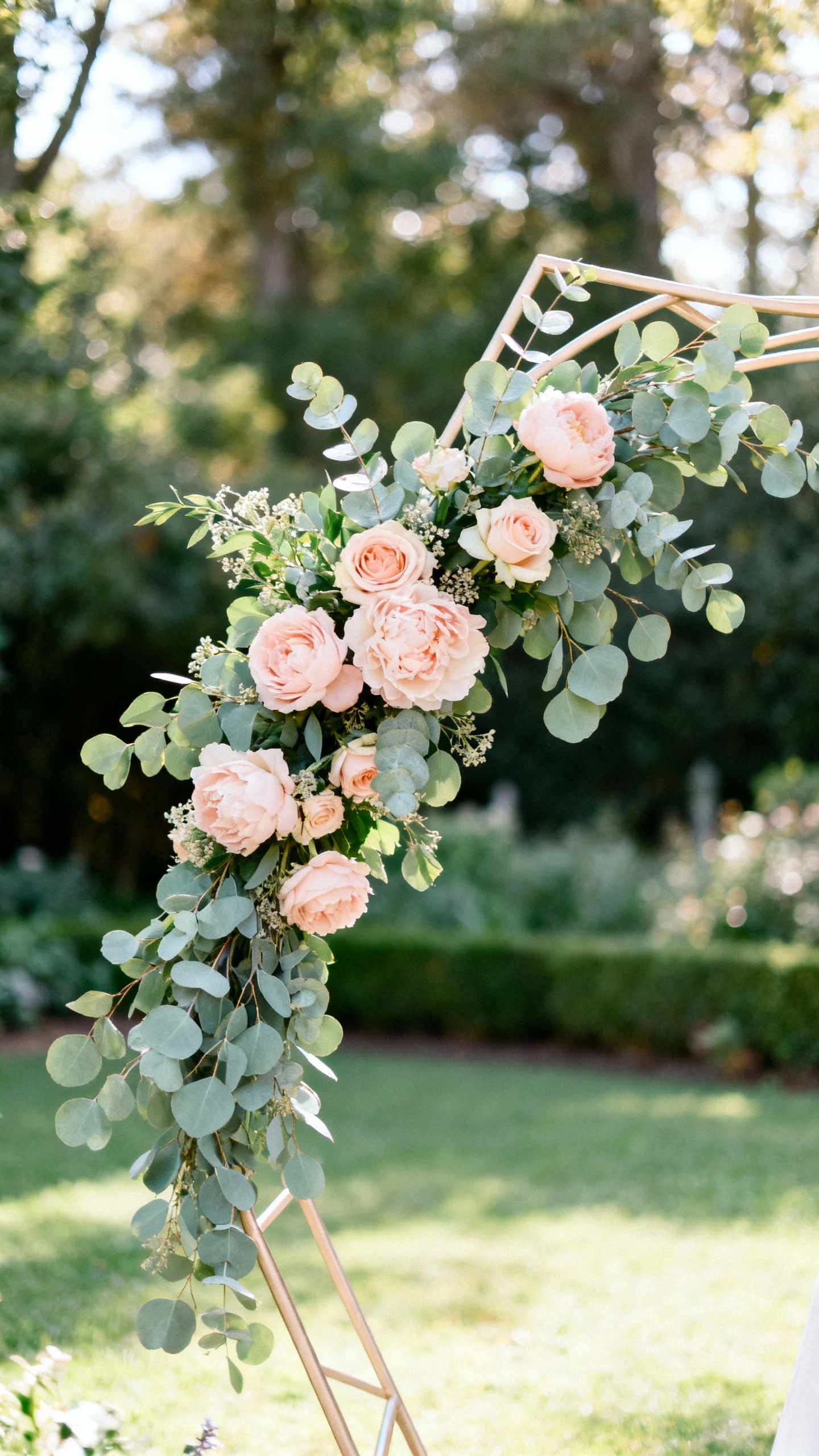
Sage is all about growth, renewal, and the quiet “we’re building something” energy—so sweet for marriage symbolism. Blush brings softness and grace, balancing the earthy tones with romance. Keep it practical by choosing seasonal greenery (eucalyptus, olive, ruscus) and pairing it with blush accents in ribbons, stationery, and a light touch of pink in your bouquet.
4) Burgundy & Cream (Sacrifice + Warmth)
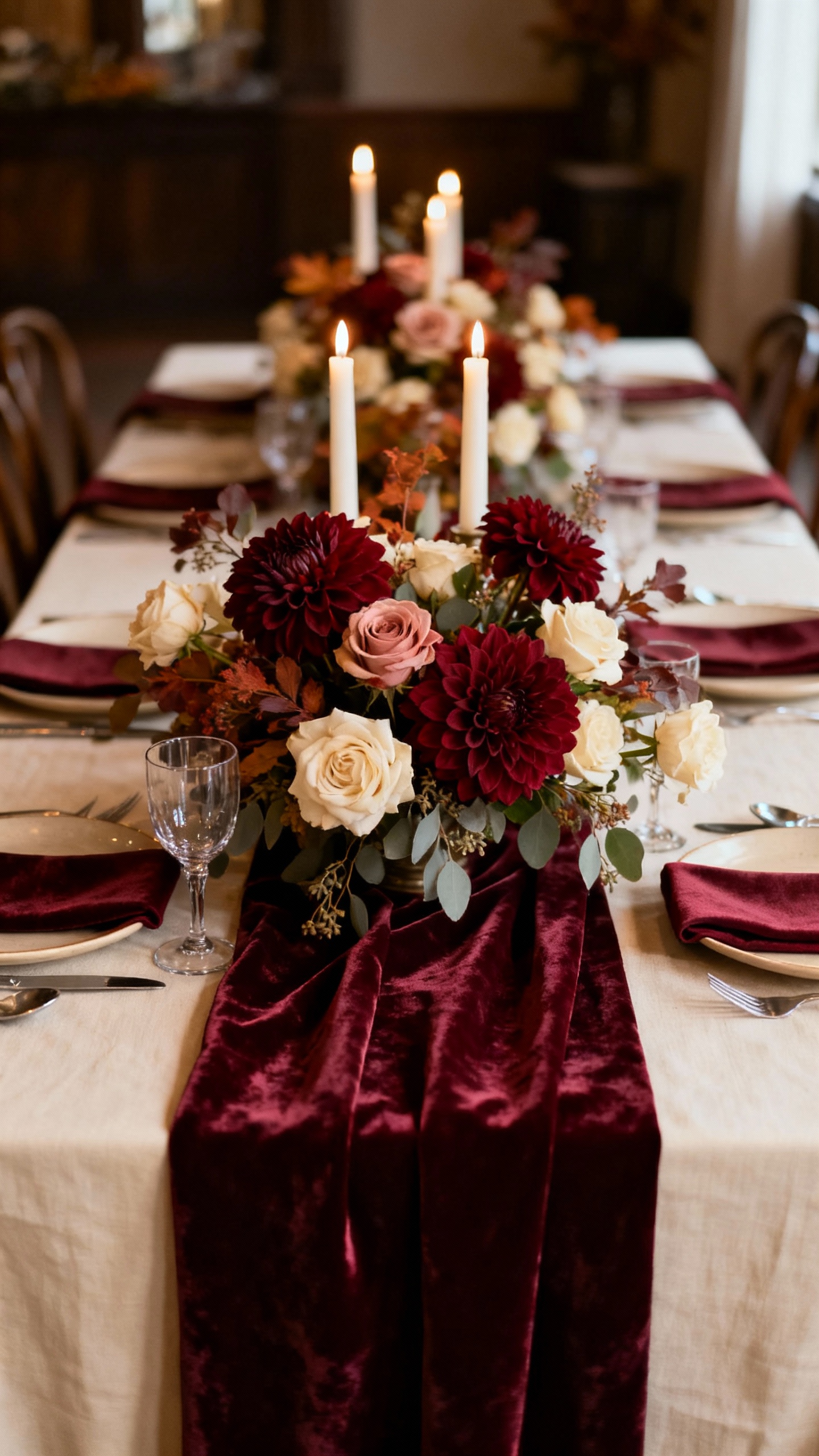
Burgundy can represent sacrifice and deep love, and for many Christian couples it’s a subtle nod to redemption without being literal. Cream keeps the palette gentle and welcoming, especially in fall and winter weddings. Try burgundy in bridesmaid dresses, taper candles, or velvet linens, then soften everything with cream florals, draping, and airy table settings.
5) Dusty Blue & Lavender (Peace + Devotion)
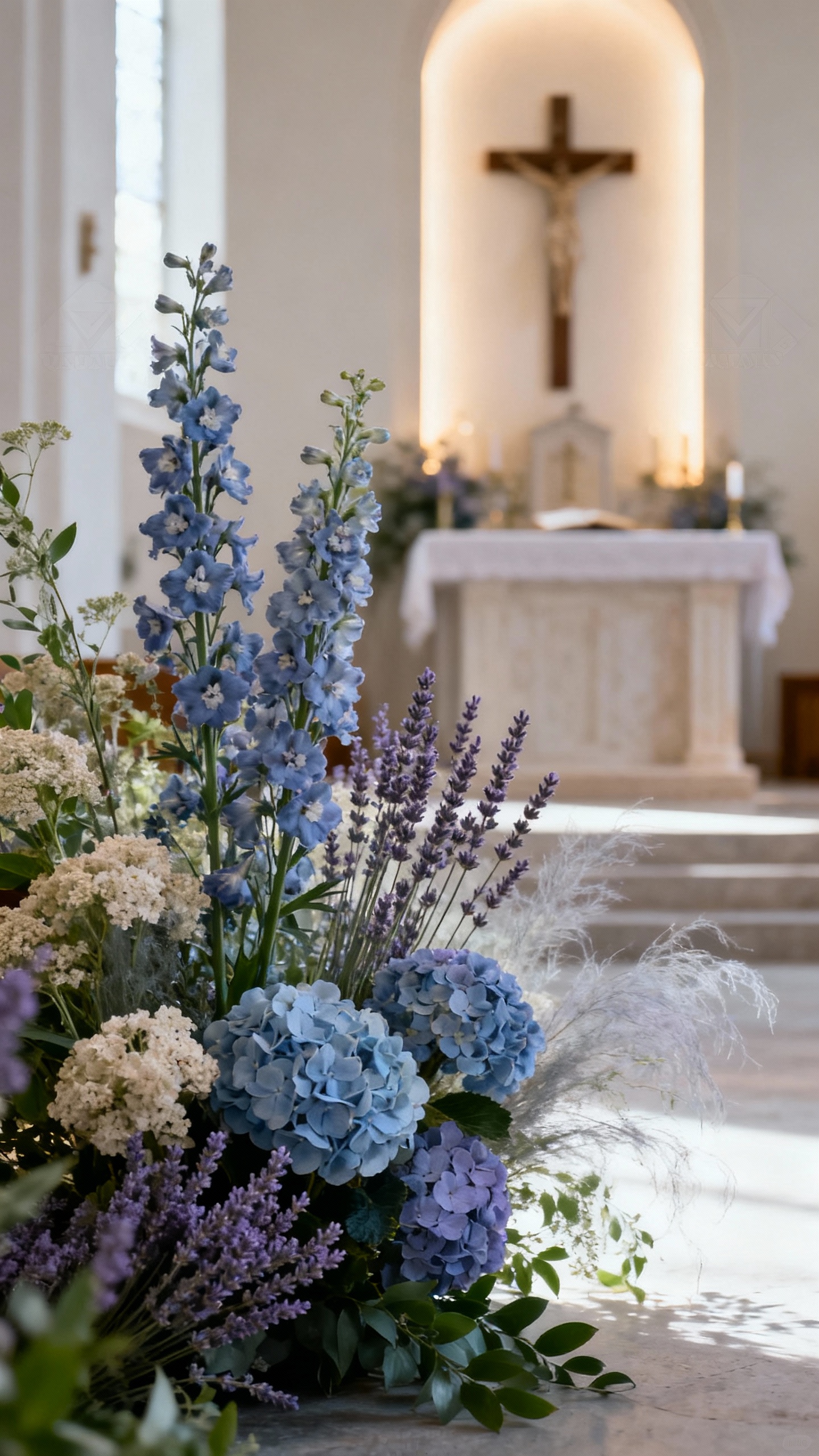
Dusty blue signals peace and calm—an instant mood-setter for a ceremony that feels serene and reverent. Lavender often symbolizes devotion and tenderness, giving the palette a romantic, worship-night softness. Use dusty blue in suits, napkins, or stationery, and add lavender through florals (like lilac tones or light purple blooms) plus a few candles to make it glow.
FAQ
How do I choose Christian wedding colors without feeling too themed?
Think “meaningful” instead of “literal.” Pick one symbolic color you love, then build a modern palette around it with neutrals and one accent. You can weave the meaning into your ceremony program or signage with a short line, not a whole explanation.
What wedding colors work best for a church ceremony?
High-contrast, clean palettes tend to read best in traditional church lighting: ivory/gold, navy/white, and cream/burgundy are all reliable. If your church has stained glass or dark wood, keep your base light (ivory, cream, white) so your florals and photos don’t look too heavy.
Can I use black in a Christian wedding palette?
Yes—black can look chic and formal, especially for evening weddings, and it pairs well with ivory, gold, or white. If you want a softer feel, use black in small doses (invitations, tuxes, signage) and keep the rest of the palette warm and bright.
How do I make my color palette feel cohesive across bridesmaids, florals, and decor?
Assign roles: one main neutral, one main color, one accent. For example, make cream your neutral (linens, candles), burgundy your main color (dresses, some blooms), and a metallic your accent (gold frames, table numbers). Repeating the same shade in at least three places makes it look intentional.
What if my favorite symbolic color doesn’t match the season?
Adjust the undertone and texture, not the meaning. Navy works year-round, but you can lighten it for spring with airy whites and greenery or deepen it for winter with velvet and candlelight. If you love blush in fall, pair it with sage and cream instead of bright white for a more seasonal look.