
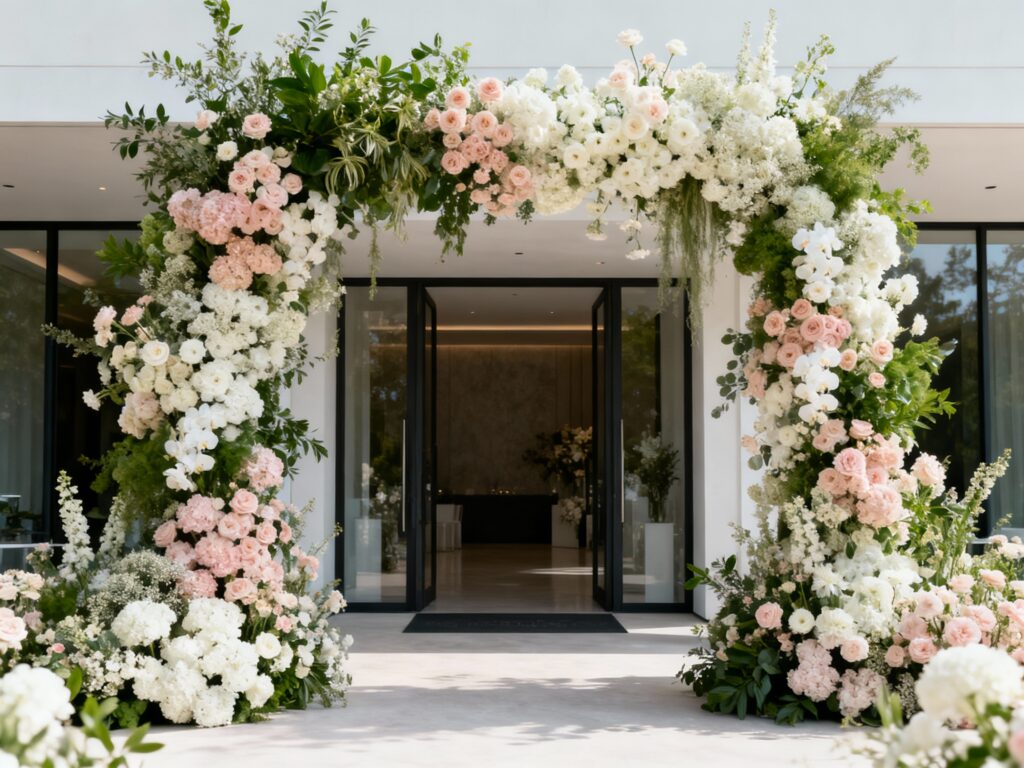
Wedding flowers are basically the outfit of your venue: they set the mood, define your palette, and show up in every photo. But they can also be the easiest place to accidentally overspend, under-plan, or end up with “wait… why does this look different?” moments.
Here are the most common flower wedding decoration mistakes to avoid—plus what to do instead so your day looks intentional, cohesive, and very you.
Top 5
1) Choosing Flowers Before Choosing Your Venue + Season
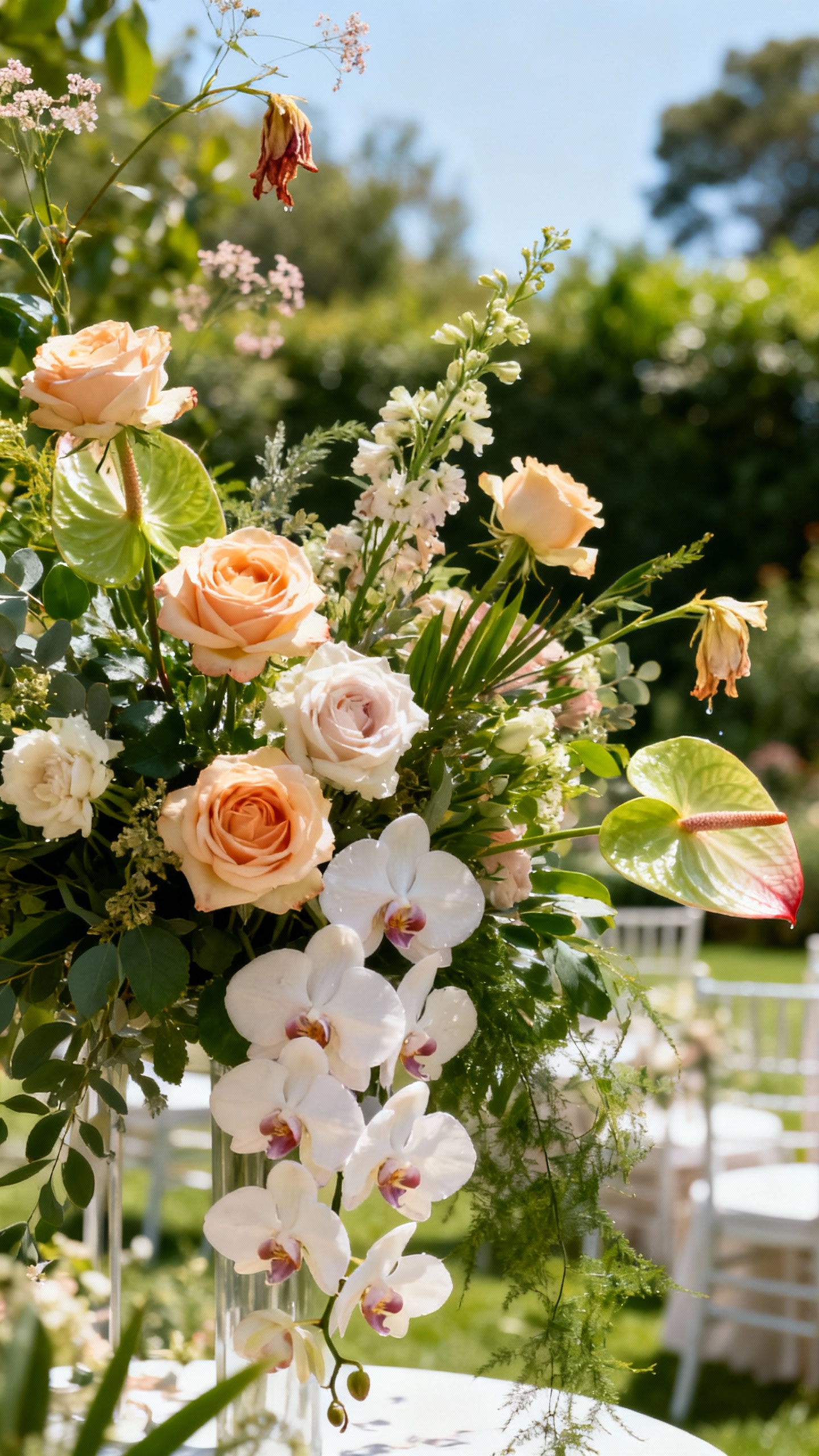
The mistake: falling in love with a specific flower on Pinterest without considering where (and when) you’re getting married. Some blooms struggle in heat, others don’t like cold, and availability can change your price fast. Instead, pick your vibe first (romantic garden, modern minimal, wildflower) and ask your florist for seasonal look-alikes that match your budget and climate.
2) Ignoring Scale (Tiny Florals in a Big Space, or the Opposite)
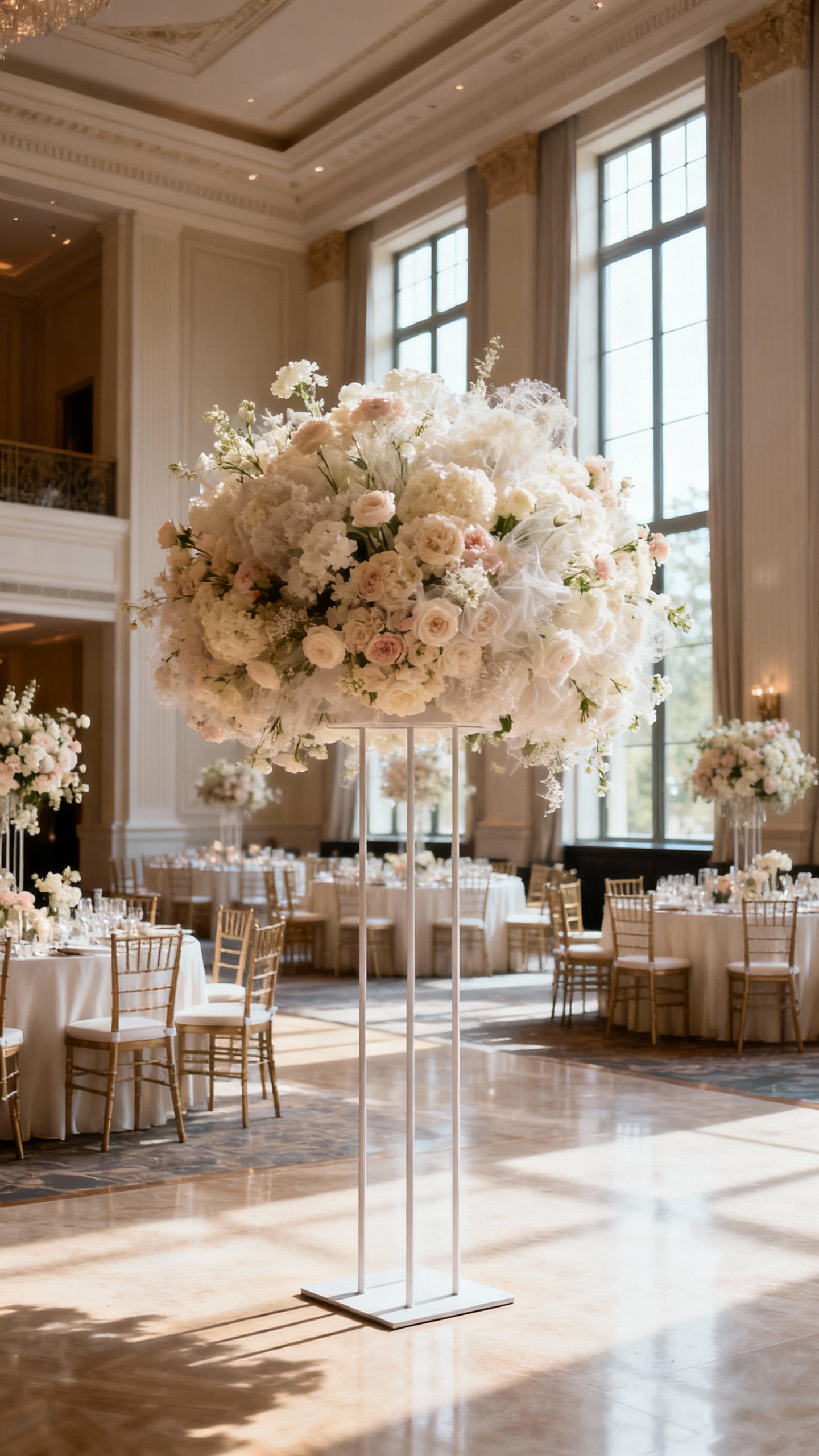
The mistake: designing centerpieces in a vacuum and forgetting the room’s height, ceiling, and table size. Tiny arrangements can disappear in a ballroom, and oversized pieces can block conversation on intimate tables. Instead, build a “scale plan”: mix low and tall moments, consider elevated designs for large spaces, and always test height so guests can actually see each other.
3) Overdoing “Pinterest Trends” Without a Cohesive Color Story
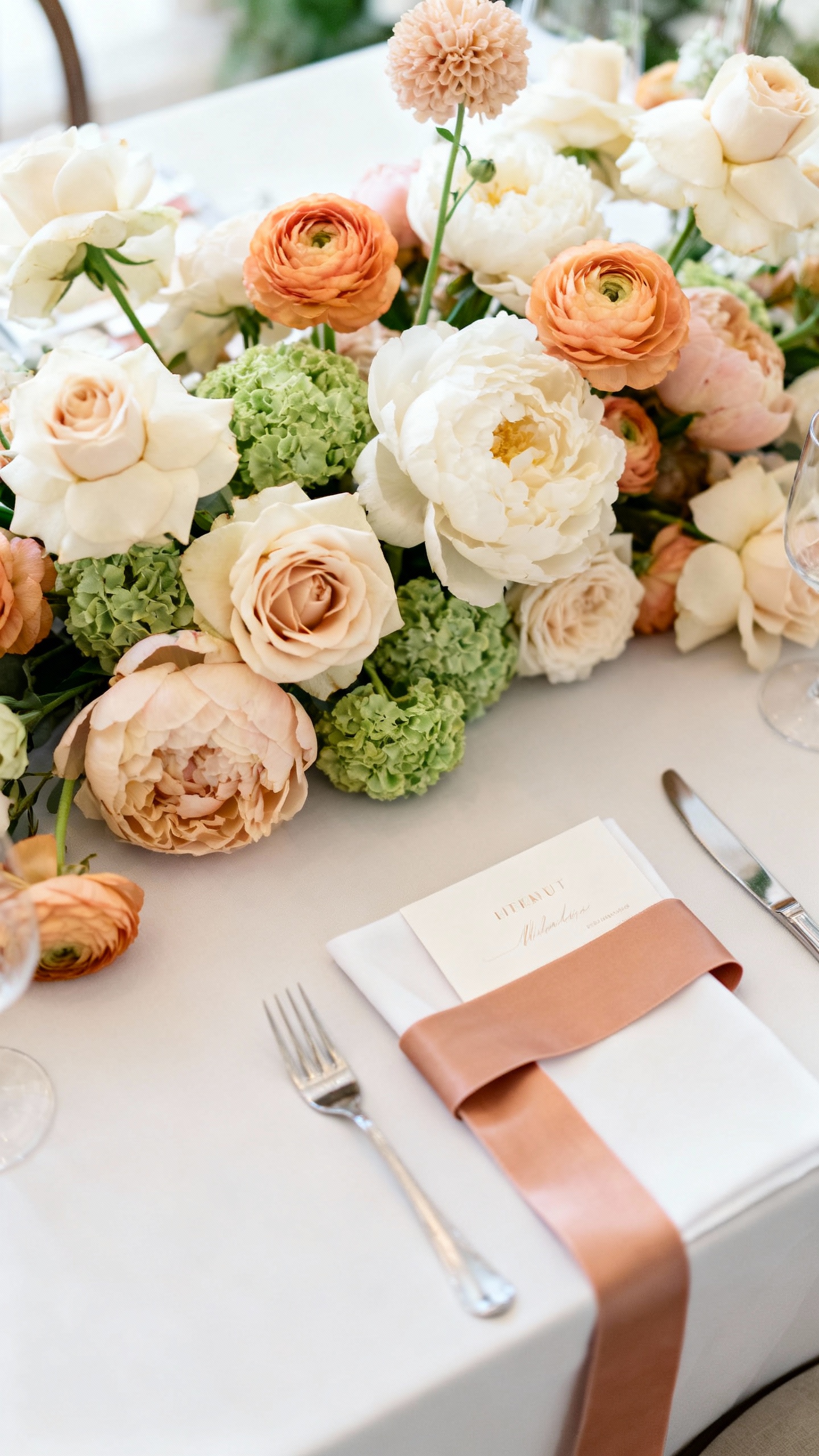
The mistake: mixing too many inspo moments—like dried palms, classic roses, neon ribbons, and moody burgundy—then wondering why it looks chaotic in photos. Trends are cute, but they need a framework. Instead, commit to 3–5 core colors (plus a neutral), choose one main floral style, and let trends be accents (like a ribbon moment or one statement install).
4) Forgetting the “Photo Zones” (And Spending in the Wrong Places)
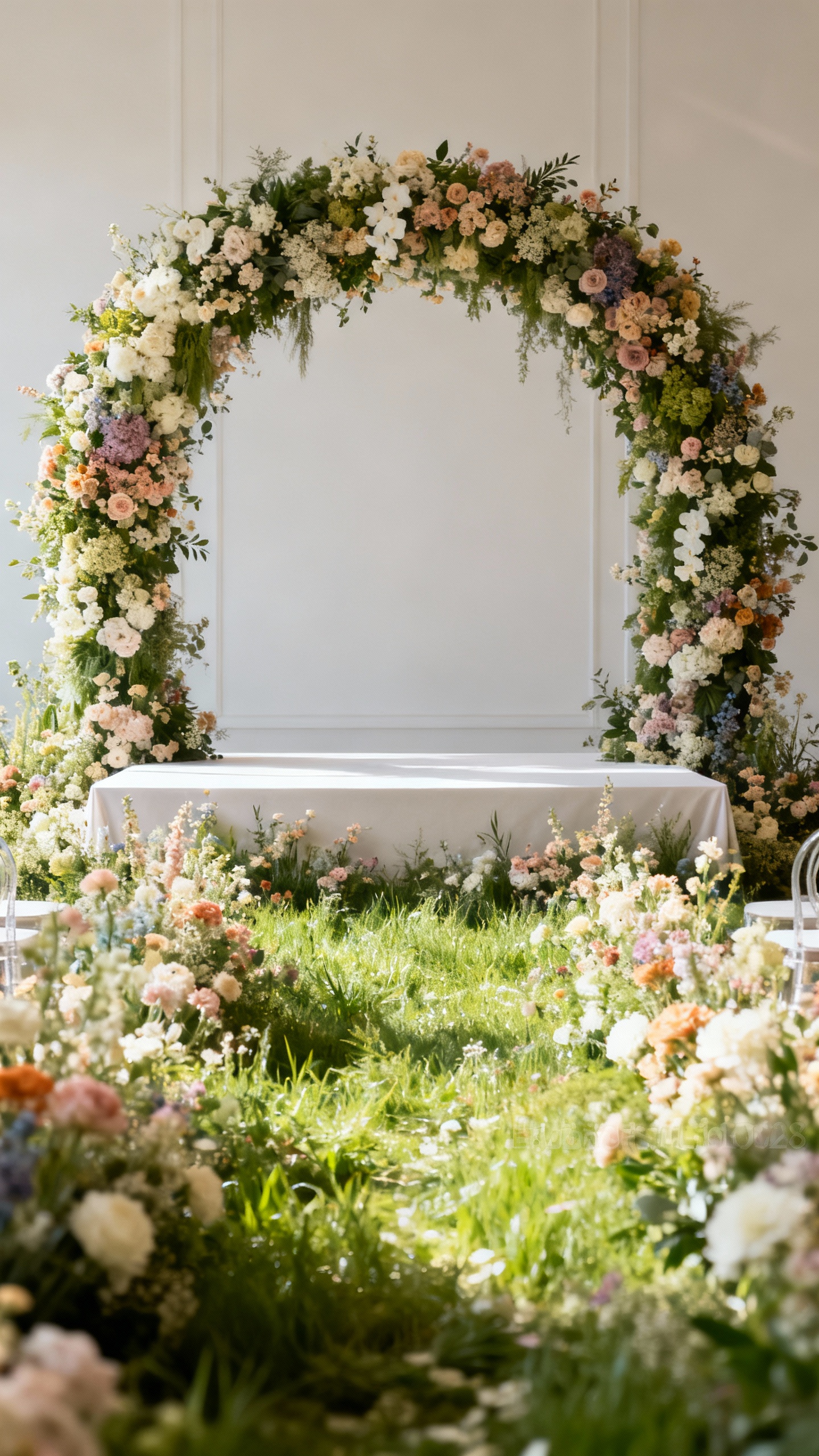
The mistake: putting the biggest floral budget into areas guests barely notice, then leaving the ceremony or sweetheart table looking underwhelming. Your photos will live forever, so prioritize where cameras linger. Instead, invest in high-impact zones: ceremony focal point, aisle moments, sweetheart table, and a small statement at the bar or welcome area—then keep table centerpieces simpler.
5) Not Planning for Set-Up, Reuse, and End-of-Night Logistics
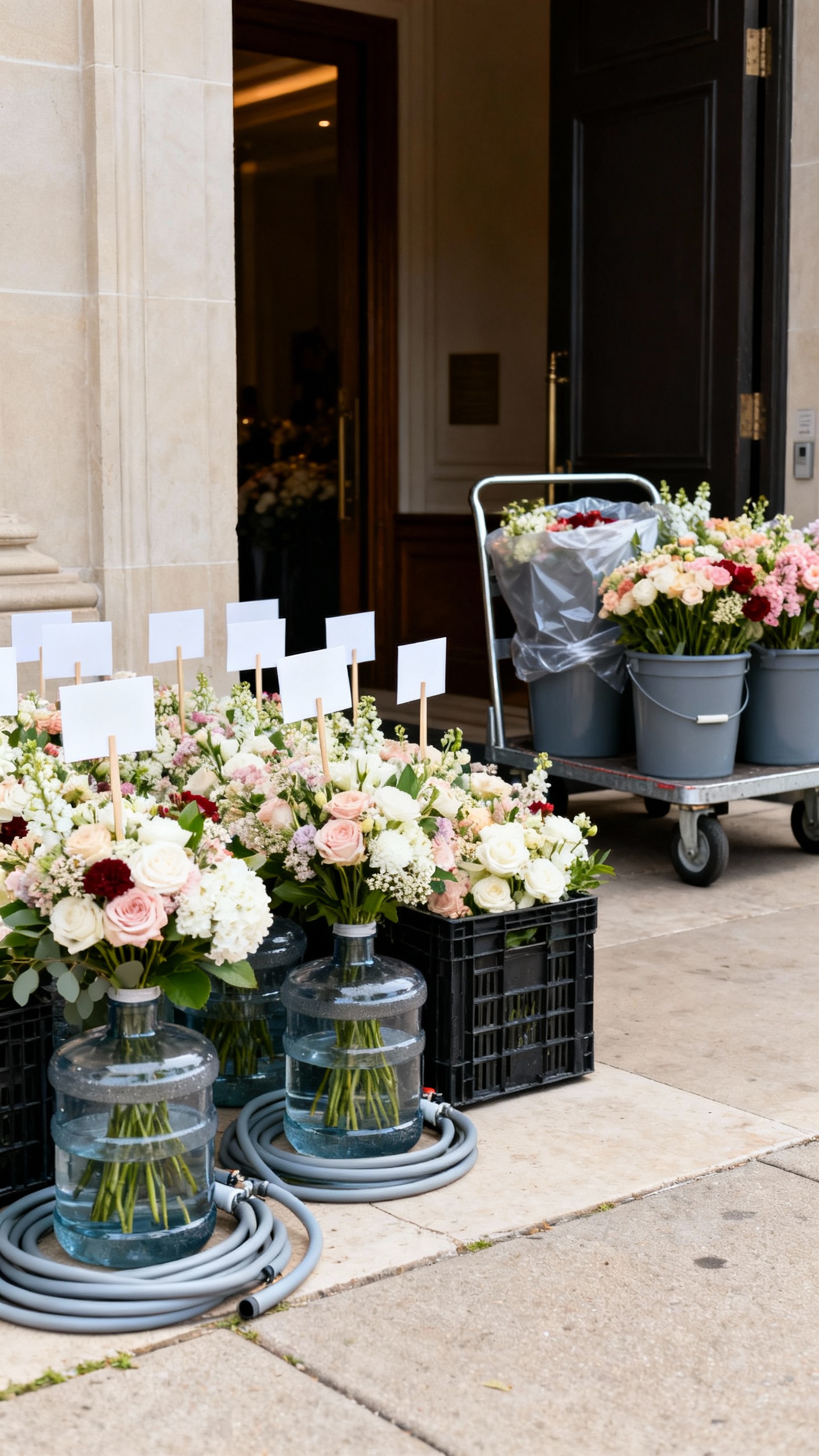
The mistake: ordering gorgeous florals without a plan for who moves them, where they go, and how they survive the day. This is how you end up with wilted aisle markers or a reception room that feels unfinished. Instead, create a reuse map (ceremony arch to sweetheart table, aisle pieces to bar), confirm set-up timing and flip fees, and assign a point person to coordinate with your florist and venue.
FAQ
How far in advance should I book my wedding florist?
Most couples book 8–12 months out for peak seasons, especially if you want a specific designer. If you’re planning faster, it’s still possible—just be flexible on flower types and consider smaller installs that are easier to source.
What’s the biggest way to save money on wedding flower decorations?
Go seasonal, reduce variety (fewer flower types looks more luxe), and focus on statement areas instead of trying to make every table a masterpiece. Greenery-forward designs and repurposing ceremony pieces can also stretch your budget a lot.
Are tall centerpieces always better for wedding reception decor?
Not always. Tall pieces can look stunning in large rooms, but they need the right structure and spacing so they don’t feel crowded. A mix of low, medium, and a few tall arrangements usually looks the most balanced and photo-friendly.
How do I make my wedding flowers look cohesive with my bridesmaids’ dresses?
Bring fabric swatches or clear photos of the dress color in natural light, then choose florals that either match (same tone family) or complement (soft contrast). Ask your florist to repeat one or two key colors across bouquets, ceremony, and reception for that intentional “pulled together” look.
Can I mix fresh flowers with dried flowers in wedding decorations?
Yes—and it can be gorgeous. The key is consistency: choose a main style (airy, modern, boho, classic) and keep your dried elements in the same color temperature as your fresh blooms. Dried pieces also work well in installs and bouquets because they hold up all day.