
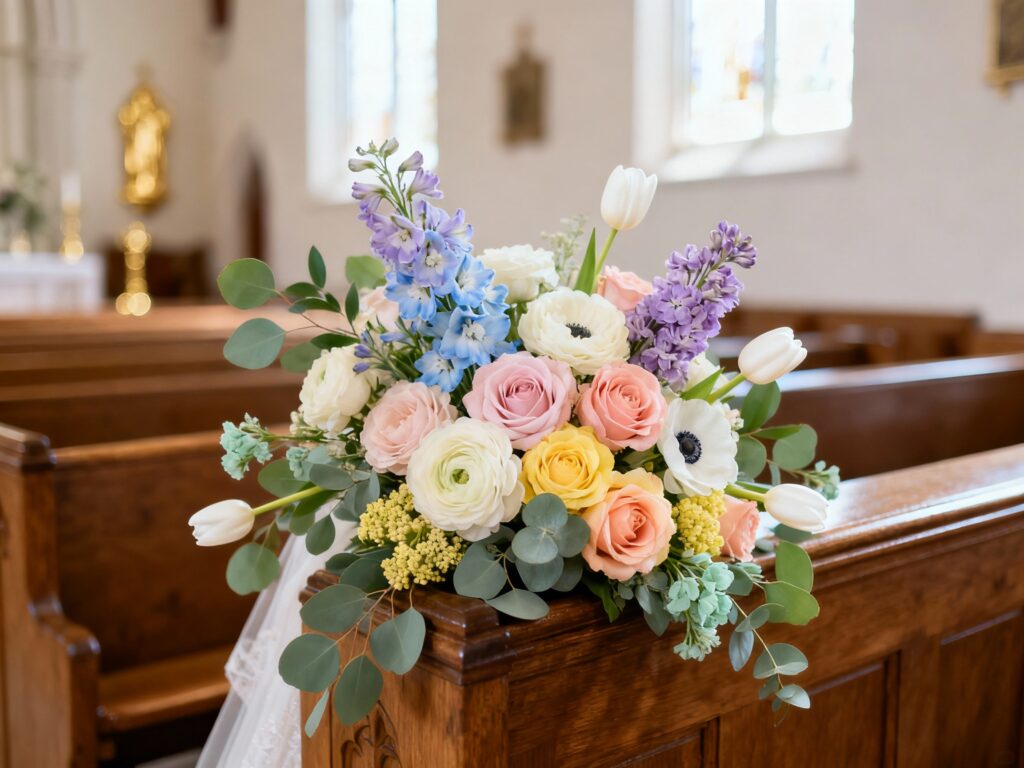
Spring weddings just hit different: softer light, fresh blooms, and that “new beginning” energy that pairs so beautifully with a Christian ceremony. If you’re dreaming of a pastel palette that feels romantic without looking overly sweet, this list is for you.
Below are five Pinterest-friendly flower color stories that photograph like a dream, feel respectful for church settings, and still look modern on your tables and in your bridal party photos.
Top 5
1) Blush + Ivory + Sage (Classic Garden Grace)
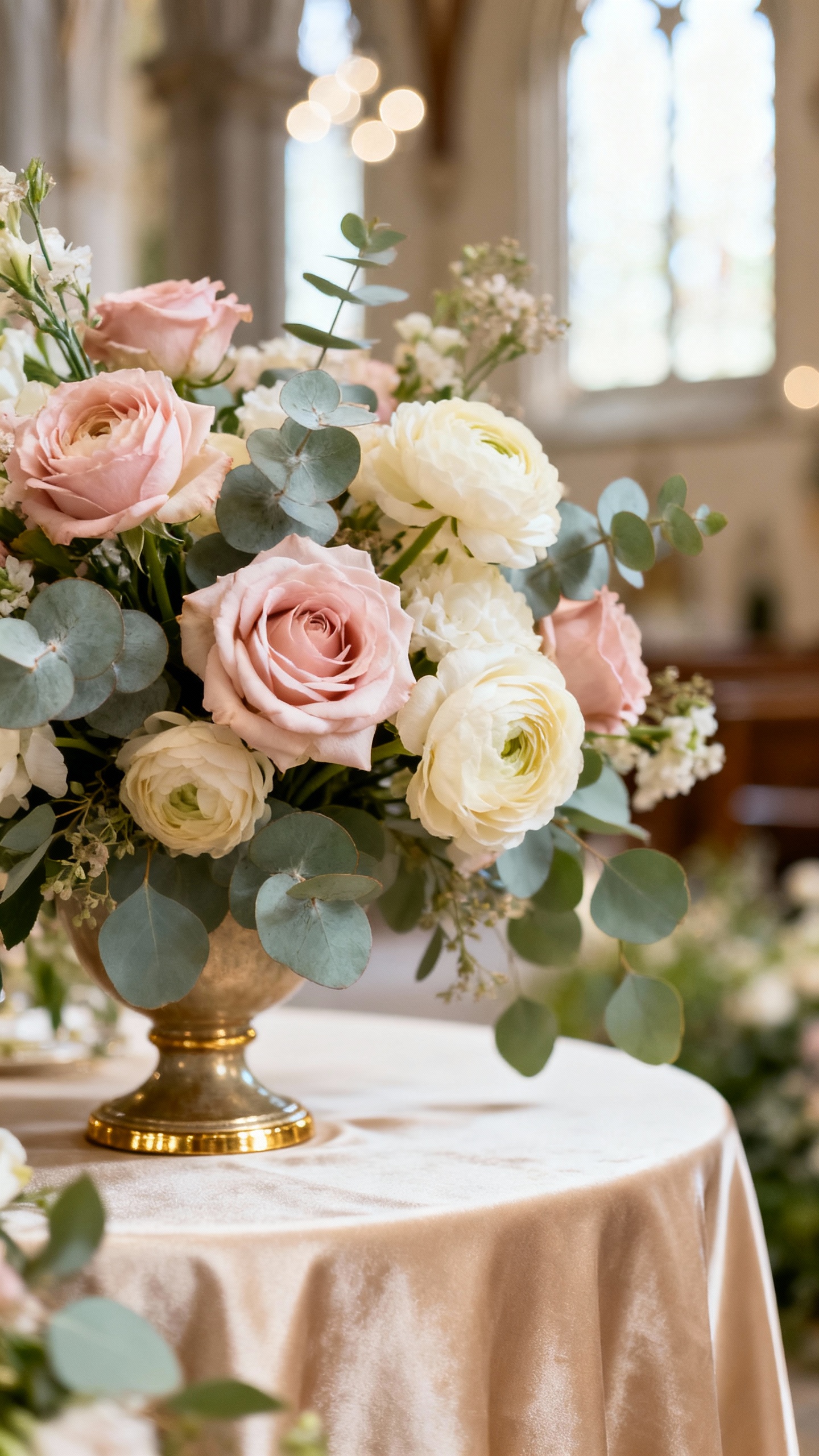
This palette is timeless for a reason: blush roses, ivory ranunculus, and soft sage eucalyptus look elegant in any sanctuary and on any skin tone. It pairs perfectly with champagne linens, gold accents, and a traditional white dress. Ask your florist for a mix of one focal bloom (garden roses), one texture bloom (ranunculus), and airy greenery to keep it light.
2) Lavender + Soft Blue + White (Heavenly Hymnals)
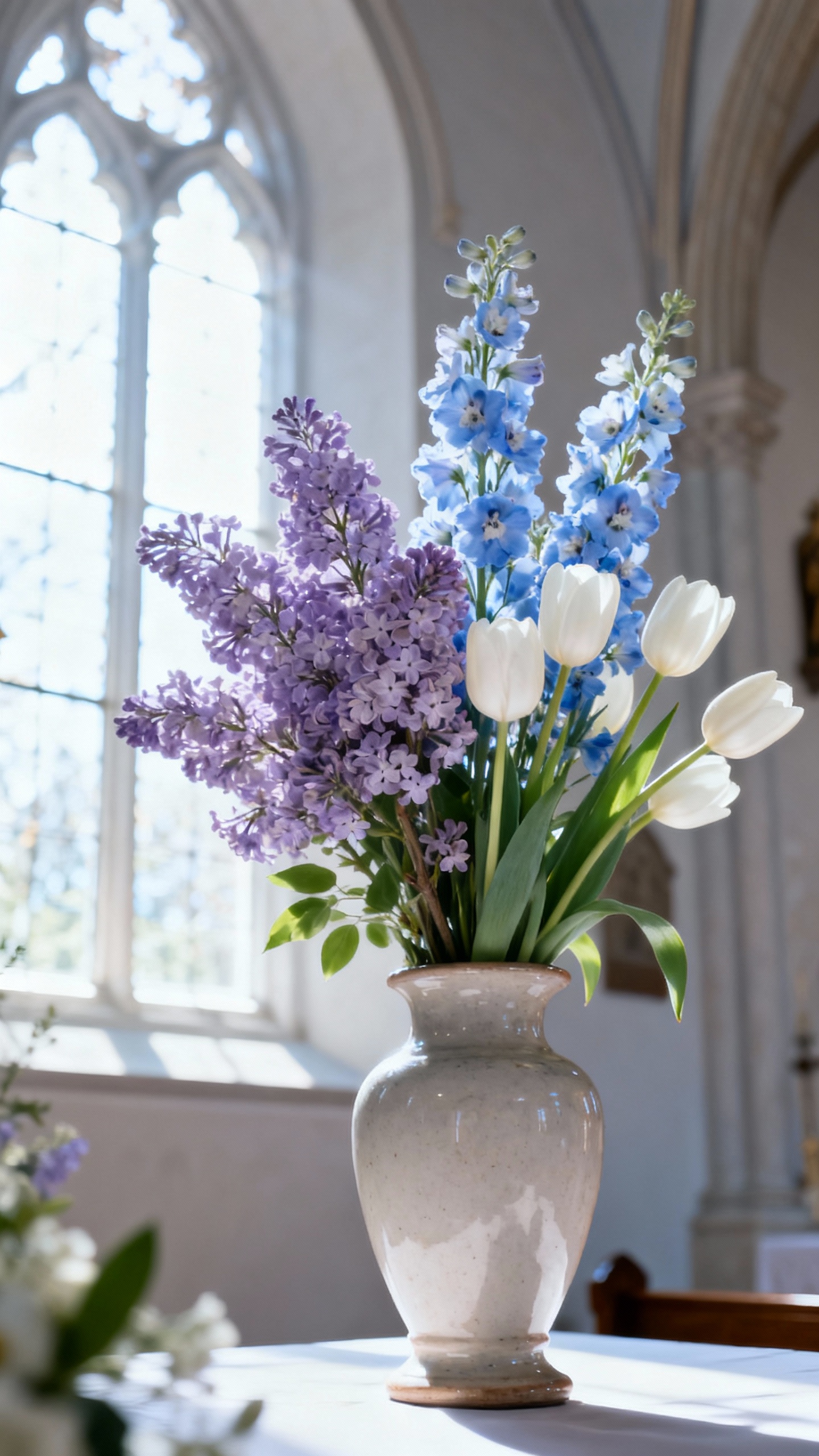
Lavender and soft blue feel peaceful, reverent, and very “spring morning.” Think lilac, delphinium, and white tulips for a fresh, not-too-frilly look that still reads romantic. This palette shines in churches with stained glass and works beautifully with dusty blue bridesmaid dresses or light gray suits.
3) Peach + Butter Yellow + Cream (Joyful Sunrise)
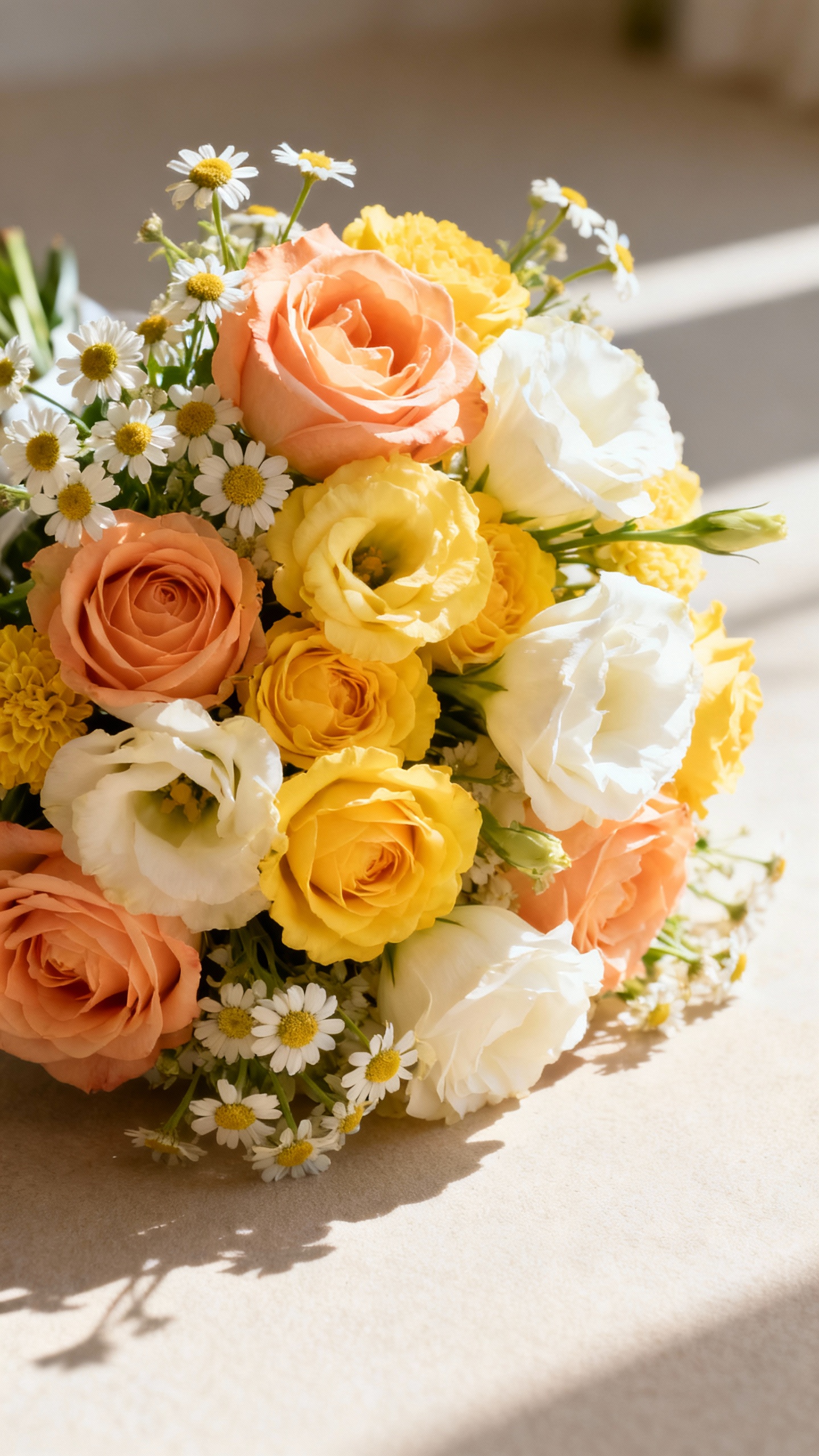
If you want pastels with warmth (and major happy vibes), peach and butter yellow are your girls. Use peach roses, yellow spray roses, and creamy lisianthus, then add a touch of chamomile or feverfew for that garden-picked feel. It’s especially gorgeous for morning ceremonies, brunch receptions, and outdoor fellowship-hall celebrations.
4) Ballet Pink + Pale Coral + Fresh Green (Sweet & Modern)
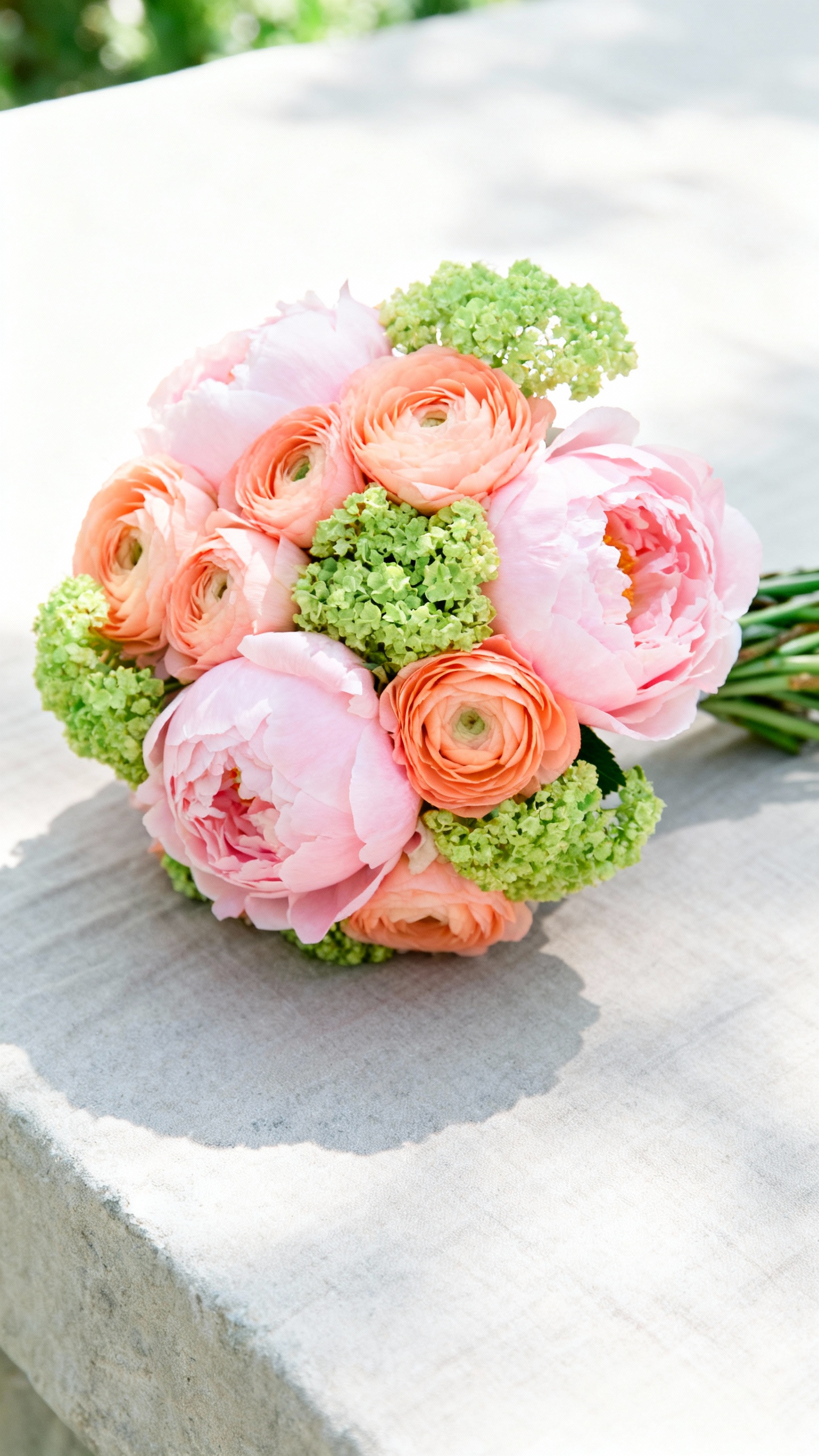
This combo looks soft in person but pops in photos, which is the Pinterest sweet spot. Mix ballet pink peonies (or roses if peonies aren’t in season), pale coral ranunculus, and crisp green accents like viburnum or ruscus. Keep bridesmaid bouquets slightly smaller and airy so the color story feels polished, not heavy.
5) Mint + Blush + White (Spring Sanctuary Chic)
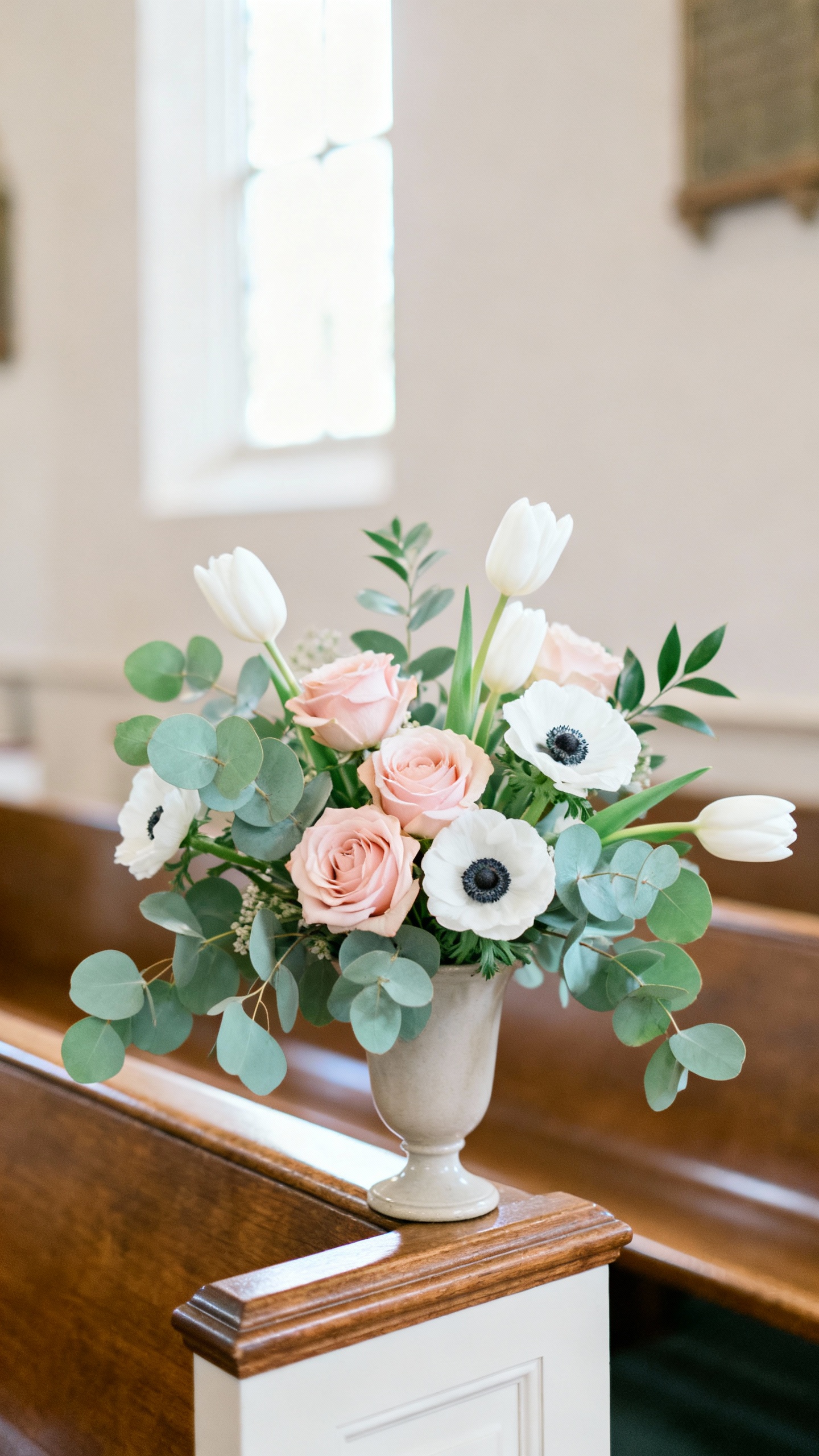
Mint reads fresh and clean, making it a lovely choice for Christian spring weddings that lean simple and intentional. Pair white anemones or tulips with blush roses and minty eucalyptus for a look that’s calm, modern, and ceremony-friendly. This palette also plays well with minimalist decor: white aisle markers, clear bud vases, and soft candlelight.
FAQ
How do I keep pastel bouquets from looking “too baby shower”?
Balance soft colors with structure and texture. Ask for one defined focal flower (like roses), one airy element (like sweet peas), and a clean green (like ruscus or eucalyptus), then keep ribbon choices elevated (ivory satin, champagne, or a tone-on-tone pastel). Avoid packing every stem tightly; airy designs feel more modern.
What flowers are best for spring pastel wedding palettes?
Great spring options include ranunculus, tulips, anemones, sweet peas, lilac (when available), spray roses, and lisianthus. Peonies can be available in late spring depending on location, but they’re not guaranteed, so ask your florist about realistic timing and a backup bloom with a similar vibe.
How can I make these palettes work for a church ceremony?
Keep the color story soft and cohesive, and focus on classic placements: altar arrangements, pew markers, and a simple aisle moment. White and ivory always read respectful and timeless, while pastel accents add spring freshness without distracting from the ceremony. Also, consider foam-free or low-drip designs if your church has guidelines.
Do pastel florals photograph well, or will they look washed out?
They photograph beautifully when there’s enough contrast. Add white blooms for brightness and a slightly deeper accent (like dusty blue, soft coral, or deeper greenery) so the palette has definition. For portraits, bouquet shape matters too—slightly asymmetrical, garden-style bouquets give more dimension on camera.
How do I choose bridesmaid dress colors to match pastel flowers?
Pick one “anchor” dress color that repeats a tone in your bouquet, then let the flowers tie everything together. Dusty blue pairs well with lavender palettes, champagne works with blush/ivory, and sage looks amazing with mint or peach. If you’re doing mismatched dresses, keep the undertones consistent (all warm or all cool) for a clean, intentional look.