
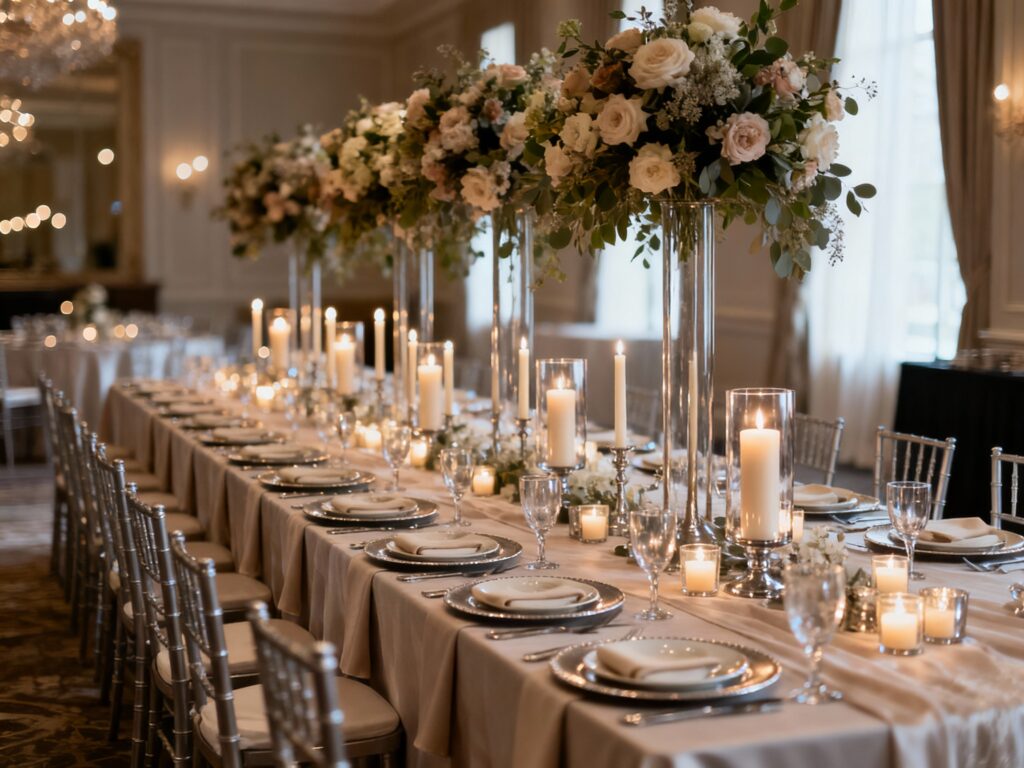
Indoor receptions are the perfect playground for luxury table decor because you control the lighting, the vibe, and every little detail guests see up close. And when the tables look expensive, the whole wedding instantly feels elevated—no matter the venue.
Below are five high-impact table decor ideas that photograph like a dream (hello, Pinterest) and also work in real life—meaning guests can actually dine, toast, and mingle without battling a centerpiece.
Top 5
1) Statement Centerpieces with Layered Height
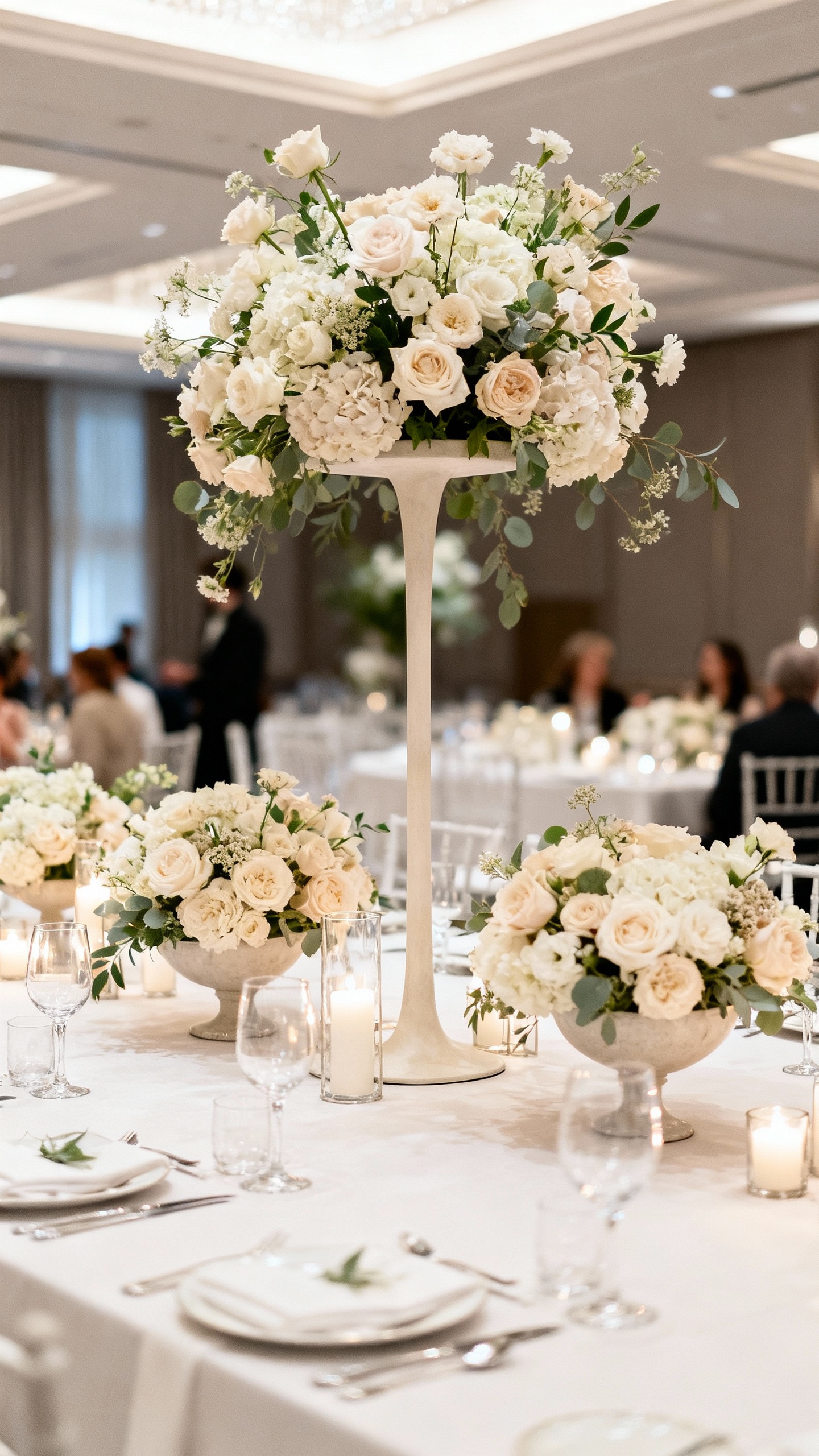
Luxury tablescapes love dimension: mix tall arrangements (on sturdy stands) with low compotes so the table looks full but still functional. Keep tall florals airy and lifted so guests can see each other, and use low pieces to fill the “in-between” spaces. For a cohesive look, repeat one hero flower (like roses, ranunculus, or orchids) and add texture with seasonal greens.
2) Fine-Linen Foundation: Tablecloths, Runners, and Napkin Styling
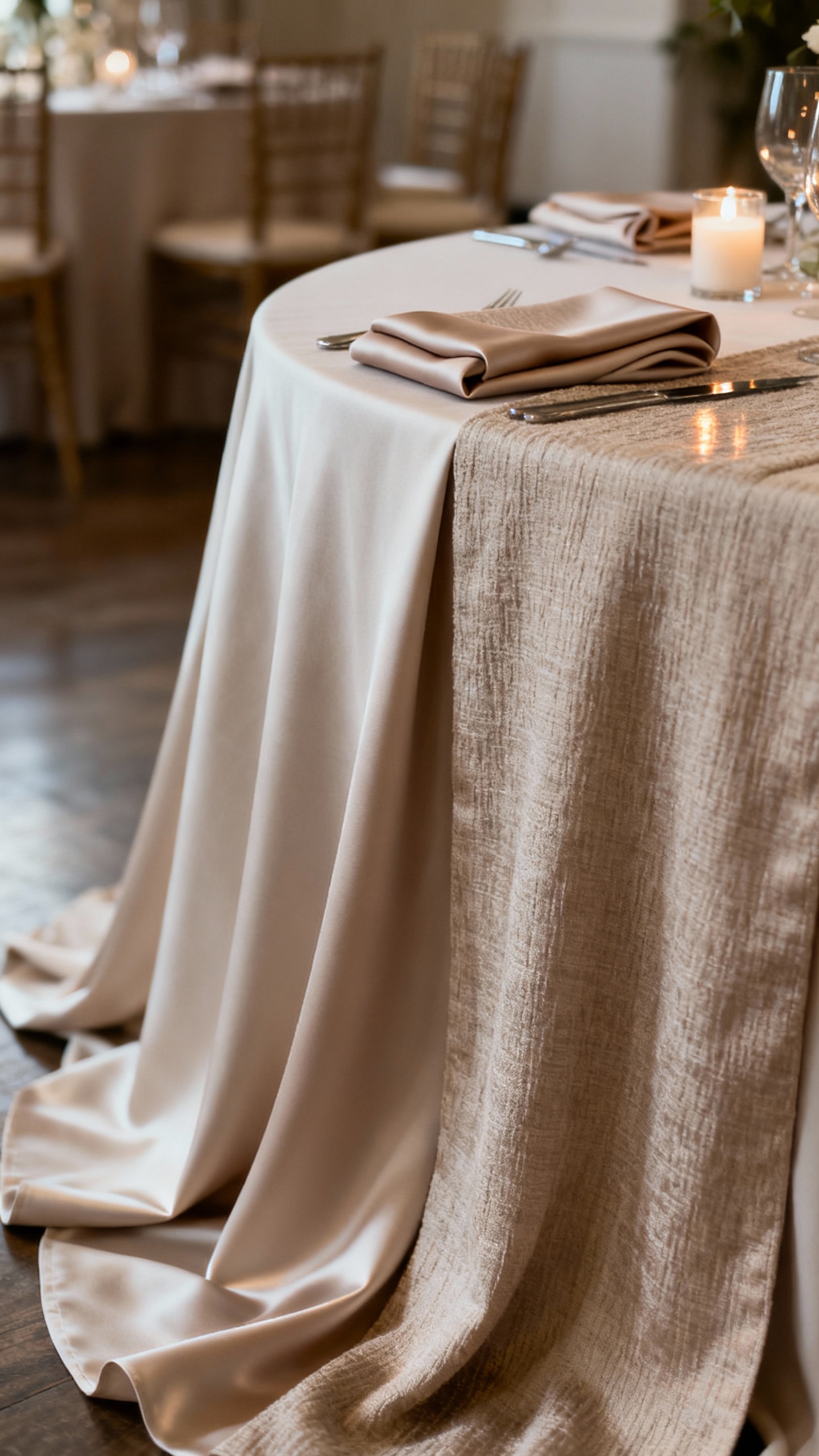
Nothing says “luxury” faster than real fabric with weight—think floor-length linens, soft matte satins, or textured weaves that catch candlelight. Choose one statement textile moment: a tonal runner, a patterned cloth, or a napkin in a rich color, then keep the rest streamlined. Finish with an intentional fold (or a loose drape) and a simple menu card on top for a polished place setting.
3) Elevated Place Settings: Chargers, Layered Plates, and Flatware Shine
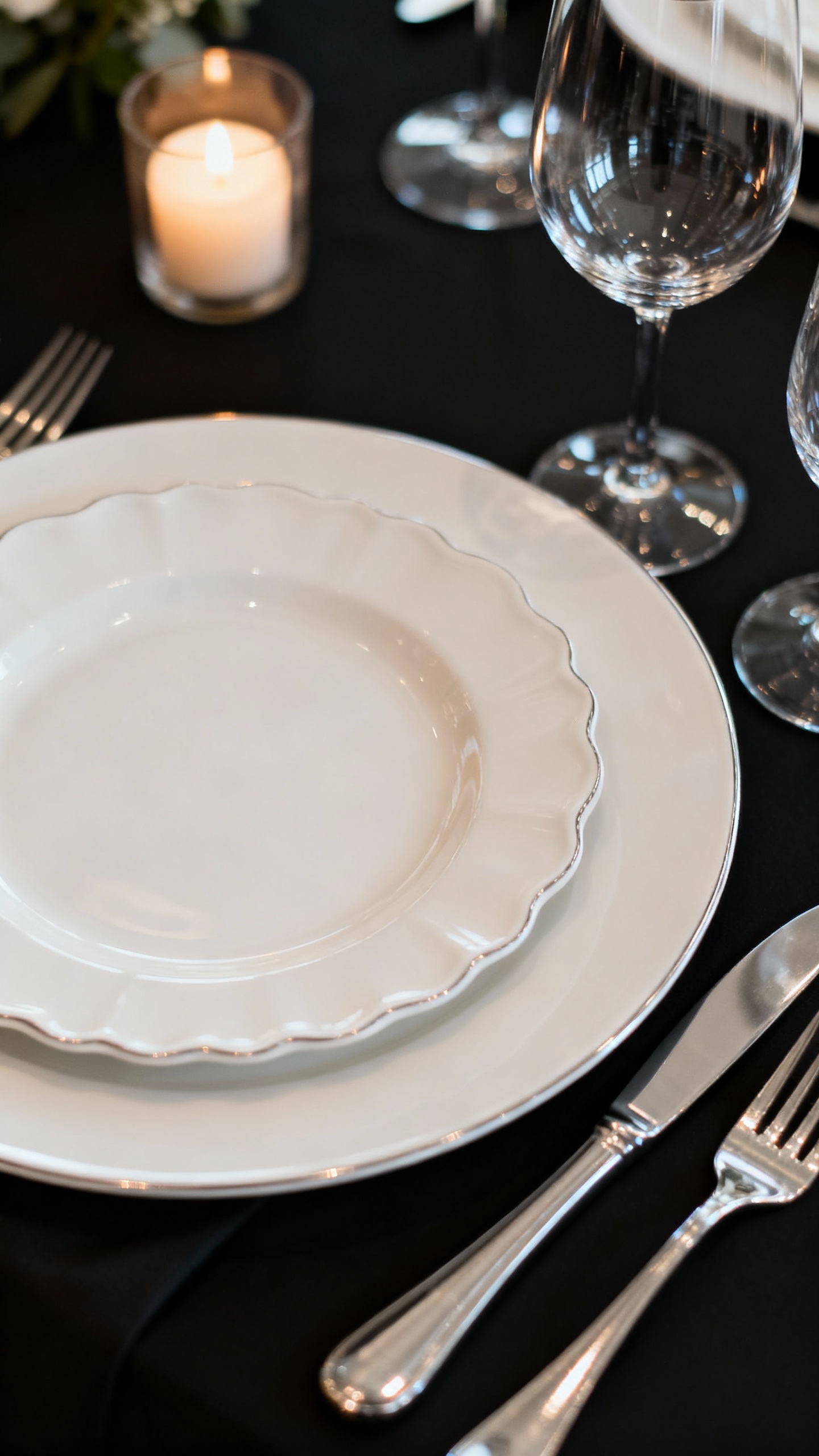
Layering is the secret: charger + dinner plate + salad plate instantly reads “black-tie energy,” even with minimalist colors. Go for materials that look substantial in photos—bone china, scalloped edges, or stoneware with a refined glaze. Pair with sleek flatware (gold, brushed silver, or black) and keep glassware consistent across the table for that clean, editorial look.
4) Candlelight and Glow: Mixed Votives, Tapers, and Warm Dimming
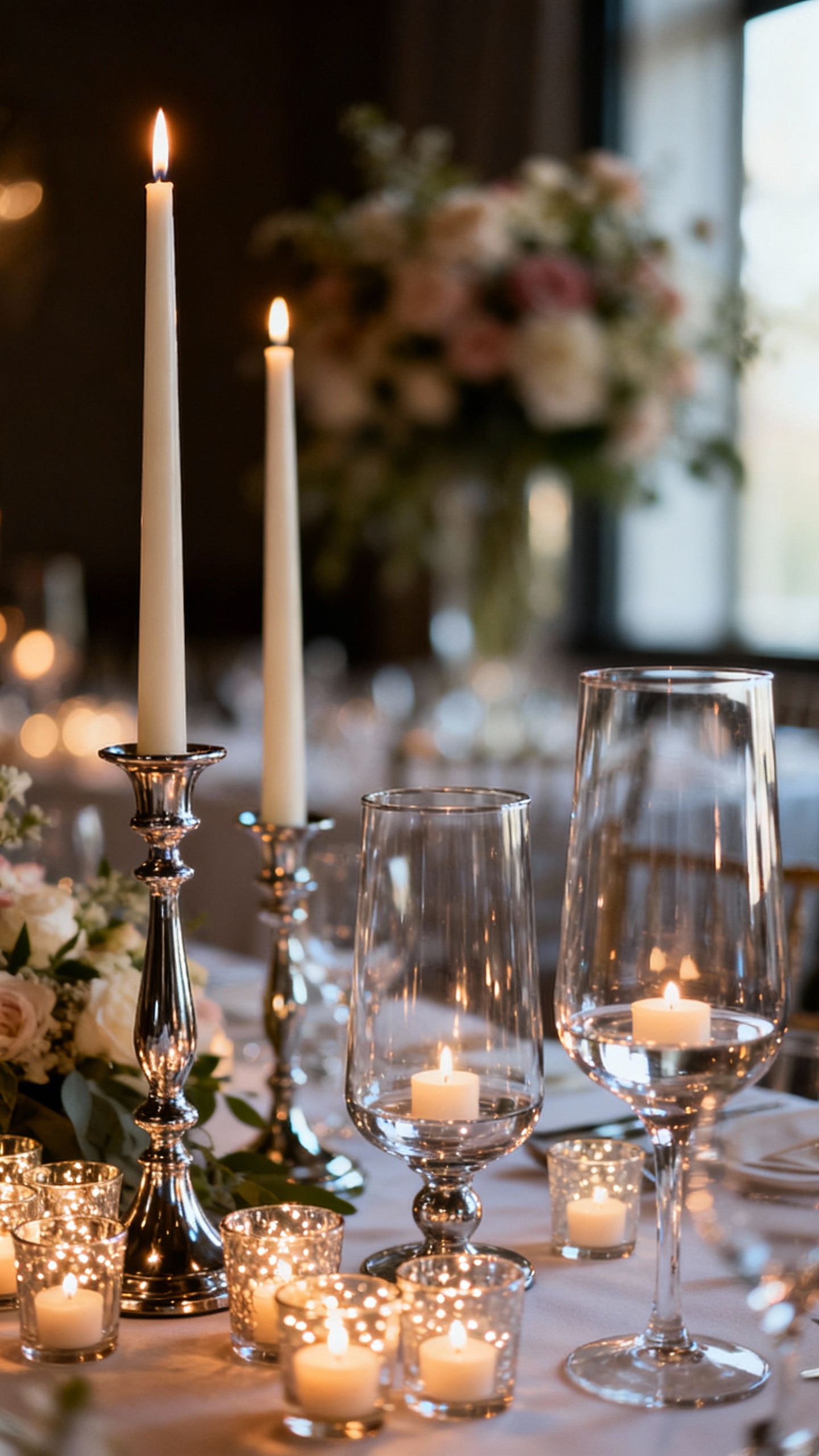
Indoor receptions thrive on lighting, and candles make everything feel more intimate and high-end. Mix heights: taper candles for drama, votives for twinkle, and a few hurricanes for safety and stability (especially near florals). Ask your venue or planner to dim overhead lights, then let the tables do the glowing—just keep scents out so they don’t compete with dinner.
5) Personal Touches That Still Feel Luxe: Escort Details, Menus, and Favor Styling
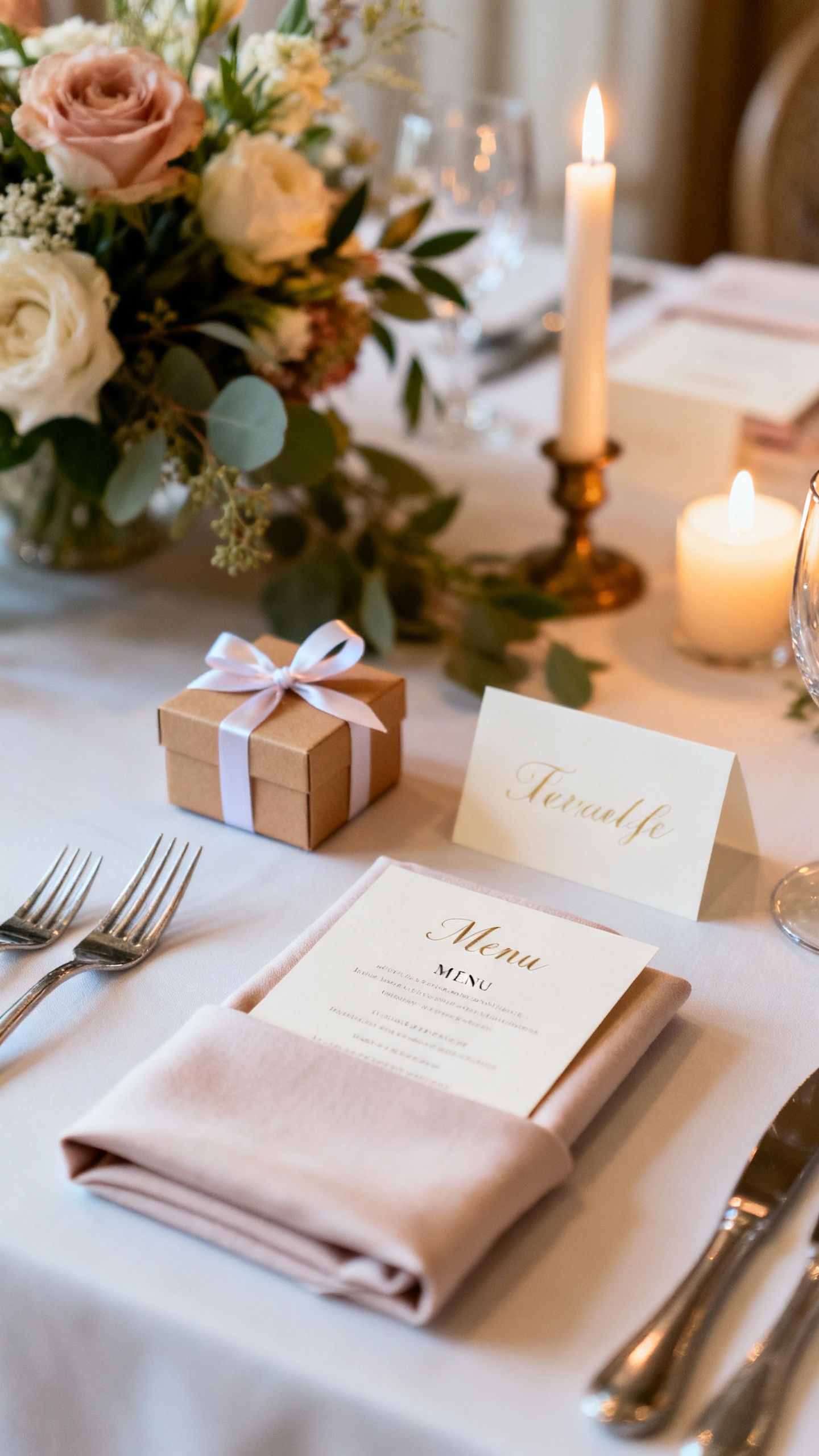
Luxury isn’t always more stuff—it’s thoughtful, coordinated details that look intentional. Try embossed or letterpress menus, custom place cards, or a chic menu “moment” tucked into the napkin. If you’re doing favors, make them part of the design: a tiny boxed treat, a ribboned keepsake, or a mini bottle placed neatly at each setting (matching your palette and typography).
FAQ
How do I make indoor tables feel luxurious without spending a fortune?
Pick one “wow” upgrade and repeat it: beautiful linens, candle clusters, or upgraded chargers can carry the whole look. Use a tighter color palette (2–3 main tones) so everything feels curated, and focus on texture—fabric, glass, and metallic accents photograph like luxury even in smaller quantities.
What centerpiece height is best for guest conversation?
Go either low (below eye level) or truly tall (above eye level) so faces aren’t blocked. A practical rule: keep low pieces under about 12 inches, or choose elevated designs on stands where the flowers start higher up and stay airy.
Are chargers necessary for a luxury look?
Not required, but they’re one of the easiest ways to add structure and sparkle to a place setting. If chargers aren’t in the budget, mimic the layered look with a larger dinner plate, a textured napkin, and a menu card to create that “styled” effect.
What candle types are safest for indoor receptions?
Votives and candles in glass are the most stable, and hurricanes are great near florals or in high-traffic spaces. Always confirm venue rules—some require enclosed flames or LED candles—and keep candles away from low-hanging greenery, ribbons, and paper goods.
How do I keep my tables from looking cluttered?
Give every item a “job”: florals for beauty, candles for glow, paper for information, and dinnerware for function. Stick to one focal point per place setting (like a menu card or a napkin detail), and leave clear space for plates, water glasses, and shared dishes so the table feels luxe—not crowded.