
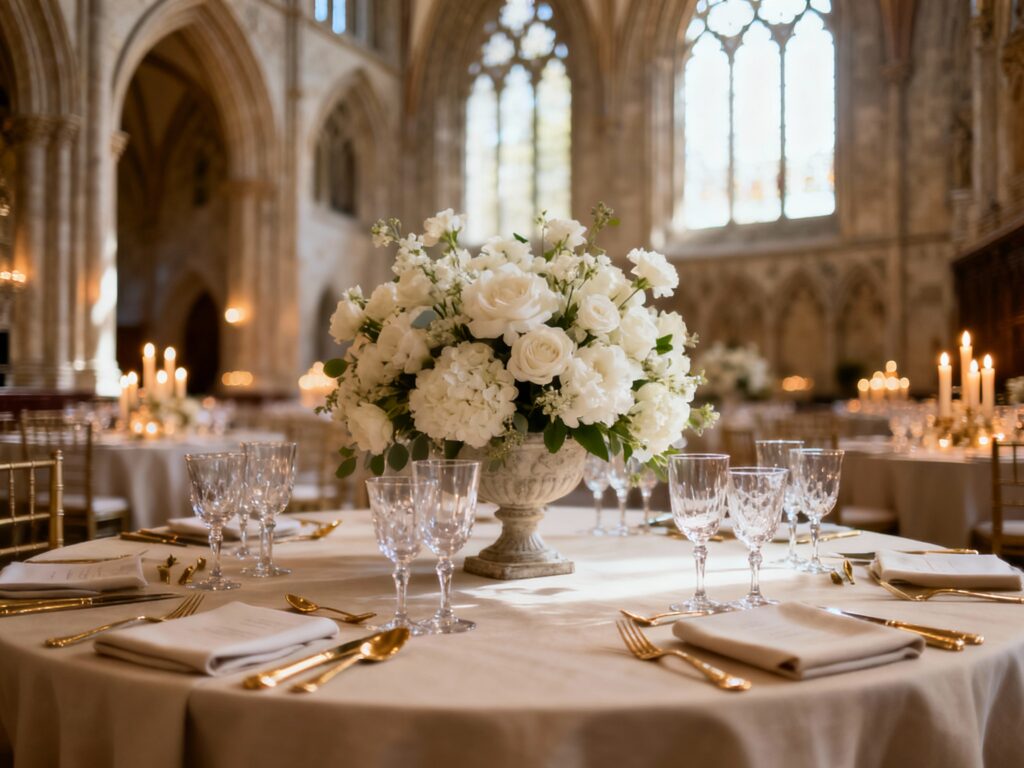
Christian luxury wedding flower centerpieces are that sweet spot where reverence meets runway. Think elevated arrangements that feel intentional, symbolic, and totally “wow” in photos—without turning the reception into a flower shop.
Below are five centerpiece directions that pair classic Christian wedding meaning with high-end design details, so your tables feel cohesive, timeless, and genuinely you.
Top 5
1) Cathedral White Roses + Soft Candlelight
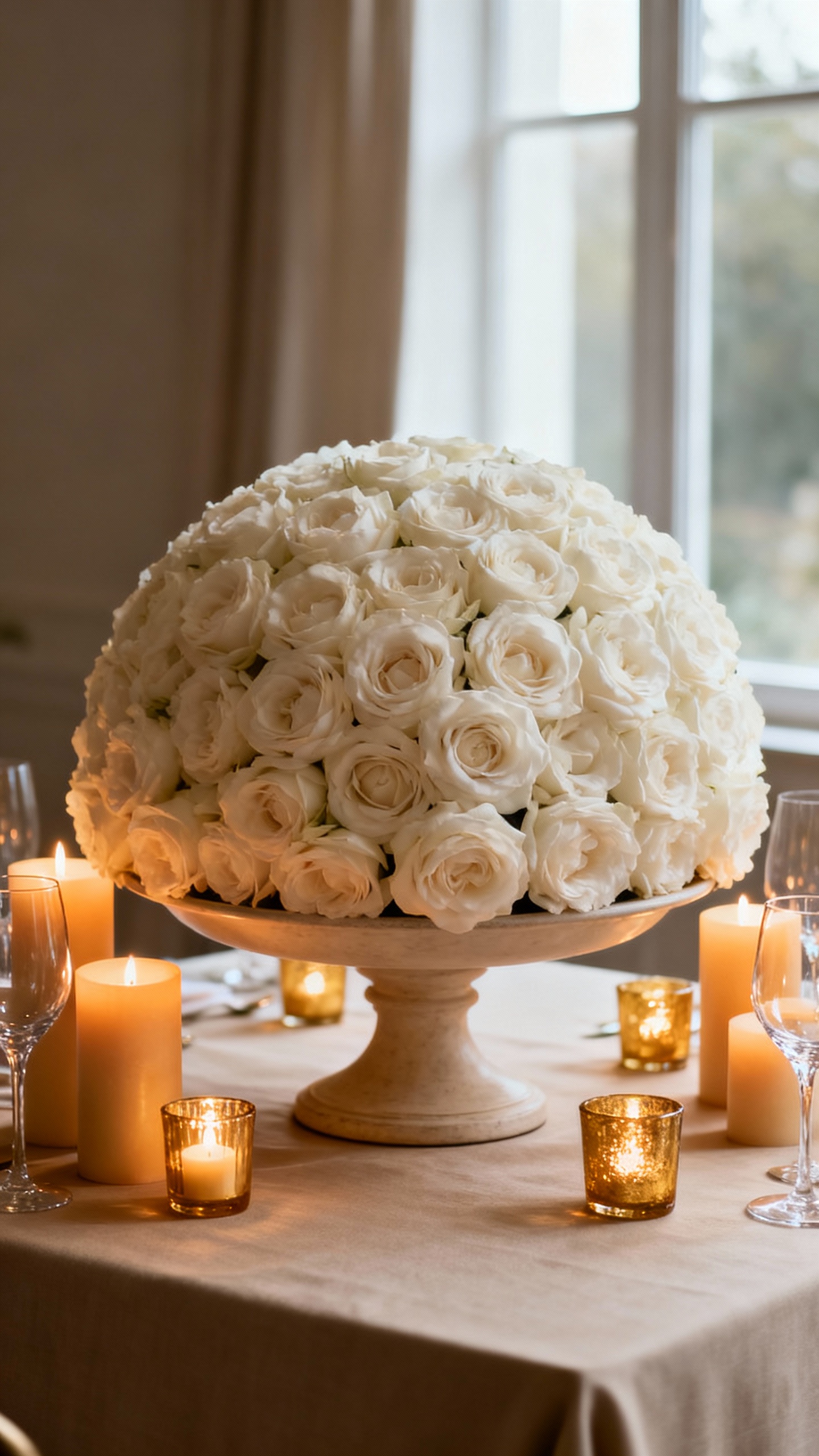
White roses are a luxury classic, and they photograph like a dream under warm candlelight. Ask your florist for garden roses or premium standard roses in a rounded, lush shape, then layer in taper candles at varying heights for a “cathedral glow” vibe. Keep the vase low and refined (white ceramic or clear crystal) so guests can actually talk across the table.
2) Olive Branch + Orchid “Peace & Plenty” Arrangement
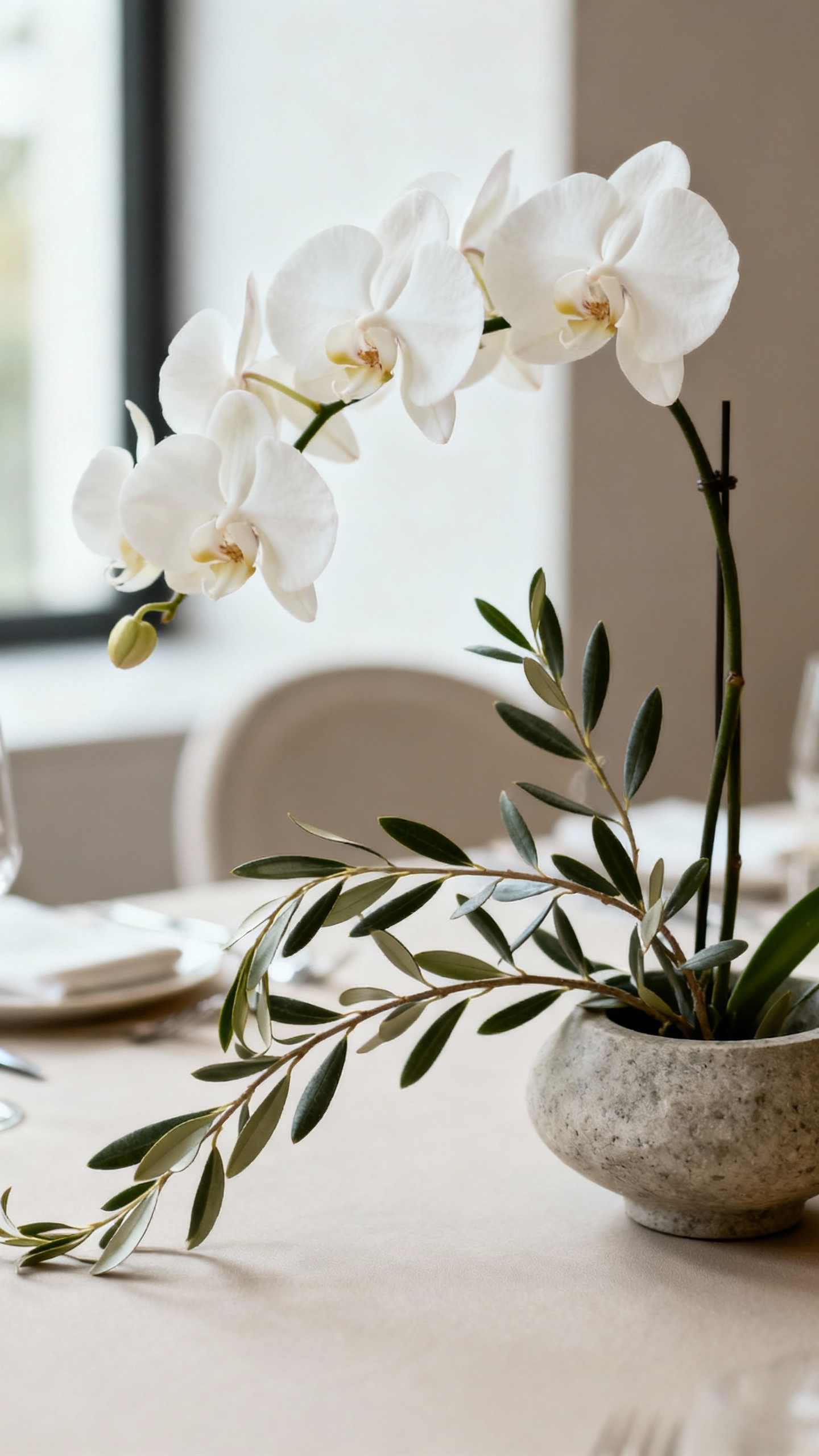
Olive branches nod to peace and biblical symbolism, while orchids bring that unmistakable high-end finish. A chic move is a low centerpiece with olive greenery draping slightly outward, topped with clean white phalaenopsis blooms for a modern, editorial look. This style works especially well with neutral linens, gold flatware, and a minimal place setting.
3) Cross-Inspired Floral Linework (Minimal, Architectural)
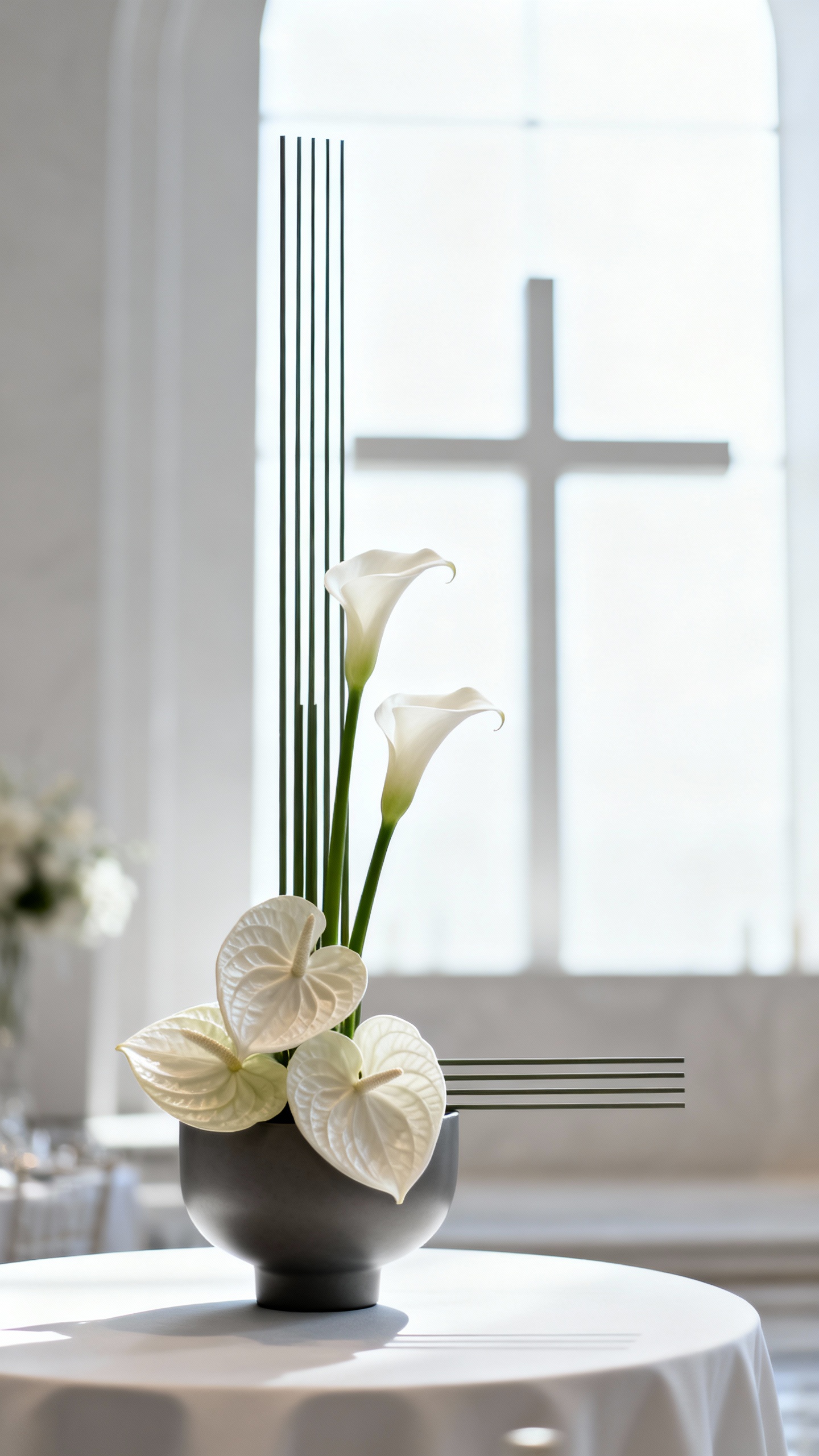
If you love modern luxury, go for a centerpiece that hints at a cross through shape rather than a literal cross on the table. Your florist can build a slim, structured design using calla lilies, anthurium, or tulips with linear greenery to create a subtle “plus” silhouette from above. It’s an elegant way to reflect faith while keeping the tablescape fashion-forward and not overly themed.
4) White Hydrangea + Pearls + Crystal Vase Moment
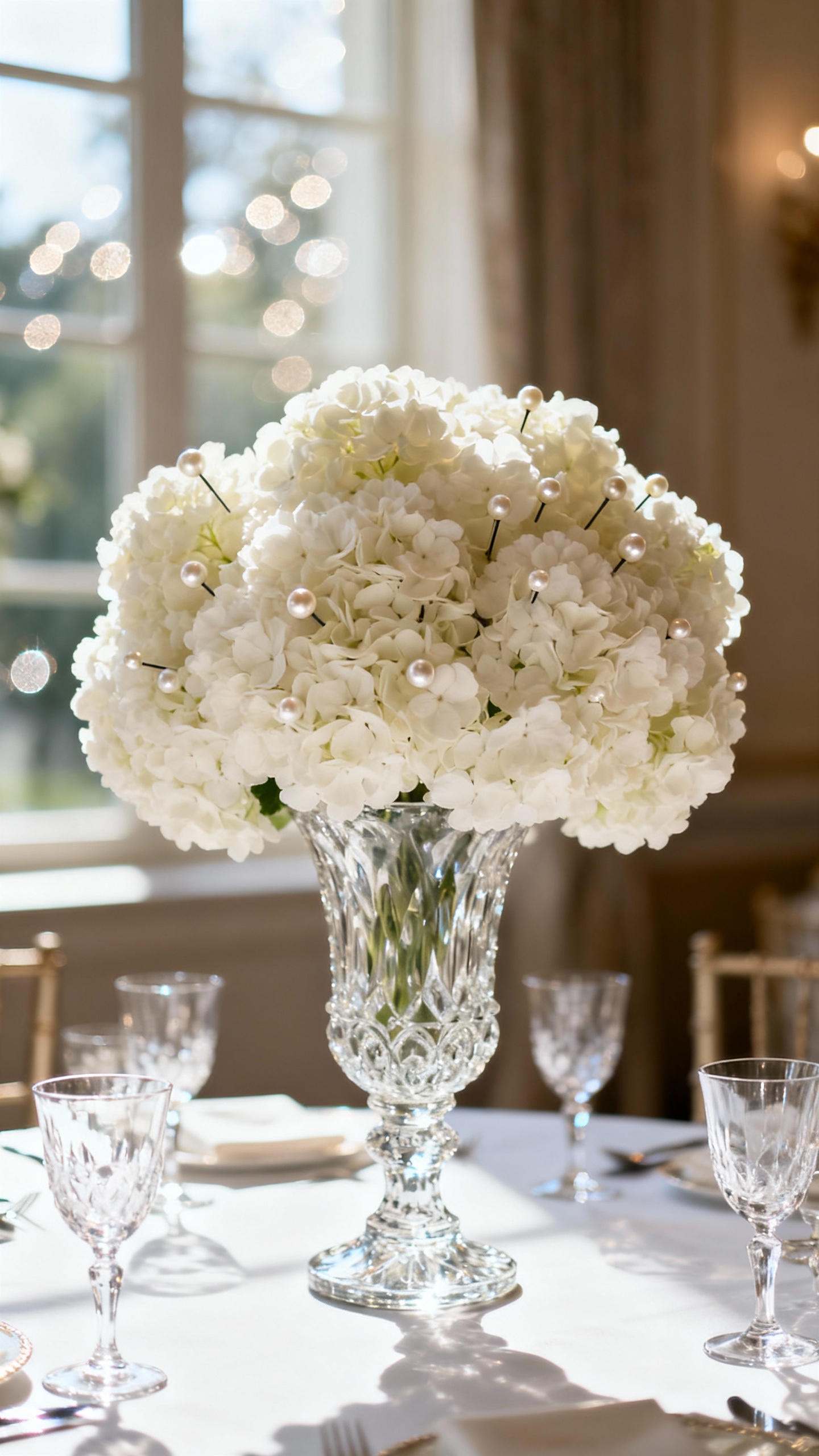
Hydrangeas give instant fullness (aka luxury volume) and feel timeless in traditional Christian ceremonies. Pair fluffy white hydrangea with a few pearl-like accents—think pearl pins tucked discreetly or a pearl strand wrapped around the vase base—for a soft, heirloom vibe. Choose a cut-crystal or faceted glass vase to catch the reception lighting and look expensive in every angle.
5) Seasonal “Creation Palette” with Scripture-Inspired Color
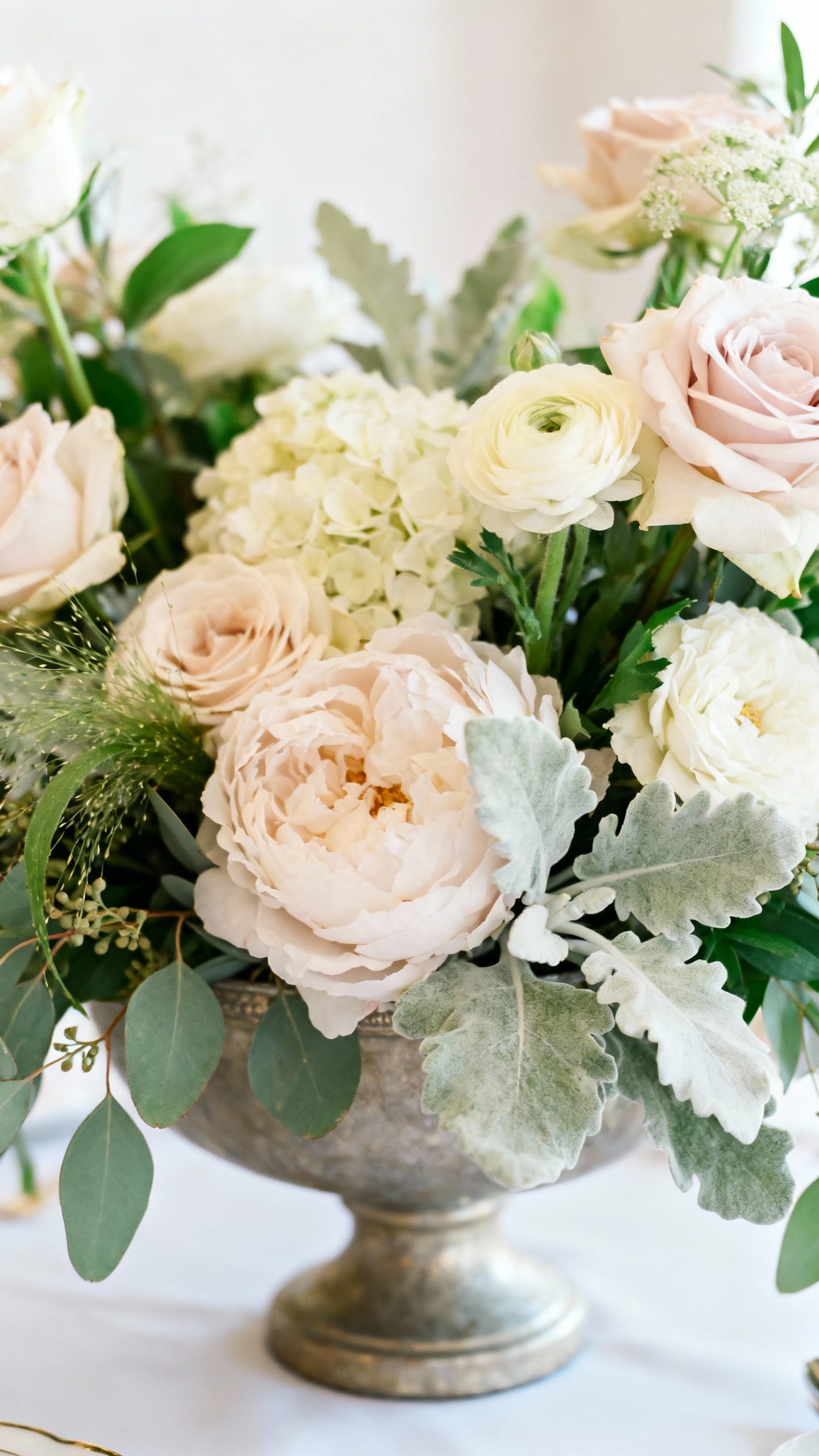
For a centerpiece that feels personal and elevated, build your color story around a meaningful scripture theme—like “joy” in soft blush and cream, or “peace” in ivory and sage. Keep it luxury by using fewer varieties in higher quality (ranunculus, sweet peas, peonies when in season) and repeating the palette across every table. Bonus: this ties your florals to your stationery, bridesmaid dresses, or even stained-glass details from your ceremony space.
FAQ
How do I make centerpieces feel “luxury” without overspending?
Prioritize premium blooms in a tight palette and invest in one strong design element: a gorgeous vase, candle layering, or a statement bloom like orchids. You can also go bigger on the head table and sweetheart table, then keep guest tables consistent but slightly simpler. Reusing ceremony florals at the reception is another planner-approved way to stretch the budget.
What flowers feel most classic for a Christian luxury wedding?
White roses, garden roses, hydrangea, lilies, and orchids are the go-to staples because they read timeless and formal. Olive branch and eucalyptus add a subtle biblical or “Holy Land” feeling without looking themed. If you want softness, add gentle accents like ranunculus or sweet peas in cream tones.
Is it okay to include a cross in the centerpiece?
Yes—if it fits your venue rules and your overall aesthetic. The most elegant approach is subtle: a cross motif in the tablescape (like a small charm tied to a menu, or cross-shaped linework in the arrangement) rather than a large object that blocks views. If you do include a physical cross, keep it low, refined, and coordinated with your metals and linens.
What centerpiece height works best for conversation and photos?
Low, lush centerpieces (generally under 12–14 inches tall) are the safest for guest comfort and look great in overhead shots. If you want height, go tall enough to clear sightlines—think elevated arrangements on stands where the flowers sit above eye level. Either way, balance it with candles so the tables feel warm and layered in photos.
How can I tie faith into the tablescape without it feeling overly literal?
Use symbolism through color, greenery, and intentional details: olive for peace, white for purity, and candlelight for warmth and reverence. Add scripture in your menus or place cards, or name tables after meaningful virtues (Faith, Hope, Joy, Grace). The key is consistency—one or two thoughtful cues repeated throughout will feel elevated and genuine.