
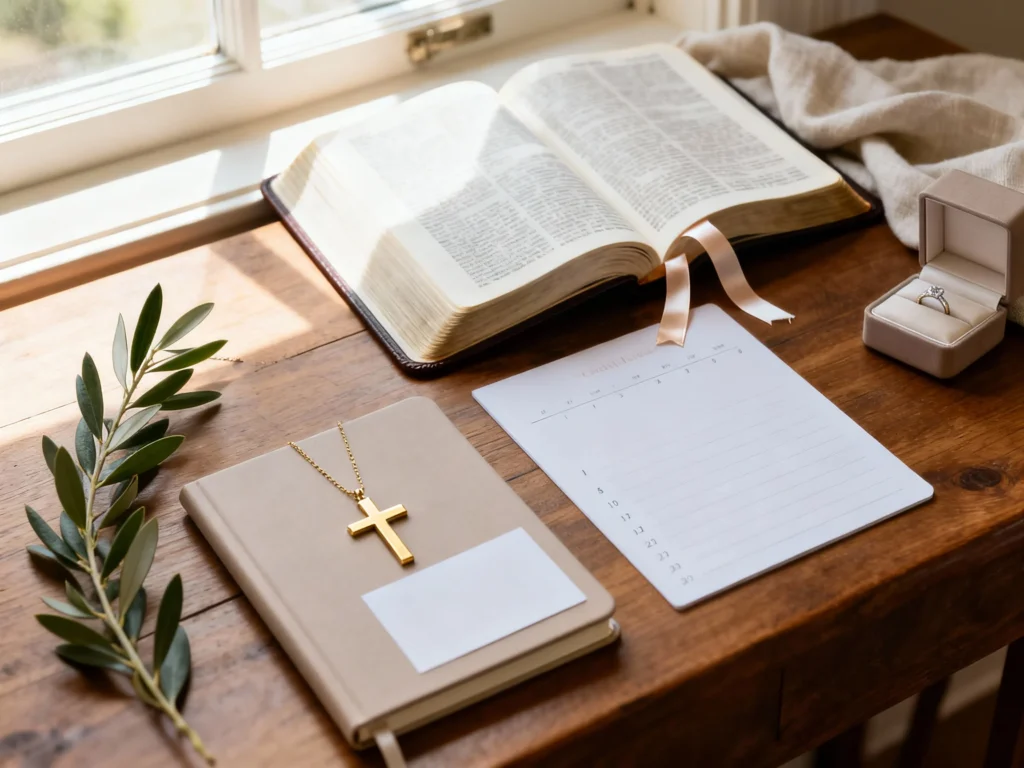
Planning a Christian wedding is equal parts beautiful and meaningful: you’re creating an experience that looks stunning and also points back to your faith. A clear checklist helps you stay organized while leaving room for prayer, community, and joyful celebration.
Use this Christian wedding planning checklist to map out the ceremony details, the aesthetic, and the spiritual elements that make your day feel like you. Keep it practical, keep it personal, and let every choice support the covenant you’re celebrating.
1) Start with prayer, vision, and a planning timeline
Before you book anything, pray together about what you want your wedding day to communicate and how you want it to feel. Write a one-paragraph “wedding vision” that includes your faith priorities and your aesthetic (classic, garden, modern, etc.). Choose a date range, then build a simple timeline with key milestones like booking vendors, sending invitations, and final meetings. This sets a calm, intentional tone for every decision after.

2) Set a values-based budget and guest count
Decide what you want to invest in most—venue, photography, food, live music, or meaningful ceremony elements. Confirm who is contributing financially and how decisions will be made to avoid stress later. Estimate guest count early because it impacts the venue, catering, invitations, and even ceremony layout. Leave a small margin for unexpected expenses like altar flowers, marriage license fees, or extra rentals.

3) Choose your church, officiant, and premarital counseling plan
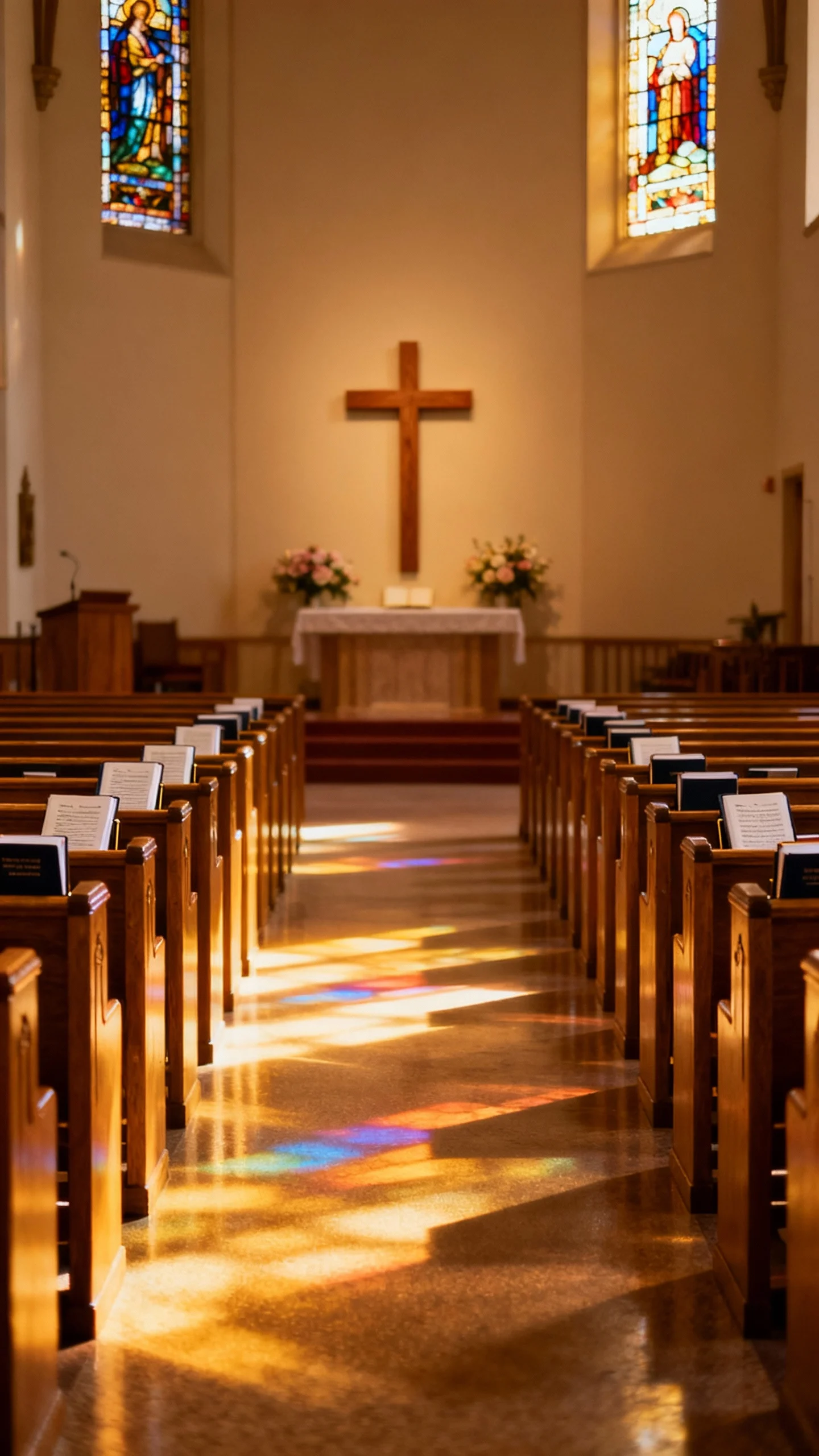
If you’re marrying in a church, check availability first and ask about requirements like membership, counseling, or rehearsal rules. Meet with your pastor or officiant to align on theology, ceremony flow, and any needed paperwork. Schedule premarital counseling early so it doesn’t collide with the busiest planning months. Ask about music guidelines and décor policies so your aesthetic plans fit the space.
4) Book your venue(s) and lock in ceremony-to-reception flow
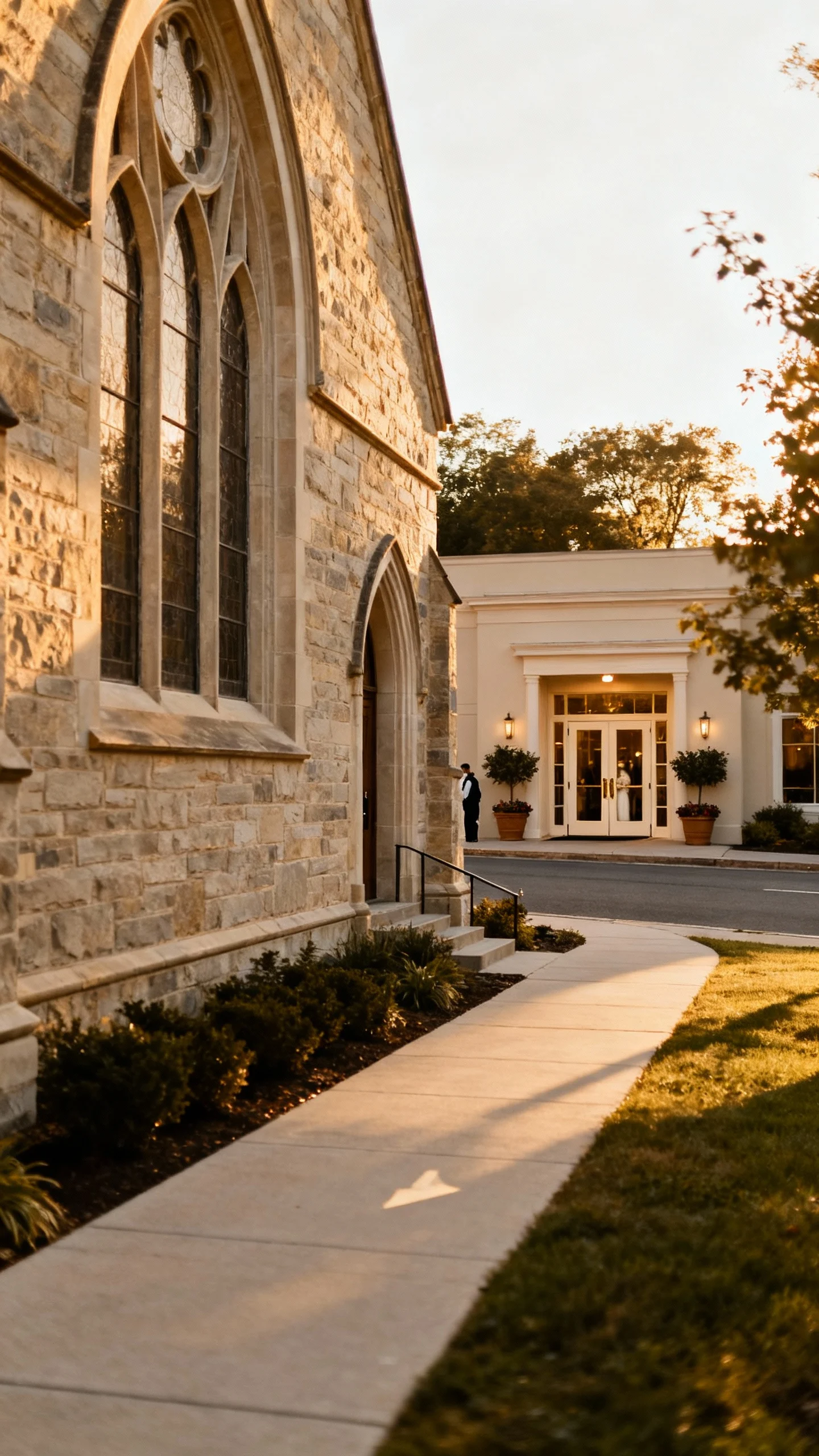
If your reception is off-site, confirm travel time, parking, and whether you need transportation for the wedding party or guests. Plan the “momentum” of the day: ceremony end time, photo locations, cocktail hour length, and grand entrance timing. Make sure your venue contract covers setup windows, rain plans, and what’s included (tables, chairs, linens). A smooth flow keeps your day feeling peaceful and celebratory.
5) Build a vendor team that supports your tone and faith
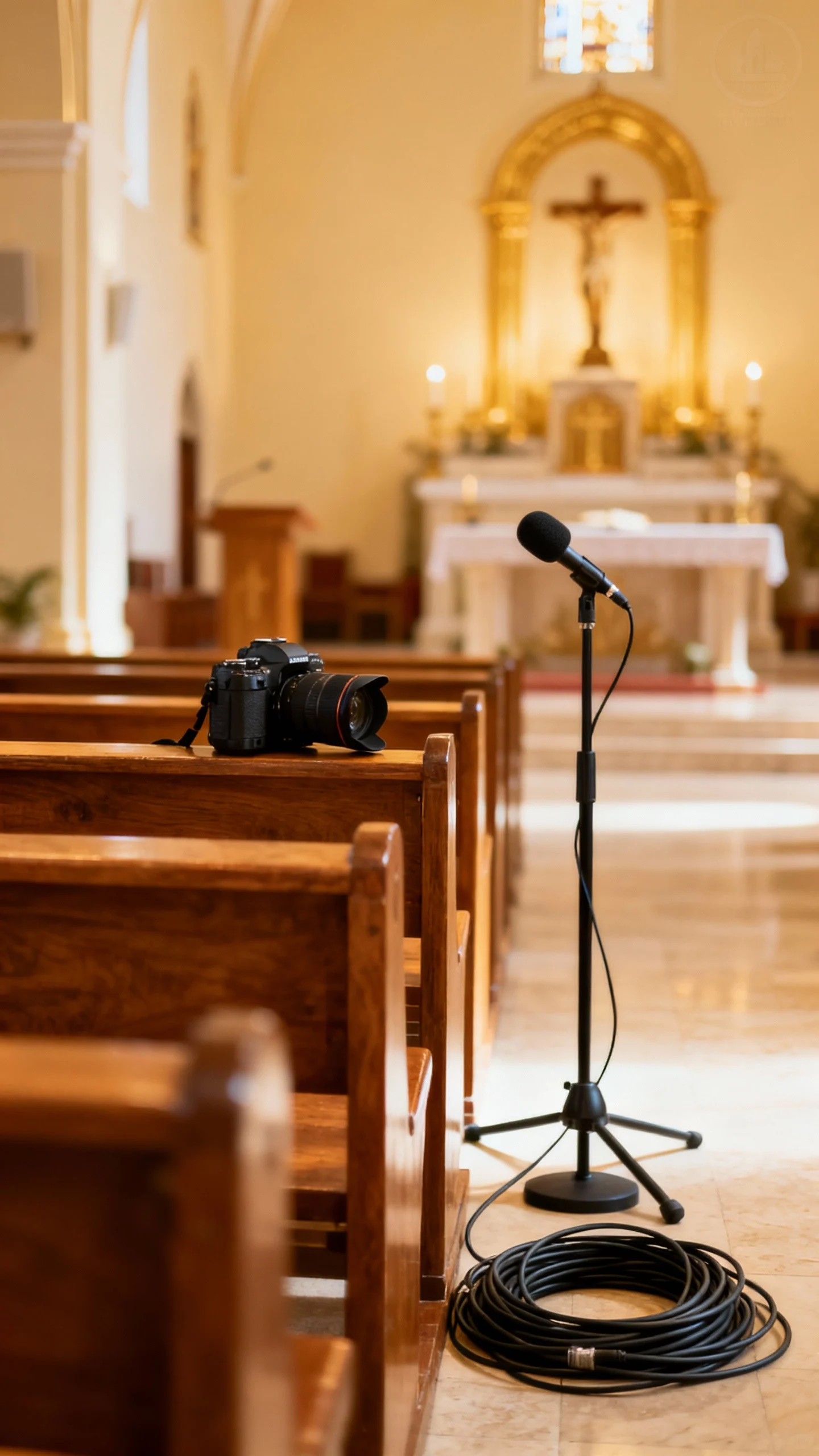
Prioritize a photographer and videographer who understand church lighting and ceremony etiquette. Ask your DJ or musicians how they handle worship music, ceremony cues, and clean edits if needed. If you want Scripture on signage or a worship set during the reception, confirm sound equipment and mic needs. Share your vision board so vendors match your style while honoring the reverence of the ceremony.
6) Design your ceremony: Scripture, vows, and meaningful moments
Choose a few Scripture readings that genuinely reflect your story, not just what’s popular. Decide whether you’ll write personal vows, use traditional vows, or combine both with your officiant’s guidance. Consider meaningful additions like communion, a unity candle, a prayer of blessing by parents, or congregational worship. Keep the ceremony streamlined so it feels intentional, not rushed or overly long.
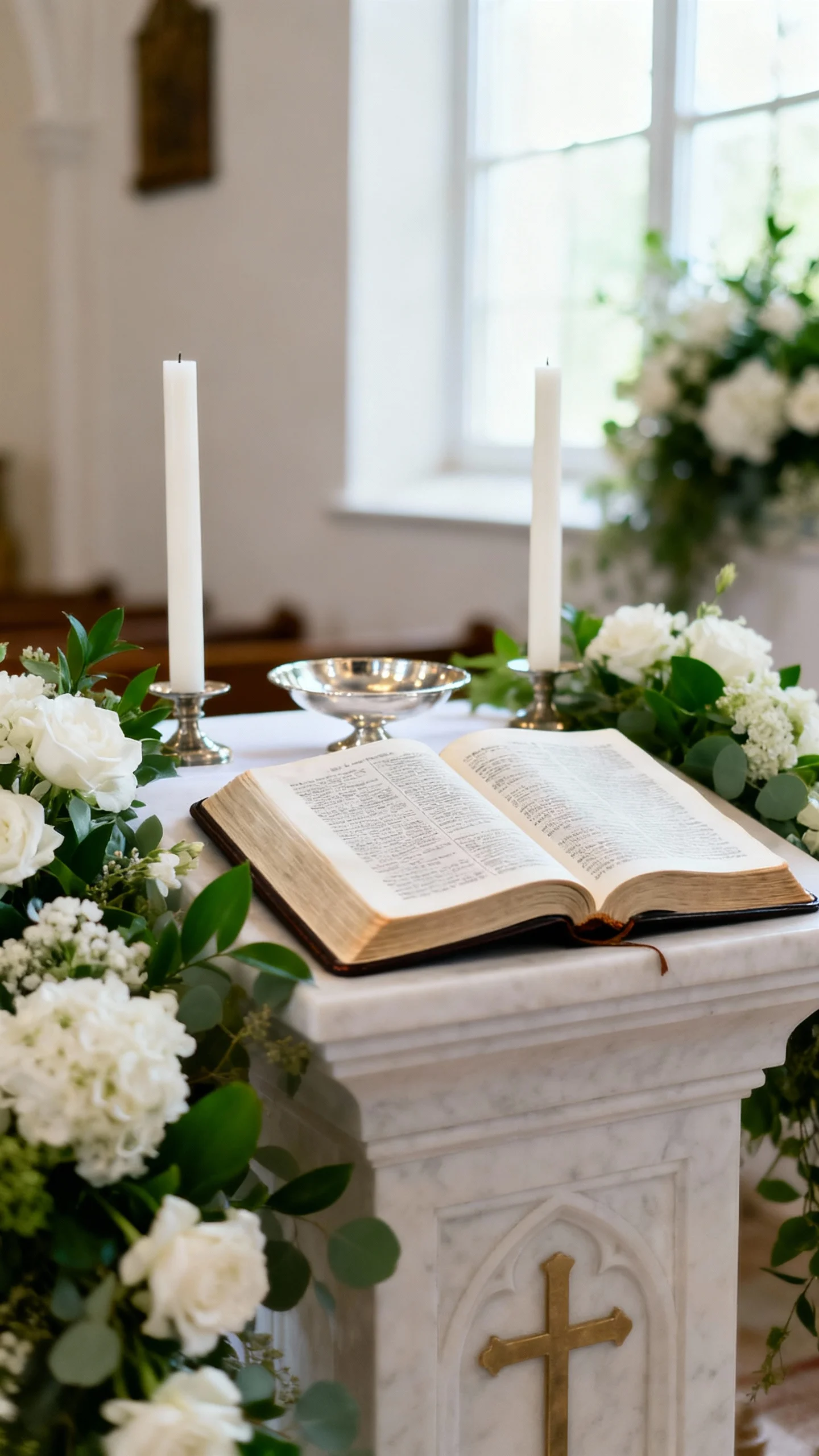
7) Plan wedding aesthetics with faith-forward details
Pick a cohesive color palette and textures that work in your church setting, especially if the sanctuary already has strong architectural tones. Add subtle faith-forward touches like a Scripture on the program, a cross motif in stationery, or a meaningful hymn title on the seating chart header. Think about altar arrangements, aisle markers, and entry signage so the ceremony space feels welcoming and photo-ready. Aim for elevated, timeless design that doesn’t distract from the moment.
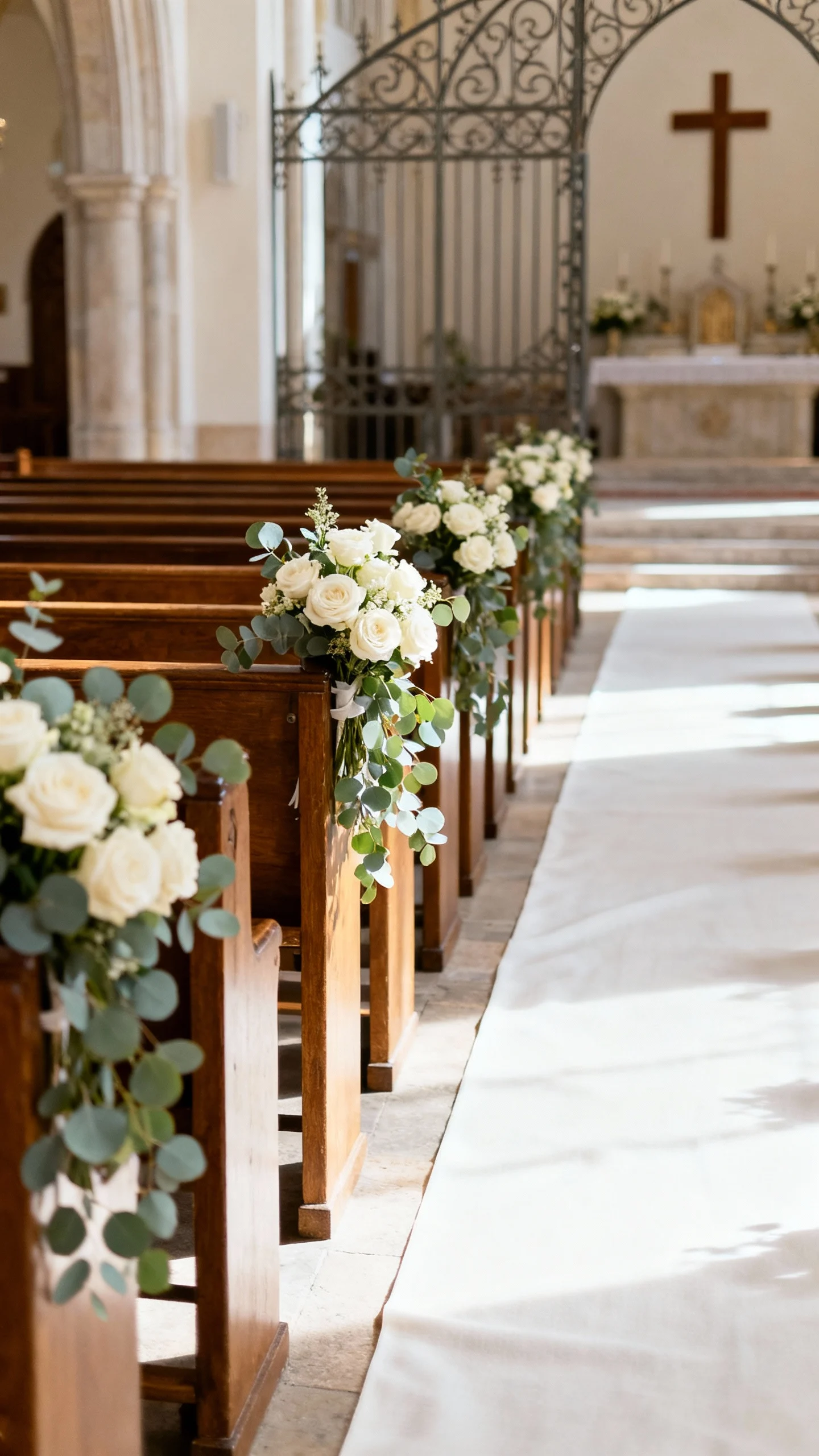
8) Outfit checklist: attire, modesty preferences, and ceremony practicality
Choose attire that fits your style and your comfort level in a sacred space, including necklines, sleeves, and movement. If the church is cool or your dress is strapless, plan for a wrap, topper, or tailored jacket that photographs well. Schedule fittings with enough time for alterations and a final try-on close to the date. Don’t forget practical extras like comfortable ceremony shoes, veil placement practice, and stain-removal tools in the emergency kit.
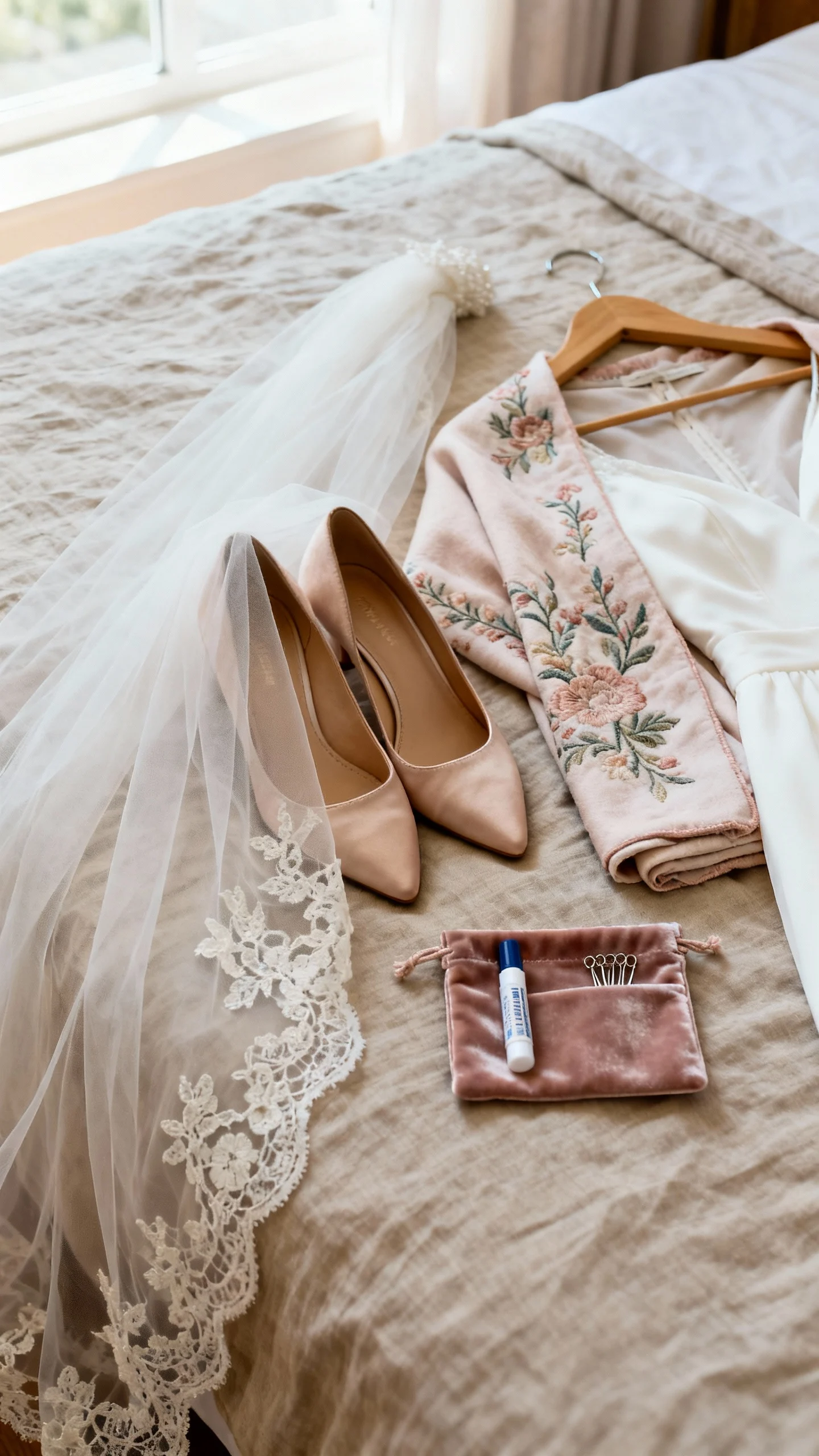
9) Reception planning: music, toasts, and a joyful atmosphere
Decide early what kind of reception vibe you want—elegant dinner, upbeat dance floor, or a relaxed garden party feel. Create a music plan that fits your convictions while still feeling fun, and share a “must play” and “do not play” list with your DJ. Keep toasts meaningful and brief, and consider a prayer before the meal to set the tone. Plan a few memorable touches like a dessert display, late-night coffee bar, or curated lounge seating.
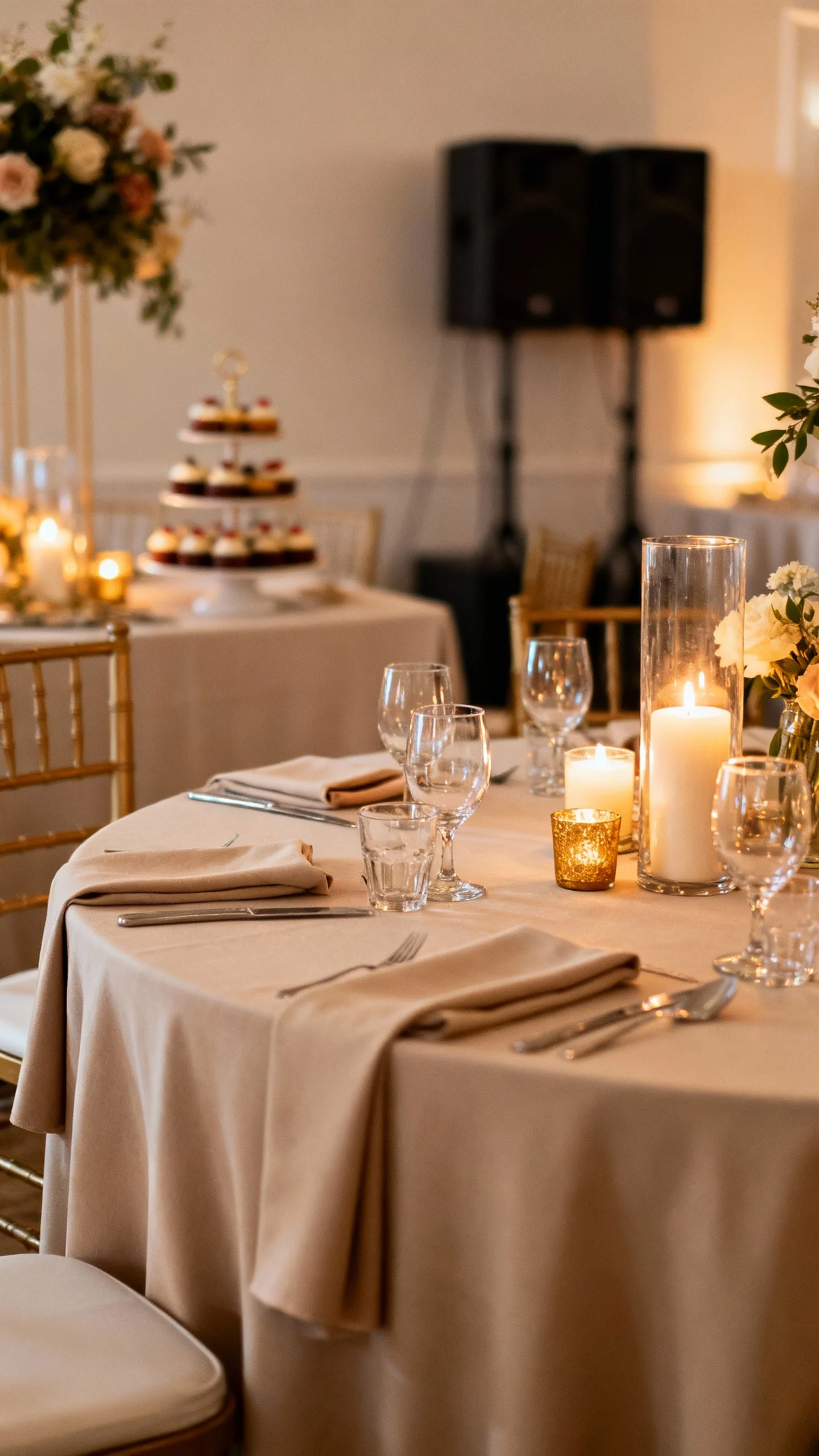
10) Final month checklist: rehearsal, logistics, and spiritual preparation
Confirm your final ceremony script, processional order, and who is holding rings, Bible, or vow books. Create a detailed day-of timeline and share it with vendors, wedding party, and key family members. Attend the rehearsal and plan a simple rehearsal dinner that feels warm and unrushed. Make time for spiritual preparation too—praying together, resting, and setting boundaries so you arrive at the altar grounded and joyful.

FAQ
How early should we start planning a Christian wedding?
Most couples start 9–15 months out, especially if you want a church date and popular vendors. If your church requires premarital counseling, begin that process early so it’s not squeezed into the final weeks.
Do we have to get married in a church for it to be a Christian wedding?
No—many couples marry outdoors or at a venue while still having a Christ-centered ceremony. What matters most is the intention, the officiant’s guidance, and the way you structure the ceremony and vows.
What are tasteful ways to include Scripture without making décor feel overwhelming?
Use Scripture in a few high-impact places: the program, a welcome sign, a table card, or a framed verse near the guest book. Choose typography and paper that match your overall aesthetic so it feels cohesive and elevated.
How do we handle music choices if we want to keep lyrics clean?
Share clear guidelines with your DJ or band and provide a short list of songs you love that fit your comfort level. You can also use instrumental versions or classic crowd-pleasers that stay upbeat without crossing your boundaries.
What’s the best way to keep the day peaceful and focused?
Create a strong timeline, delegate tasks to a coordinator or trusted friend, and keep your ceremony script finalized early. Most importantly, protect space for prayer, rest, and quiet moments together so the day feels centered, not chaotic.