
If you want a father-daughter dance that feels timeless but still wedding-cool, R&B is a perfect lane. It’s smooth enough for a slow sway, emotional without being overly dramatic, and familiar enough that guests instantly lean in.
Below are practical ways to pick an R&B father-daughter dance song that fits your relationship, your reception vibe, and your timeline—plus a few tips that keep it crowd-friendly.
Choose the feeling first (then the song)
Before you hit play on a hundred options, decide the mood you want: tender, joyful, proud, or a little playful. R&B covers all of it, from soft ballads to mid-tempo grooves that still work for a slow dance. When you agree on the feeling, you’ll filter songs faster and avoid lyrics that miss the mark. This also helps your DJ understand the vibe you’re aiming for.
Keep the lyrics wedding-appropriate
Many R&B classics are romantic in a way that can feel too “couple-coded” for a parent dance, so a quick lyric check is essential. Look for themes of gratitude, guidance, growing up, and unconditional love. If you adore a melody but the words are a little intense, ask your DJ about clean edits or instrumental covers. Your goal is emotional, not awkward.
Pick a tempo that matches your comfort level
The best father-daughter dances look effortless, not choreographed under pressure. A slower tempo gives you room to breathe, smile at guests, and actually connect. If you and your dad are more comfortable with a gentle two-step, choose a slightly quicker R&B groove that still feels classic. Comfort is what makes it crowd-friendly.
Aim for 2:00–2:45 minutes (and edit if needed)
Even the most beautiful song can feel long on a wedding timeline, especially when guests are eager for dinner or the dance floor. Ask your DJ or band to create a clean cut that keeps the best verse and chorus. A tight edit also helps photographers capture the sweet moments without rushing. Shorter can still be deeply meaningful.
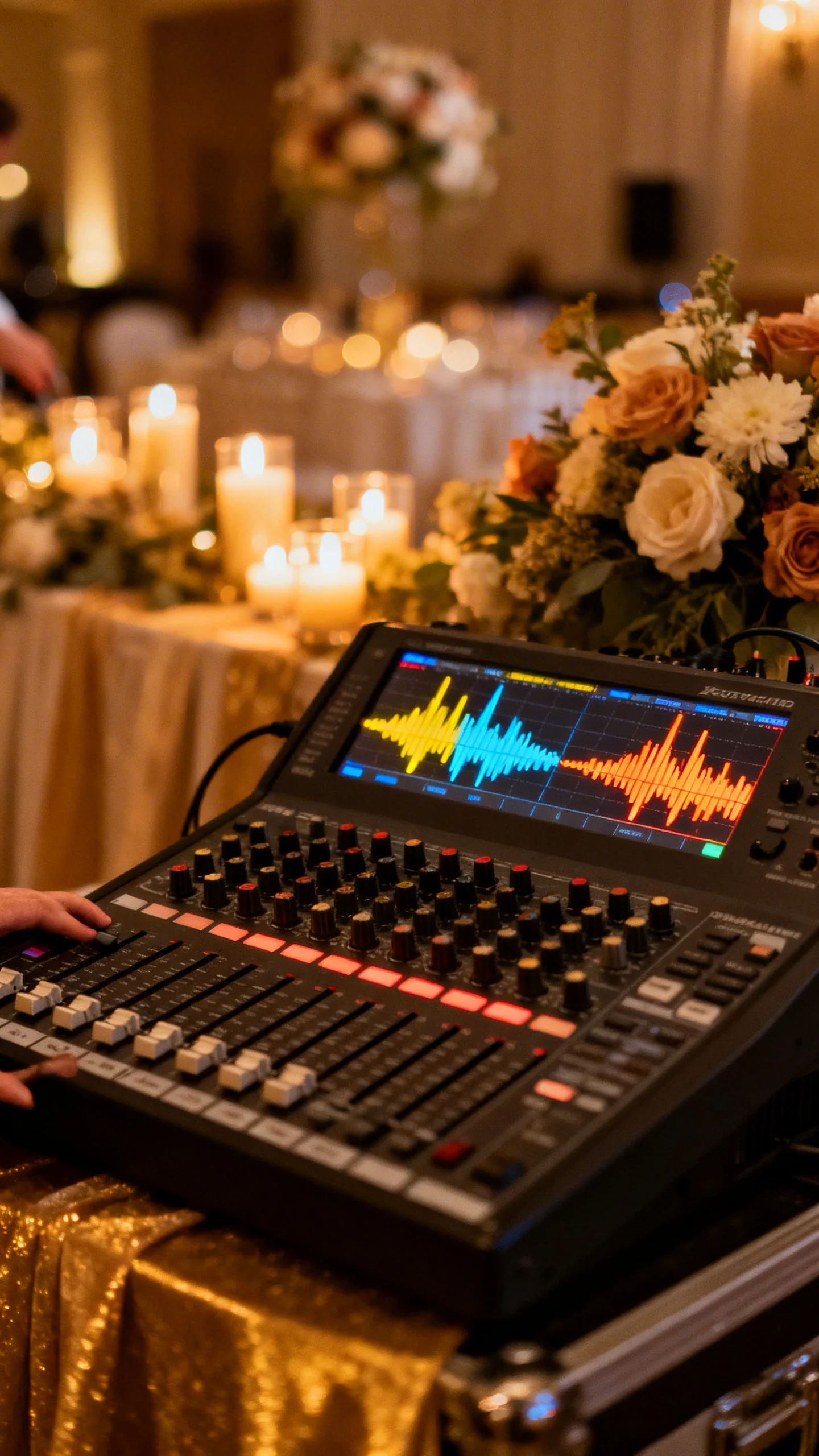
Mix eras for a timeless, guest-pleasing vibe
R&B spans decades, and weddings usually have multiple generations in the room. A ‘90s or early 2000s pick feels instantly recognizable, while newer R&B can sound fresh and modern in a curated playlist. Consider what your mom, grandparents, and bridal party will connect with too. The right choice can make the whole room soften.
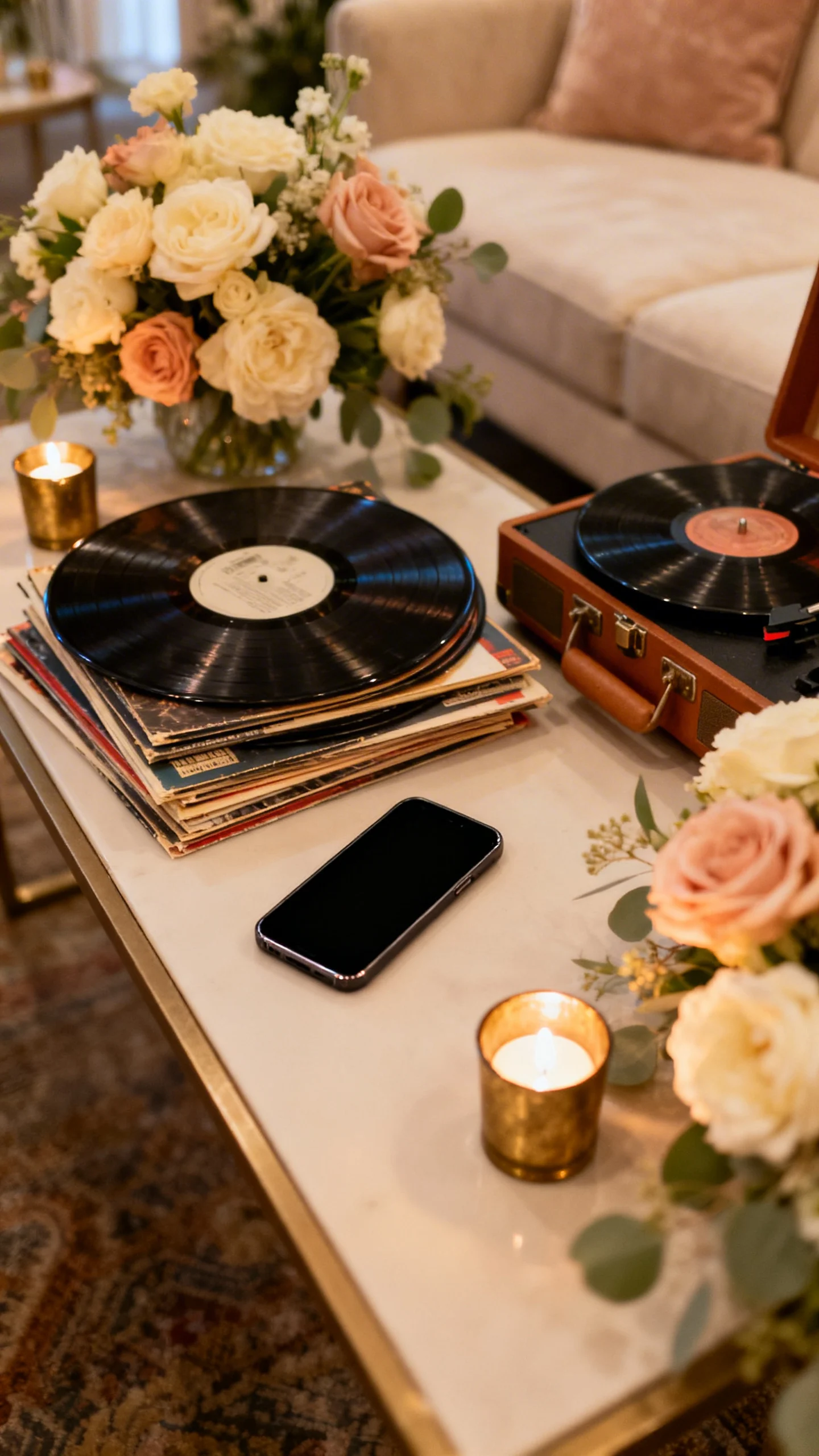
Use an instrumental or acoustic cover for a softer aesthetic
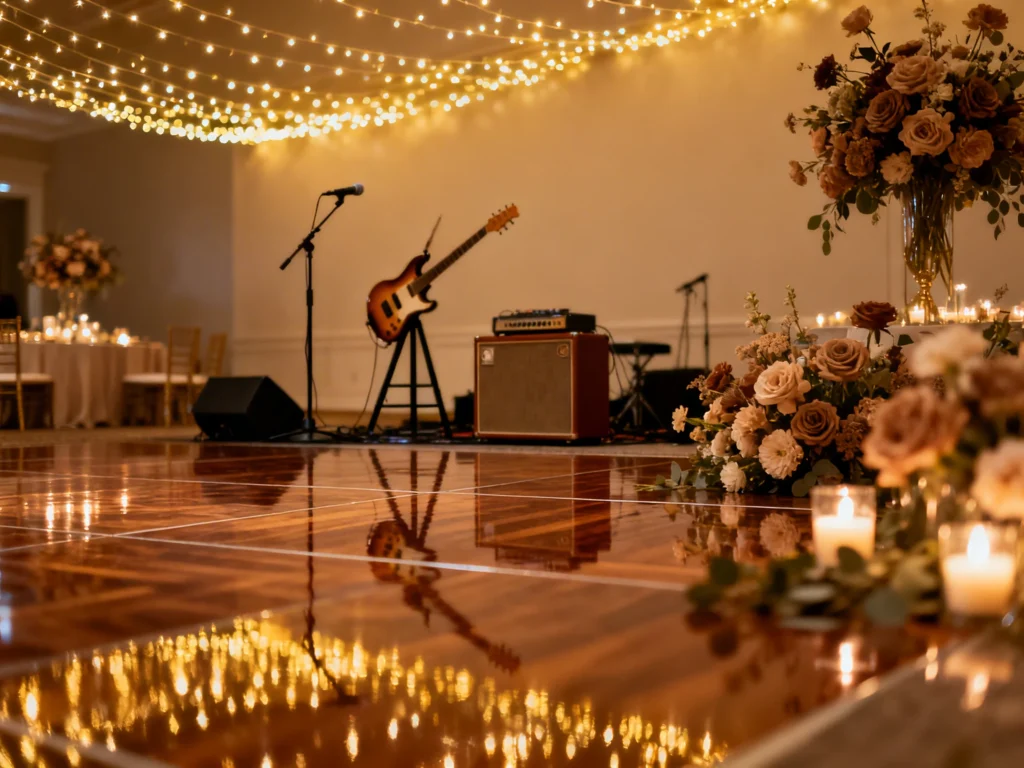
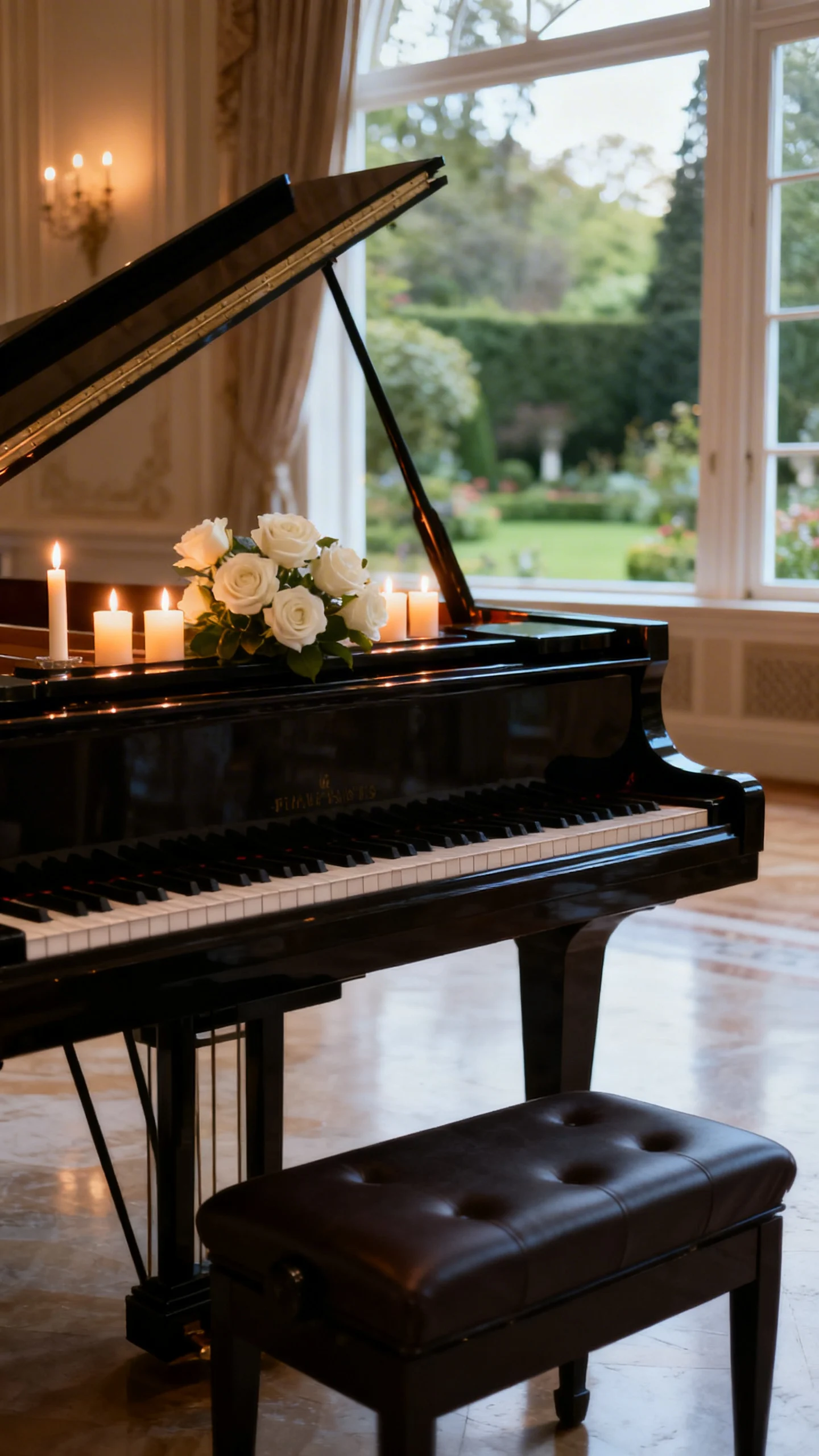
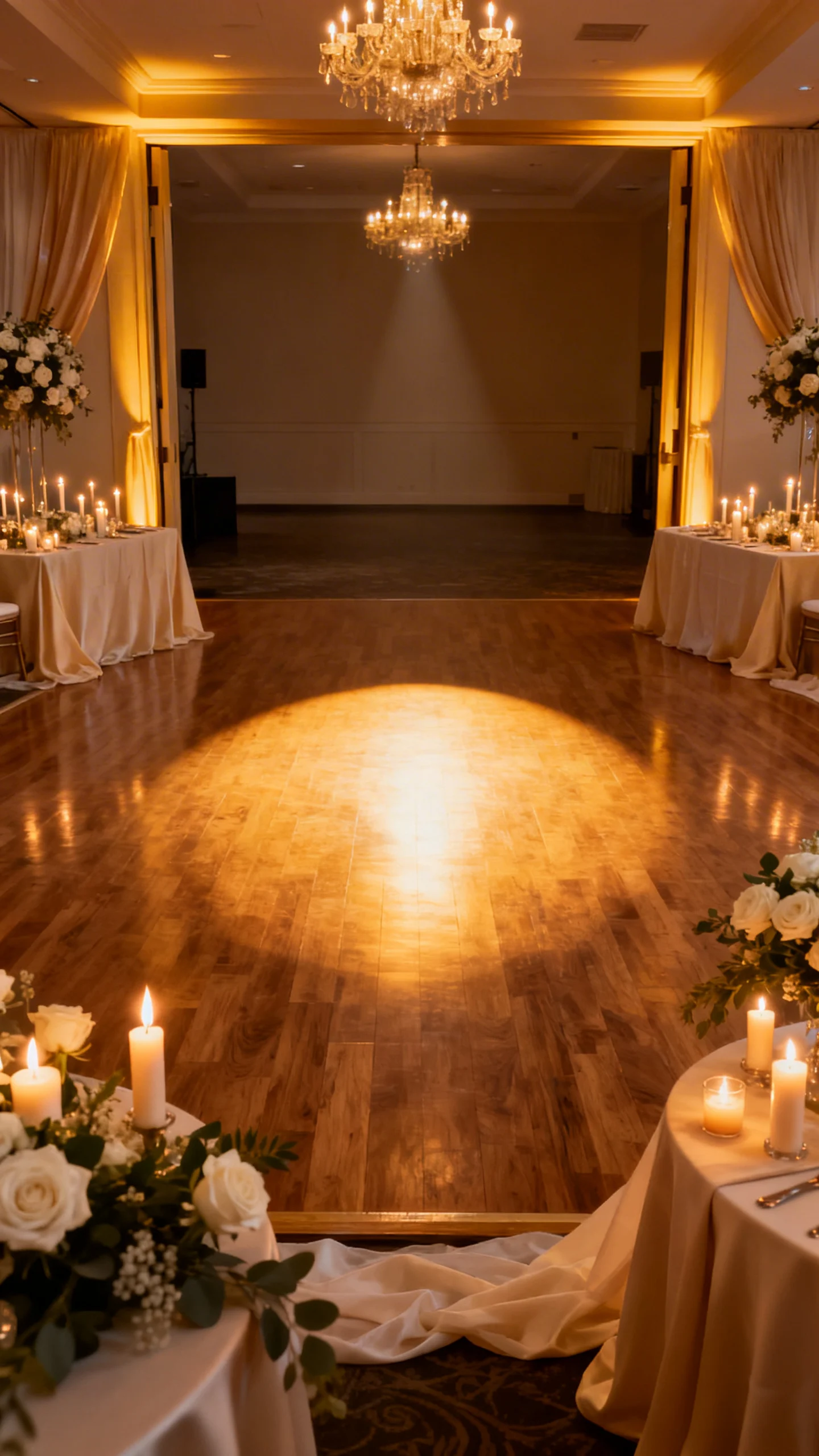
If you want that romantic “first look” energy, an instrumental R&B cover can be gorgeous for a father-daughter dance. Piano, strings, or acoustic guitar versions keep the melody but make it feel more ceremony-adjacent. This works beautifully for garden weddings, candlelit ballrooms, or minimalist modern venues. Bonus: instrumentals sidestep tricky lyrics.
Make it personal with a short dedication
A quick intro from your DJ or emcee can turn a great song into a core memory. Keep it simple: a sentence about gratitude, a shared tradition, or a nod to the way he showed up for you. This is also a helpful moment to explain an unexpected song choice. Guests love context, and it makes the dance feel intentional.

Blend two songs if you want a mood shift
If you’re torn between a sentimental slow song and something a little more upbeat, consider a short two-song mix. Start with a smooth, emotional R&B verse and transition into a brighter chorus or a gentle groove. This lets you have the heartfelt moment and then lift the energy for the room. Your DJ can make the transition seamless with matching keys and tempos.
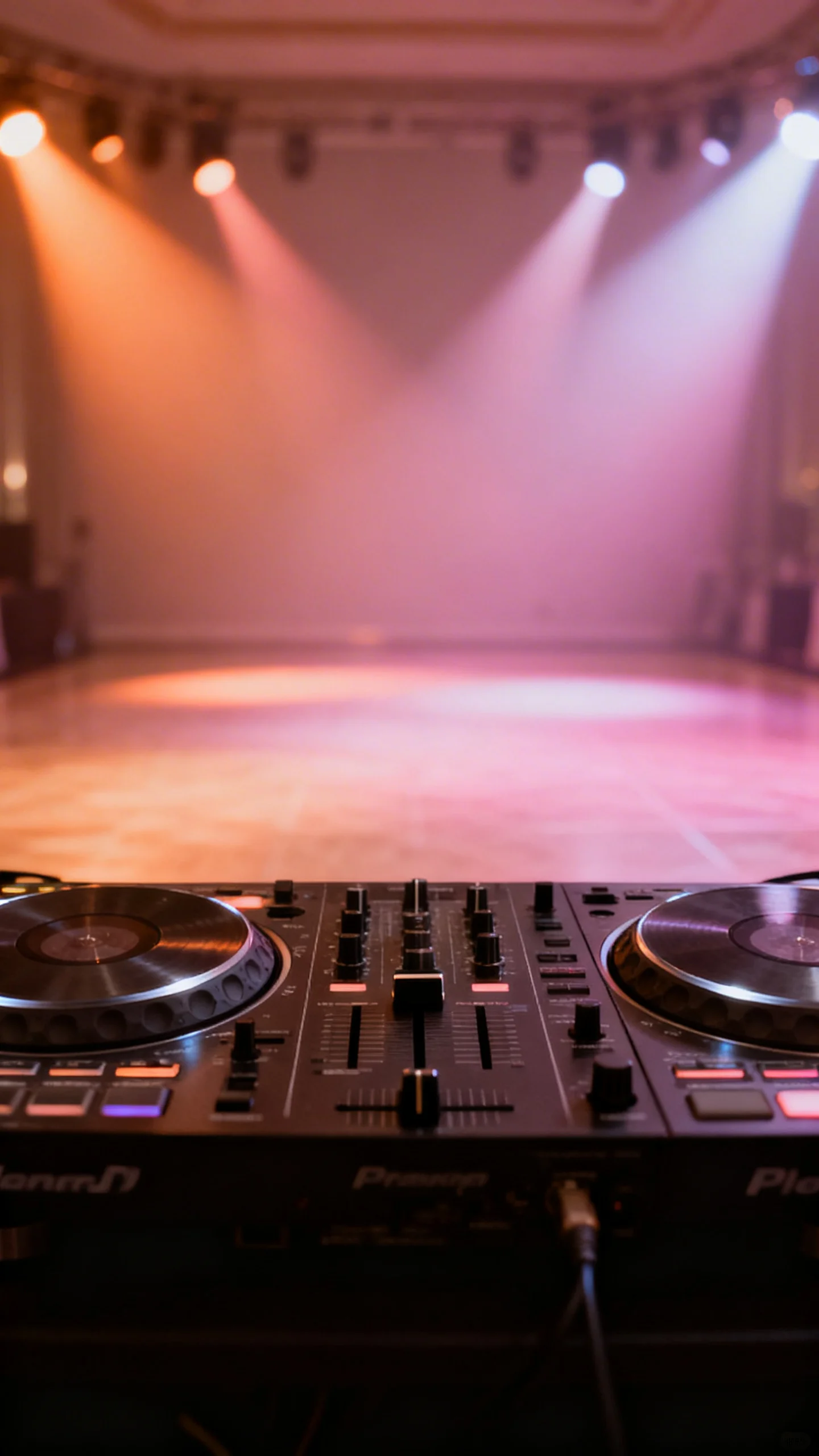
Plan a graceful “open the floor” ending
Want to keep the dance from feeling like a spotlight marathon? Choose a version of your song where the final chorus feels like an invitation, then have the DJ bring other parent-child pairs or the wedding party onto the floor. It’s a natural way to make the moment feel communal and photo-friendly. This is especially helpful for larger weddings where guests love participating.
Do a quick sound check for vocals and bass
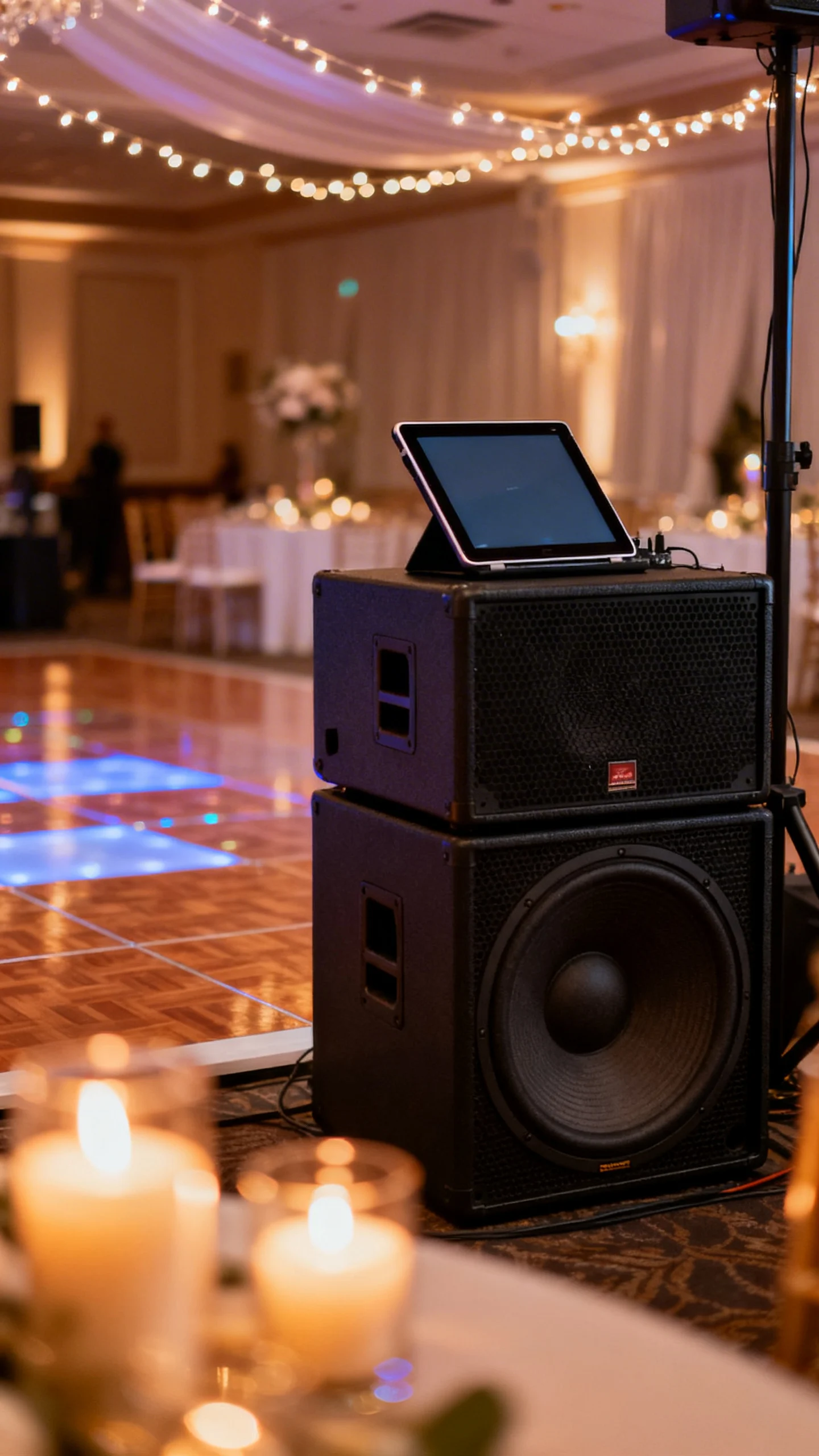
R&B often leans on warm bass and smooth vocals, and the mix matters a lot in a big room. During your final walkthrough or rehearsal, ask for a 20-second snippet at reception volume. You’ll know immediately if the vocals feel clear and if the bass is too heavy for your venue. A small adjustment can make the moment feel luxe instead of muddy.
Have a backup pick for emotions and timing
Sometimes a song hits differently on the wedding day—happy tears, big feelings, or a timeline shift. Keep one backup R&B option that’s equally meaningful but slightly shorter or more upbeat. Share both with your DJ in advance so they can pivot smoothly if needed. Having a plan B keeps everything calm and confident.
FAQ
What makes an R&B song “crowd-friendly” for a father-daughter dance?
Crowd-friendly usually means familiar, easy to sway to, and lyrically appropriate for a parent-child relationship. A clear melody and steady tempo help guests stay present in the moment. If the lyrics are more romantic than familial, consider a clean instrumental cover.
How long should the father-daughter dance be at a wedding?
Aim for about 2:00 to 2:45 minutes. It feels meaningful without dragging, and it keeps the reception flow moving. If your favorite track is longer, ask your DJ for a tasteful edit that keeps the heart of the song.
Can we use a more upbeat R&B song and still keep it traditional?
Yes—traditional is more about the sentiment than the tempo. A mid-tempo R&B groove can still feel elegant if you keep the dance simple and stay connected. It can also help nervous dancers feel more relaxed.
What if we love the melody but the lyrics feel too romantic?
Look for acoustic, piano, or string covers that highlight the tune without the original lyrics. Another option is selecting a clean edit or a live band arrangement that emphasizes warmth and simplicity. Always listen closely to the full track before finalizing.
When should we schedule the father-daughter dance during the reception?
Most couples place it right after the first dance or after dinner when everyone is settled. If you want a more intimate feel, do it earlier before the room gets loud. If you want maximum participation, do it right before opening the dance floor.