
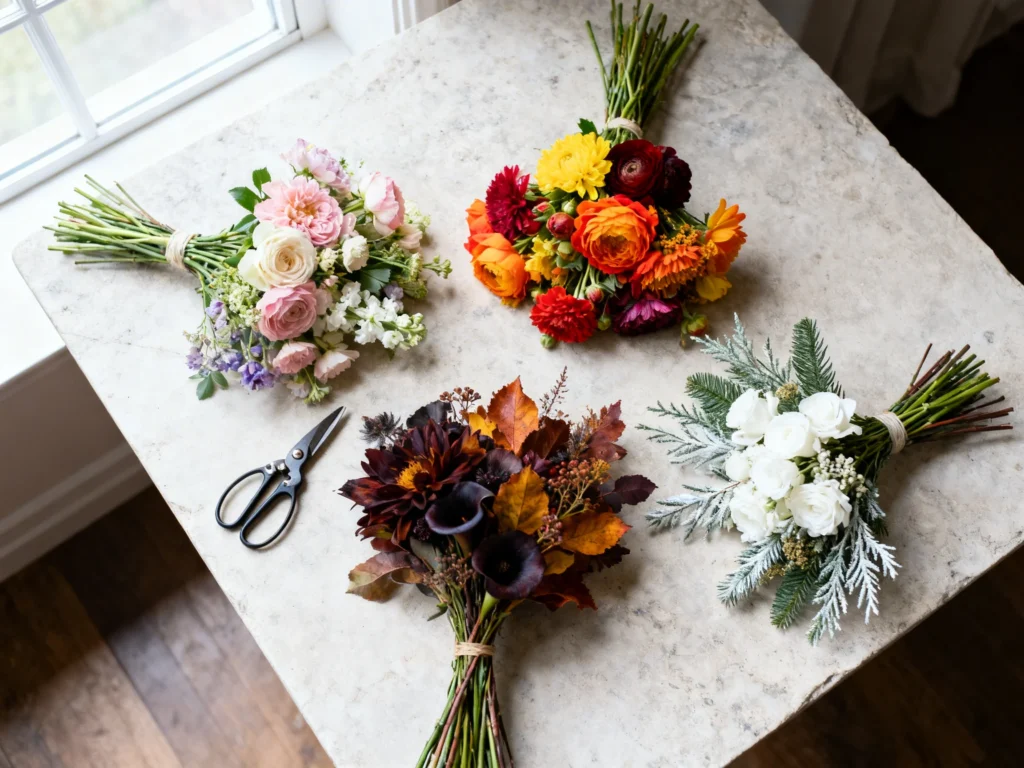
Picking wedding florals gets a lot easier (and often more budget-friendly) when you start with what’s naturally blooming during your date. In-season stems tend to look fresher, travel better, and give your florist more flexibility for color, texture, and scale.
Below is a season-by-season guide to what’s typically in bloom, what tends to cost more, and how to get the look you want without paying “out-of-season” prices.
Spring: soft, romantic blooms (and a few pricey favorites)
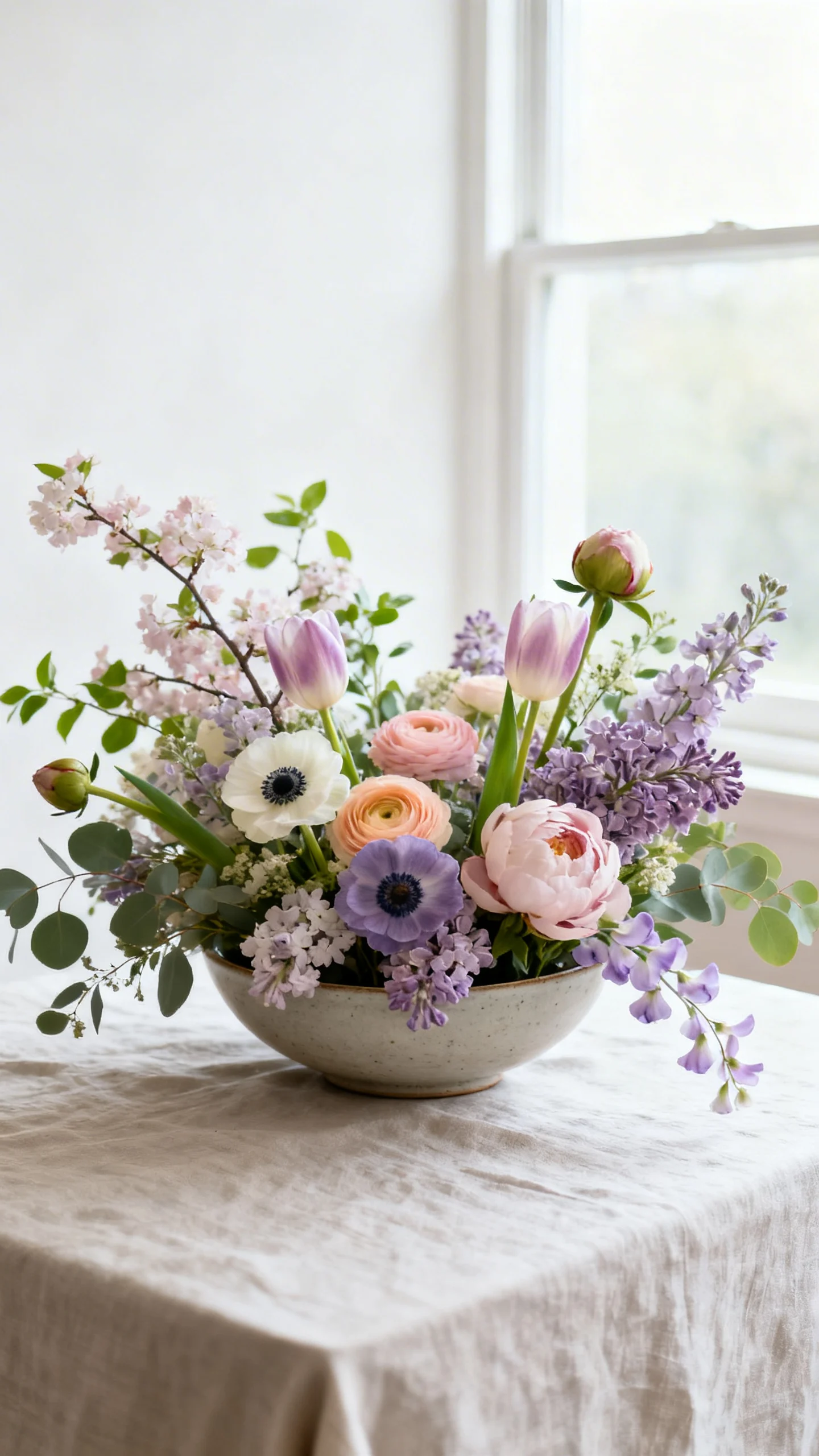
Spring weddings shine with airy pastels, garden textures, and lots of movement. Tulips, ranunculus, anemones, lilac, and sweet pea are often at their best, depending on your region and exact month. Peonies can start appearing later in spring, but early-season peonies often come with a premium. If you want a lush spring look, ask your florist to mix in less expensive foliage and flowering branches for volume.
Summer: abundant color, heat-smart choices
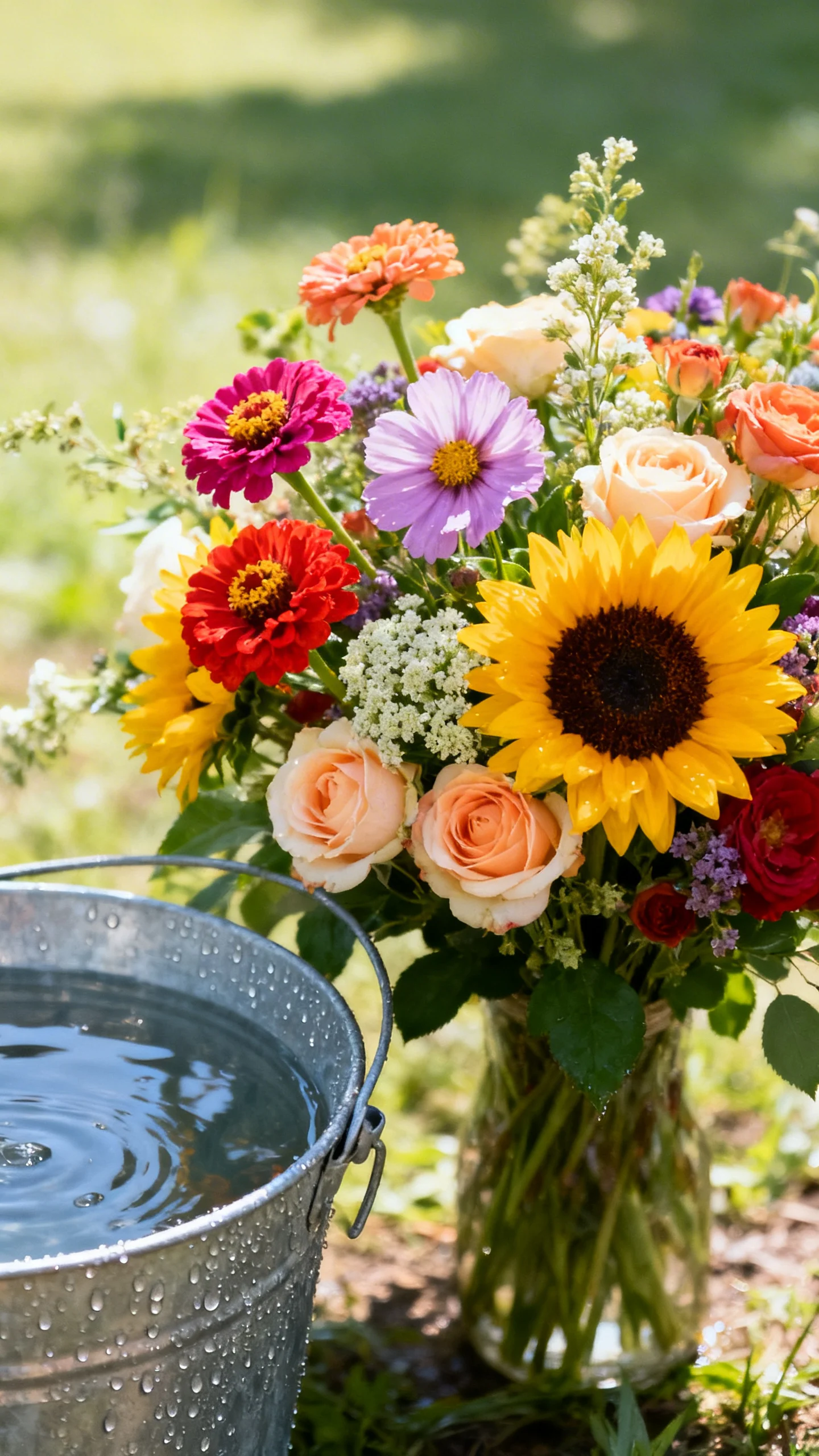
Summer brings a wide range of bold and bright options like zinnias, cosmos, dahlias (later summer), sunflowers, and garden roses in many areas. Heat can be the biggest factor, so delicate blooms may need extra care, hydration, or replacements during long outdoor events. Out-of-season spring favorites like peonies and lilac typically cost more in summer due to sourcing and shipping. For a similar vibe, garden roses and spray roses can give a full, romantic feel with better durability.
Fall: rich tones, texture, and amazing value stems
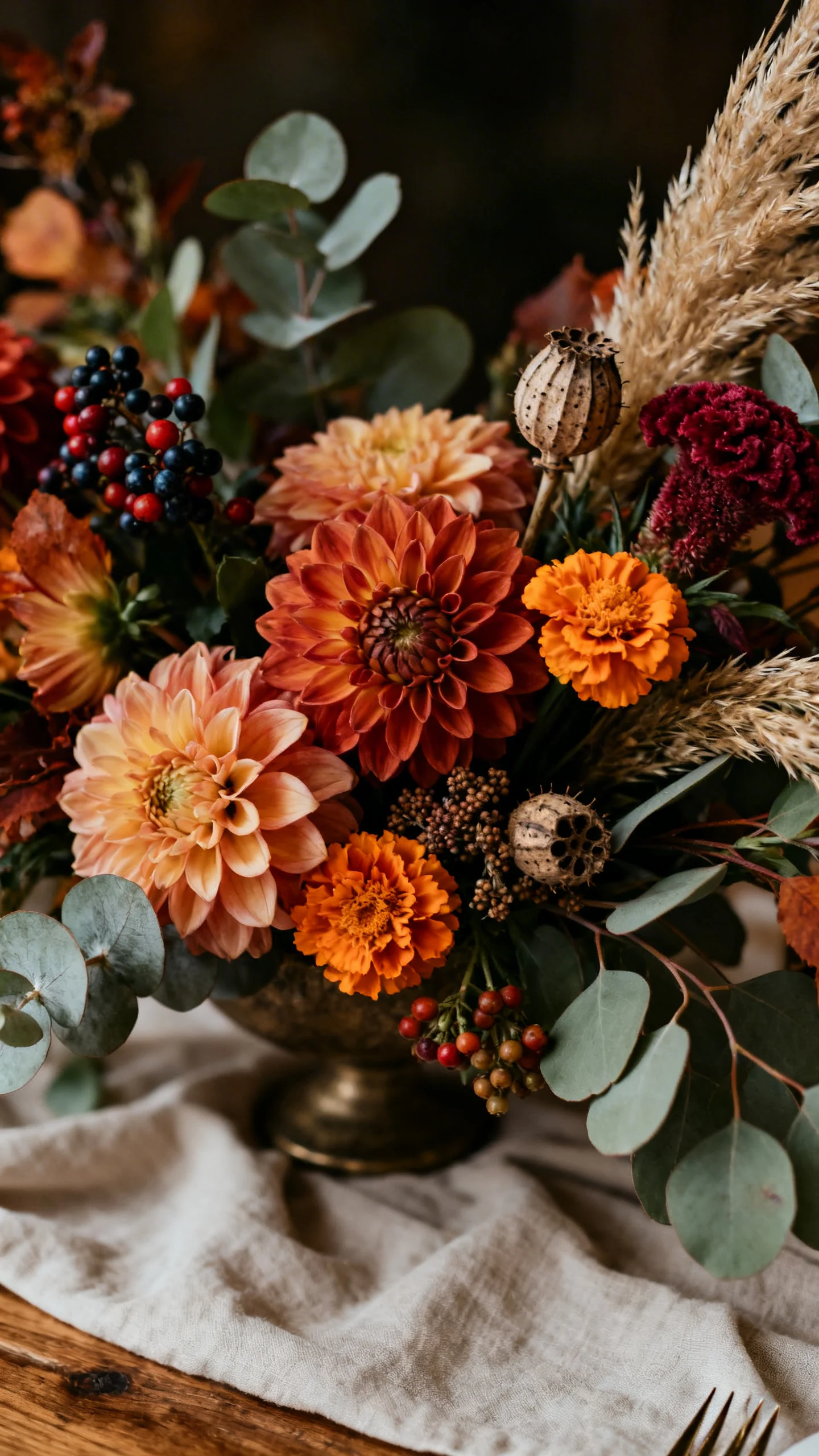
Fall is a dream for moody palettes, warm neutrals, and lots of texture. Dahlias, chrysanthemums, marigolds, celosia, and many varieties of eucalyptus are often more available and can be cost-effective. If you’re craving that “just picked” look, fall also supports berries, seed pods, and grasses that add interest without huge floral spend. Spring-only stems like sweet pea usually cost more in fall and may not hold up as well.
Winter: elegant minimalism with a few splurges
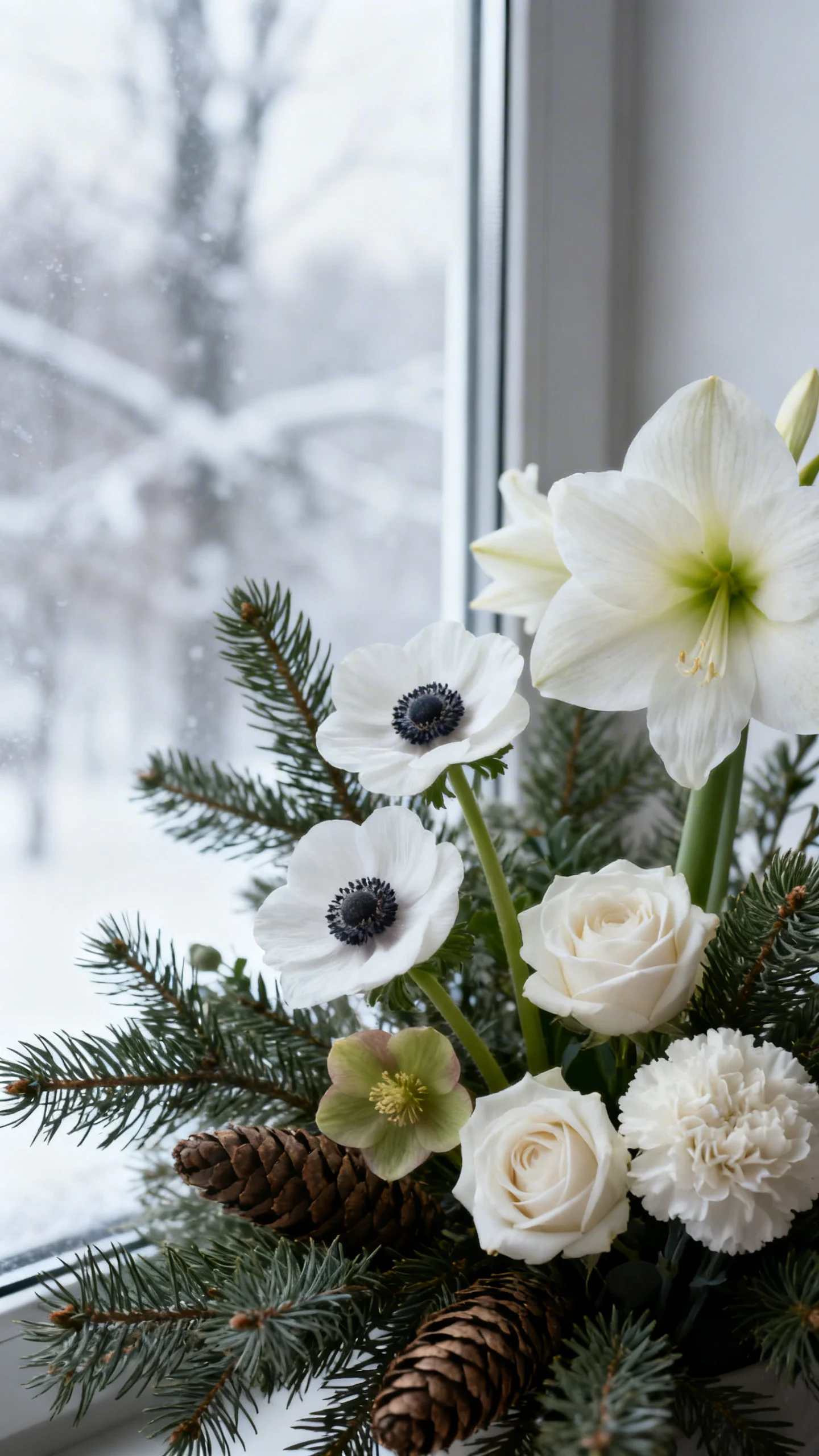
Winter florals often lean into crisp whites, deep reds, and evergreen accents for a clean, elevated look. Popular choices include amaryllis, anemones (often available), hellebores (limited and pricier), roses, carnations, and lots of seasonal greenery. Many local farms have fewer options, so more blooms are imported, which can raise costs. If you want winter to feel lush, build your design with evergreen layers and cluster a few hero blooms for impact.
What’s “in-season” can depend on where you’re getting married
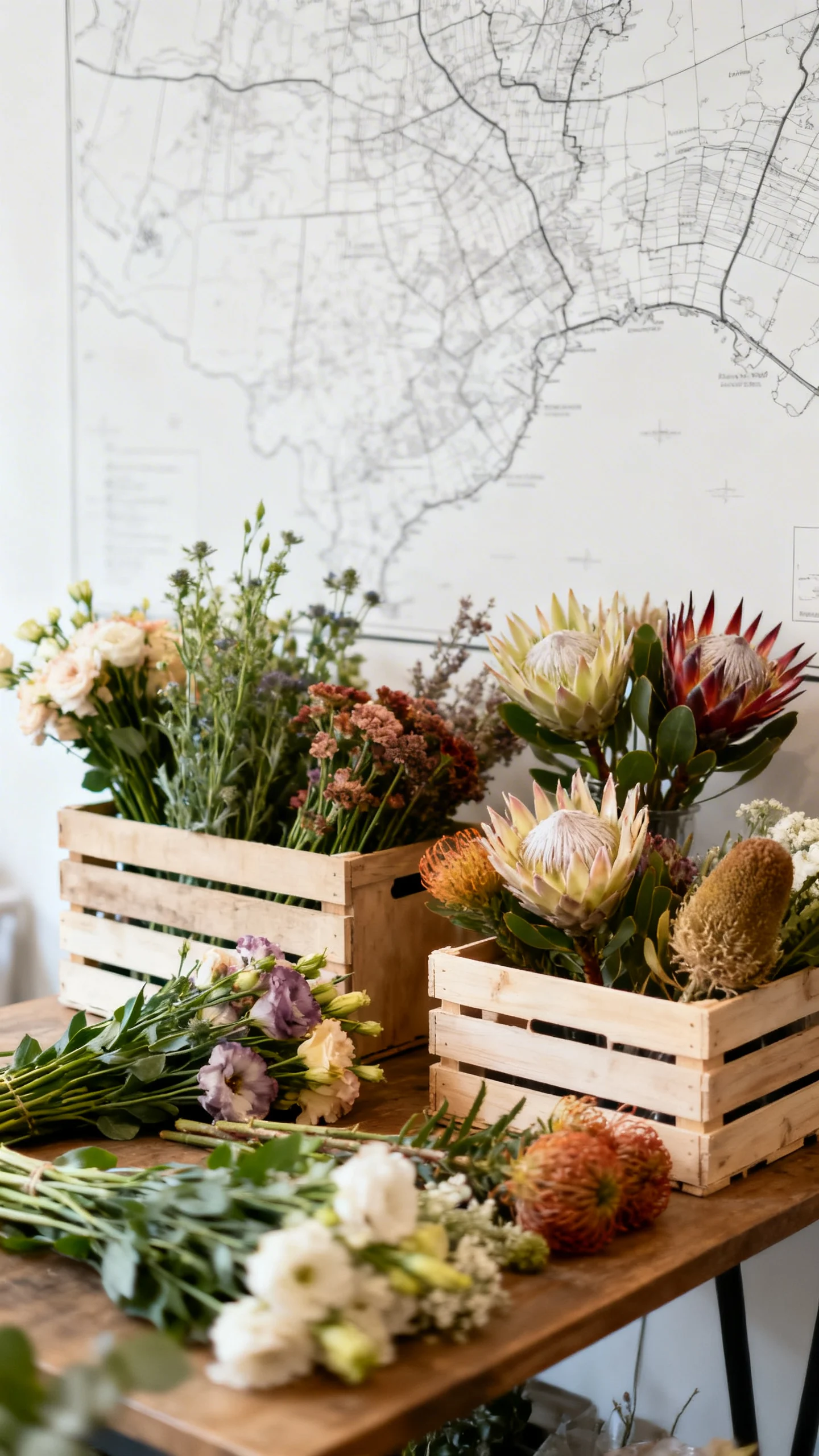
Seasonality is regional, so a May wedding in California won’t match a May wedding in Minnesota. Your florist may source locally, import from other states, or bring in international product to hit your color palette. Imported flowers can be gorgeous, but they often add shipping, packaging, and risk buffers that affect pricing. When you share your venue location and date, your florist can suggest the closest in-season equivalents for your dream look.
Flowers that commonly cost more (even when you see them everywhere)
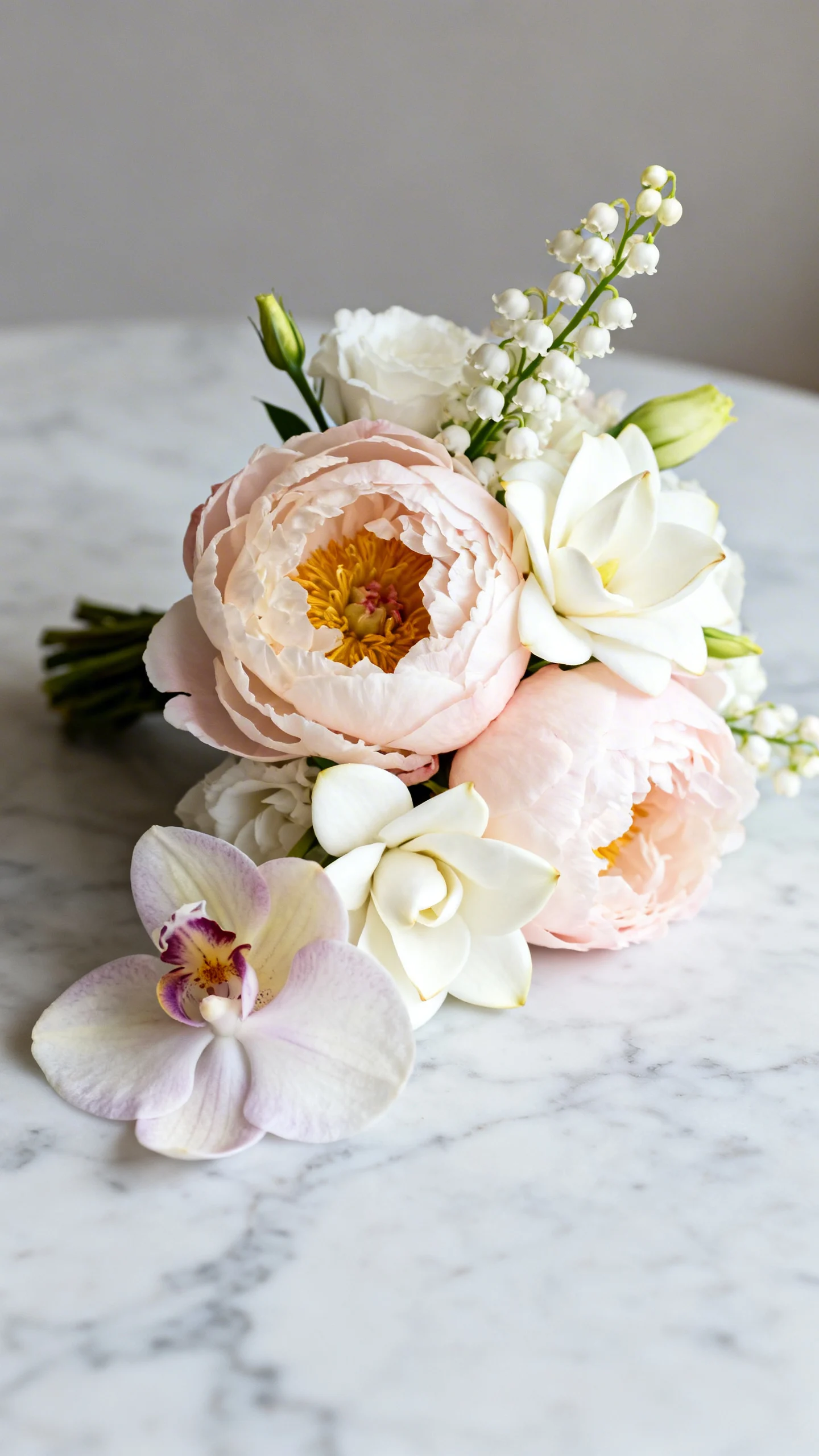
Some blooms have higher price tags because they’re fragile, labor-intensive, or have a shorter natural season. Peonies, lily of the valley, gardenias, and certain specialty orchids often fall into this category, especially outside peak months. Even popular “everyday” flowers can spike around major holidays, like roses near Valentine’s Day and tulips around early spring demand. If a must-have bloom is expensive, use it in the bridal bouquet and repurpose it for the sweetheart table later.
Budget-friendly in-season staples that still look elevated
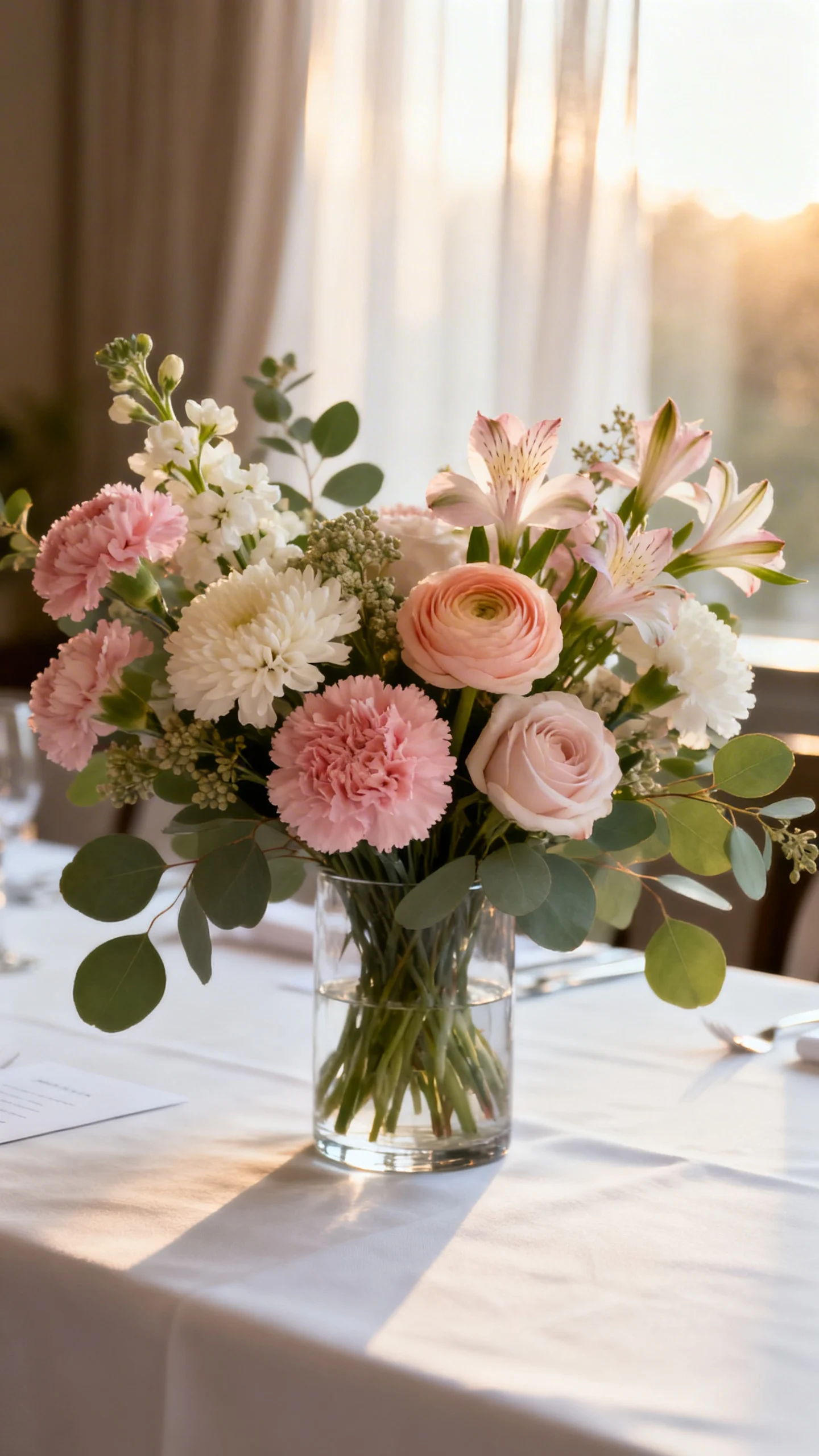
There are plenty of lower-cost stems that photograph beautifully when designed thoughtfully. Carnations, chrysanthemums, alstroemeria, stock, and spray roses can read modern and romantic with the right color palette and styling. Pair them with premium greenery, airy accents, or one statement bloom to keep the look intentional. The key is letting your florist design with shape and texture, not just “expensive flowers.”
How to get a peony (or other dream flower) vibe without the peony price
If your heart is set on a certain look, focus on the visual qualities: ruffled petals, soft movement, and full silhouette. Ranunculus, garden roses, double tulips, and some dahlias can mimic that lush, layered feel depending on the season. Ask for a “recipe” that prioritizes the same color range and petal texture rather than a single specific bloom. You’ll get the aesthetic, and your florist can choose the best-performing stems for your date.
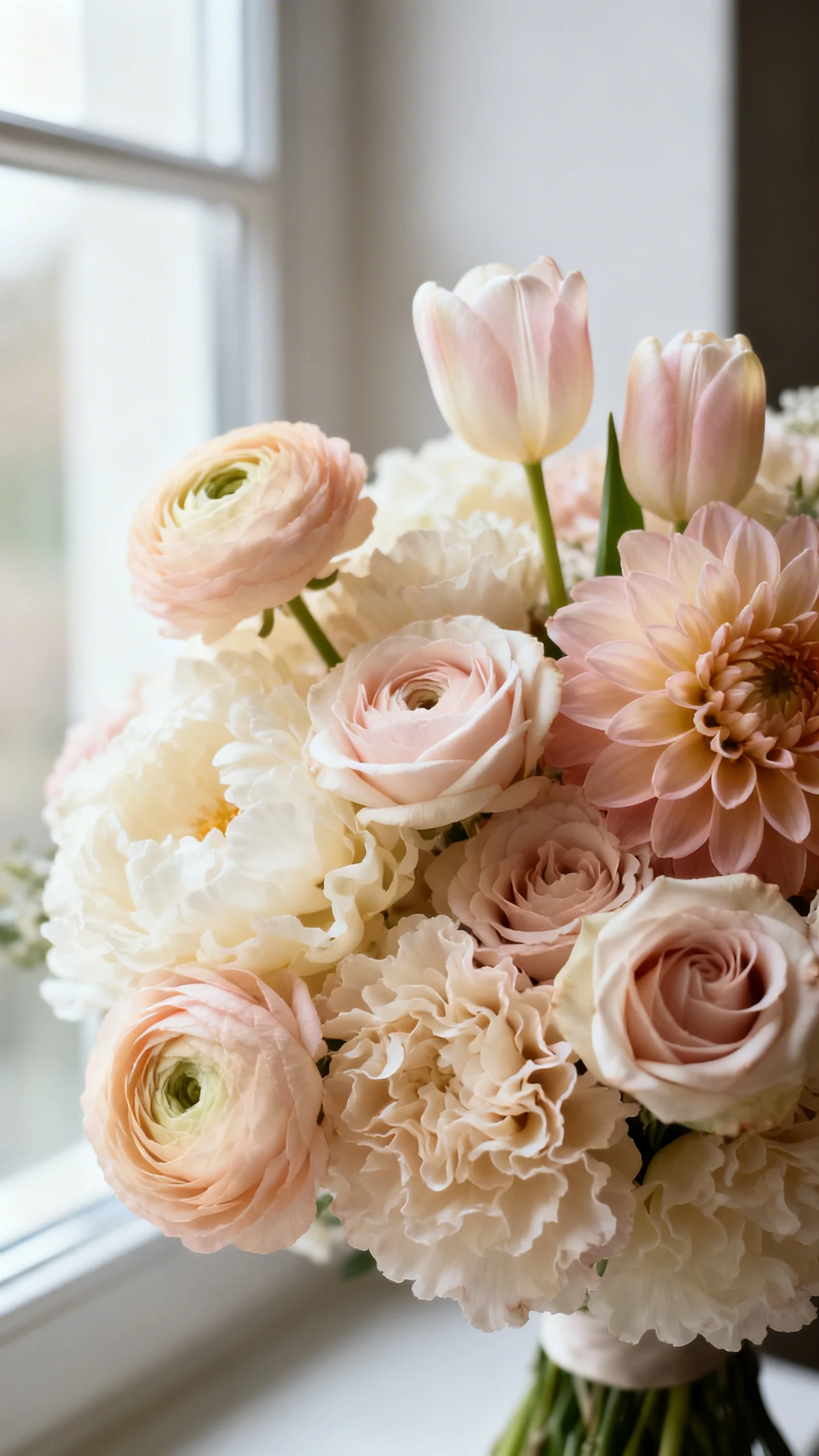
Design choices that change cost more than most couples realize
Pricing isn’t only about the flower type; it’s also about scale, mechanics, and labor. Large ceremony installations, foam-free mechanics, hanging pieces, and heavily wired bouquets take more time and materials. A statement ceremony moment can be worth it, but consider concentrating impact where photos happen most: aisle entry, altar, and head table. Moving arrangements from ceremony to reception is often the easiest way to stretch the budget.
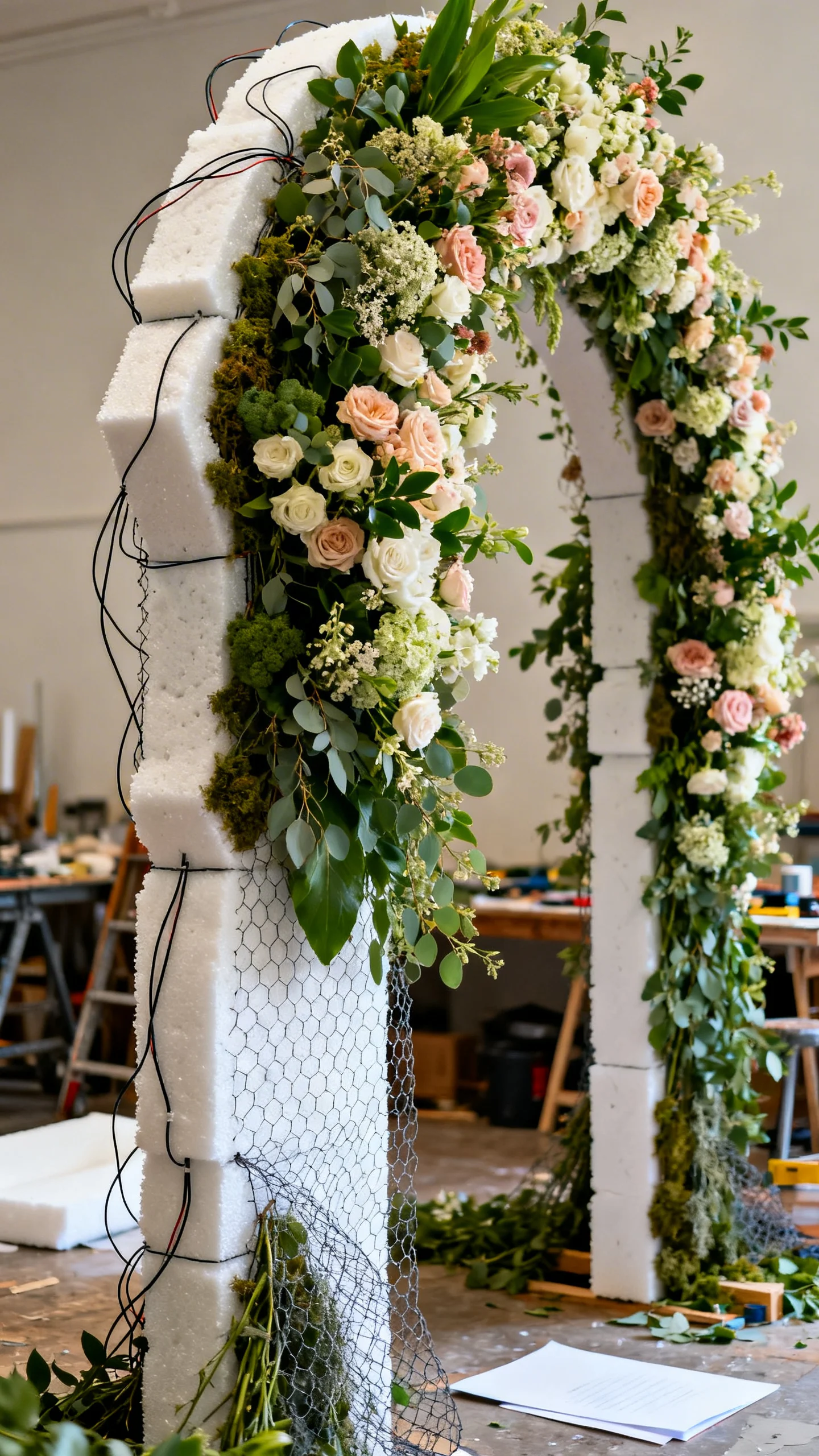
Smart planning tips to lock in seasonal savings
Bring your florist inspiration that shows color and mood, then stay open on exact flower names. Choose two or three “non-negotiables” (like a color, a shape, or one hero bloom) and let everything else be seasonal. If your wedding is near a holiday, ask early about availability and pricing shifts. A flexible floral plan usually delivers a fuller look with fewer last-minute substitutions.
FAQ
How far in advance should I book my wedding florist?
Most couples book 9–12 months out, especially for popular dates and peak seasons. If you’re planning a smaller event or weekday wedding, you may have more flexibility. Booking early helps you align on seasonality and reserve your preferred team.
What flowers are typically most expensive for weddings?
Peonies, lily of the valley, gardenias, some specialty orchids, and premium garden roses are common high-cost choices. Prices also rise when a flower is out of season or needs to be imported. Labor-heavy designs (large installations, hanging florals) can increase the total even with moderate-price blooms.
Is it cheaper to choose only in-season flowers?
Often, yes. In-season flowers are usually more available and need less shipping and special handling, which can reduce cost and improve quality. You can still include a few out-of-season accents, but keeping the main recipe seasonal helps the budget.
Can I request specific flowers, or should I be flexible?
You can absolutely request favorites, but flexibility is the best way to protect your budget and the final look. Ask your florist for “in-season equivalents” that match the same color and texture. Many substitutions look even better in photos because they’re fresher and more resilient.
How do I make my florals look luxe without spending more?
Focus on strong design decisions: a cohesive palette, varied textures, and a few statement moments. Use premium blooms in the bridal bouquet and key focal points, then build supporting arrangements with elegant staples and lots of dimensional greenery. Repurposing ceremony flowers for the reception is another high-impact, budget-smart move.