
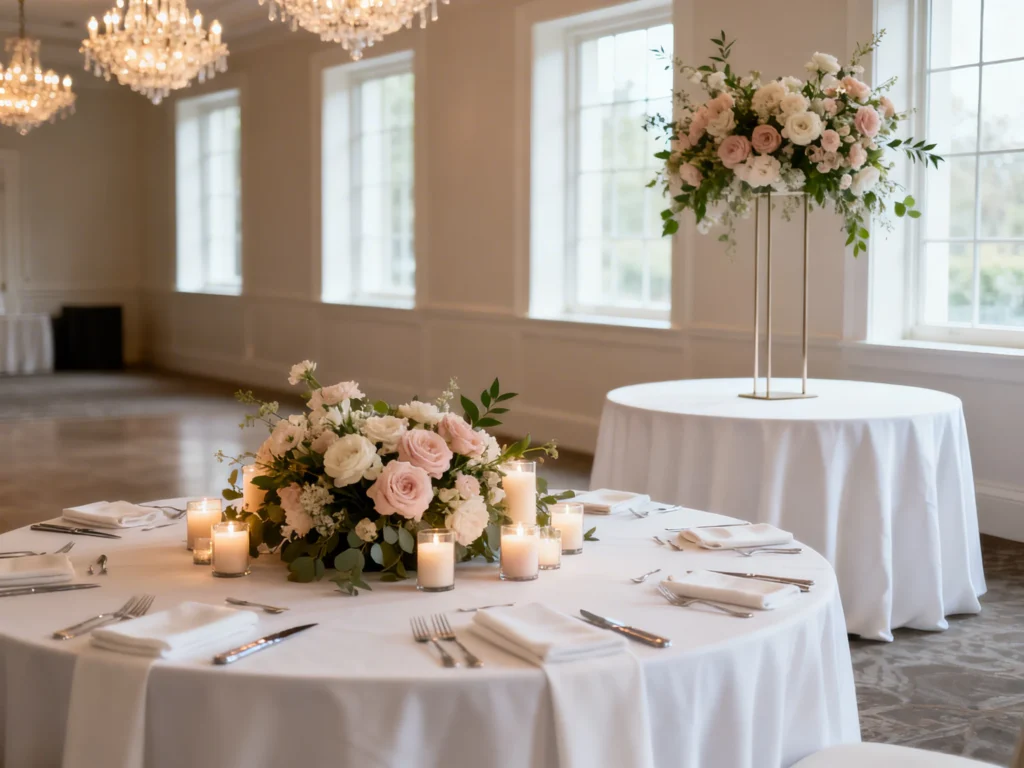
Centerpieces do more than decorate tables—they set the visual rhythm of your reception and show up in nearly every photo. The big decision is usually low vs tall, but the real goal is choosing florals that look great in person and translate beautifully on camera.
Here’s how to decide what fits your space, your vibe, and your photo priorities, with practical tips you can actually use during planning.
Start with the guest experience: eye contact vs wow factor
Low centerpieces keep conversation easy because guests can see across the table. Tall centerpieces add instant drama and can make a room feel more elevated. Think about how you want the reception to feel: cozy and connected or grand and gallery-like. Photographically, both work—what matters is scale and placement.
What low centerpieces photograph best
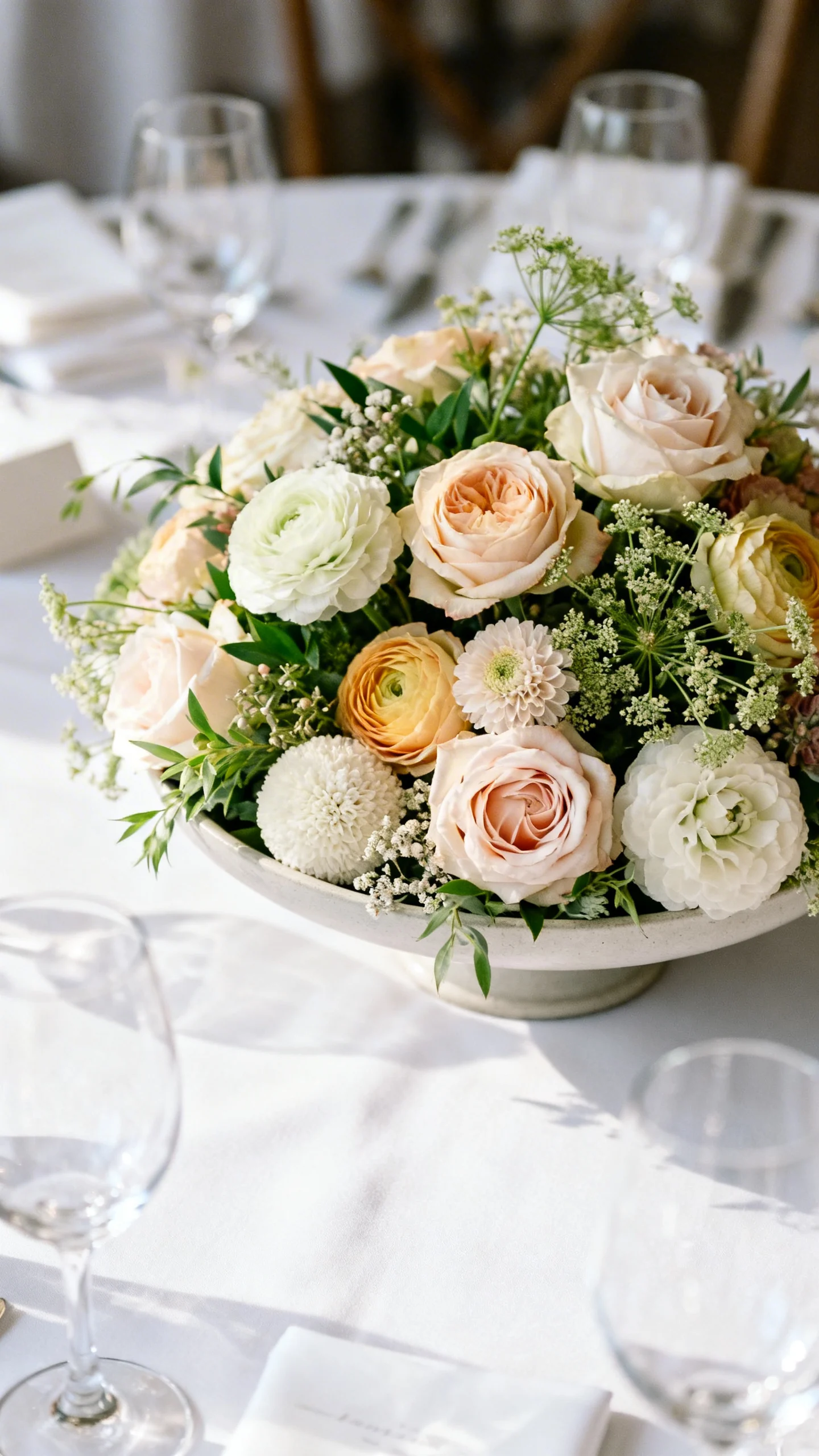
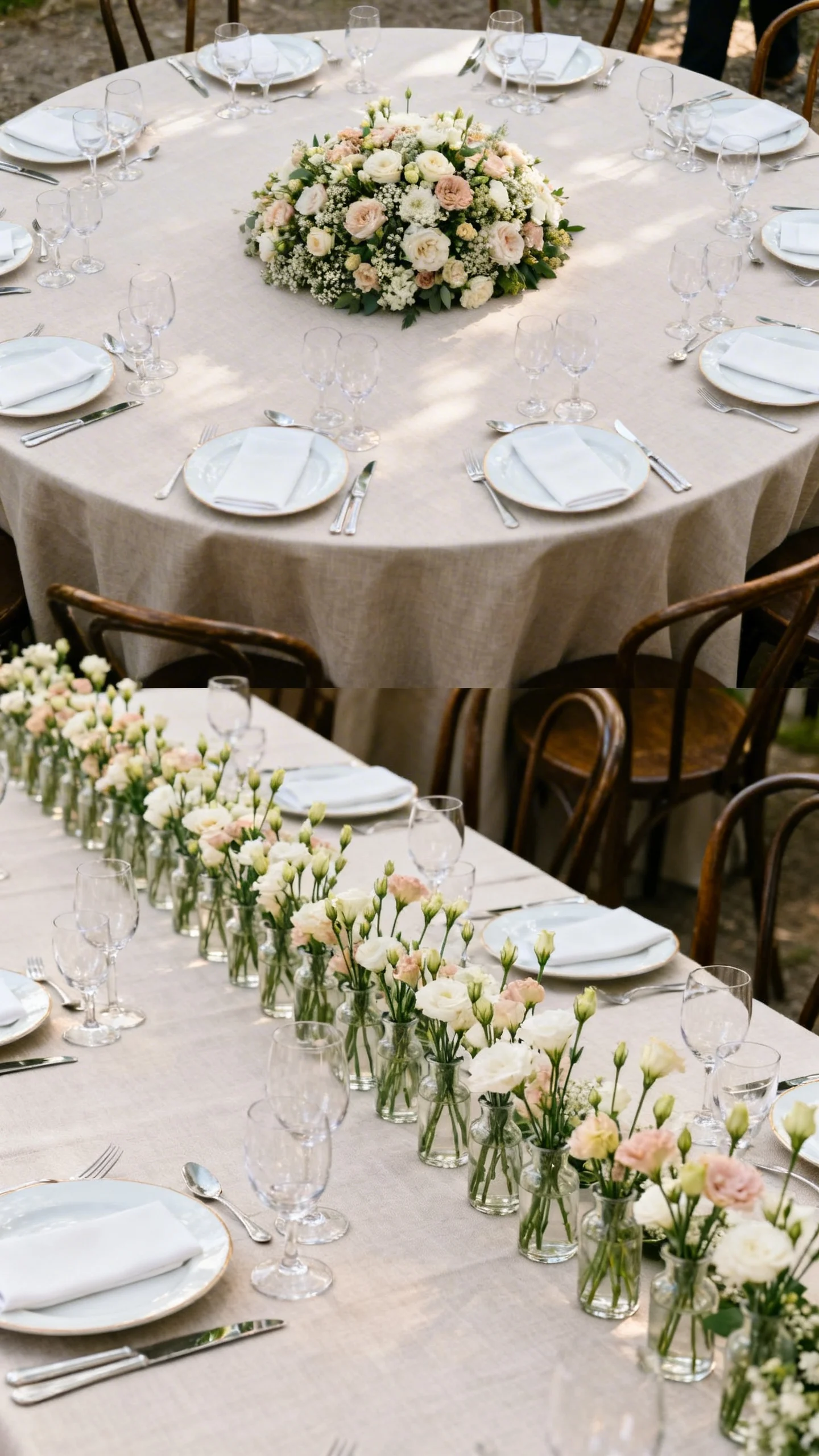
Low arrangements shine in close-ups, place setting shots, and those sweet “cheers” moments where faces are visible. They photograph best when they have intentional shape, varied textures, and a clean perimeter around the vase. Keep the design lower than wine glasses so it reads as lush, not cluttered. A tight color palette helps the flowers pop against linens.
What tall centerpieces photograph best
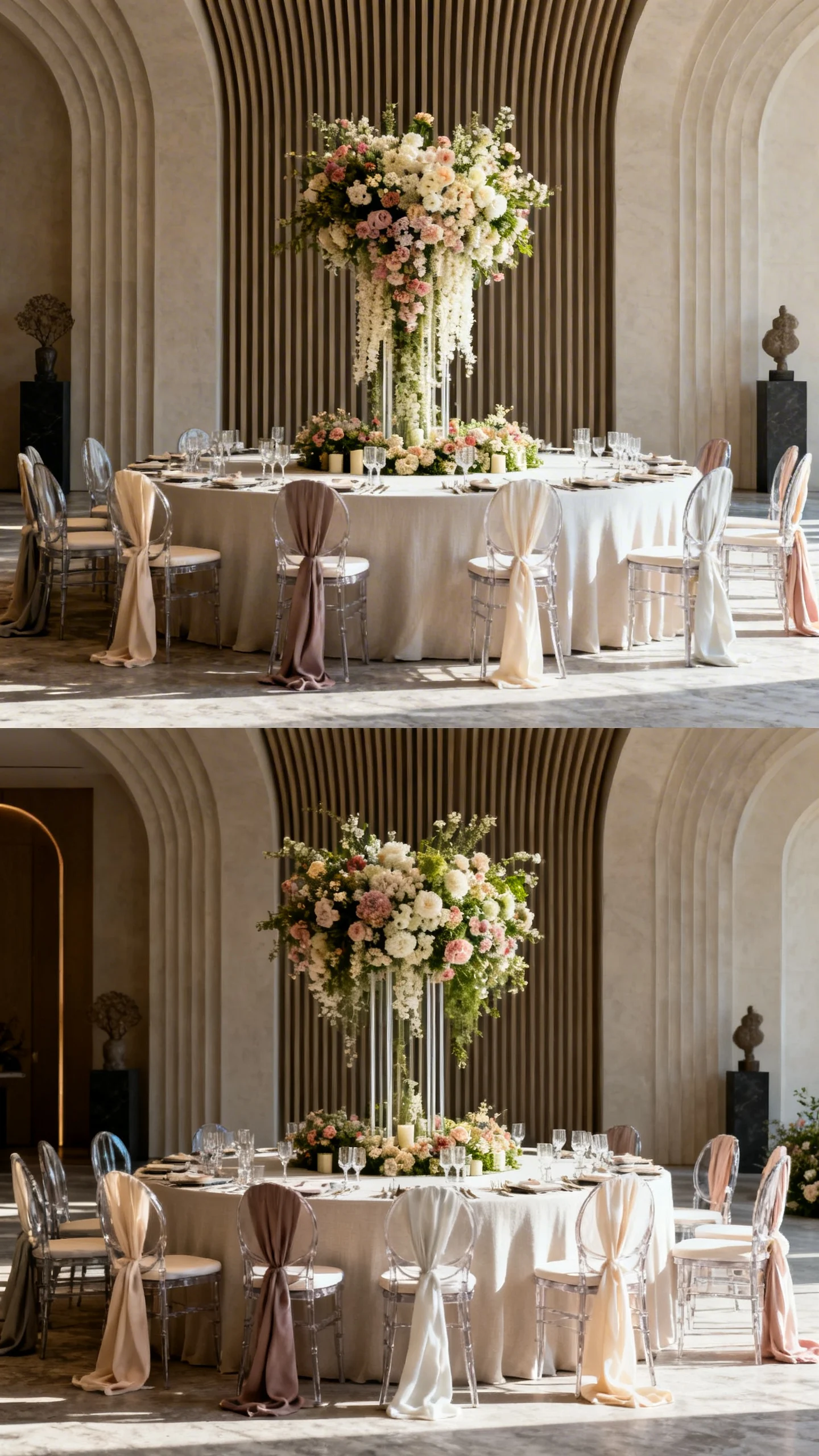
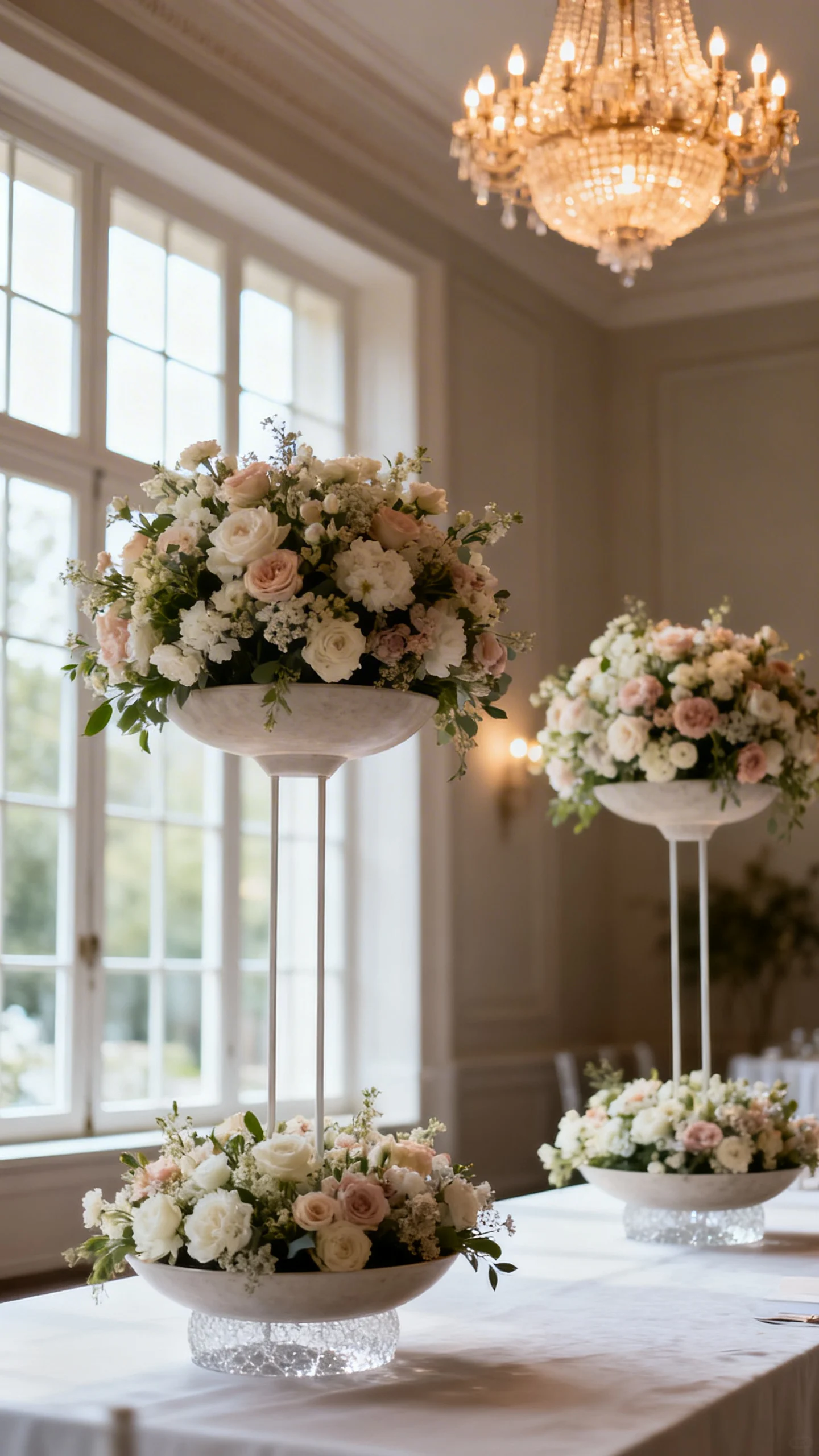
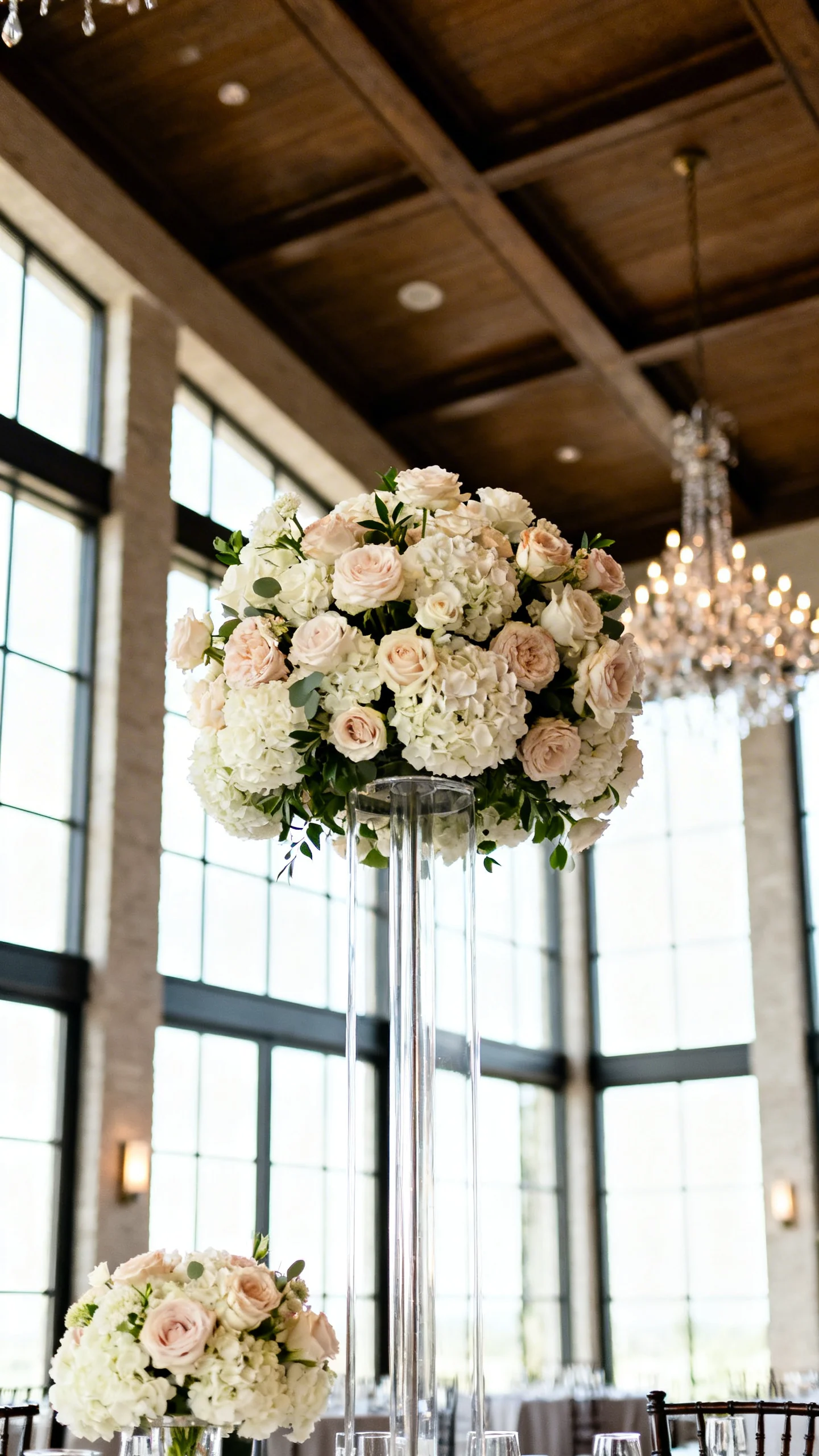
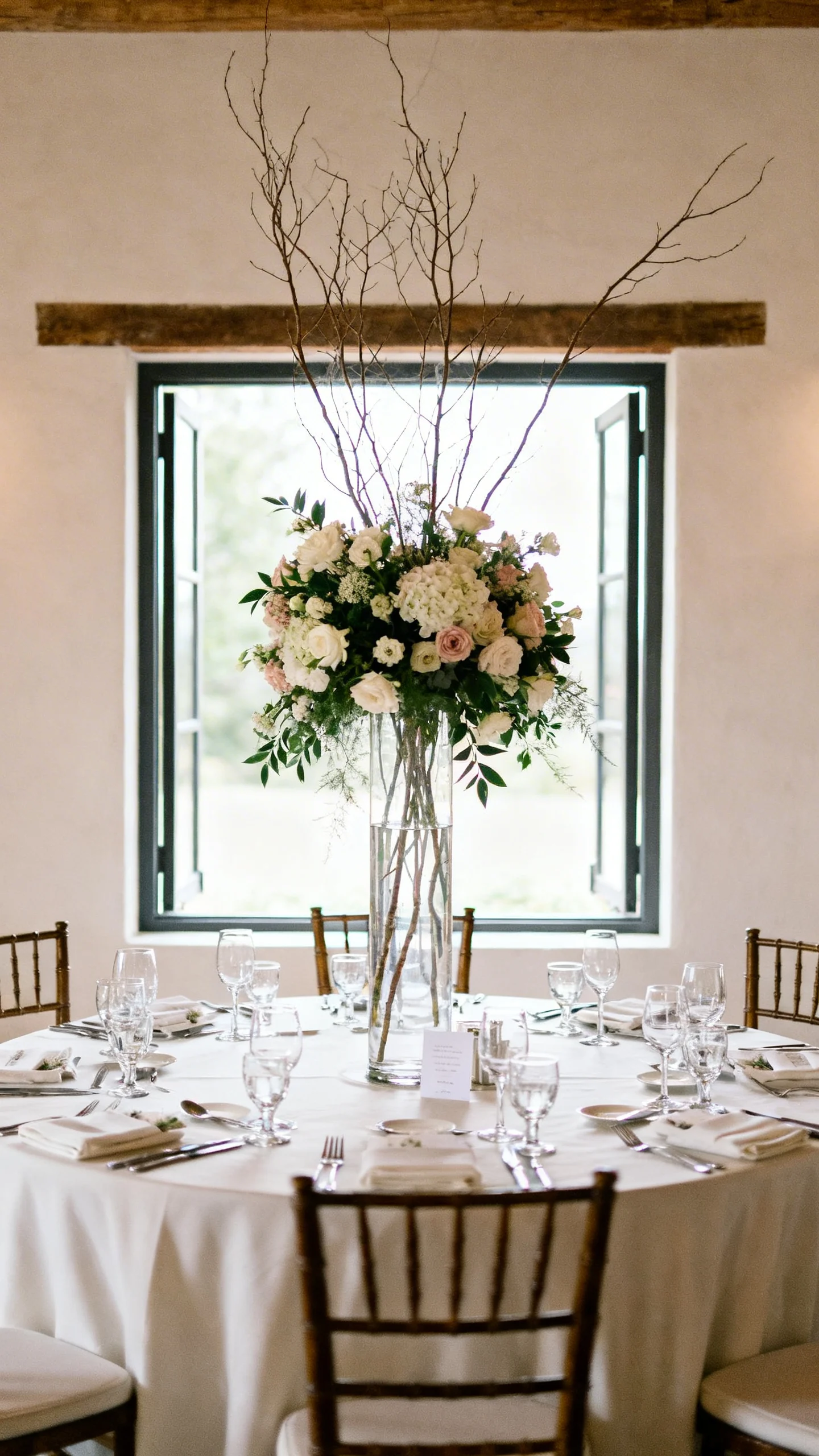
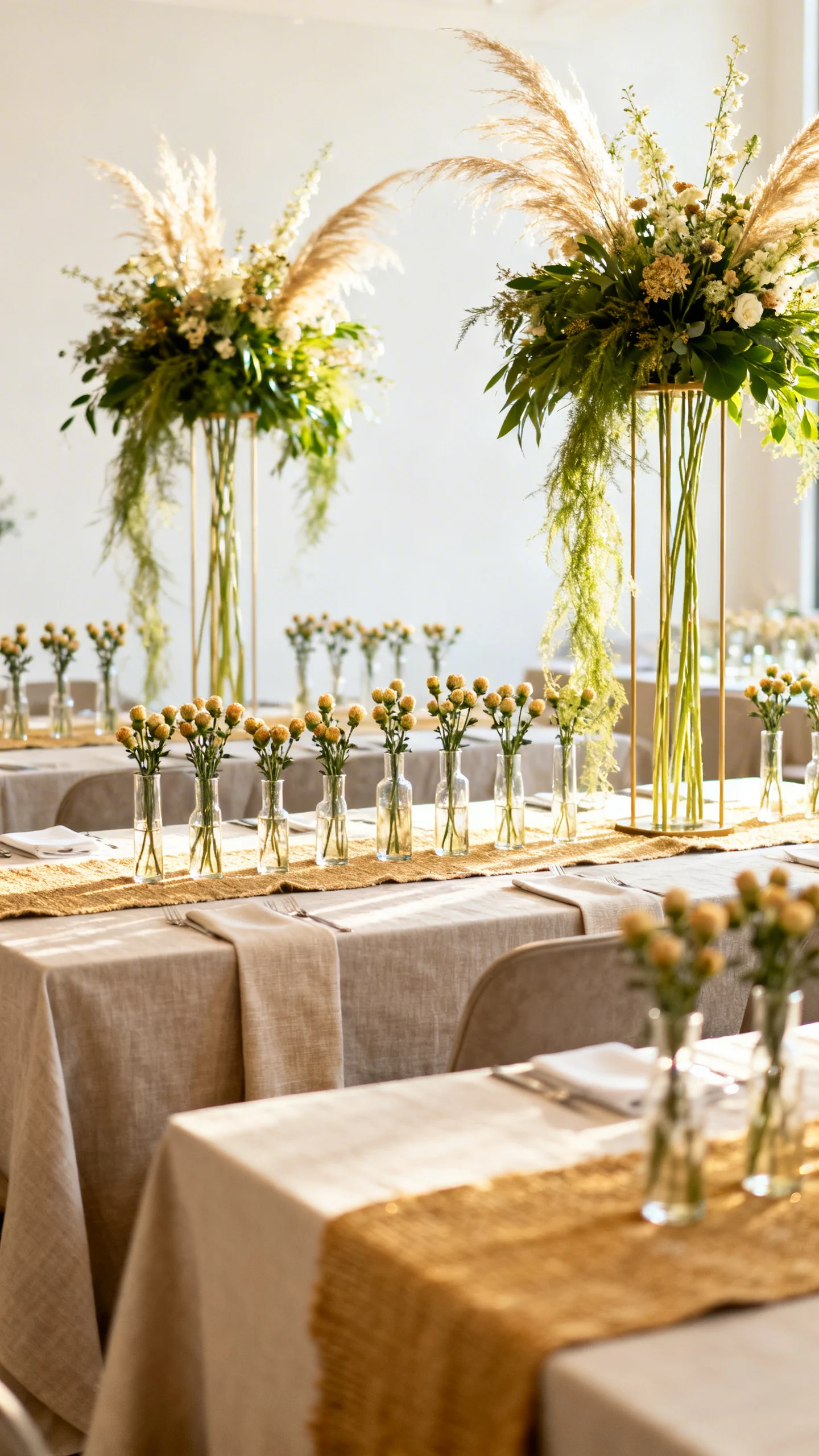
Tall centerpieces are made for wide room shots and that first “reception reveal” photo. They photograph best when the base is airy (think branches, negative space, or a lifted compote) so faces aren’t blocked. If the top is dense, keep the stem area lighter to avoid a heavy silhouette. Consider adding a few low elements at the base to ground the look in photos.
Match centerpiece height to table shape
Round tables love either low mounded florals or tall pieces that rise from the center without spreading too wide. Long banquet tables often photograph best with a continuous low runner or repeating bud vases, because it creates a clean line in overhead angles. For tall on a long table, choose fewer statement pieces spaced out so the table doesn’t feel crowded. Always leave room for water glasses, wine, and shared plates.
Consider ceiling height and venue architecture
Tall florals look most natural in rooms with high ceilings, big windows, or chandeliers—they “meet” the architecture. In lower-ceiling spaces, tall centerpieces can feel top-heavy and photograph like they’re crowding the frame. Low designs can make small rooms feel bigger and brighter in photos. When in doubt, let the venue lines guide the height.
Think about sightlines in key photos
Photographers often capture speeches, toasts, and candids across the table, so centerpieces affect what’s visible. Low centerpieces keep faces clear, which means more emotional photos with fewer obstructions. Tall centerpieces can work if they’re designed with open space at eye level. Ask your florist for “see-through” mechanics when height is a priority.
Use candles and glass to boost glow on camera
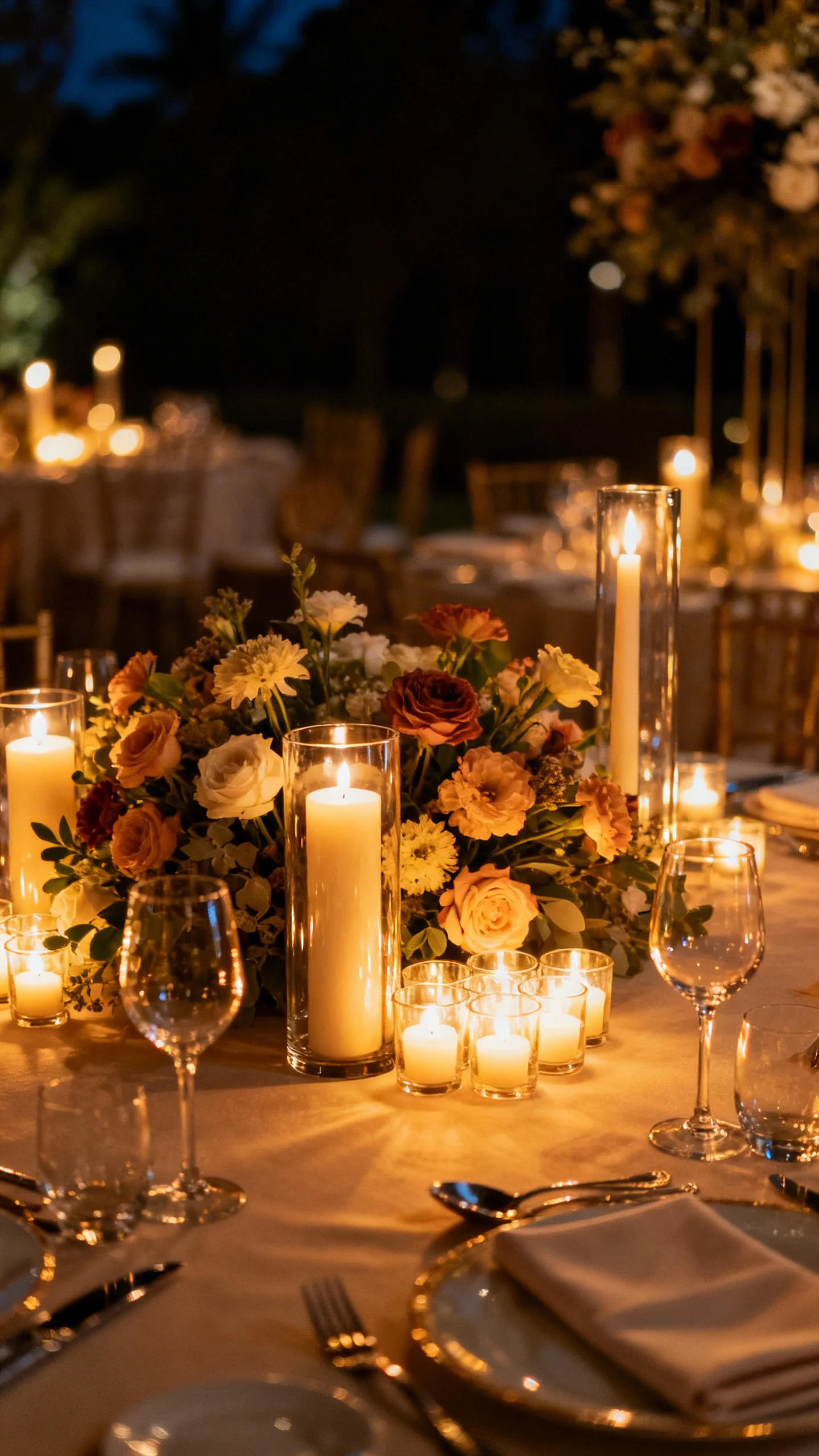
No matter the height, candlelight is the easiest way to make centerpieces photograph like a magazine spread. Clusters of votives, hurricanes, and tapers add dimension and warm reflections, especially in evening receptions. Low florals paired with mixed candle heights often photograph richer than florals alone. For tall pieces, add candlelight at the base so the table doesn’t disappear in wide shots.
Color choices that read well in photos
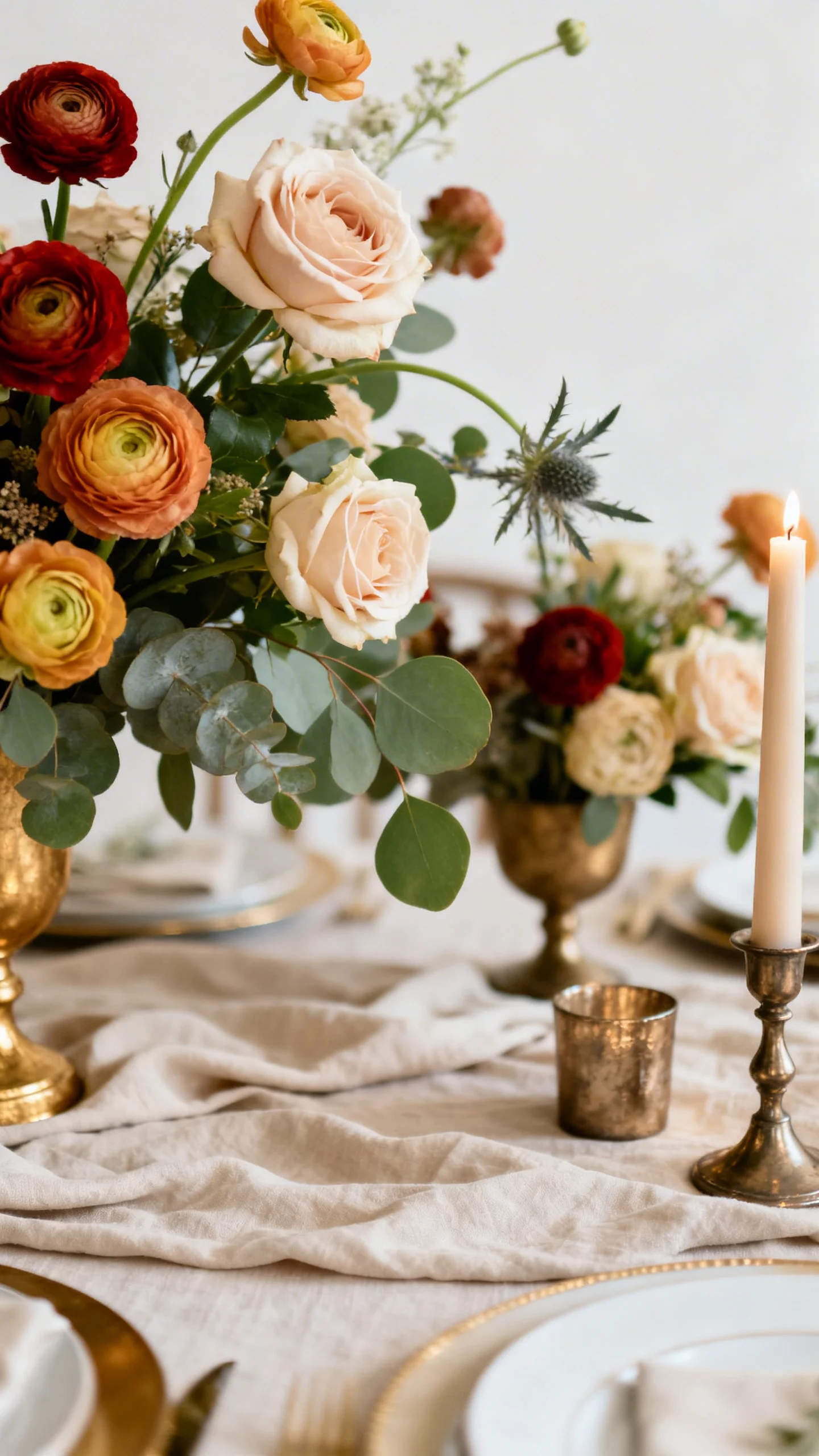
Soft neutrals photograph timelessly, but they need texture (like garden roses, ranunculus, or layered greens) to avoid looking flat. Bold colors photograph beautifully when repeated in small doses across the room for balance. Very dark florals can look dramatic, but they may lose detail in dim light unless paired with lighter accents. If you love an all-white look, add contrast through greenery, linens, or candleholders.
Balance the budget with a smart mix
If you love tall centerpieces, consider mixing tall and low designs to keep costs steady while still getting the wow moments. Place tall pieces where they’ll be photographed most—head table, sweetheart table area, or near the dance floor. Keep guest tables more conversation-friendly with lows or bud vase groupings. This approach also makes your gallery feel varied and intentional.
Choose vessels that support the silhouette
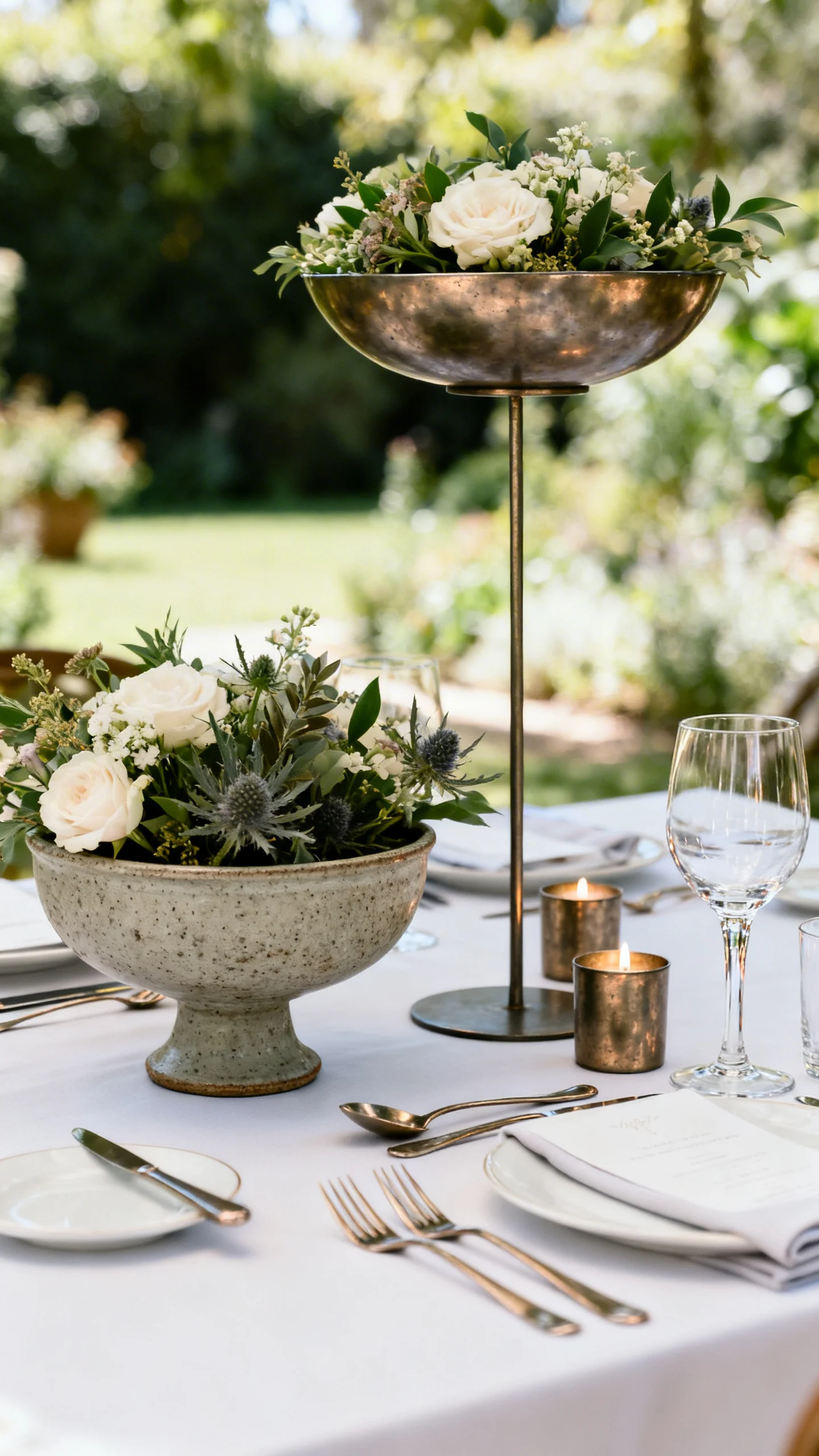
The vessel is half the centerpiece, especially in detail photos. Low centerpieces look modern in compotes, textured ceramics, or clear glass with visible stems for a garden feel. Tall centerpieces need a stable base that doesn’t look bulky—slim stands, elevated bowls, or structured urns photograph cleanly. Coordinate metals and glass tones with your flatware and candleholders for a cohesive look.
FAQ
Do low or tall centerpieces photograph better overall?
Low centerpieces tend to photograph better for guest candids and toasts because faces stay visible. Tall centerpieces photograph best in wide room shots and “wow” moments, especially in large venues. If you want the best of both, mix heights and add candles for consistent glow.
How tall is too tall for a wedding centerpiece?
If guests can’t see each other easily or the arrangement blocks the speaker’s view during toasts, it’s too tall or too dense at eye level. A tall design should have open space through the middle so sightlines stay clear. Your florist can design height with negative space to keep it airy.
What’s the most photo-friendly centerpiece for a small reception space?
Low, lush arrangements with candle clusters are usually the most flattering in smaller rooms. They keep the space feeling open and help photographers capture faces and reactions. Bud vase groupings along a long table also look great in overhead and angled shots.
How can I make low centerpieces feel elevated and special?
Use premium blooms in a tight palette, add varied textures, and choose a statement vessel like a compote or ceramic. Layer in candles at different heights and consider a few “hero” tables with slightly larger low arrangements. Consistency across tables also makes the overall look feel more luxe.
Should I tell my florist about my photography priorities?
Yes—share whether you care most about guest candids, wide room shots, or detail photos of place settings. Your florist can adjust height, density, and vessel choices to suit those angles. It also helps to mention lighting conditions and whether your reception is daytime or evening.