Wedding florals are one of those details that can make a day feel instantly elevated, but they can also quietly eat your budget if you order everything “just in case.” A smart checklist helps you cover the must-haves, add the nice-to-haves, and confidently skip what won’t be noticed.
Below is a practical, piece-by-piece guide to every floral moment you might consider, plus where you can simplify without sacrificing the overall look.
Personal flowers: bouquets and boutonnieres
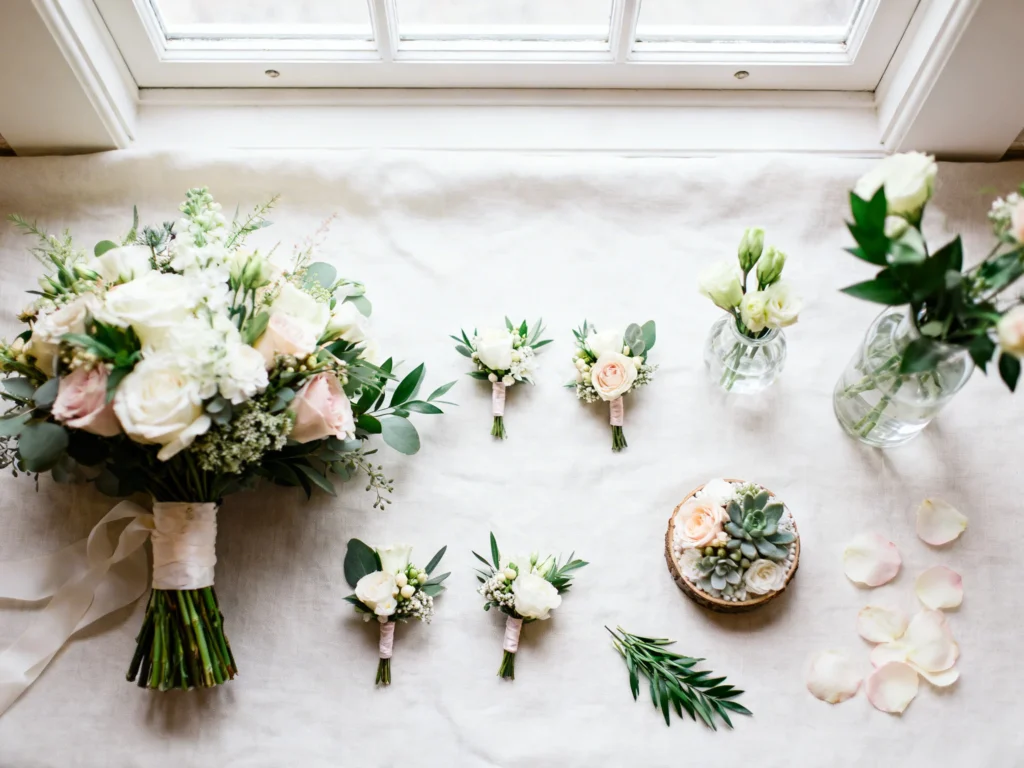
Start with the flowers that are photographed closest: the wedding party’s personals. You’ll typically consider a bridal bouquet, bridesmaids’ bouquets (or an alternate), and boutonnieres for the partner(s), wedding party, and key family members. If budget is tight, prioritize the bridal bouquet and one or two boutonnieres first. You can also mix fresh florals with ribbon, dried accents, or greenery for a full look with fewer stems.
Corsages and special family florals
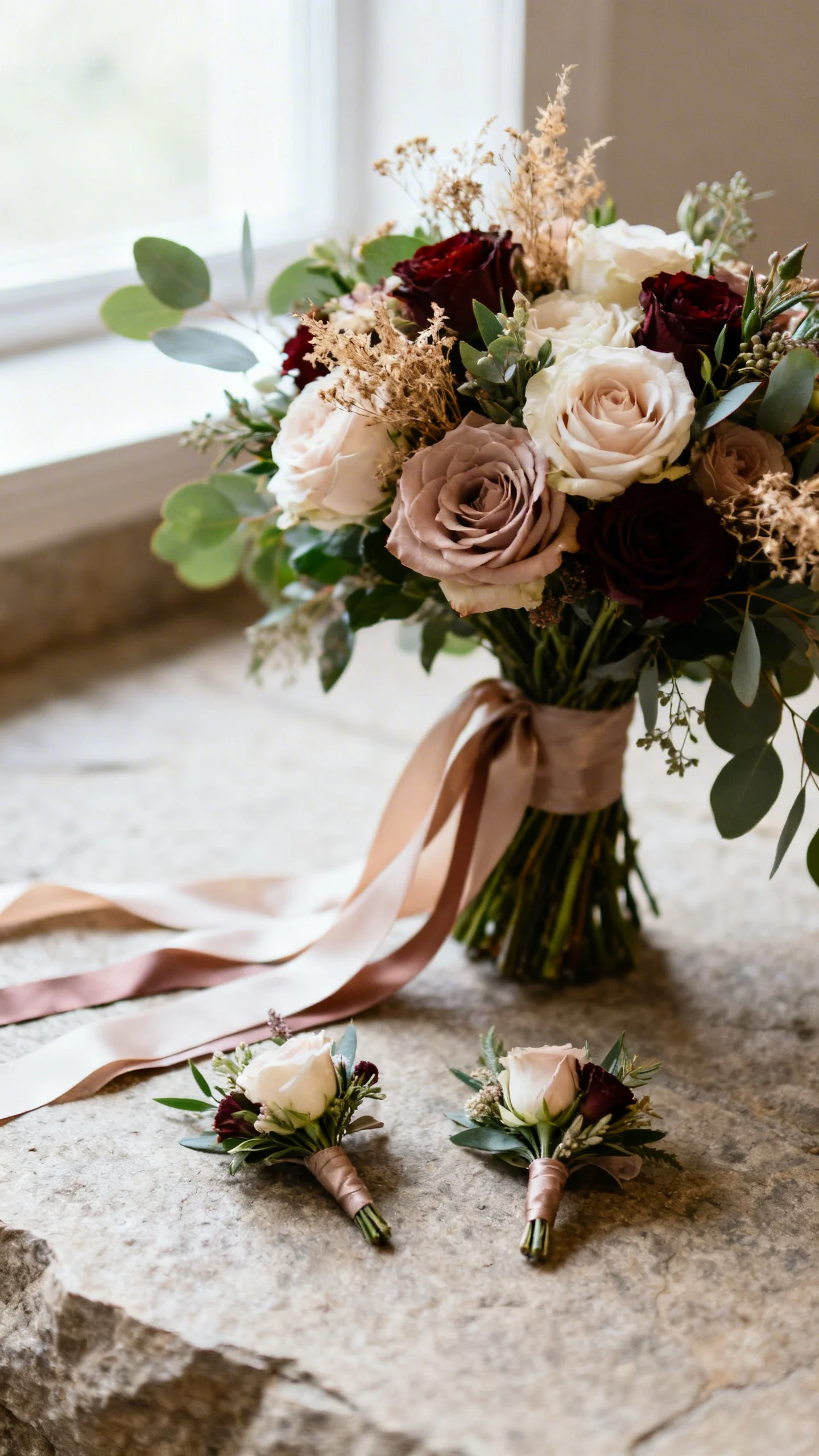
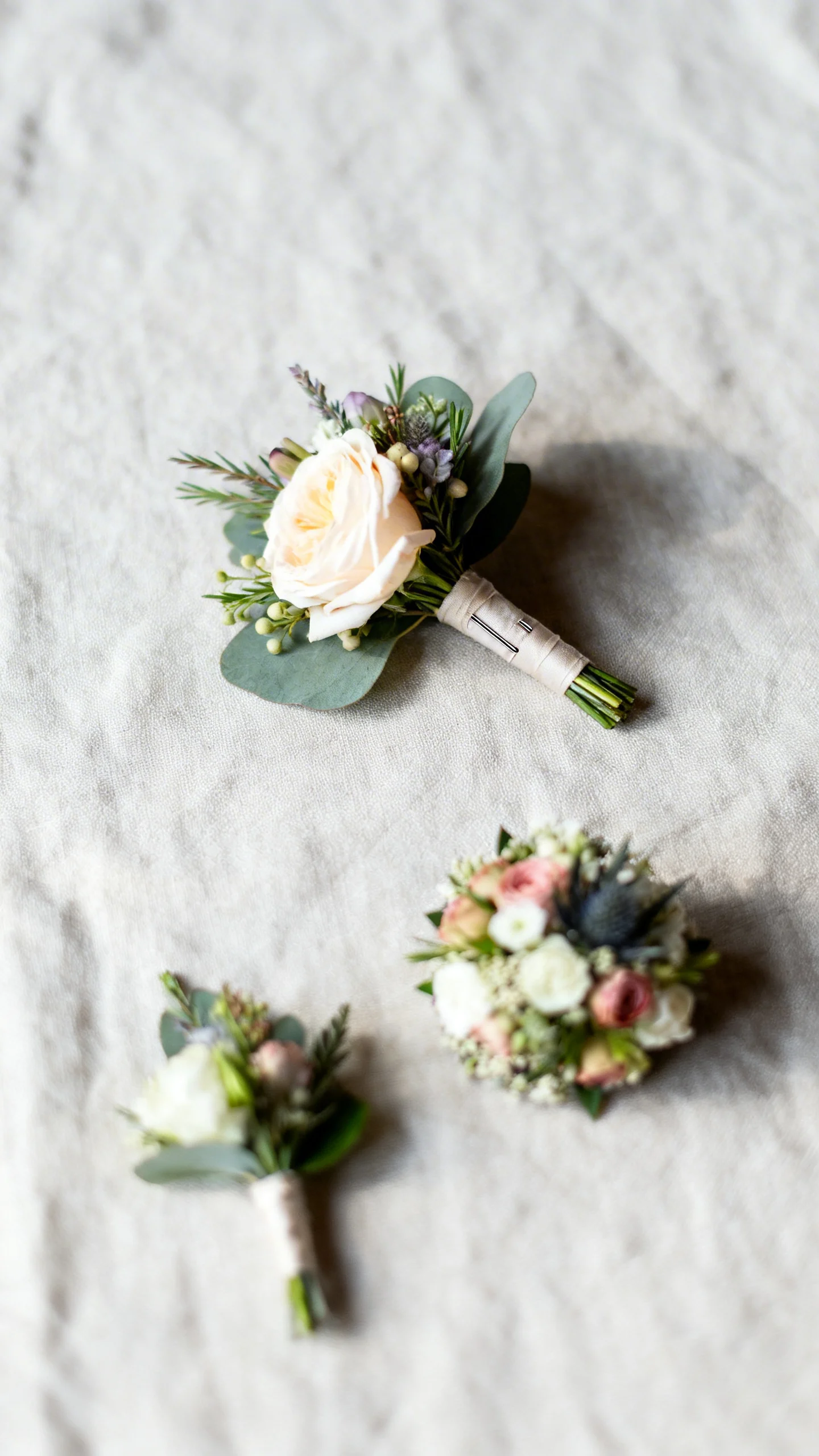
Corsages and extra boutonnieres are meaningful, but they don’t have to be complicated. Think about parents/stepparents, grandparents, and anyone you want to honor (officiant, readers, escorts). Wrist corsages can be less comfortable for some guests, so pin-on corsages or a small bouquet for a VIP can be a better fit. If you’re skipping these, consider a heartfelt note or a reserved-seat ribbon as an alternative “honor moment.”
Ceremony aisle: markers, petals, and chair/bench florals
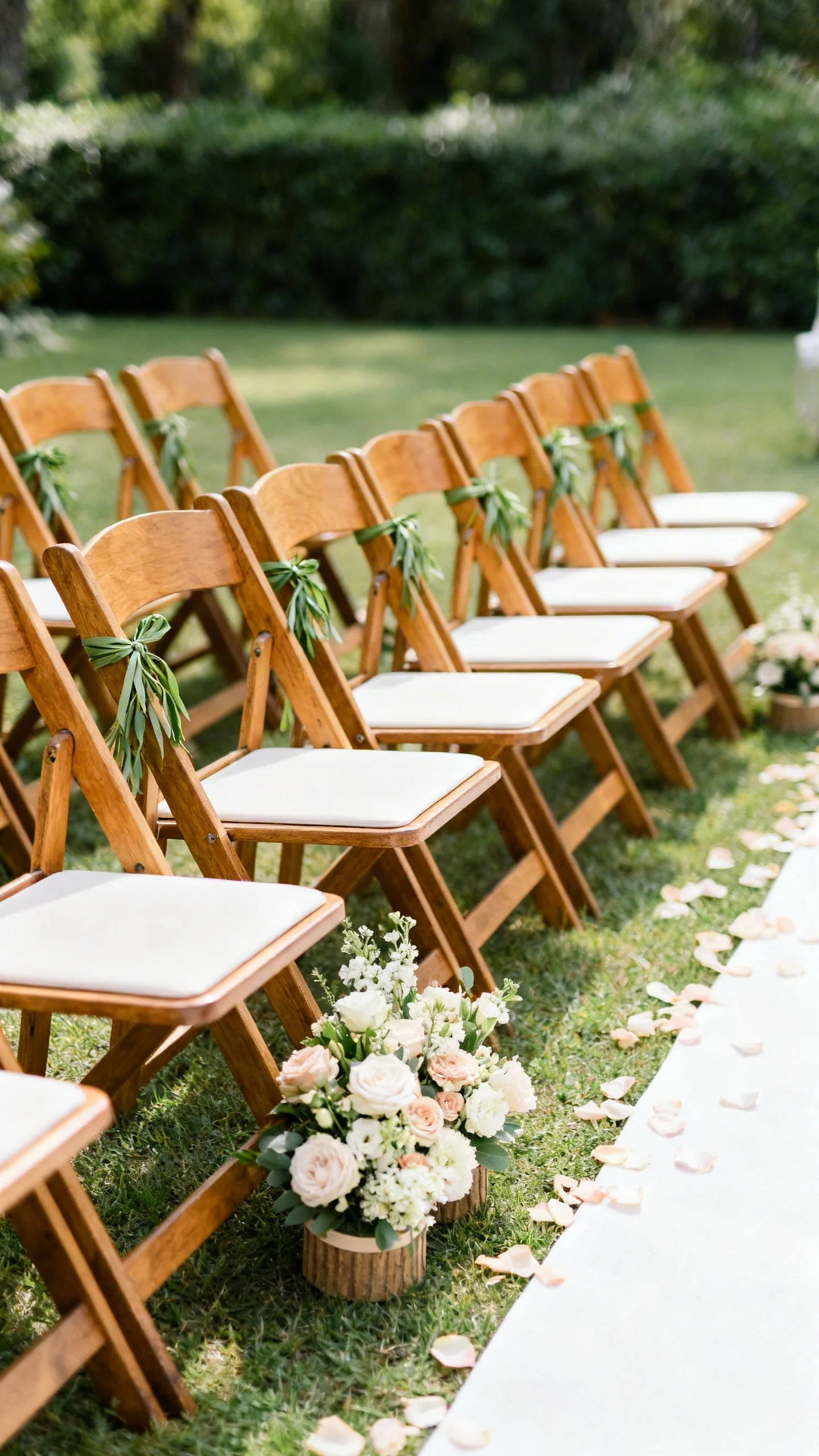
Aisle florals can be as simple as greenery ties or as dramatic as clustered arrangements at the front rows. Decide whether you want aisle markers on every row, only the first few, or none at all. Petal aisles can look dreamy, but they add setup/cleanup time and don’t always read in photos unless they’re dense. A high-impact option is two statement pieces near the ceremony focal point instead of many small ones down the aisle.
Ceremony focal point: arch, chuppah, arbor, or altar arrangements
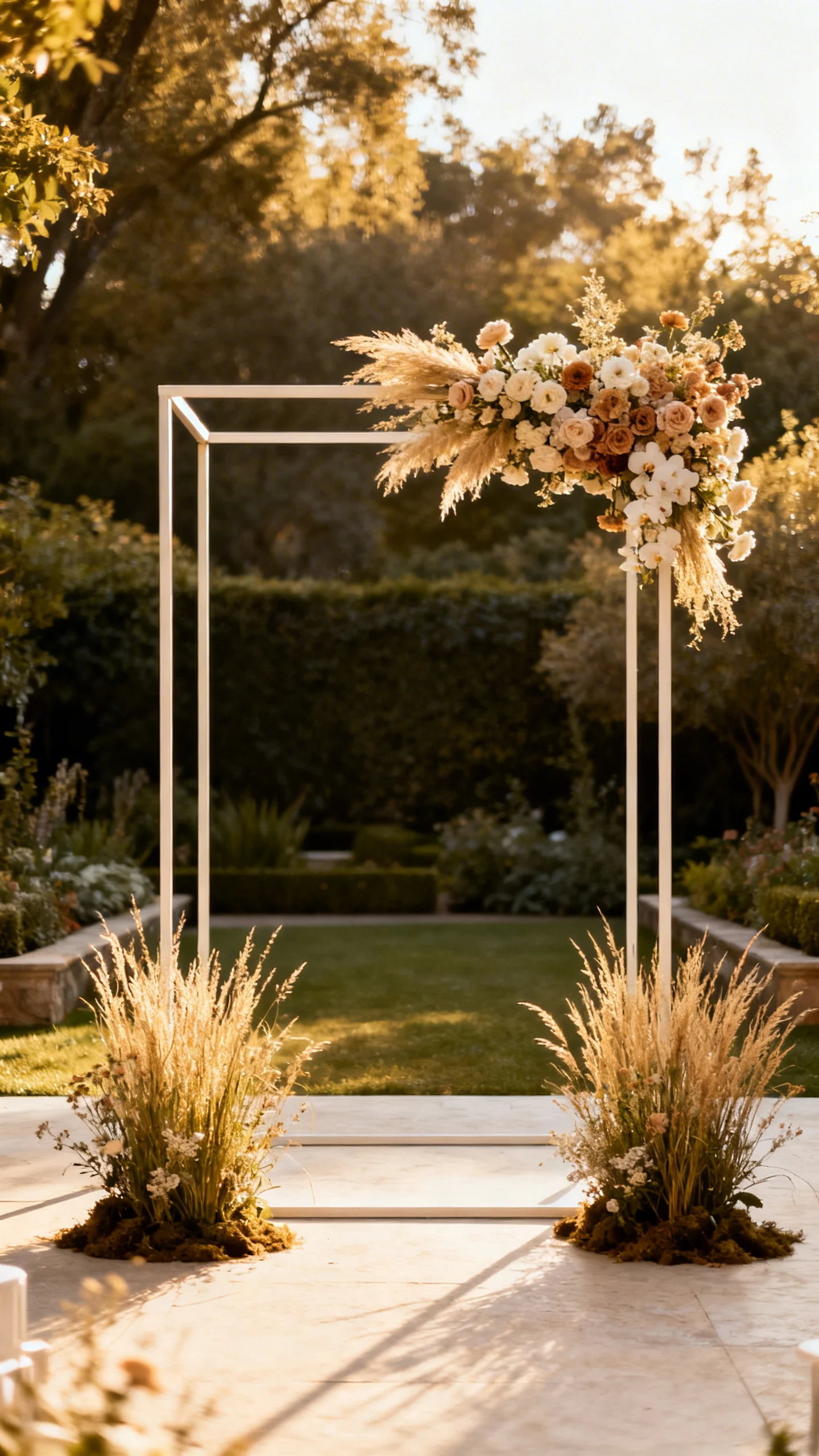
This is usually the most “seen” ceremony floral because it frames your vows and shows up in nearly every wide shot. Options include a floral arch, chuppah accents, ground meadows, urns/pedestals, or asymmetrical installations. If you want to save, choose one feature moment (for example, two large arrangements) rather than covering every inch. Ask your florist what can be repurposed to the reception to stretch your investment.
Welcome table and entry moments
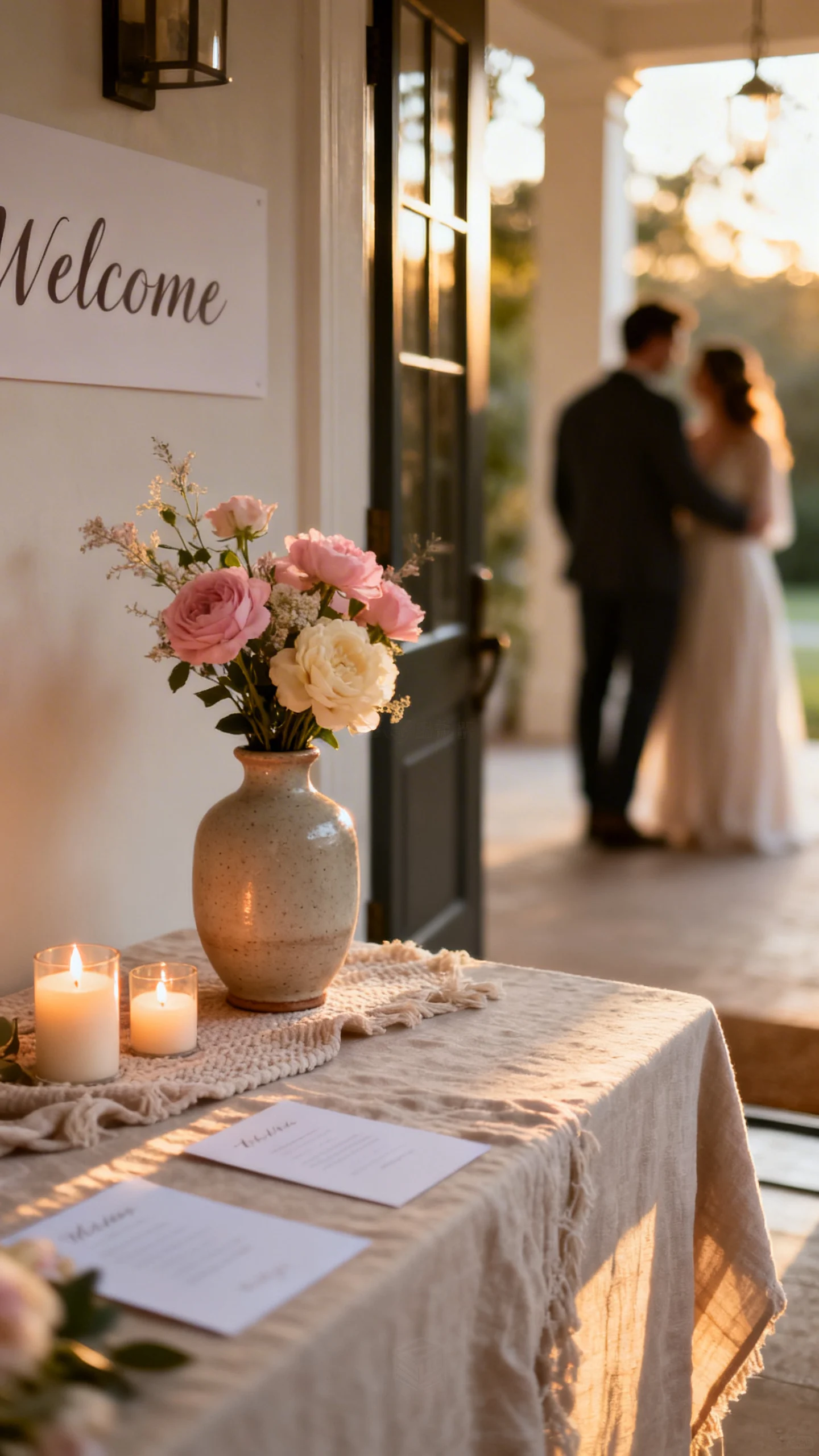
Florals at the entrance help guests feel like they’ve arrived somewhere special. A small arrangement for the welcome sign table, hostess stand, or entry vignette can be enough. If you’re already doing lush ceremony pieces nearby, you may not need extra flowers here—use candles, framed photos, or styled linens instead. Prioritize this area if your venue entrance is plain or you want a strong first impression.
Bar, lounge, and cocktail hour styling
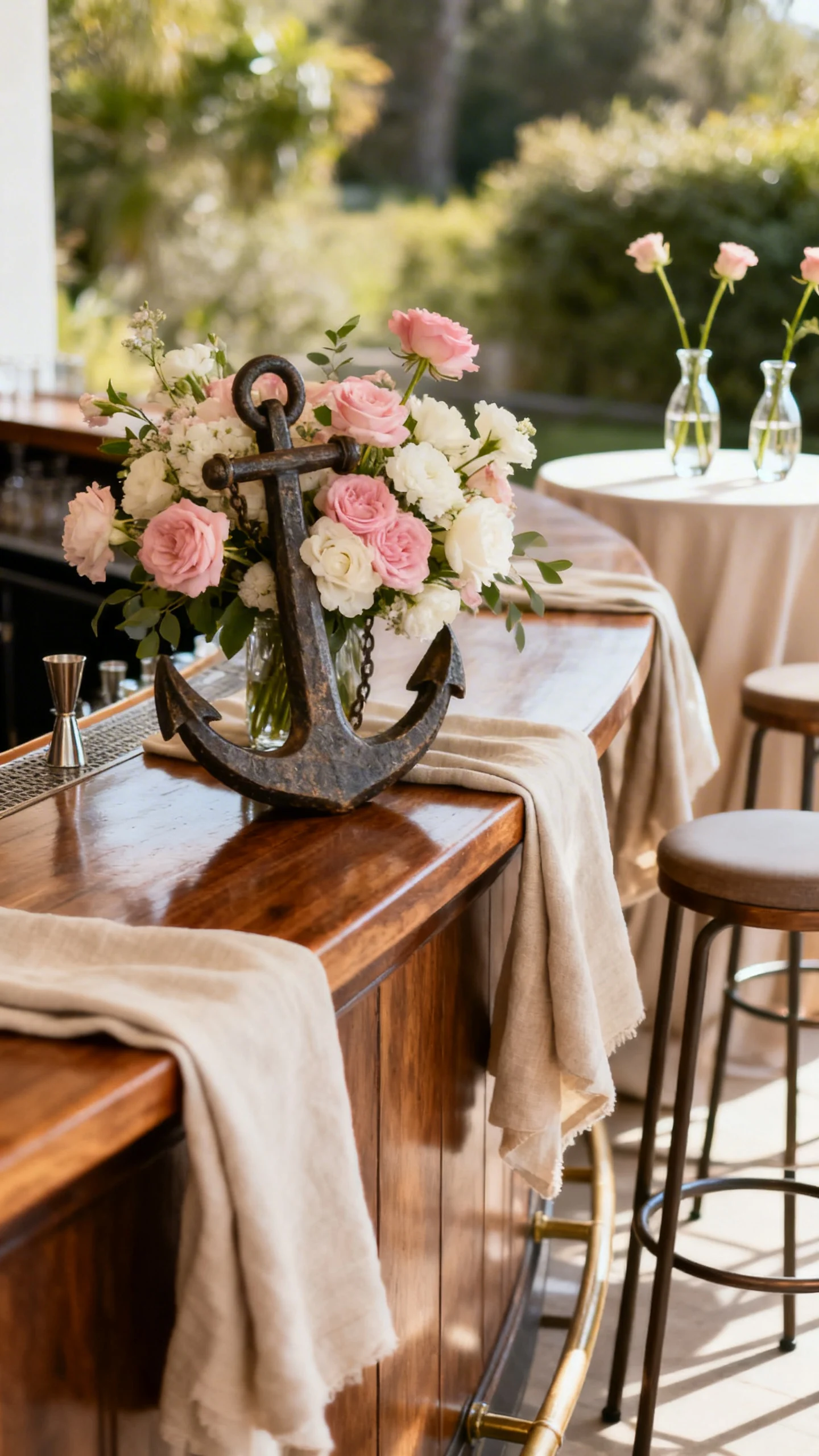
Cocktail hour florals are often “nice-to-have,” but they can tie your design together in a subtle way. Consider bud vases on high-tops, a small bar arrangement, or greenery on a lounge coffee table. If guests will be outside or moving around a lot, you can skip most of these and focus on one anchor piece at the bar. Candles and thoughtful signage can carry the vibe without additional stems.
Reception centerpieces: table florals and bud vase mixes
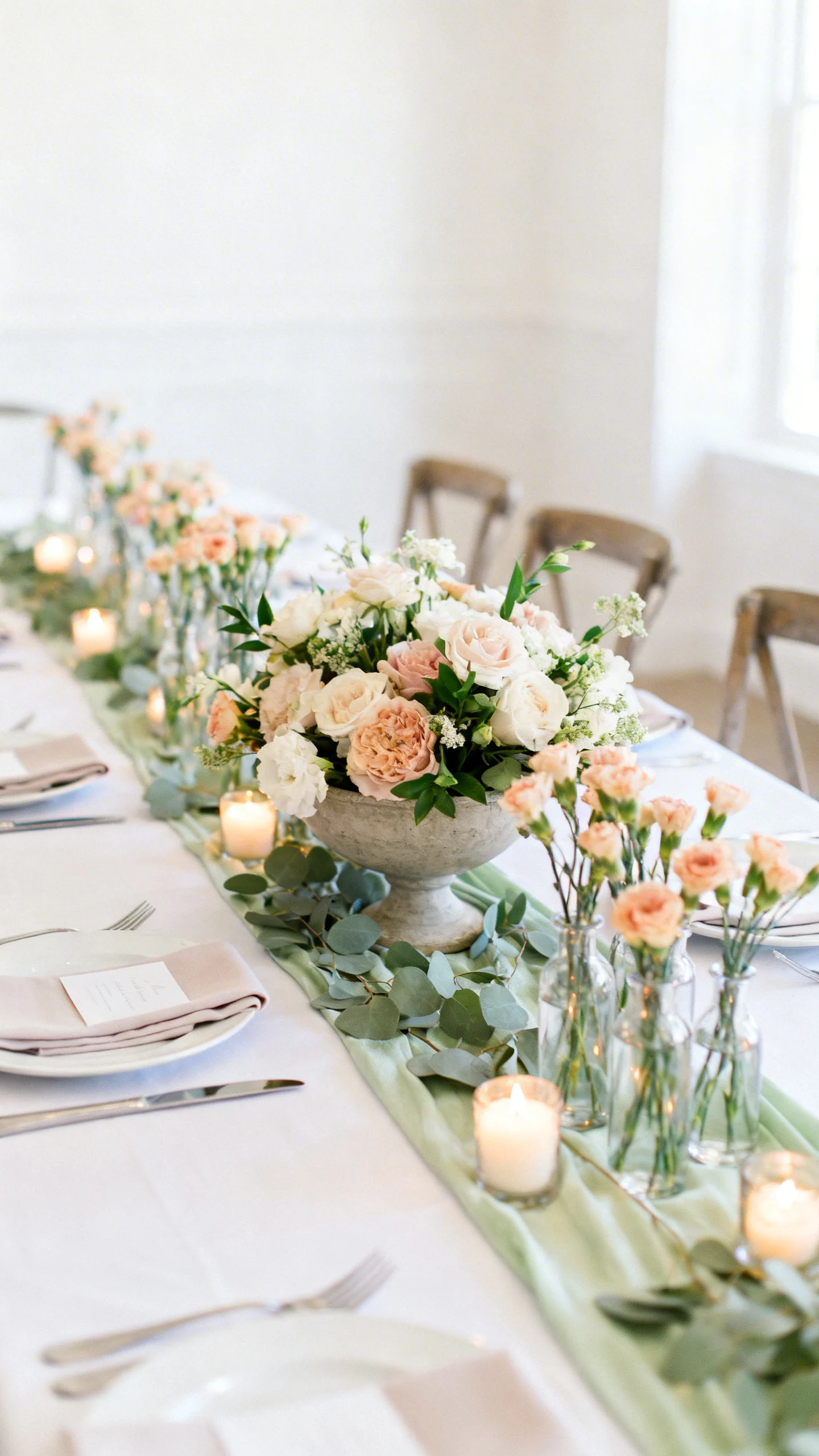
Centerpieces are the classic checklist item, but they don’t need to be uniform to look cohesive. You can mix compote arrangements on some tables with bud vases or greenery runners on others for a layered, curated feel. Keep guest sightlines in mind: lower designs are easy for conversation, while tall pieces are dramatic but require sturdy mechanics. If your venue already has a statement look (views, architecture, bold linens), simpler centerpieces still photograph beautifully.
Head table or sweetheart table flowers
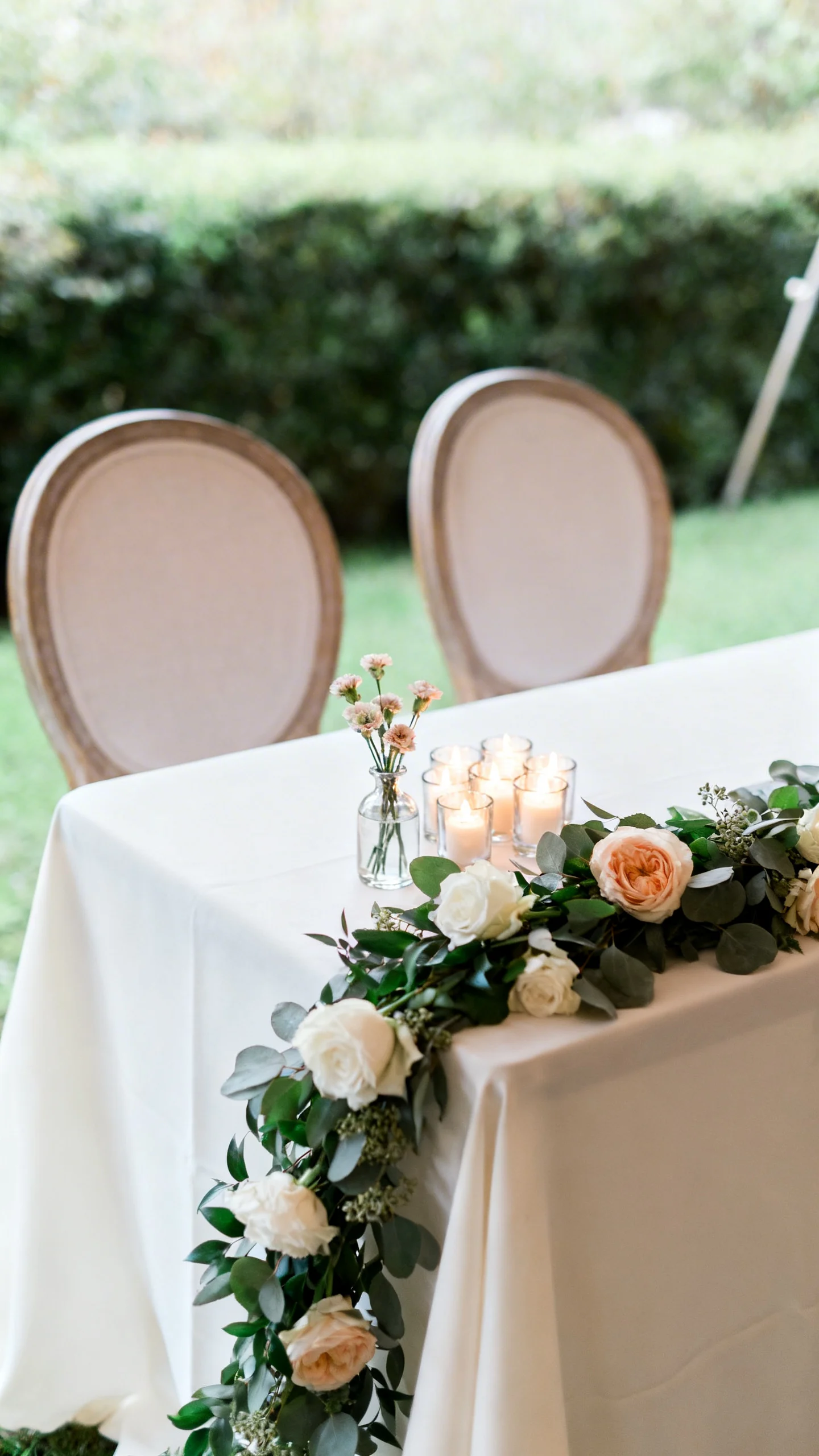
Your seating moment deserves its own decision because it’s a major photo backdrop during toasts. Popular options include a lush centerpiece, a garland drape, ground clusters, or a partial floral “skirt” along the front edge. If you’re doing an elaborate ceremony backdrop that will be flipped behind you, you can often skip heavy head table florals. A few bud vases and candle clusters can read just as intentional in close-ups.
Statement installs: hanging florals and large-scale pieces
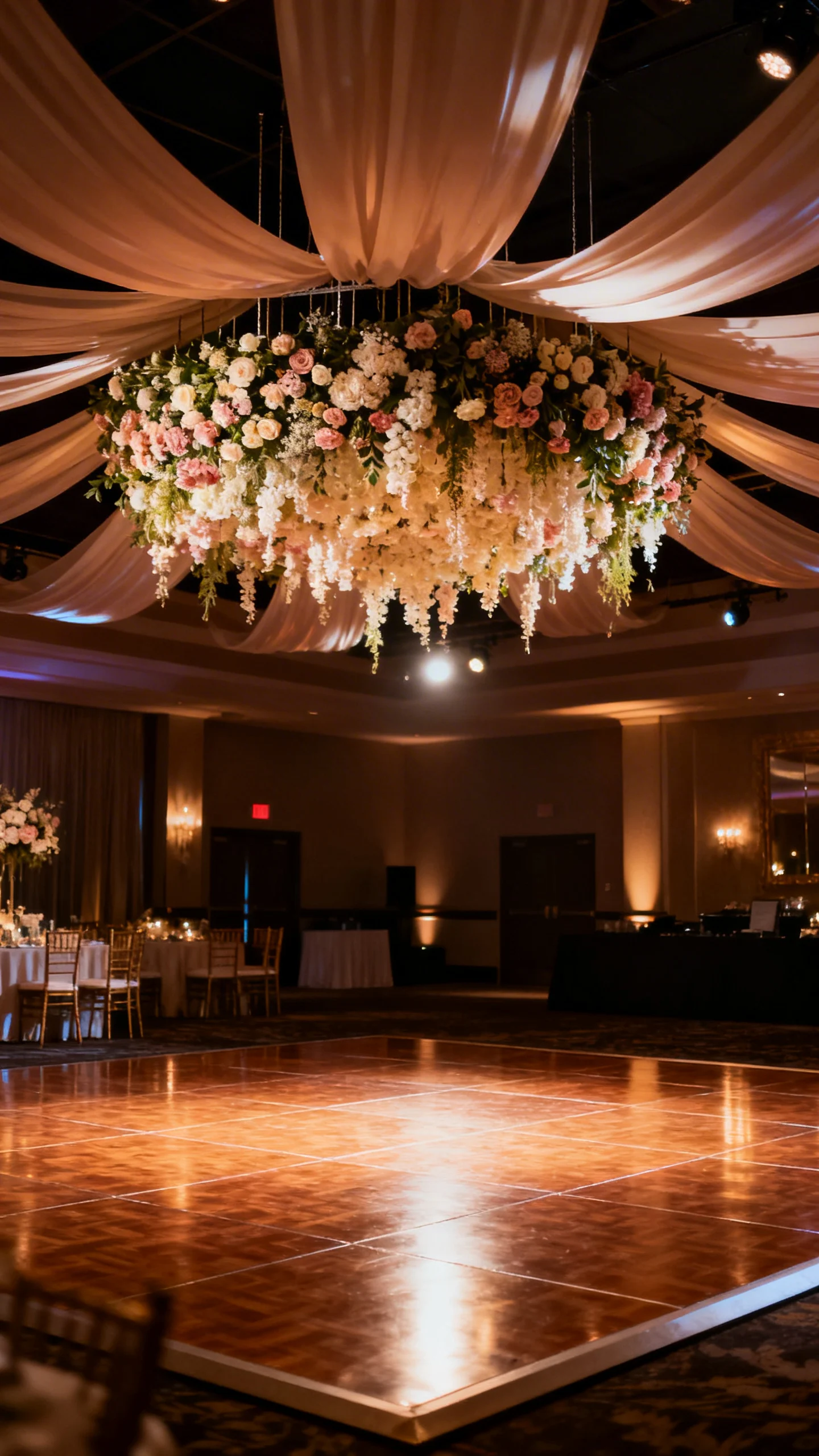
Hanging installations, staircase garlands, fireplace mantels, and ceiling moments are showstoppers—but they’re also labor-intensive. Choose these when you want a big visual payoff in a key area (dance floor, entrance, or behind the couple). If you’re deciding what to skip, this is a common cut that won’t affect the flow of the day. You can mimic the impact with strong lighting, draping, or a single grounded statement arrangement.
Cake flowers and dessert display accents
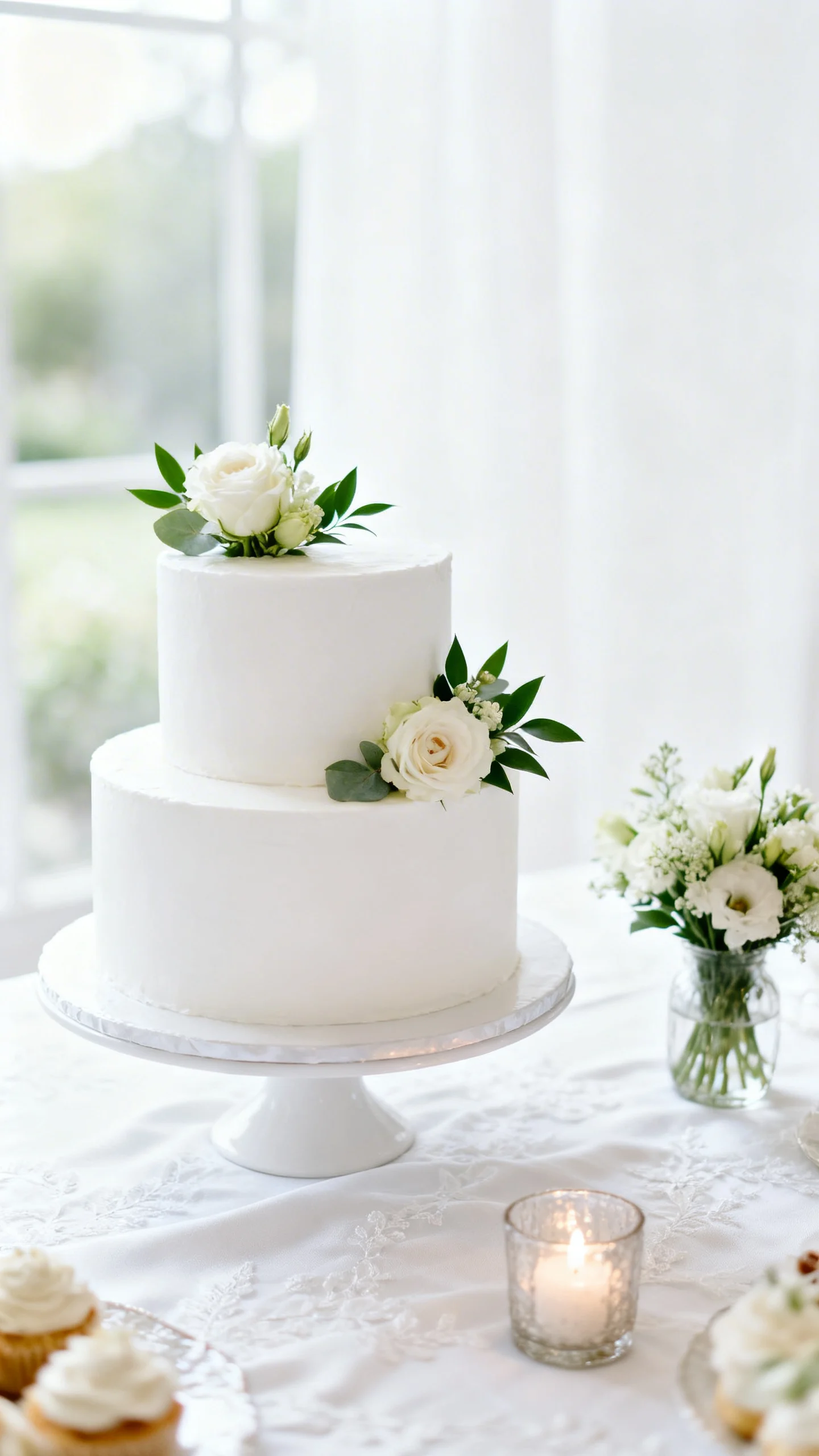
Cake flowers photograph well and can make even a simple cake feel custom. Use florist-provided blooms (or flowers placed by a pro) to ensure they’re food-safe and sturdy. If you’re skipping this, consider a cake stand, linen, and candle styling so the table still feels designed. A small arrangement near the dessert display often looks fuller than trying to decorate every treat.
Where to save: skip list and smart swaps
If you need to streamline, skip low-visibility areas first: restroom flowers, excessive aisle markers, and decor in spaces guests barely spend time in. Swap large bridesmaids’ bouquets for smaller posies, single stems, or floral hoops, and use greenery with a few focal blooms for fullness. Prioritize pieces that live in photos: bridal bouquet, ceremony focal point, and reception tables. Repurposing ceremony arrangements to the reception is one of the easiest ways to get more “wow” from the same flowers.
FAQ
What floral pieces are the true must-haves?
Most couples get the most value from a bridal bouquet, at least one boutonniere, a ceremony focal arrangement (arch/altar/ground pieces), and reception table florals. Those elements show up repeatedly in photos and define the overall aesthetic. Everything else can be scaled up or down based on budget and priorities.
How many boutonnieres and corsages should we order?
Typical counts include the partner(s), wedding party members, and immediate family, plus anyone with an honored role (officiant, readers). If you’re unsure, list names rather than guessing numbers. Many couples skip corsages entirely and only do boutonnieres for key VIPs.
Can we repurpose ceremony florals for the reception?
Yes, and it’s one of the smartest moves. Aisle arrangements can become bar pieces, altar clusters can move behind the sweetheart table, and arch florals can be reused on a welcome sign or head table. Confirm with your florist and planner who is handling the flip so it’s timed and protected.
Are bud vases enough for reception tables?
They can be, especially when grouped in sets and paired with candles. Bud vases work well for intimate weddings, long farm tables, and venues with strong built-in atmosphere. Choose a consistent color palette and repeat one or two flower varieties to keep them looking intentional, not random.
What’s the easiest floral item to skip without anyone noticing?
Cocktail hour extras and small accent arrangements in transition spaces are often the least missed. Guests remember the ceremony focal point, their table, and any big statement moment. If you need to cut, focus on protecting those high-impact areas first.