
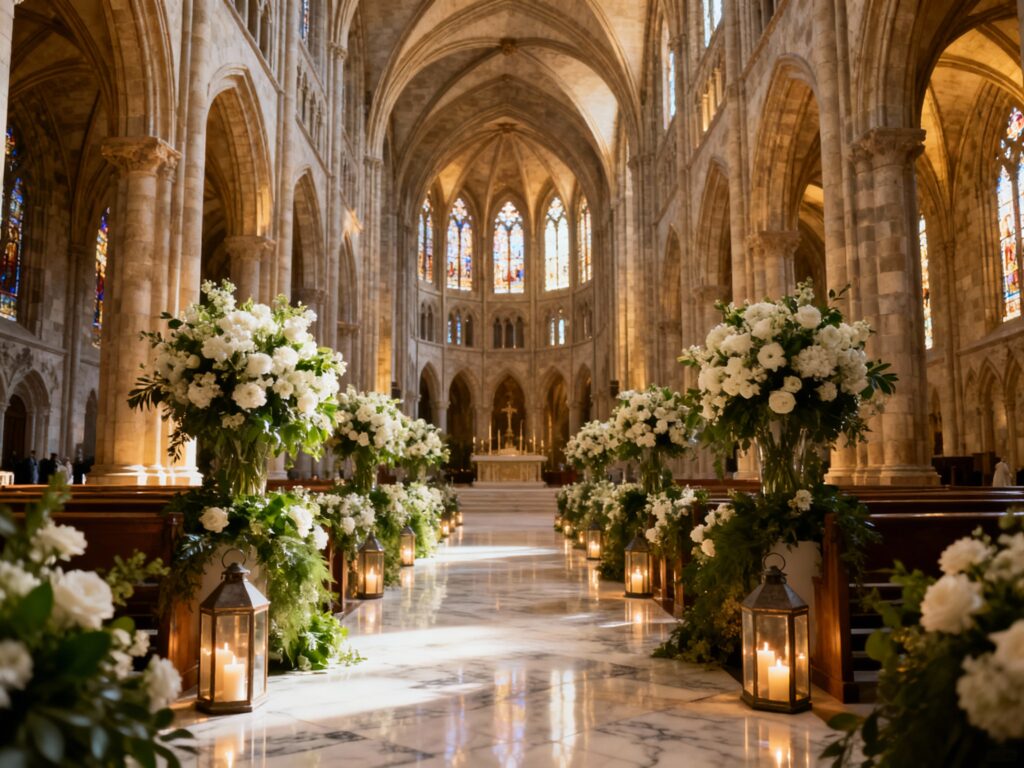
Christian luxury doesn’t have to mean over-the-top or trendy for the sake of it. The most stunning celebrations feel elevated because they’re intentional: rooted in faith, rich with meaning, and beautifully executed.
If you want a wedding that feels timeless, elegant, and deeply “you,” here are five tradition-forward ideas that read high-end while still honoring classic Christian wedding values.
Top 5
1) Cathedral Ceremony Styling with Reverent Details
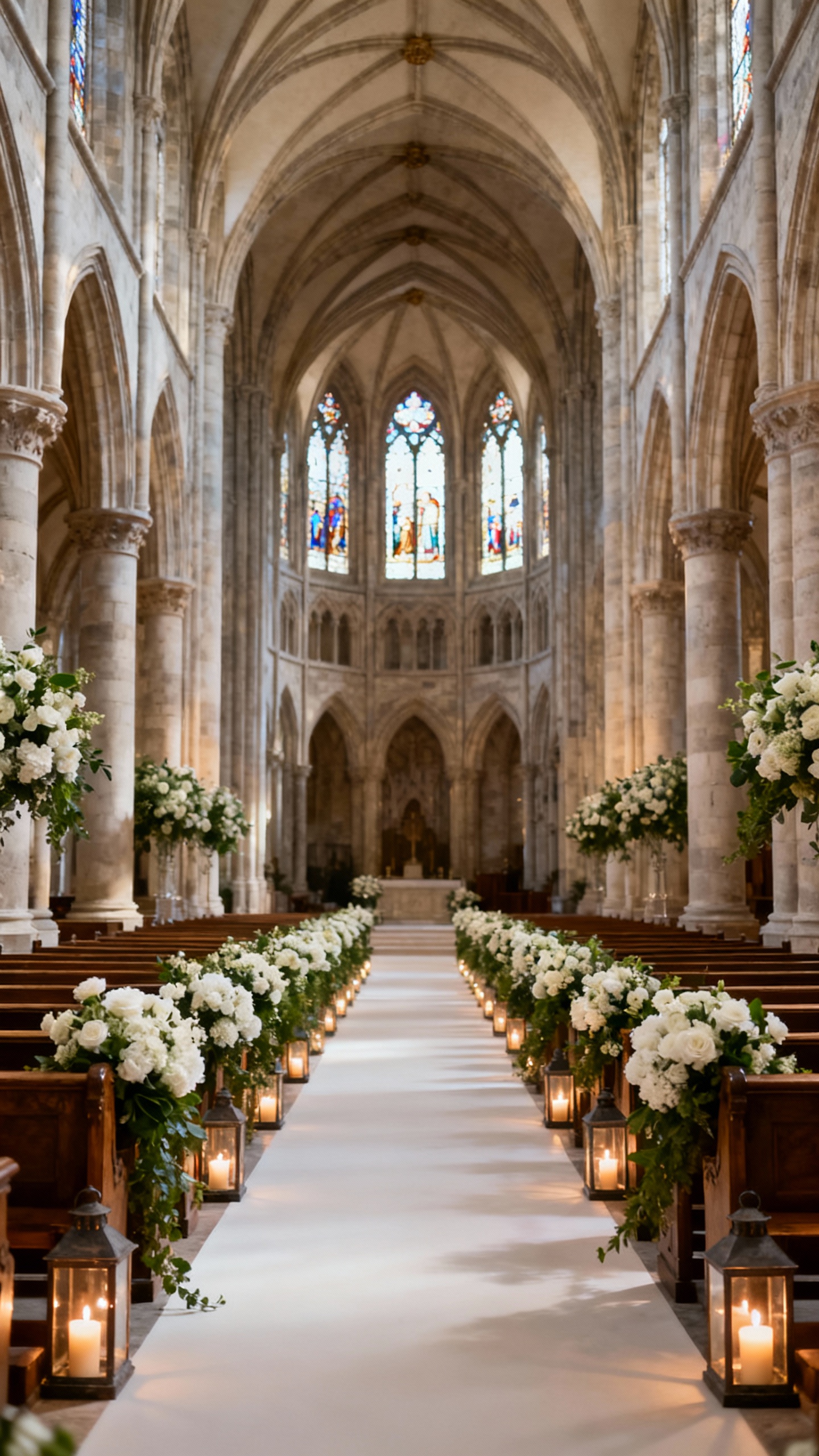
Lean into the beauty of a church setting instead of fighting it. Choose aisle arrangements that complement the architecture (think white florals, greenery, and candlelight-safe lanterns) and keep signage minimal and classic. A string quartet or organist instantly elevates the mood while staying rooted in tradition.
2) Heirloom-Inspired Bridal Look (Modern, Not Costume-y)
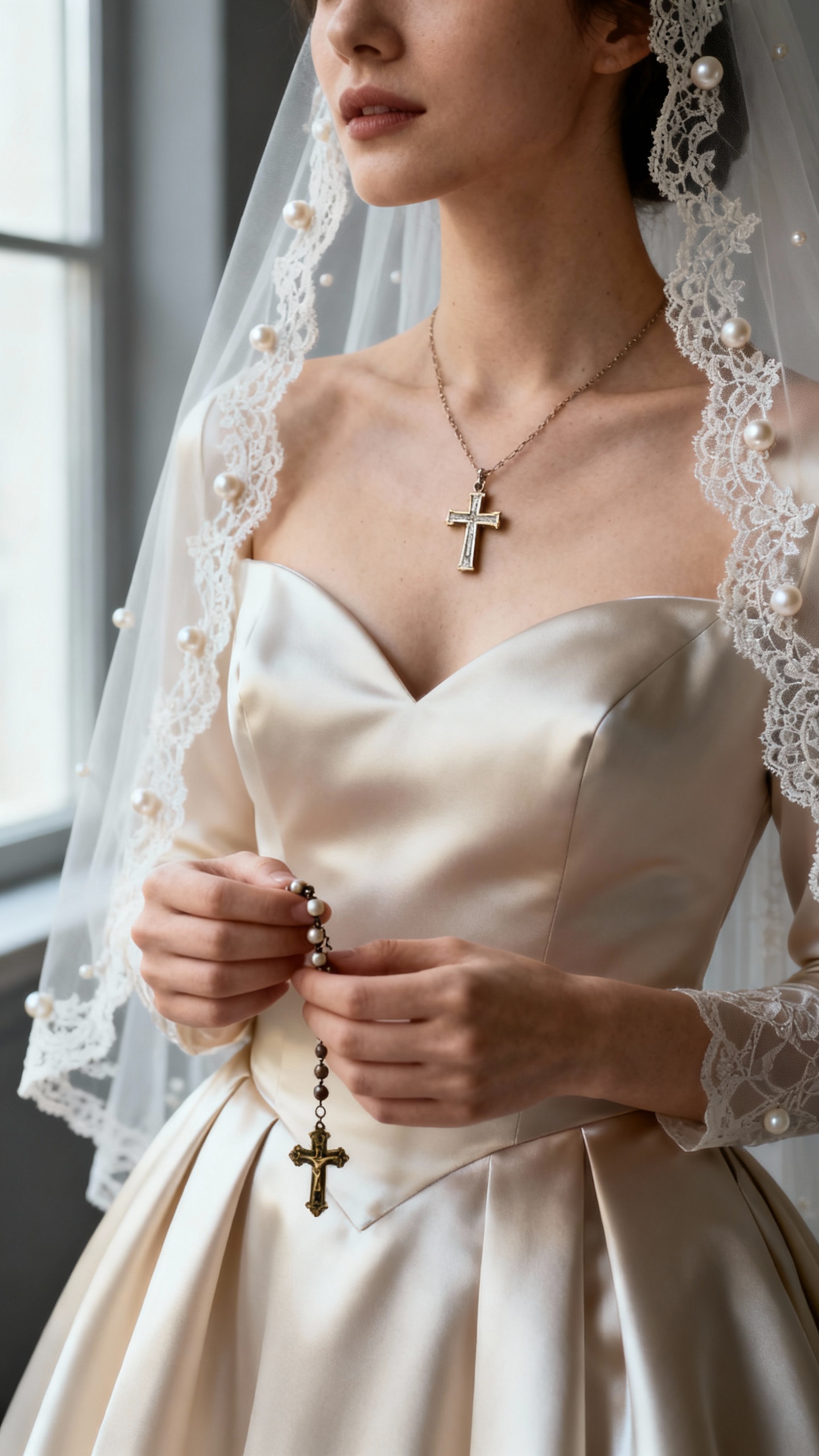
Luxury is often in the details: a lace-trim veil, pearl accents, or a gown silhouette that nods to timeless bridal style. Add one meaningful piece like a family rosary, cross necklace, or a handkerchief embroidered with a verse or wedding date. Keep hair and makeup polished and soft so your look photographs timelessly for decades.
3) Scripture-Forward Ceremony Moments That Feel Elevated
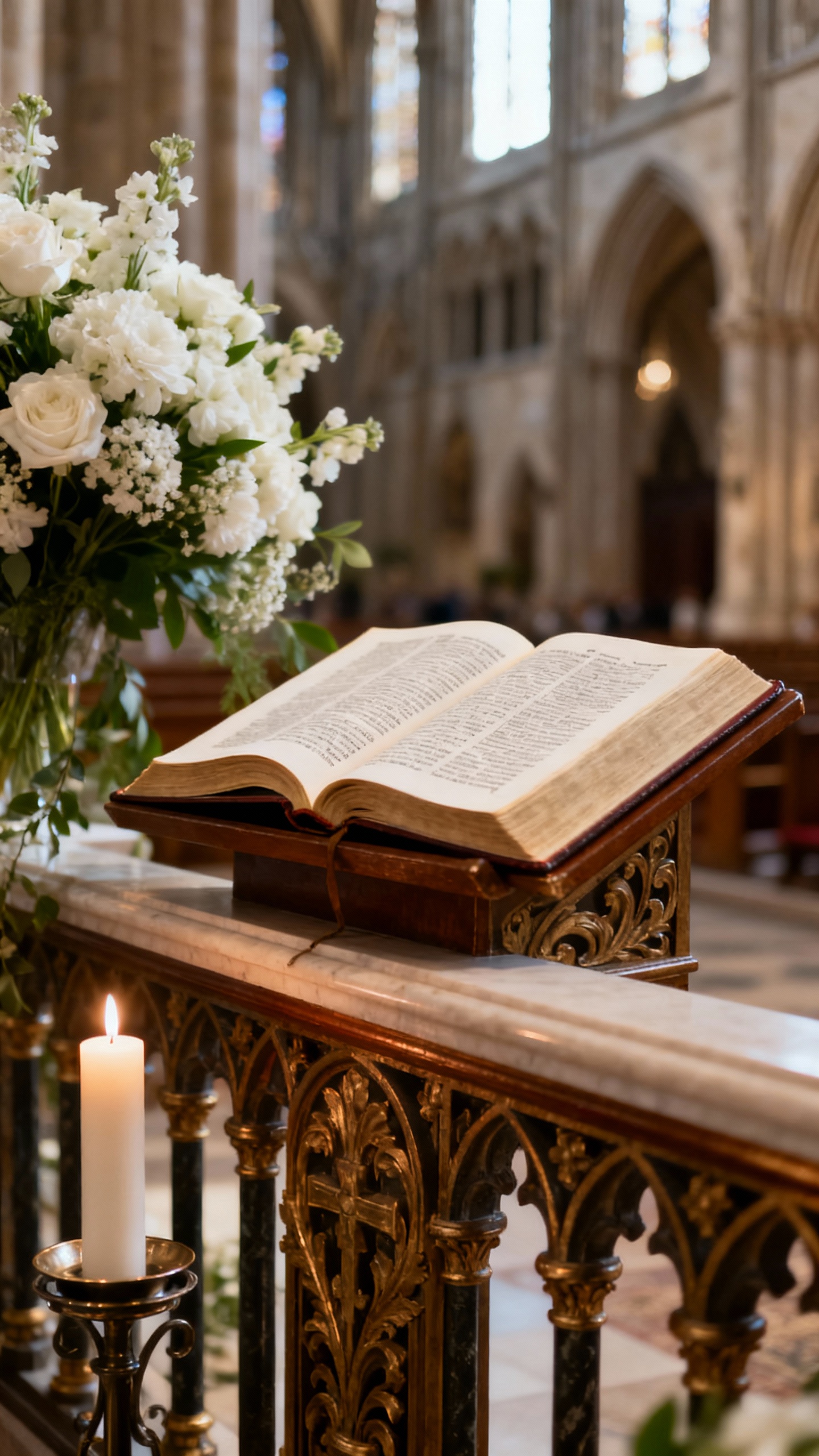
Pick 1–2 scripture readings and design the ceremony flow around them, rather than squeezing them in at the end. Print the passage in your ceremony program with tasteful typography and a clean layout so it looks luxe and intentional. For a high-end touch, consider a custom vow booklet cover stamped with your initials and the wedding date.
4) Classic Reception Tablescapes with Quiet-Luxury Touches
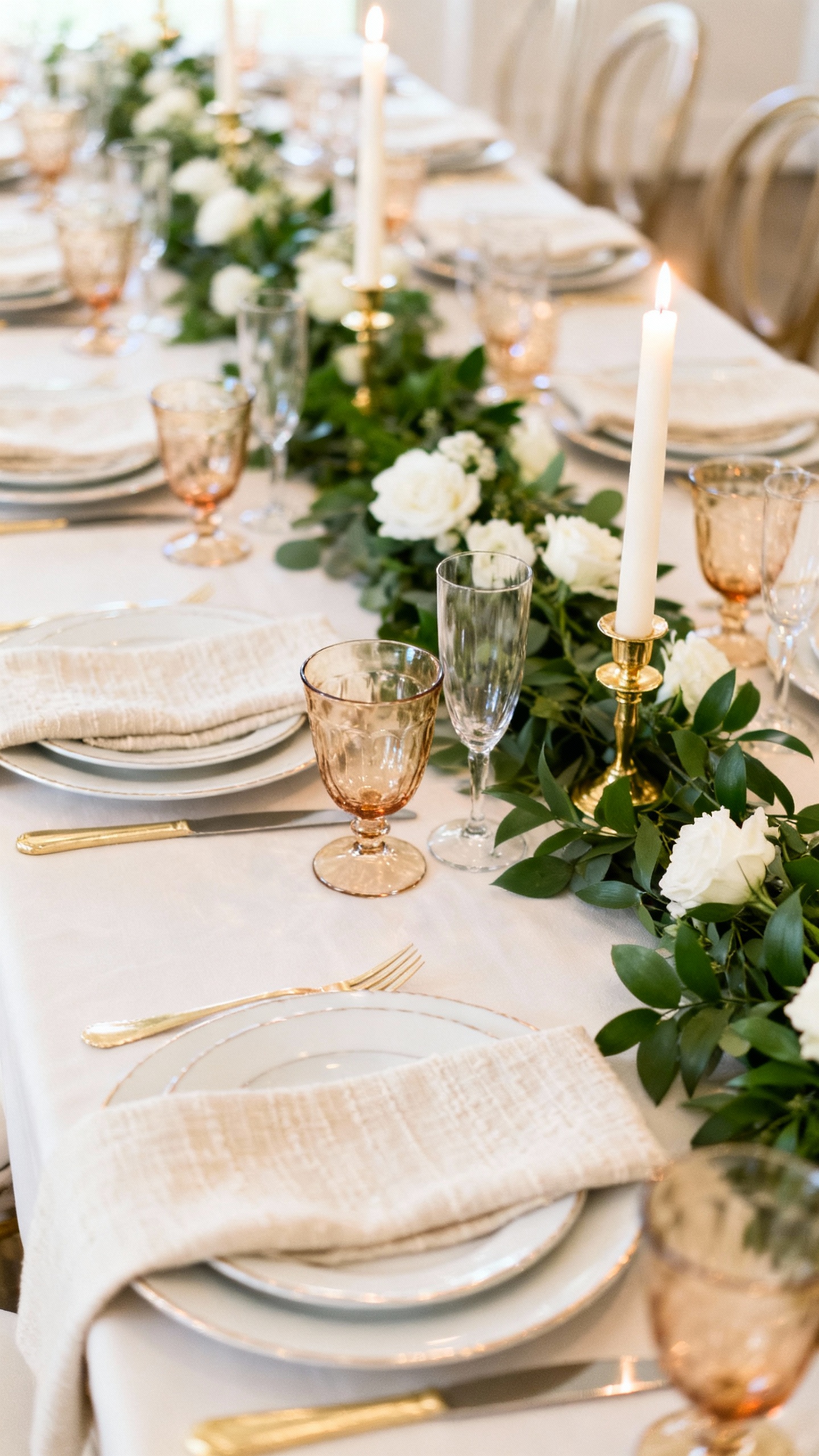
Go for a neutral palette (ivory, champagne, soft gold, and greenery) and let texture do the heavy lifting: linen napkins, layered place settings, and glassware with a subtle tint. Add taper candles and low florals so guests can actually talk across the table. Personalized menu cards or place cards with a small cross motif can be tasteful, subtle, and meaningful.
5) A Gracious, Guest-Focused Hospitality Plan
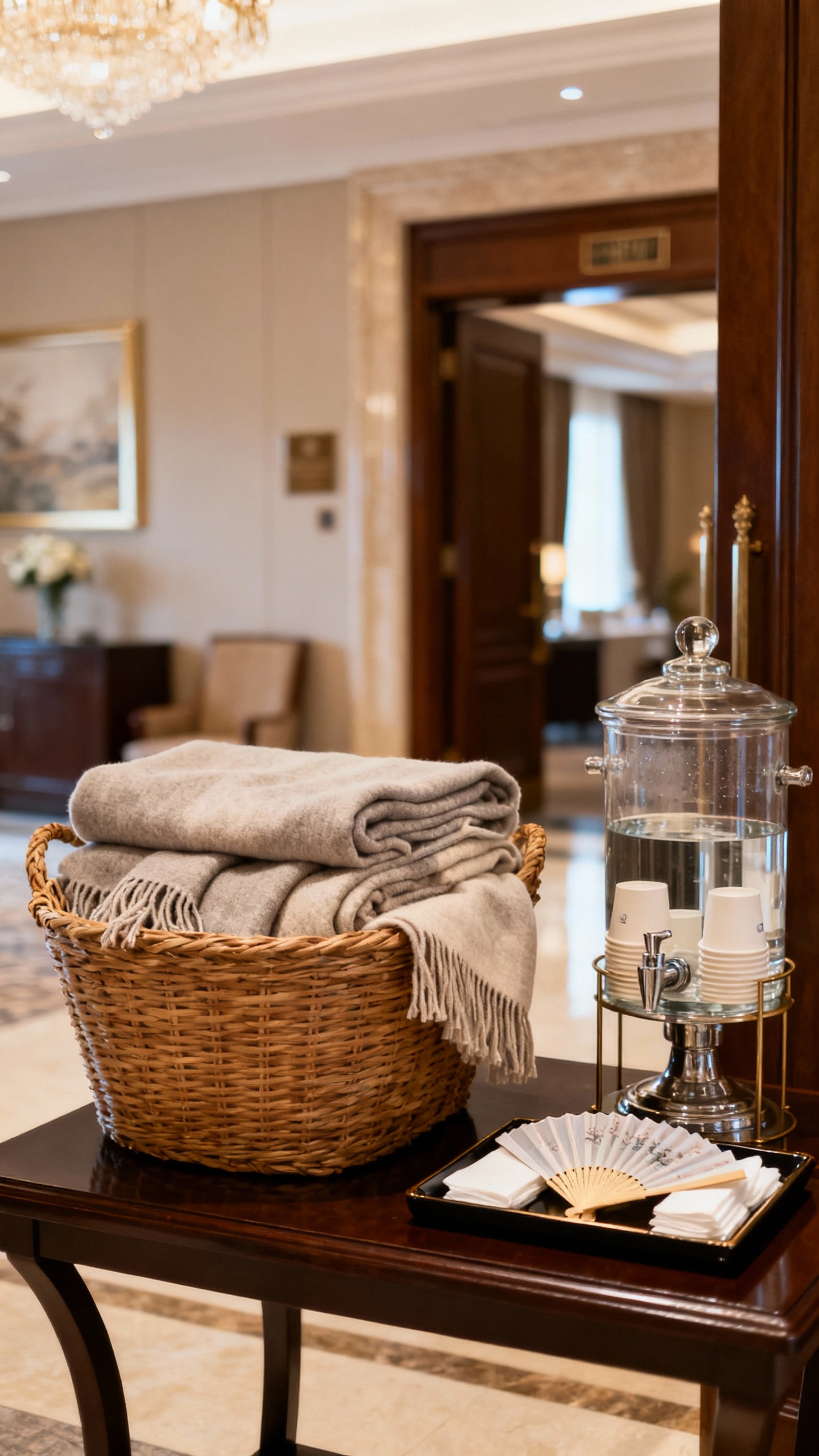
Luxury weddings feel luxurious when guests are cared for—simple as that. Upgrade the experience with a welcome note, a thoughtful timeline, and small comforts like water stations, cozy pashminas for evening, or a staffed coffee bar. If you’re doing favors, choose something practical and elegant (like artisan olive oil, local honey, or a mini prayer card paired with a sweet treat).
FAQ
How do I make a Christian wedding feel luxurious without feeling flashy?
Focus on craftsmanship and intention: beautiful paper goods, quality florals, candlelight, and a well-paced guest experience. Keep the design cohesive and let meaningful moments (scripture, prayer, music) be the emotional centerpiece. “Quiet luxury” reads elevated and timeless in photos, too.
What are classy ways to include faith elements in the decor?
Use subtle symbols like a small cross motif on menus, tasteful scripture on ceremony programs, or a meaningful verse on signage in a clean font. Display a family Bible or heirloom devotional book at a memory table. Keep it minimal and curated so it feels intentional, not cluttered.
Can we use scripture in our invitations without making it feel too heavy?
Yes—choose a short, uplifting line and place it discreetly (like at the bottom of the invite or on a details card). Pair it with refined typography and plenty of white space. You can also save longer passages for the ceremony program where guests can read along.
What colors work best for a traditional Christian luxury aesthetic?
Ivory, white, champagne, and soft gold are classic, with greenery for freshness. Dusty blue, deep burgundy, or rich emerald can also feel formal and traditional—especially in churches with historic interiors. The key is choosing one main palette and repeating it consistently across florals, linens, and stationery.
How do we honor family traditions while still keeping the wedding modern?
Keep the “why” of the tradition and update the “how.” For example, do a classic blessing or prayer, but present it with modern pacing and clean design details. Use heirlooms (veil, Bible, jewelry) in a styled, intentional way so they feel like part of the aesthetic—not an afterthought.