
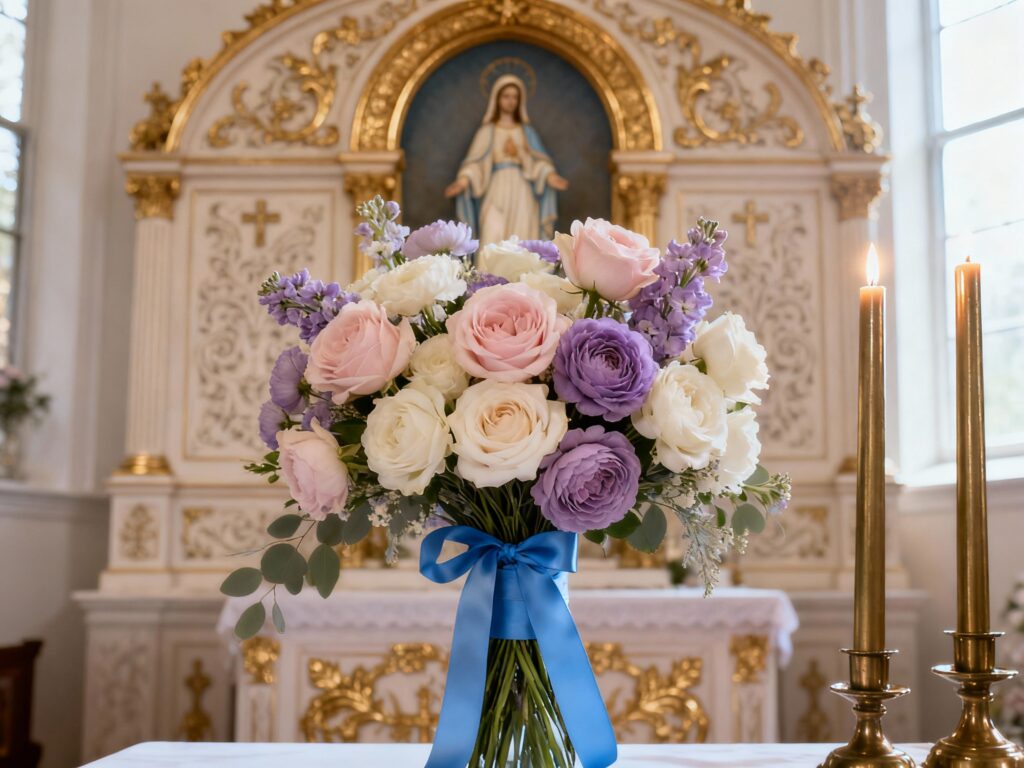
Rococo is basically the “extra in the best way” era: curves, gilding, soft pastels, and details that feel like a painting. Add a Christian sacred influence, and suddenly the whole look becomes romantic and reverent—like a celebration that’s beautiful on Pinterest and meaningful in real life.
If you want a Christian Rococo wedding decor vibe without it feeling like a themed party, the key is choosing a few signature elements and repeating them consistently. Here are five high-impact ways to do it.
Top 5
1) Altar-Inspired Ceremony Backdrop
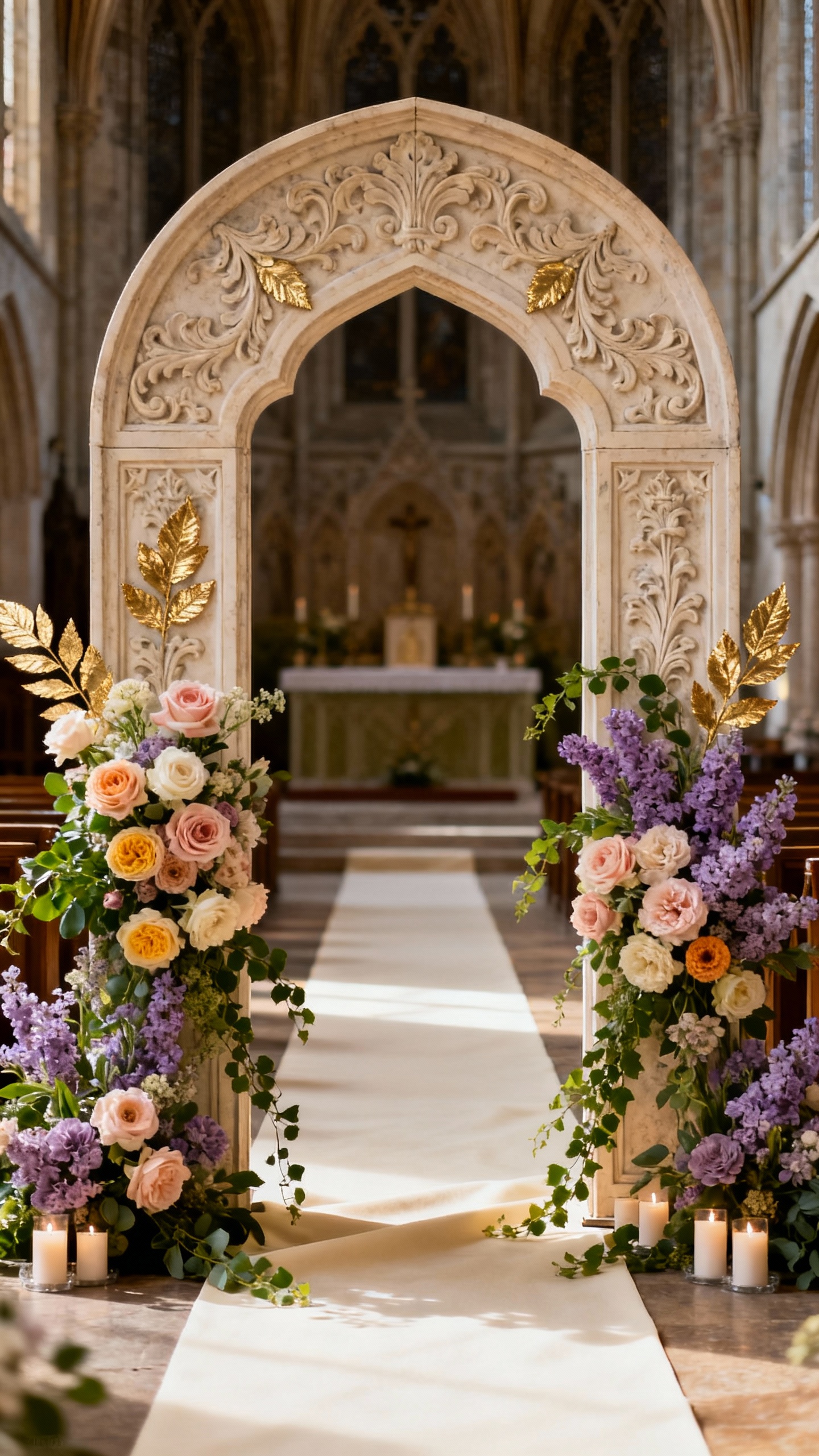
Create a focal point that nods to church architecture: an arched frame, ornate panels, or a carved “reredos” look behind you. Layer in soft florals (garden roses, ranunculus, lilac) and subtle gold detailing so it reads Rococo, not heavy. If your venue allows, add two tall taper-candle arrangements to give it that sacred, glowing presence.
2) Sacred Art Moments: Icons, Scripture, and Calligraphy
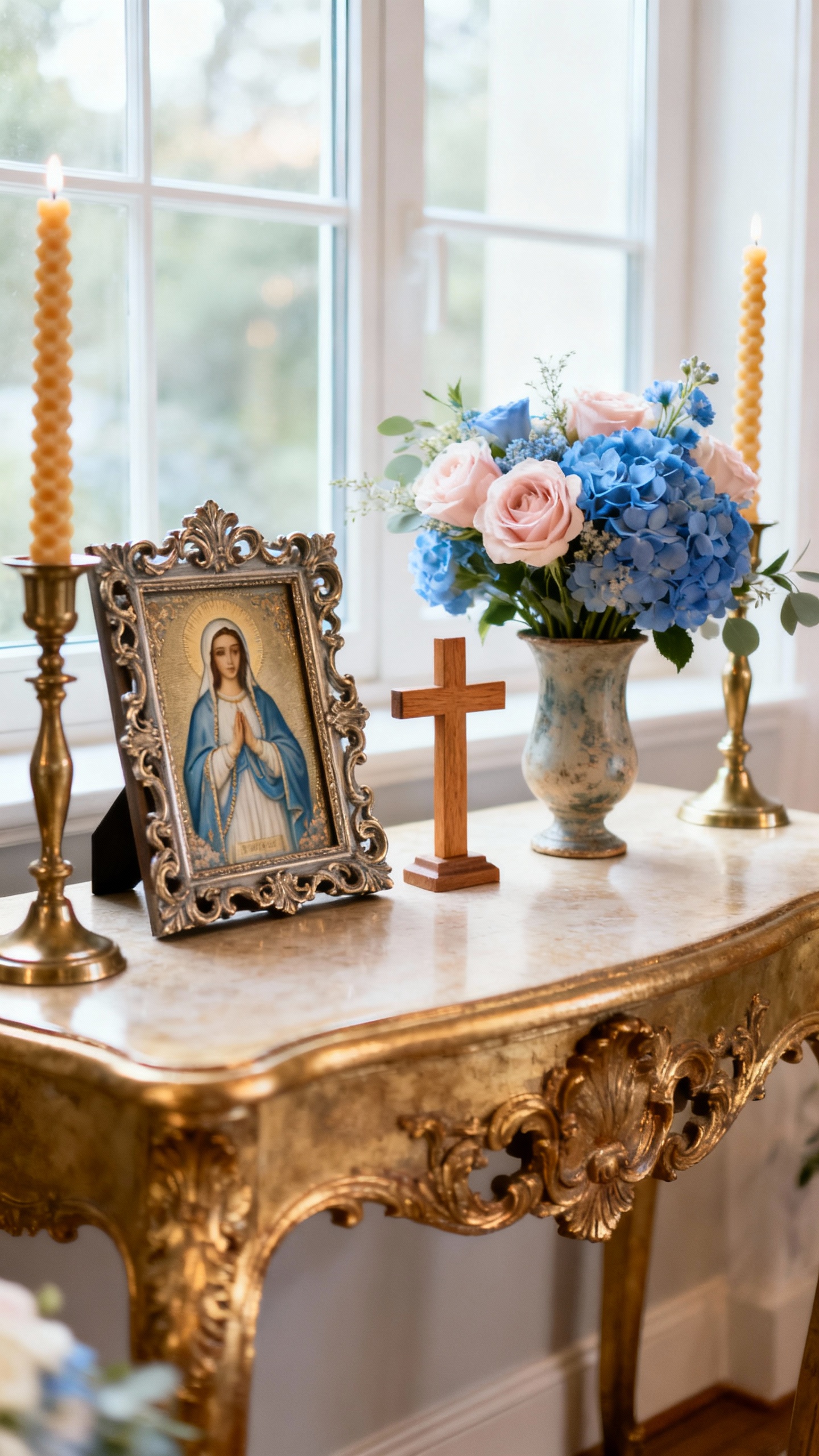
Incorporate Christian symbolism through thoughtful art pieces rather than lots of literal signage. A framed verse in elegant calligraphy at the welcome table, a small icon-style print near the guest book, or table numbers inspired by illuminated manuscripts can feel timeless. Keep the palette cohesive—cream paper, gold ink, and blush or pale blue accents are the Rococo sweet spot.
3) Gilded Rococo Tablescape with Cathedral Candlelight
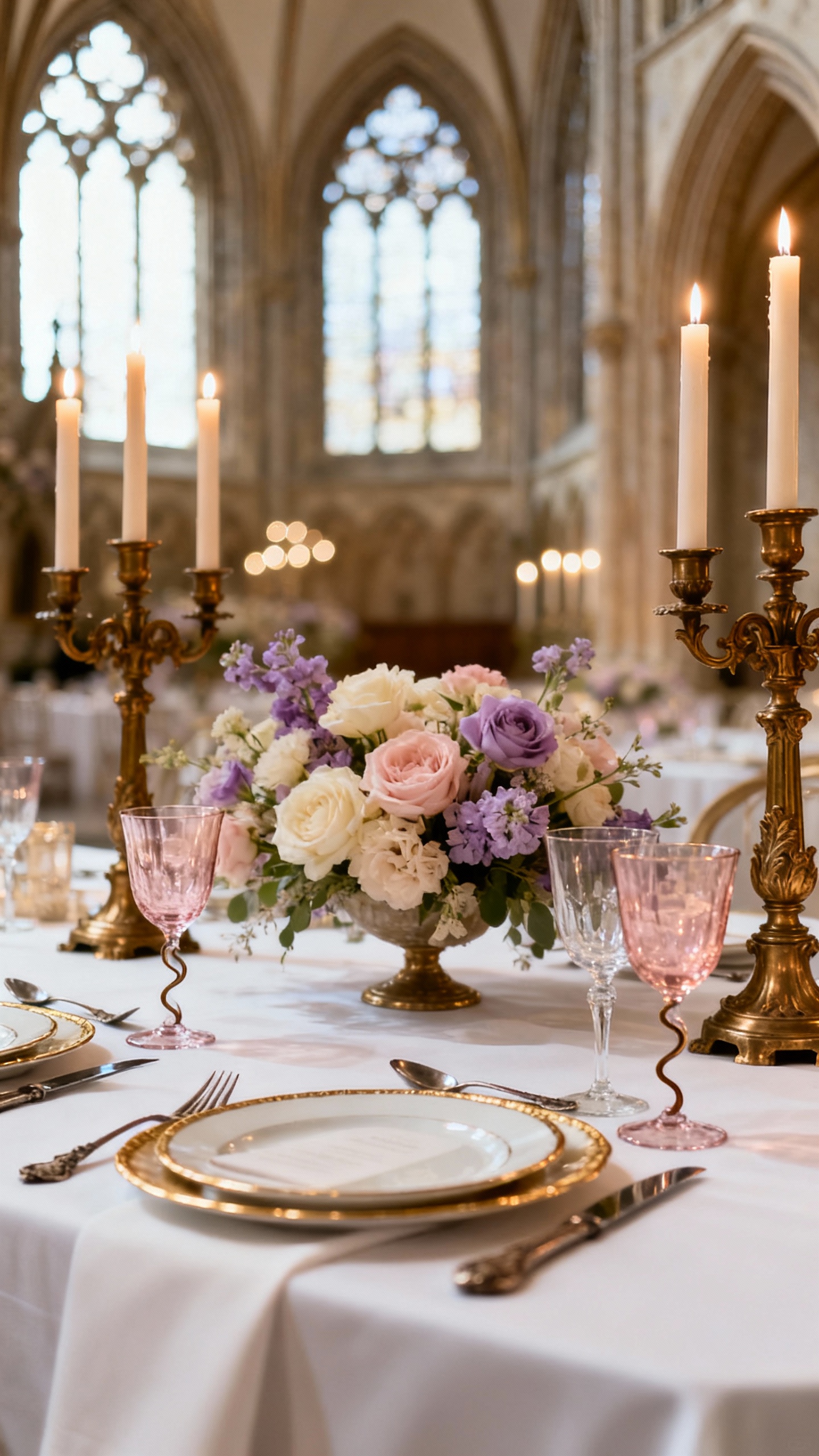
Think ornate, but airy: gold-rimmed plates, vintage-style goblets, and curvy flatware paired with crisp linens. Swap harsh overhead lighting for layers of candlelight—tapers in antique brass and low votives to make everything feel soft and sacred. Add a subtle cross detail through a small charm on the napkin tie or a menu motif, keeping it refined and not distracting.
4) Cherub-and-Floral Details (Done Tastefully)
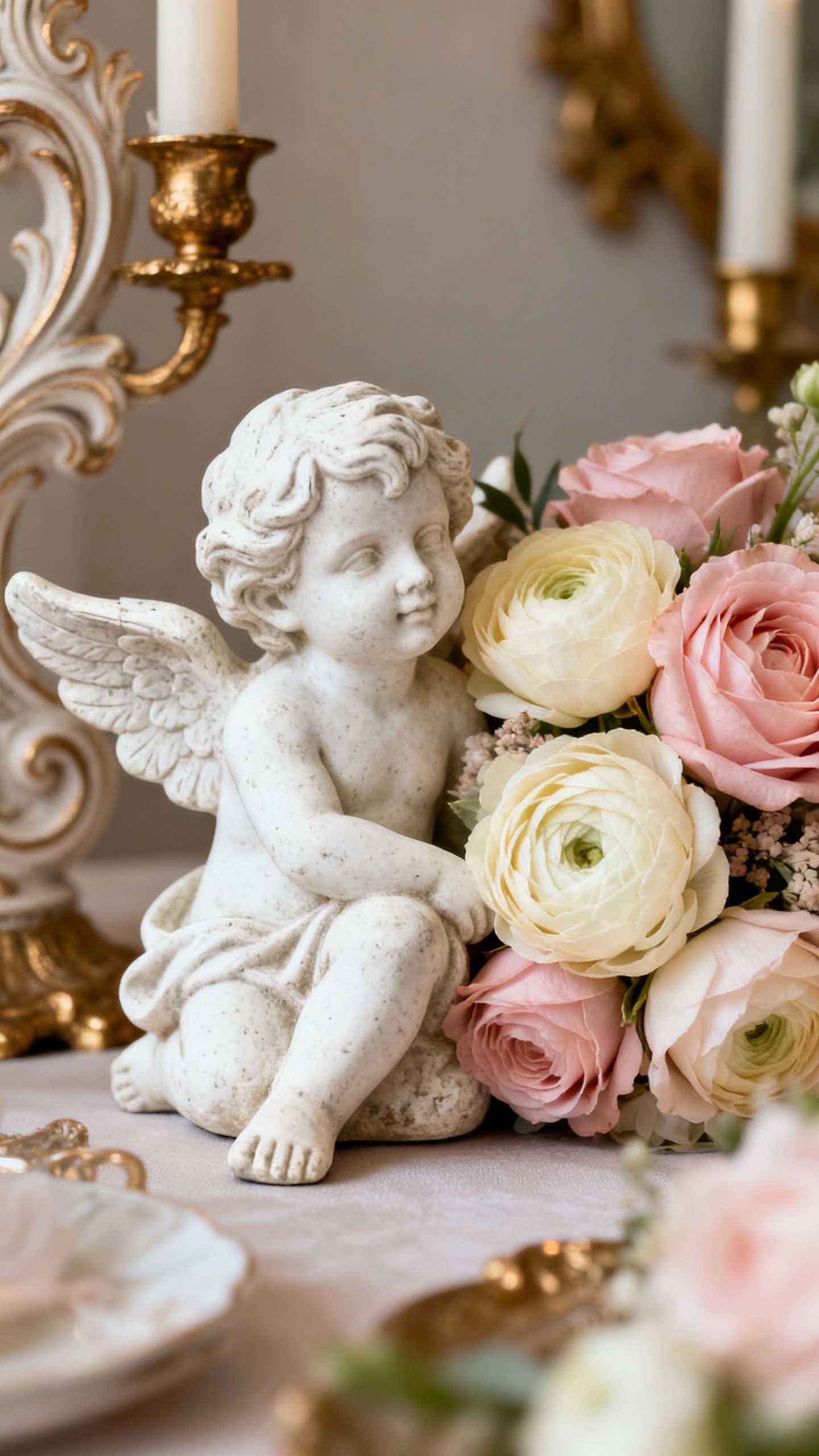
Yes, cherubs can be chic if you use them like accents, not a takeover. Try a tiny cherub figurine as an escort-card holder, a cameo-style cherub illustration on bar signage, or a sculptural centerpiece base with flowers spilling over. Balance the sweetness with fresh greenery and modern typography so the vibe stays elevated, not kitschy.
5) Marian Blues, Blush, and Gold: A Sacred Rococo Color Story
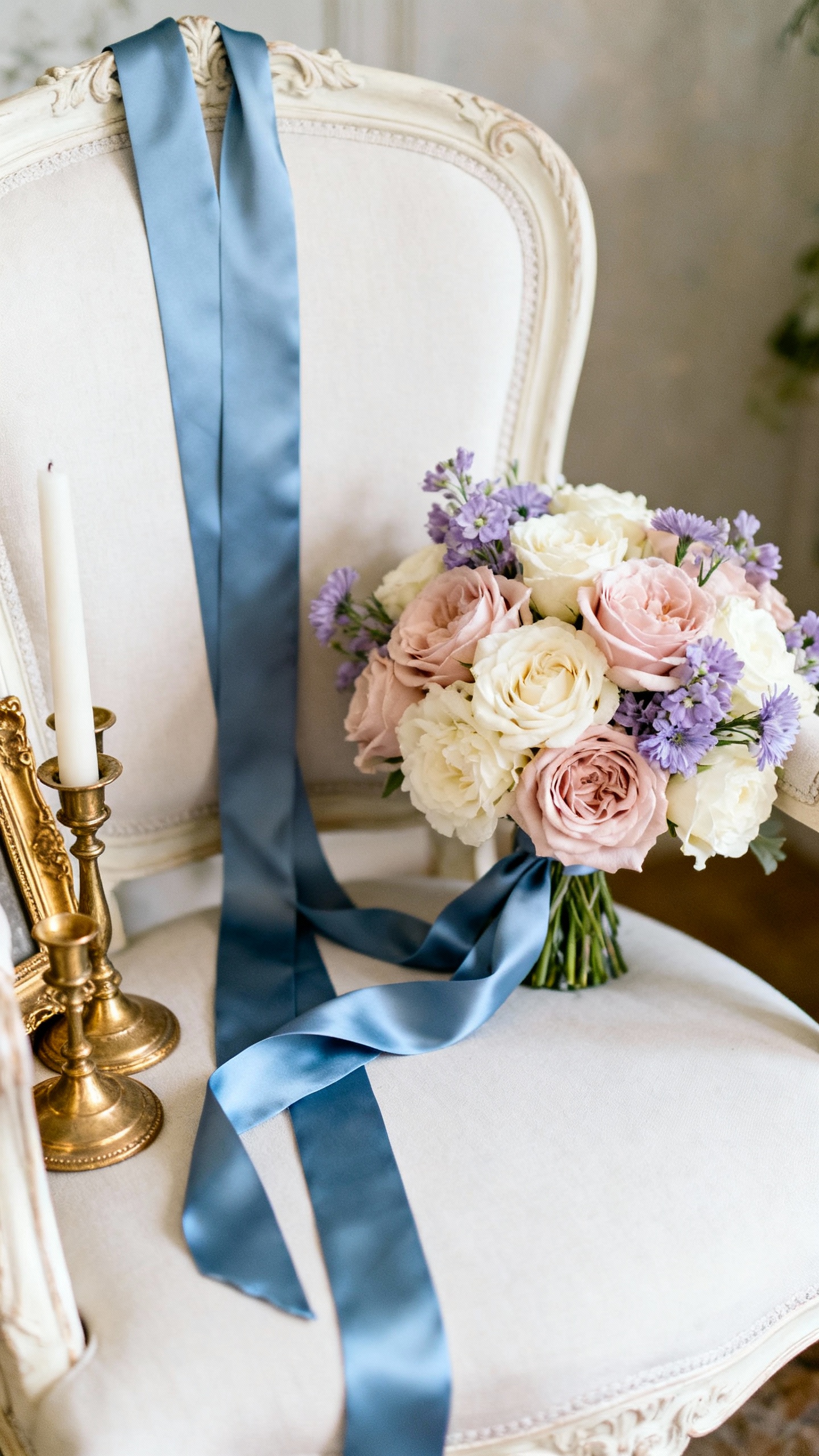
Build your palette around soft Marian blue (think dusty cornflower), warm blush, ivory, and touches of antique gold. Use blue on ribbons, stationery, or bridesmaid accents, then let gold show up in frames, candleholders, and chair details for that Rococo glow. The secret is repetition: pick 2–3 hero shades and echo them from ceremony to reception so it feels intentional.
FAQ
How do I blend Christian elements into Rococo decor without it feeling like a church set?
Choose symbolism that’s integrated into your design: arches, candlelight, calligraphy scripture, and subtle cross motifs. Keep it “seen on a second look,” and let your florals and palette stay soft and romantic so it reads like wedding decor first.
What venues work best for a Christian Rococo wedding aesthetic?
Historic churches, chapels, estates, ballrooms with ornate molding, and museums are all natural fits. If your venue is modern, you can still get the look using an arched backdrop, gilded frames, and layered candlelight to create that old-world architecture feel.
What flowers feel most Rococo but still wedding-classic?
Garden roses, peonies, ranunculus, lisianthus, sweet peas, lilac, and hydrangeas all give that soft, painterly fullness. Ask your florist for “airy movement plus luxe focal blooms,” and keep colors in creamy ivories, blush, and dusty blue for a sacred-romantic vibe.
What are easy budget swaps for Rococo-level luxury?
Focus on a few hero moments: one statement ceremony backdrop, a styled sweetheart table, and candle clusters. Thrift or rent vintage frames and brass candlesticks, use printed art for sacred details, and choose one metallic (usually antique gold) instead of mixing multiple finishes.
How can I keep the look respectful and meaningful for a Christian ceremony?
Prioritize what matters: a clear ceremony focal point, intentional scripture choices, and lighting that supports a reverent atmosphere. If you’re using sacred imagery, keep it curated and placed thoughtfully (welcome area, altar space, or a quiet memory table) rather than scattered everywhere.