

Wedding budgets get a bad reputation for being “impossible,” but honestly? Most budgets fail because they’re built on vibes instead of real numbers. You can absolutely create a wedding budget you can stick to—without draining your savings or arguing over chair rentals at midnight.
The secret is giving your money a job before you start scrolling. Here’s the plan, broken into five steps you can actually follow (and repeat when you inevitably fall in love with something sparkly).
Top 5
1) Start With Your Real “All-In” Number (Not a Guess)

Before you price venues, decide your maximum total and treat it like a boundary, not a suggestion. Include everything: your own contributions, family help (only if it’s confirmed), and any savings you’re willing to use. Then subtract a cushion (aim for 8–12%) so surprises don’t push you into panic mode. This is how you protect the fun parts of planning.
2) Pick Your Top 3 Priorities (So You Know Where to Splurge)
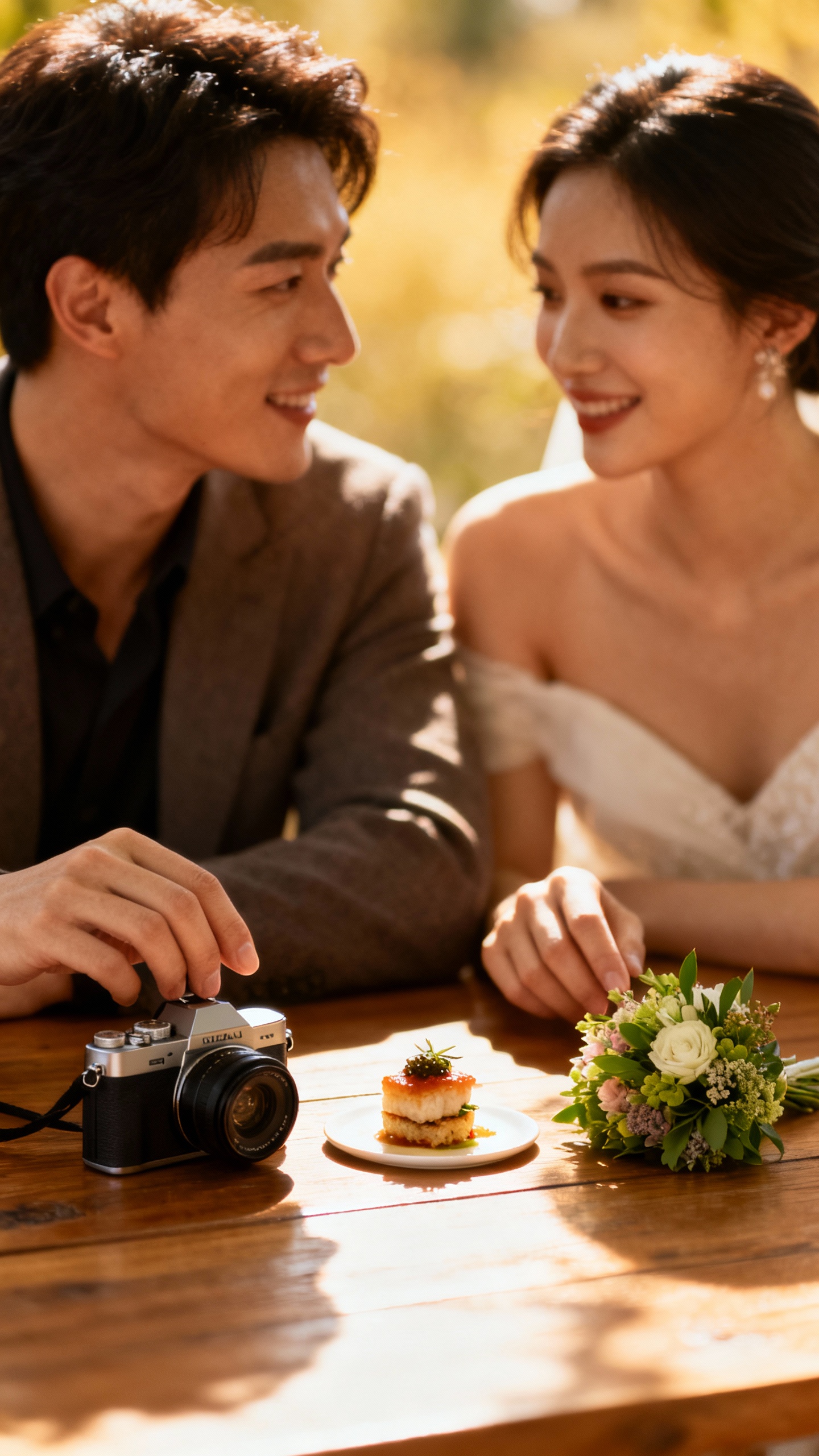
Choose the three things that will matter most to you on the day—think: food, photo/video, guest experience, fashion, florals, or a dream venue. Those get the “yes” money, and everything else gets a simpler version by default. When a new idea pops up, you’ll know instantly if it fits your priorities or if it’s a cute Pinterest moment that needs to stay on Pinterest. This keeps your aesthetic cohesive and your spending intentional.
3) Build Category Caps Using a Percentage Framework

Give each category a spending cap based on your total budget so you don’t accidentally let one area eat everything. A common, flexible breakdown is: venue + catering 40–50%, photo/video 10–15%, attire + beauty 8–12%, florals + decor 8–12%, music/entertainment 5–10%, stationery + favors 2–5%, and the rest for officiant, transportation, tips, and licenses. Adjust based on your priorities (for example, shift more to florals if you’re doing a garden-party look). The goal is simple: every decision has a lane.
4) Track Every Quote in One Place (With “True Cost” Columns)
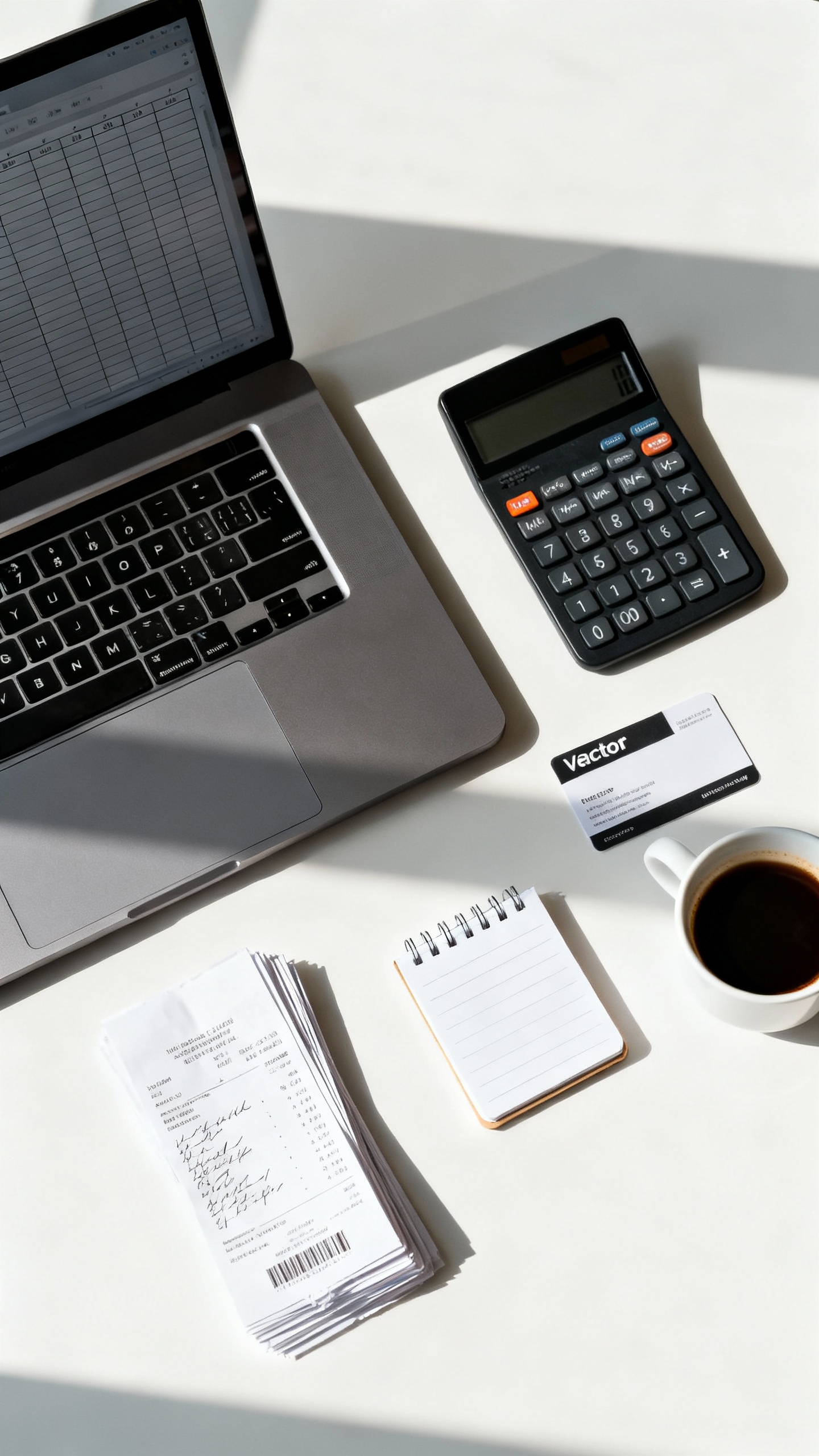
Create one spreadsheet or budgeting app that holds every vendor quote, payment date, and remaining balance. Add columns for taxes, service fees, delivery, setup/strike, gratuity, and overtime—because those are the sneaky budget bloaters. When you compare vendors, compare true totals, not just the pretty starting price. This is the difference between staying on budget and slowly drifting past it.
5) Set Spending Rules: A 48-Hour Pause + One “Swap” Per Upgrade

Make two rules you both follow: wait 48 hours before adding any unplanned purchase, and if you upgrade something, you swap (reduce) something else by the same amount. Example: if you add a champagne wall, maybe you simplify escort cards or choose a smaller centerpiece design. You’ll still get your elevated aesthetic, just with smarter trade-offs. These rules turn budgeting into a calm system instead of constant willpower.
FAQ
How much should we budget for decor if we want a “Pinterest wedding” look?
For an elevated, cohesive look, many couples land around 8–12% of the total budget for florals + decor, but your style matters. If you’re doing minimal greenery and candlelight, you can spend less; if you want lush installations, budget more and simplify elsewhere. Focus on high-impact moments (ceremony backdrop, sweetheart table, entry statement) rather than trying to decorate every corner.
What’s the biggest budget mistake couples make?
Not counting the “hidden” costs: service charges, taxes, delivery fees, overtime, rentals, and tips. A proposal can look affordable until those layers stack up. Always ask vendors for the full estimated total and confirm what’s included so you’re budgeting the real number.
How do we stick to a budget when family is offering to help?
Get clarity early: who is contributing, how much, and whether it’s tied to specific items (like the rehearsal dinner or the photographer). If it’s not confirmed in writing (even a text thread counts), don’t spend it yet. This keeps your plan stable and avoids awkward backtracking later.
Should we budget differently for a small wedding or micro-wedding?
Yes—because fixed costs don’t shrink the same way guest counts do. You may save on catering totals, but photography, attire, planner fees, and florals can stay similar. Many couples use the savings to upgrade details that show up in photos, like premium linens, a larger floral moment, or a live musician for ceremony vibes.
How do we handle last-minute wedding expenses without blowing everything up?
That’s exactly what your cushion is for—keep 8–12% reserved until the final week. Use it for seating chart reprints, weather backups, extra rentals, or hair/makeup timing changes. If you don’t need it, you can put it toward a fun upgrade at the end (hello, late-night snack) or roll it back into savings.