
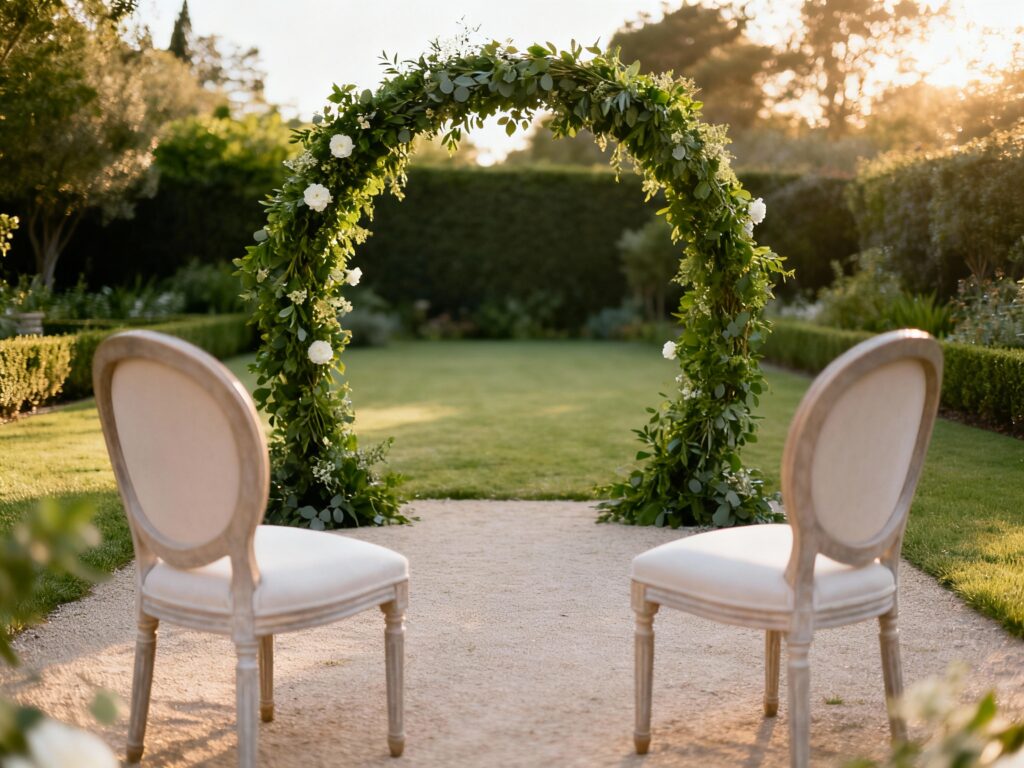
Planning a wedding with a $5,000 goal is totally doable—you just have to be intentional. Think “small and stunning,” not “cheap.”
Below are five budget moves that make the biggest difference fast, while still keeping the day feeling elevated, personal, and very you.
Top 5
1) Build a $5,000 Budget Blueprint (Then Lock Your Top 3 Priorities)

Start with a simple budget split so you’re not guessing: venue/food, attire, photo, flowers/decor, and “everything else.” Then pick your top 3 priorities (like photos, food, or a dreamy ceremony setup) and protect those lines first. A budget wedding works best when you’re saying “yes” with purpose, not saying “no” to everything.
2) Choose a Low-Cost Venue That’s Already Pretty
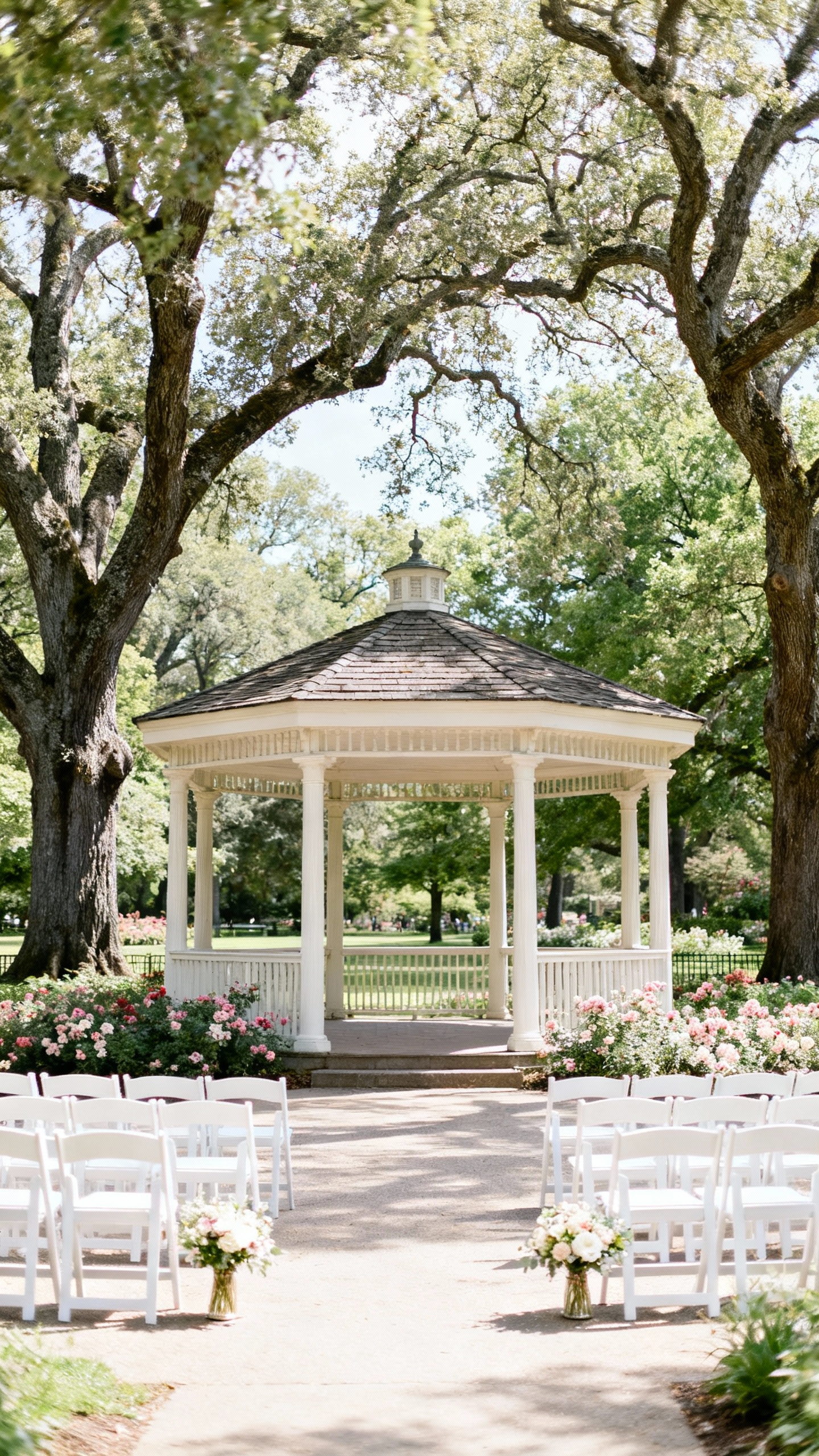
Your venue choice can save (or sink) the entire $5,000 plan, so go for places that need minimal decorating. Think parks, gardens, backyards, community halls, small museums, or a restaurant buyout with built-in ambiance. Bonus points if it includes tables and chairs—rentals add up quickly and quietly.
3) Keep the Guest List Small and the Timeline Tight

If your budget has a goal, your guest count has a limit—because food and drink are usually the biggest cost. Aim for a ceremony + brunch, lunch, or early dinner reception to avoid peak pricing and keep the vibe relaxed. A shorter, well-paced timeline also means fewer hours of photography and fewer “extra” add-ons.
4) Go Minimal-but-Impactful on Decor (Use a Statement Formula)
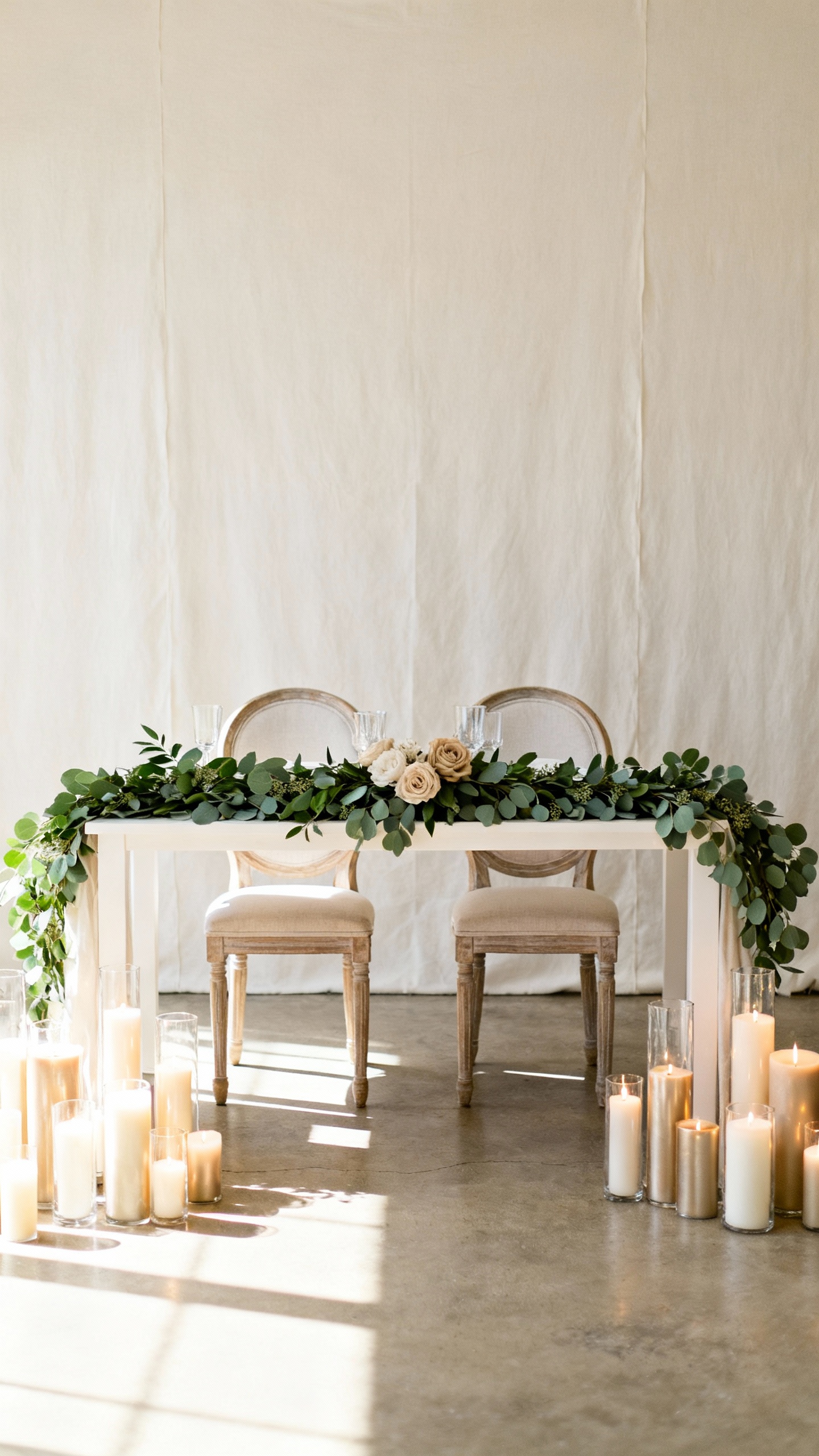
Instead of trying to decorate everything, choose 2–3 statement moments: ceremony backdrop, sweetheart table, and one focal photo spot. Use candles, greenery, and a tight color palette to make it feel cohesive and polished. If you’re doing florals, prioritize personal flowers (bouquet + boutonniere) and repurpose ceremony arrangements at the reception.
5) Book Budget-Friendly Vendors Strategically (Or Swap in Alternatives)

Look for newer photographers, weekday packages, shorter coverage (like 4–6 hours), and vendors who offer “micro-wedding” pricing. Consider alternatives that still photograph beautifully: a curated Spotify playlist instead of a DJ, a small cutting cake plus sheet cake, or a favorite local restaurant for drop-off catering. Always get quotes in writing and watch for sneaky extras like travel fees, overtime, and service charges.
FAQ
What’s a realistic budget breakdown for a $5,000 wedding?
A common starting point is: 40–50% venue/food, 10–15% photography, 10–15% attire, 10% flowers/decor, and the rest for officiant, music, stationery, and marriage license. Adjust based on your priorities—if photos matter most, shift money from decor or favors. The key is making the big categories honest early, so you don’t overspend in the final month.
How many guests can you invite for a $5,000 wedding?
Many couples land in the 20–50 guest range, depending on your location and food style. A brunch or cake-and-punch reception can support more guests than a plated dinner. If you want a larger group, choose a free/low-cost venue and keep the menu simple but intentional.
How can I make a budget wedding look “luxury” in photos?
Stick to a clean color palette (two main colors plus a neutral), prioritize flattering lighting, and focus decor where the camera will be: ceremony spot, sweetheart table, and one styled corner. Use real candles (where allowed), linen-like table coverings, and coordinated signage fonts for a cohesive look. And don’t underestimate a naturally beautiful venue—architecture and greenery do a lot of heavy lifting.
What should I spend the most money on for a small budget wedding?
Spend on what you’ll feel and remember most: a comfortable venue setup, food that your guests genuinely enjoy, and photography if images matter to you. If you’re choosing between details, pick the things that impact the experience (warm hospitality, good flow, and a calm timeline). Tiny upgrades—like nicer napkins, a signature drink, or a great playlist—can make the day feel thoughtful without a huge price tag.
What are the most common budget mistakes to avoid?
The biggest ones are: underestimating taxes and service fees, renting too many decor items, and making lots of last-minute purchases that “seem small.” Another common issue is booking vendors before you’ve set a guest count—headcount affects everything. Keep a 5–10% buffer for surprises and track every expense in one place so you stay in control.