
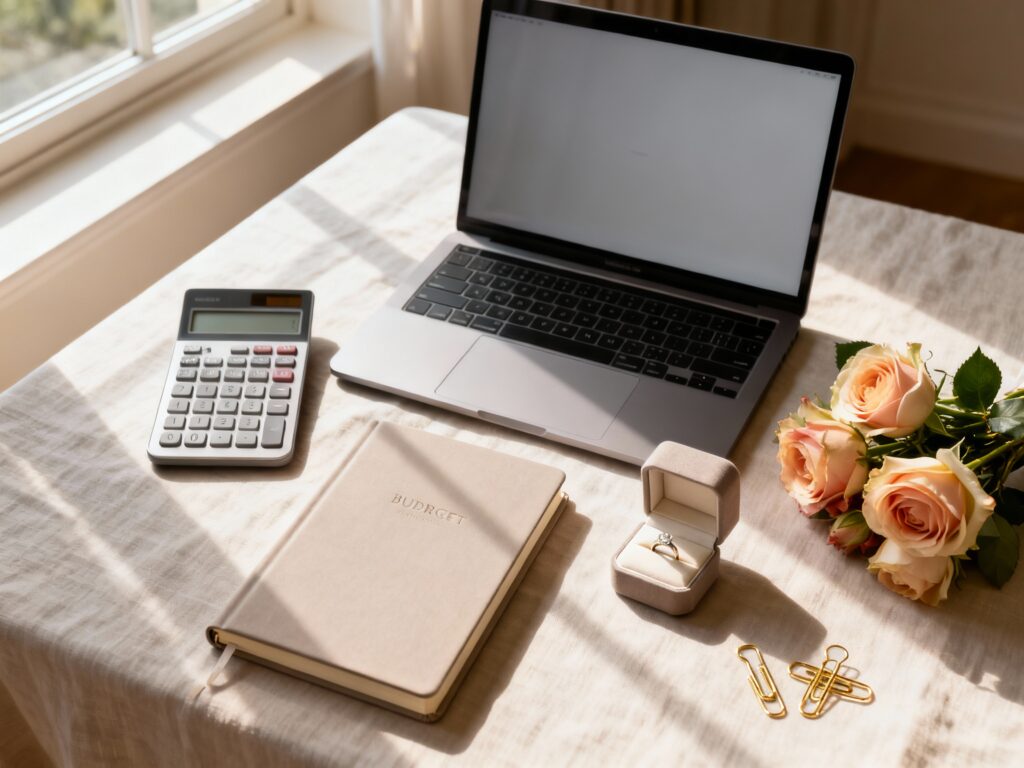
Planning a wedding on a budget doesn’t mean sacrificing style. It means getting intentional, making a few smart swaps, and putting your money where it actually shows.
This step-by-step guide will help you build a gorgeous day with less stress, fewer impulse buys, and a vibe that still feels totally “you.”
Top 5
1) Set Your Budget + Your “Non-Negotiables”
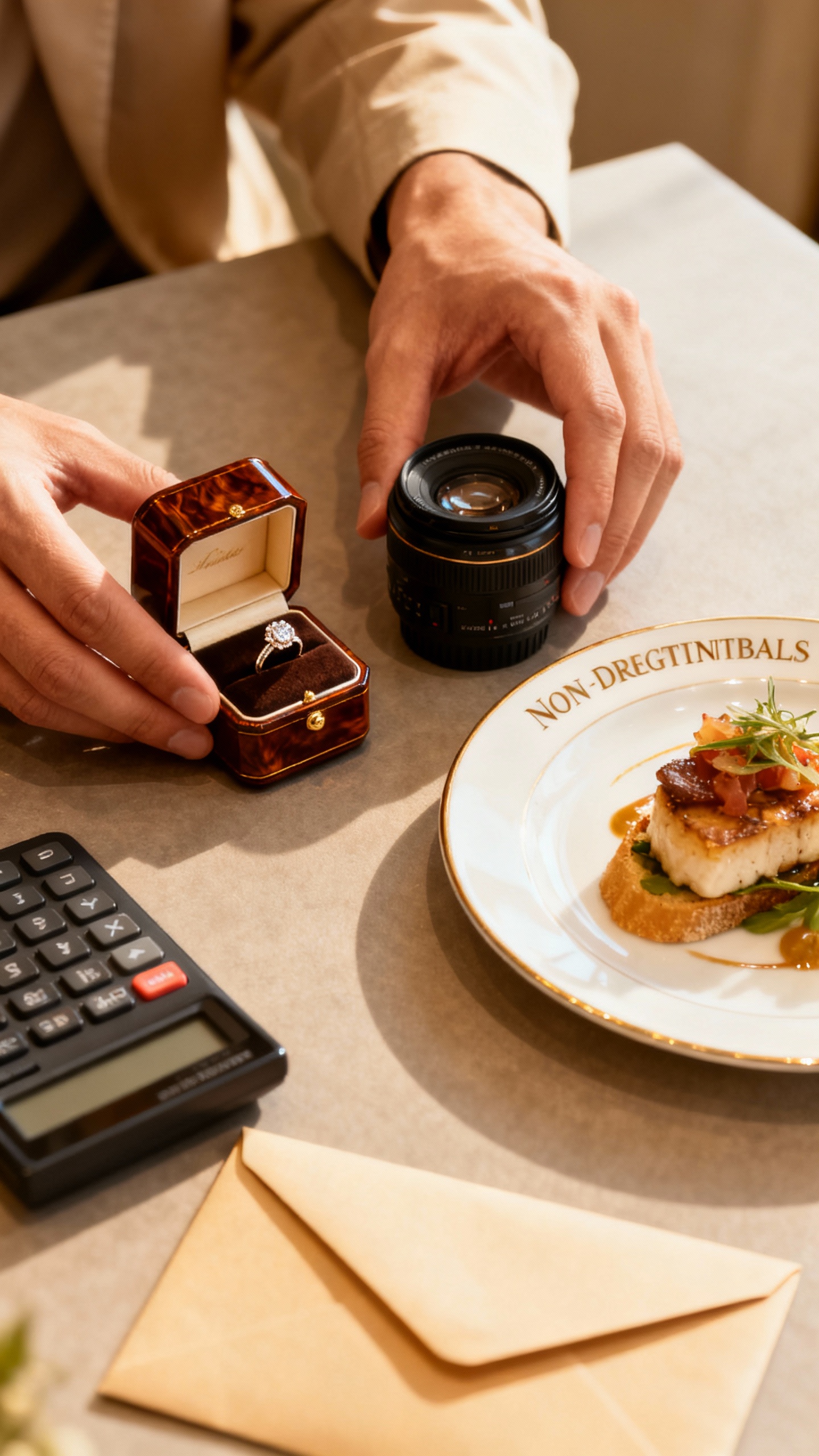
Start with a total number you can comfortably spend, then list 2–3 things you refuse to compromise on (like photos, food, or a live band). Everything else becomes flexible—this is where budget-friendly decisions get easier. Use a simple spreadsheet to track deposits, due dates, and what’s left.
2) Choose a Date and Venue That Work for Your Wallet
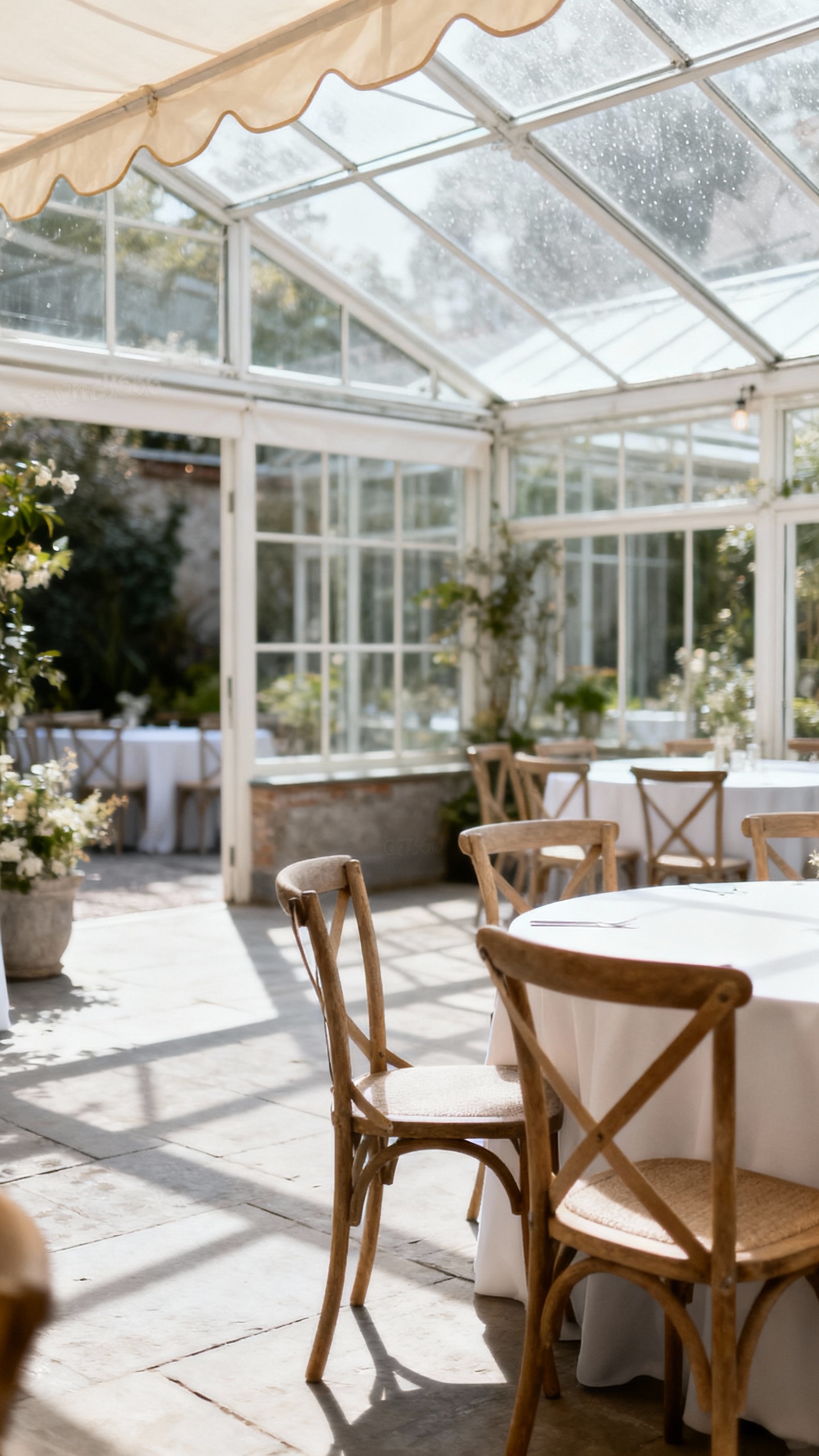
Your venue choice sets the tone and the price tag, so look for spots that include basics like tables, chairs, and a rain plan. Consider off-season, Friday/Sunday, or daytime weddings for major savings. A restaurant buyout, park permit, backyard, or community hall can still look elevated with the right lighting and linens.
3) Build a Guest List You Can Actually Feed
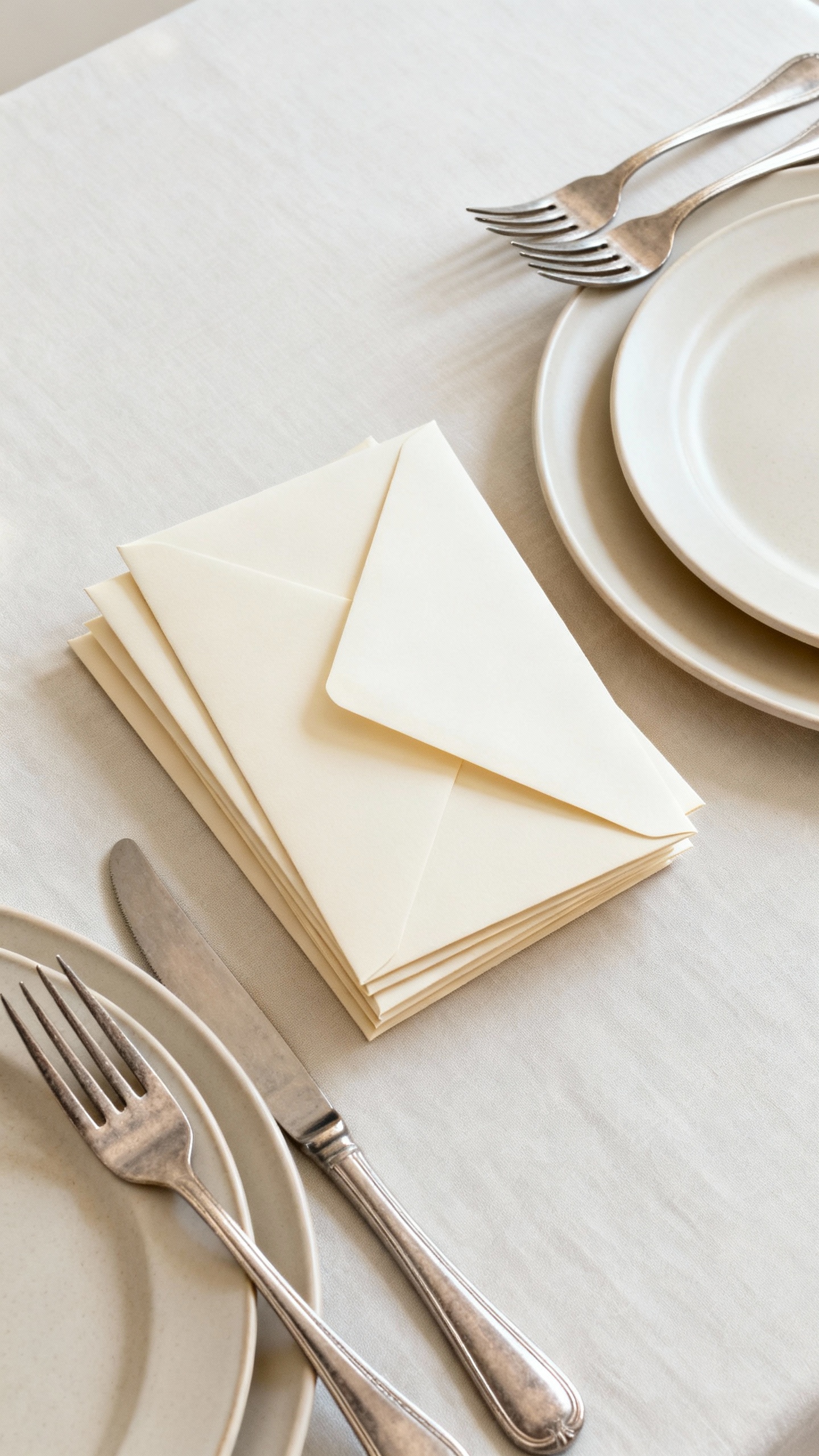
If you want the biggest budget win, this is it: the guest count affects catering, rentals, stationery, and even centerpiece costs. Make your first draft with your must-invite people, then create a “nice-to-have” list you add only if the numbers work. Think of it as curating the room—more intimate often feels more luxe.
4) Prioritize High-Impact Aesthetics (and Skip the Rest)
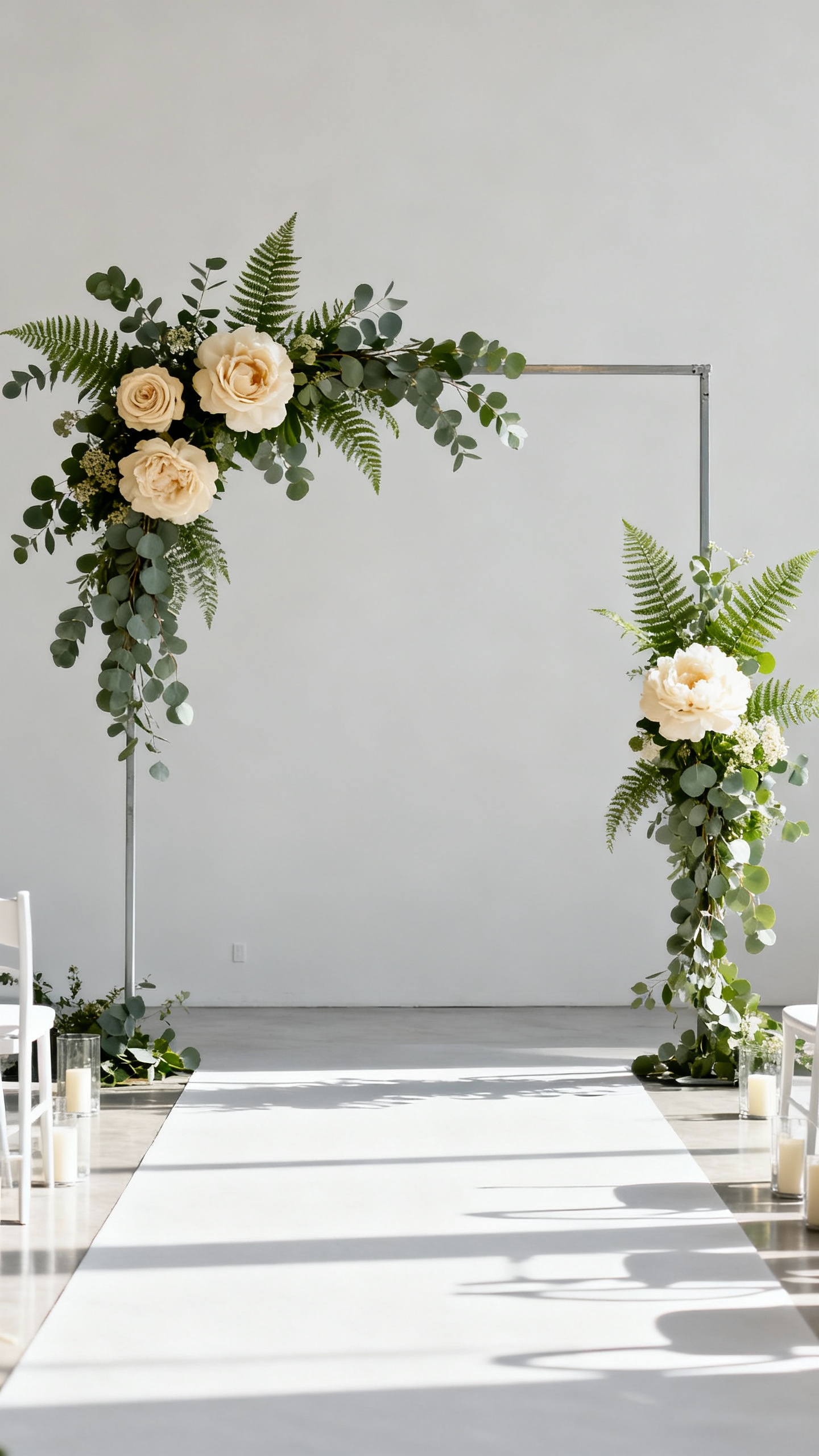
Pick one cohesive design direction—like romantic garden, modern minimal, or vintage glam—then repeat it everywhere. Spend on a few “photographed areas” (ceremony backdrop, head table, entry sign) and go simpler elsewhere. Candles, layered linens, and intentional lighting make budget florals look expensive fast.
5) Book Vendors Strategically + Use Smart Alternatives
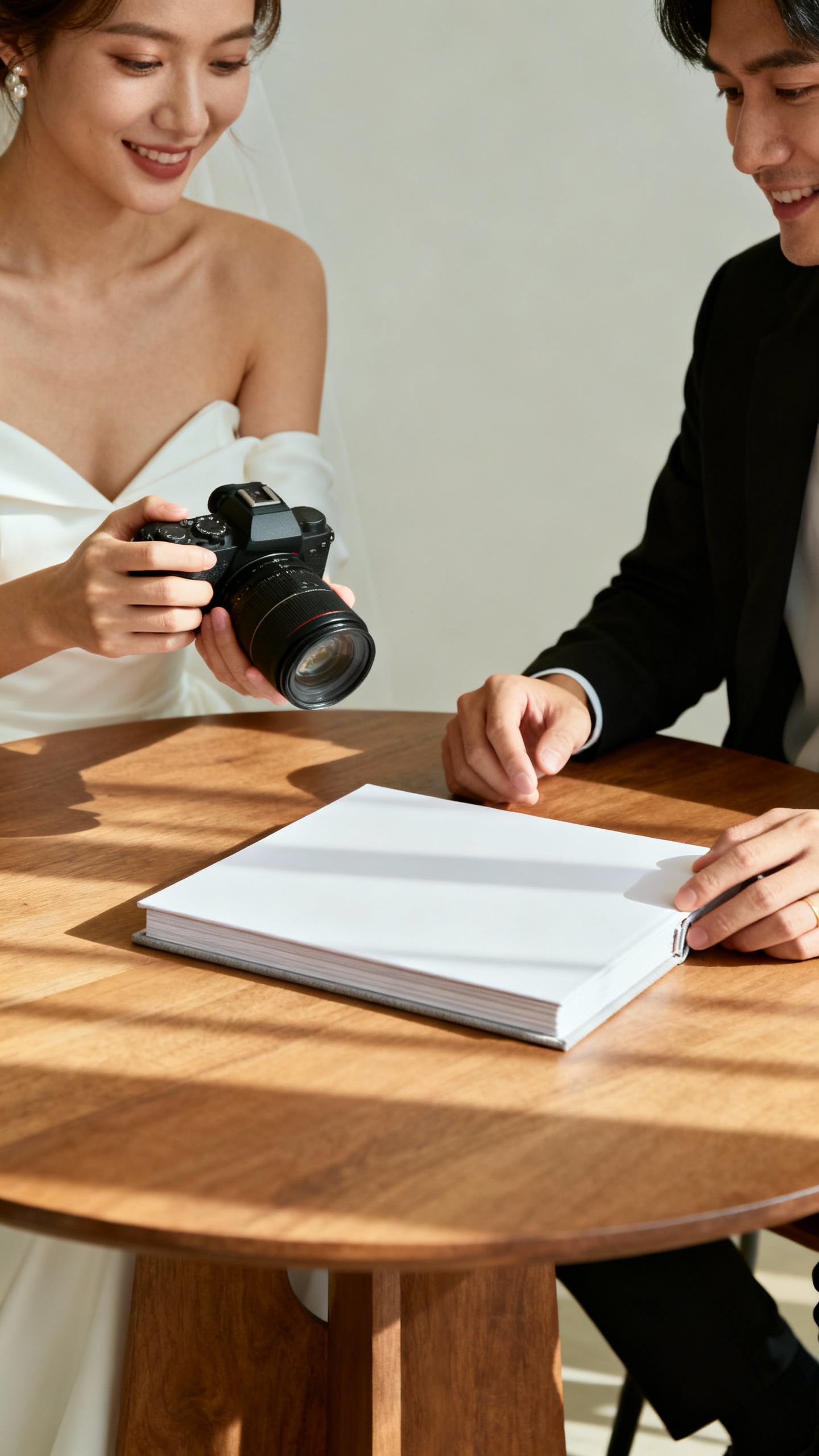
Book your biggest vendor first (usually venue, then photo/video, then catering) so you’re not scrambling later. Ask about package options, weekday discounts, smaller-team coverage, or newer associate shooters. For extra savings, try a faux-floral rental, a dessert table instead of a full cake, and digital invites with a cute matching wedding website.
FAQ
How do I plan a wedding on a budget without it feeling “cheap”?
Focus on cohesion, not quantity. A tight color palette, consistent fonts on signage, and warm lighting instantly elevate the vibe. Spend on one or two statement moments (like an aisle installation or a dreamy head table) and keep everything else clean and simple.
What’s a realistic budget breakdown for a smaller wedding?
A good starting point is: venue + food/drink as the biggest slice, then photo/video, then attire, then florals/decor, then music and stationery. The exact percentages shift by location, but the key is to reserve a buffer for taxes, tips, and last-minute rentals. If you’re unsure, build your budget around per-guest costs first.
Are DIY decor projects actually worth it?
Some are—like bud vases, welcome sign printing, or assembling favors—especially if they’re not time-sensitive on the wedding morning. Skip DIYs that require tools, precision, or heavy set-up (like complicated arches) unless you have a dedicated helper team. Your goal is “pretty and manageable,” not “craft marathon.”
How can I save on flowers but still have a beautiful wedding aesthetic?
Use greenery, candles, and repeated small arrangements to create fullness without huge floral spend. Choose in-season blooms and let your florist use a flexible recipe instead of specific pricey stems. Another win: concentrate flowers where photos happen—bouquets, ceremony focal point, and the head table.
What’s the best way to avoid surprise costs?
Ask every vendor what’s not included: travel fees, service charges, overtime, rentals, set-up/tear-down, and gratuity. Track payment schedules and keep a 10–15% cushion for add-ons like extra chairs, heaters, or last-minute alterations. A detailed contract review early saves you from budget leaks later.