
The Perfect Wedding Reception Timeline (From First Look to Last Dance)
If you want your reception to feel effortless (and look amazing in photos), your timeline is the secret sauce. This guide walks you through a modern, guest-friendly flow from first look to last dance—plus where to build in breathing room so you’re not sprinting in heels all night.
Before You Build: The 3 Things That Shape Your Timeline
1) Your ceremony time + sunset
Work backward from sunset if you care about that glowy golden-hour look. Your photographer can tell you the exact timing, but plan on 15–20 minutes of golden-hour portraits.
2) First look vs. aisle reveal
A first look gives you more photo time pre-ceremony (and often a calmer cocktail hour). If you’re skipping it, you’ll do most portraits during cocktail hour, which can affect how much of it you actually attend.
3) Dinner style
Plated dinners need tighter timing. Buffets add flexibility but can stretch. Family-style is the in-between. Your caterer will help you estimate service length.
The Ideal Timeline (With a First Look)
This is a classic, Pinterest-pretty flow that keeps guests happy, protects photo time, and still gives you space to actually enjoy your reception. Adjust in 5–10 minute increments based on your venue’s rules and travel time.
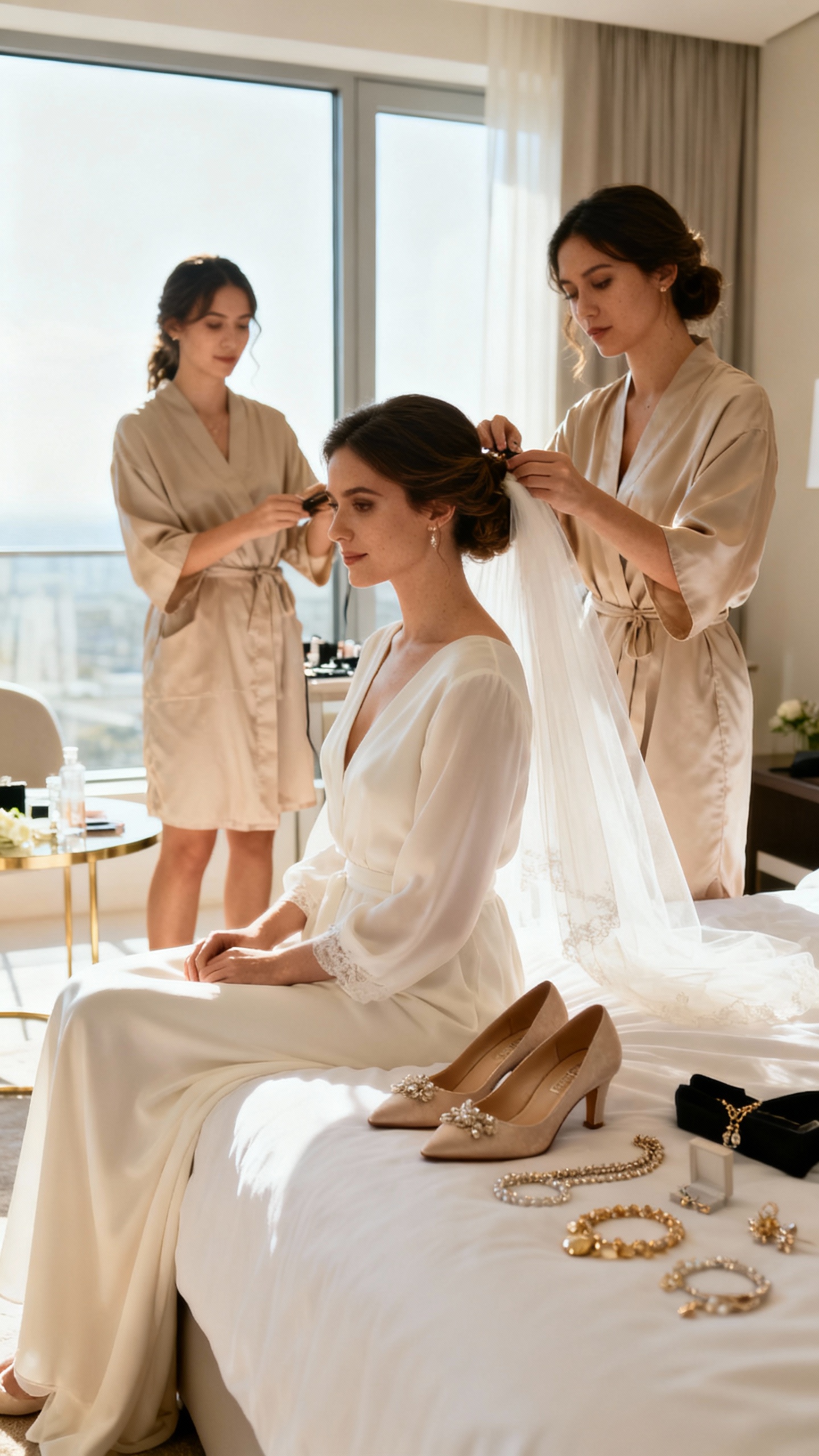
2:00 PM — Getting-ready details + finishing touches
Your photographer captures flat-lays (invite suite, rings, perfume, something borrowed) and those final “zip the dress” moments. Pro tip: stash all details in a box so no one is hunting for your rings while you’re in a robe.
3:00 PM — First look + couple portraits
Plan 15 minutes for the first look and 30–45 minutes for portraits right after. This is where you get the most relaxed, emotional photos—without 100 guests watching.
4:00 PM — Wedding party photos
Keep it moving with a shot list. If you want that editorial vibe, pick one “statement” location and do most group photos there to avoid wandering around the property.
4:30 PM — Immediate family photos (pre-ceremony)
Do as many family combos as you can before the ceremony while everyone still looks fresh. Assign a “family photo captain” (a cousin who’s not shy) to wrangle people quickly.
5:30 PM — Guests arrive + pre-ceremony ambiance
Let guests walk into the vibe: signature drink sign, live musician, candles, and a welcome table that matches your aesthetic. This is also a great time for your coordinator to cue the processional lineup.
6:00 PM — Ceremony
Most ceremonies run 20–30 minutes. If you’re doing personal vows, keep them concise—your future self will thank you when you’re not racing the light.
6:30 PM — Cocktail hour (and room flip if needed)
Guests snack, sip, and mingle while you take any remaining family photos. If your reception space needs a flip, make sure the catering team has a clear plan so guests aren’t stuck waiting.
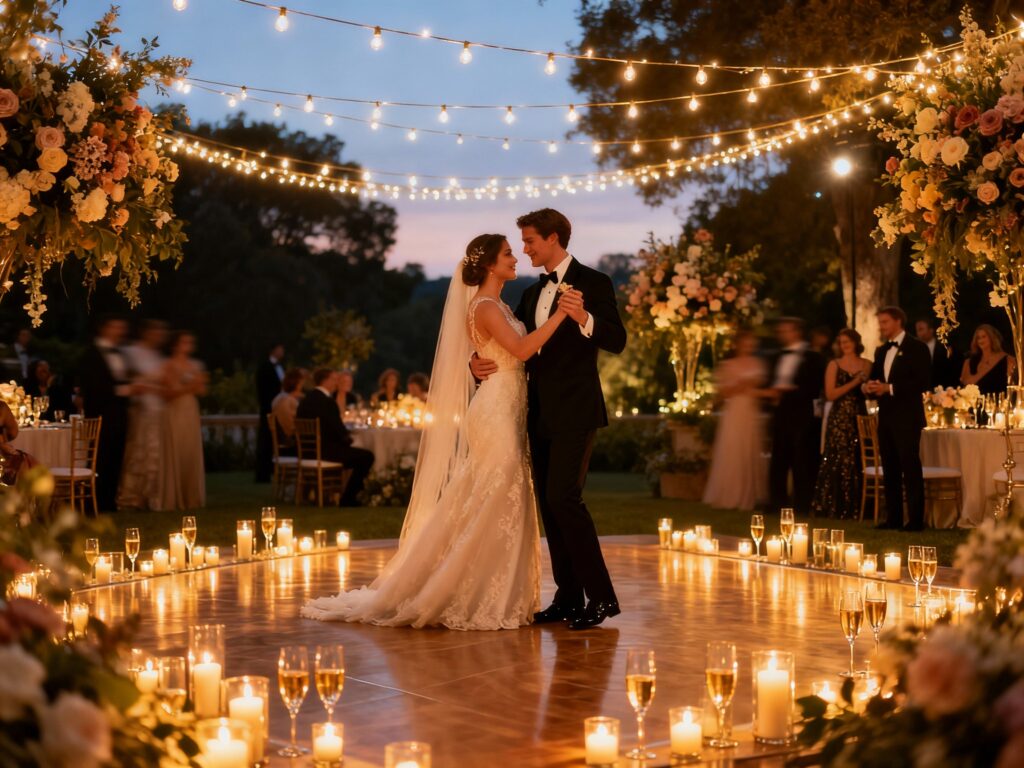
7:10 PM — Grand entrance + first dance
This is the energy shift. If you want the room to feel instantly alive, roll right into your first dance after your entrance. Keep the song to 2–3 minutes (your photographer will get the shot fast, and guests stay engaged).
7:20 PM — Welcome toast + dinner begins
A quick welcome sets the tone. Then open dinner service. If you’re doing speeches, consider placing them between courses so guests aren’t listening with an empty plate.
7:45 PM — Toasts (2–3 max)
Plan 3–5 minutes per toast. The best aesthetic tip: have speakers stand in consistent lighting (near candles or a spotlighted spot) so photos look clean and flattering.
8:15 PM — Parent dances
Knock these out back-to-back while everyone is already focused on the dance floor. Again: shorter edits feel modern and keep the momentum.
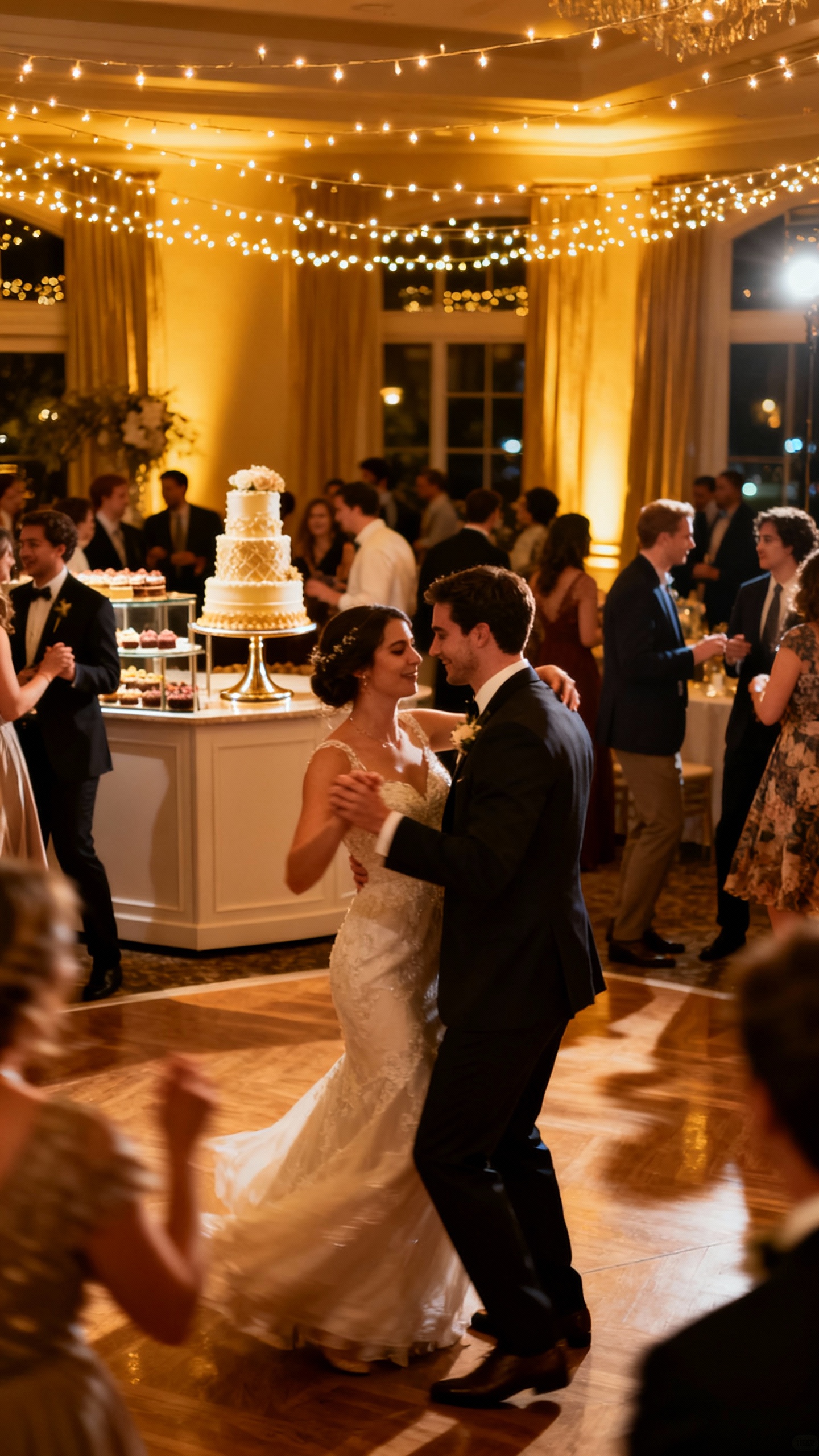
8:30 PM — Open dancing + dessert bar opens
This is peak party time. If you’re doing a dessert display, open it early so guests can snack as they dance. It looks gorgeous and keeps the dance floor fueled.
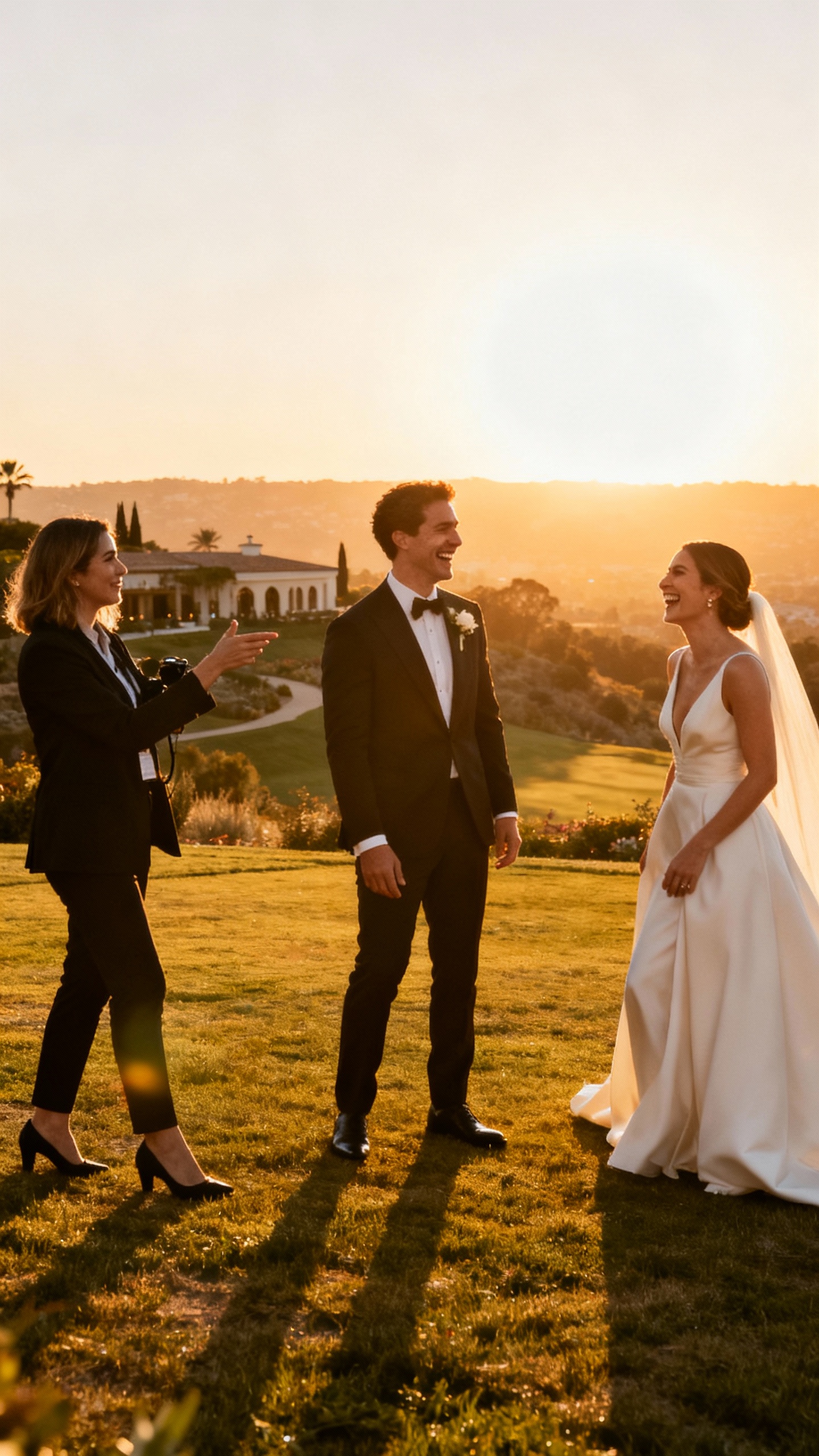
9:15 PM — Golden-hour or night portraits (10–15 minutes)
If you didn’t catch golden hour earlier (or you want the iconic night shots), sneak out for a quick set. Think: veil in the wind, champagne pop, lit-up reception in the background.
9:45 PM — Cake cutting
Do it while the dance floor is still full so it feels like part of the party. Ask your planner to cue your photographer and DJ so you’re not cutting cake in a quiet corner.
10:30 PM — Last dance
Choose something that matches your vibe: romantic and slow, or a fun sing-along closer. Want that cinematic ending? Do a private last dance while guests line up for your exit.
10:45 PM — Exit (sparklers, confetti, classic getaway car)
Confirm what your venue allows. Confetti poppers and ribbon wands are photo-friendly, easy cleanup, and still feel festive.
If You’re Skipping the First Look (Quick Adjustment)
Move couple portraits + wedding party + most family photos to cocktail hour. To protect your guest experience, consider extending cocktail hour to 90 minutes or adding a second appetizer station so it feels intentional, not like a delay.
Timeline Tips That Make Everything Feel Luxe
Pad transitions by 10 minutes
People move slower than you think—especially in formalwear. Those buffer minutes save the whole night.
Tell vendors the “photo priority moments”
Grand entrance, first dance, speeches, cake cutting, last dance, exit. When everyone knows what matters, the vibe stays smooth.
Keep your reception visuals consistent
If you’re going candle-forward, commit: candles on cocktail tables, on the bar, and on dinner tables. That consistency reads expensive in photos.
Wrap-Up
The perfect reception timeline isn’t about cramming in traditions—it’s about pacing your night so it feels calm, cinematic, and actually fun. Start with your ceremony time and sunset, build in buffers, and let your vendors support the flow. Then you can focus on the best part: celebrating.
FAQ
What’s the ideal length for a wedding reception?
Most receptions run 4–5 hours. That’s enough time for dinner, speeches, and a solid dance party without guests burning out.
When should we do the first dance in the timeline?
Right after the grand entrance is the most seamless. It creates a clear “party starts now” moment and keeps guests’ attention.
How long should cocktail hour be if we’re doing a first look?
60 minutes is perfect. You’ll have most portraits done already, so cocktail hour can be truly guest-focused (and you can actually enjoy a bit of it).
Where do speeches fit best for a smooth reception flow?
During dinner—either right after salads are served or between courses—keeps guests comfortable and prevents long pauses in the party.
What time should we schedule the last dance?
Plan it for 10–15 minutes before your exit. That way the energy peaks, you get the photos, and your send-off doesn’t feel rushed.