
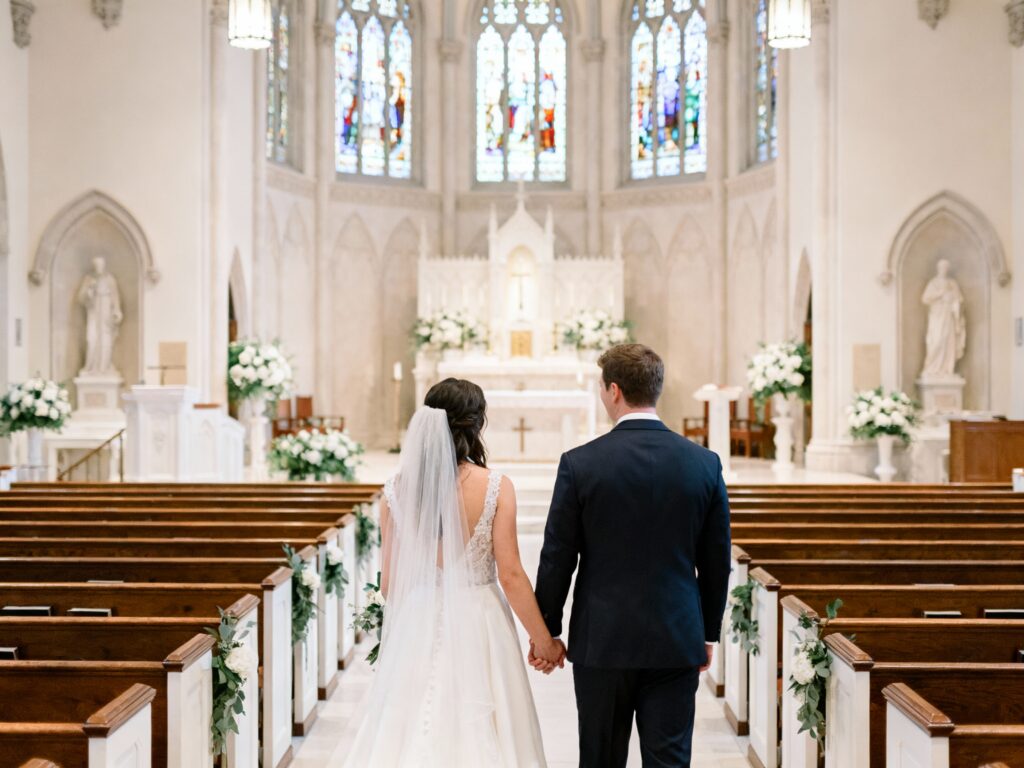
Planning a Christian wedding in a church is equal parts beautiful and meaningful—and yes, there are a few extra details that make it feel truly intentional. The good news: once you know what matters most, your checklist gets a lot simpler (and way less overwhelming).
Here are the top five Christian wedding planning checklist items that keep your ceremony reverent, organized, and aesthetically cohesive—without losing your modern style.
Top 5
1) Meet With Your Pastor (and Confirm Premarital Requirements)
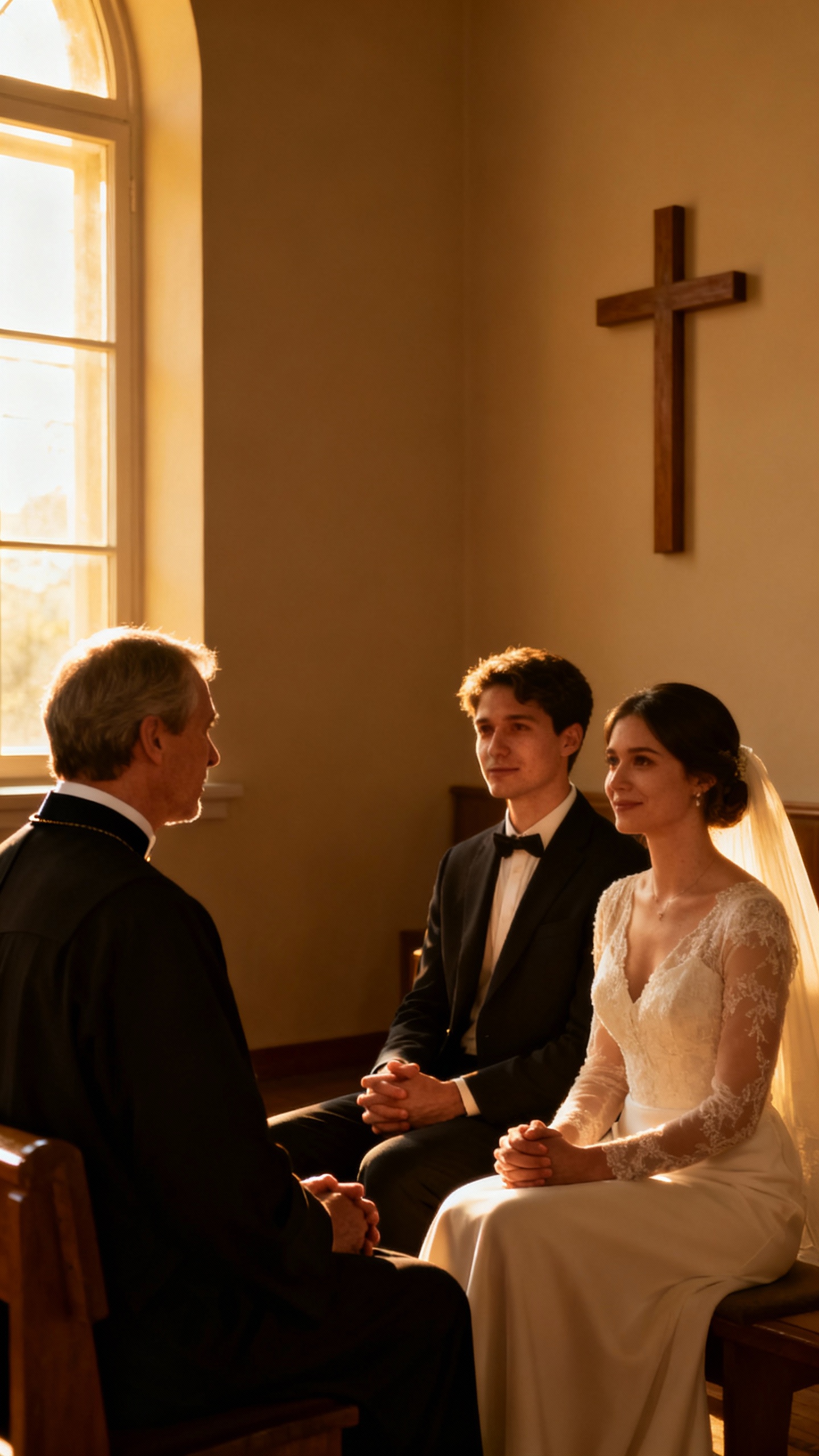
Start with the person guiding your ceremony: your pastor or officiant. Ask about premarital counseling, required paperwork, and any church-specific guidelines (like music rules or photography restrictions). Getting this meeting on the calendar early sets the tone for everything else and keeps you from planning around assumptions.
2) Lock In the Ceremony Order + Scripture Readings
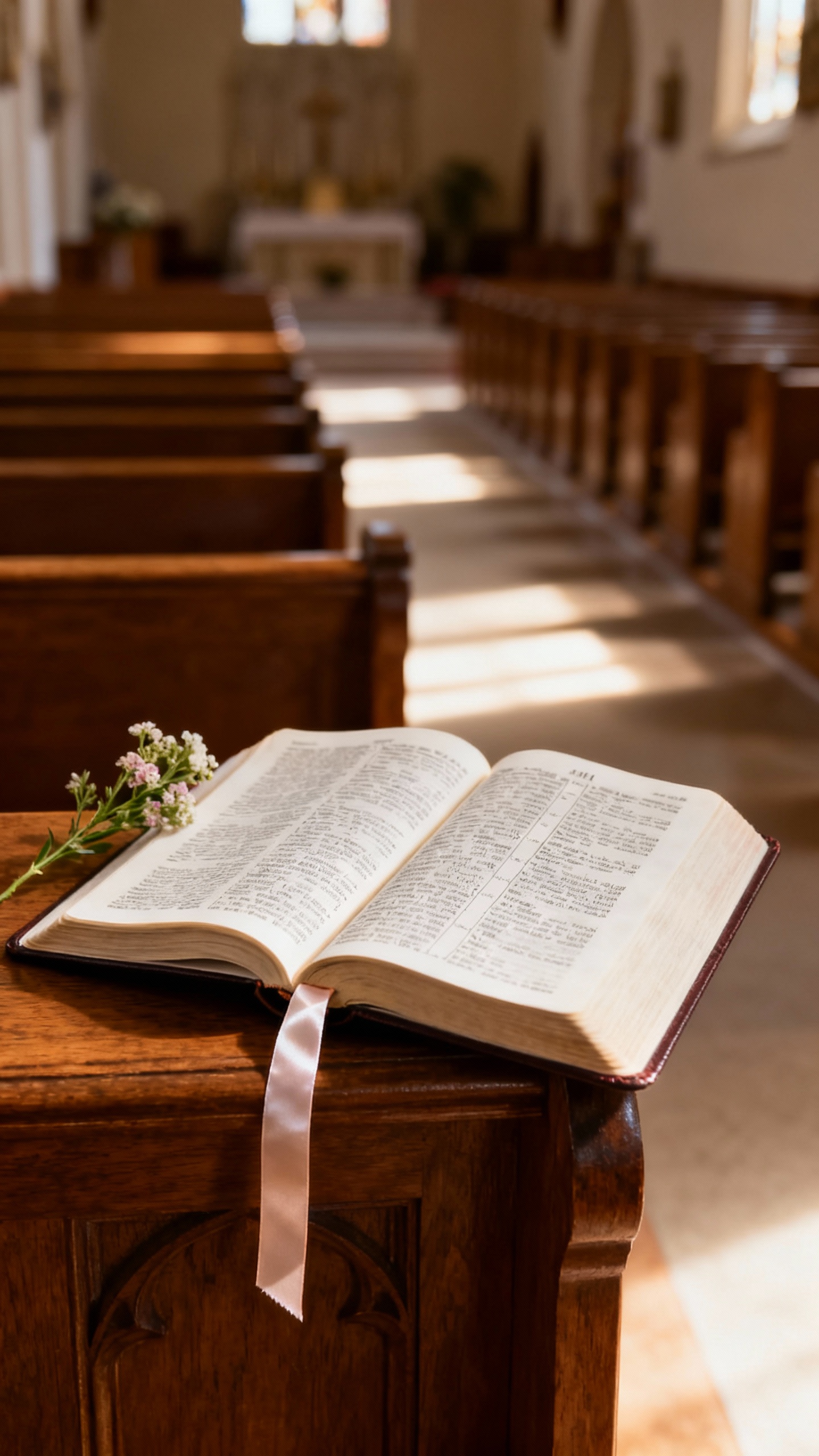
Church ceremonies often follow a traditional flow, but you can still personalize it with readings, prayers, and a thoughtful sequence. Decide on key moments: processional order, vows (traditional vs. personal), unity ceremony (if you’re doing one), and the benediction. Choosing scripture early also helps your musicians, readers, and programs stay consistent.
3) Confirm Church Decor Rules (Then Design Your “Respectful + Stunning” Look)
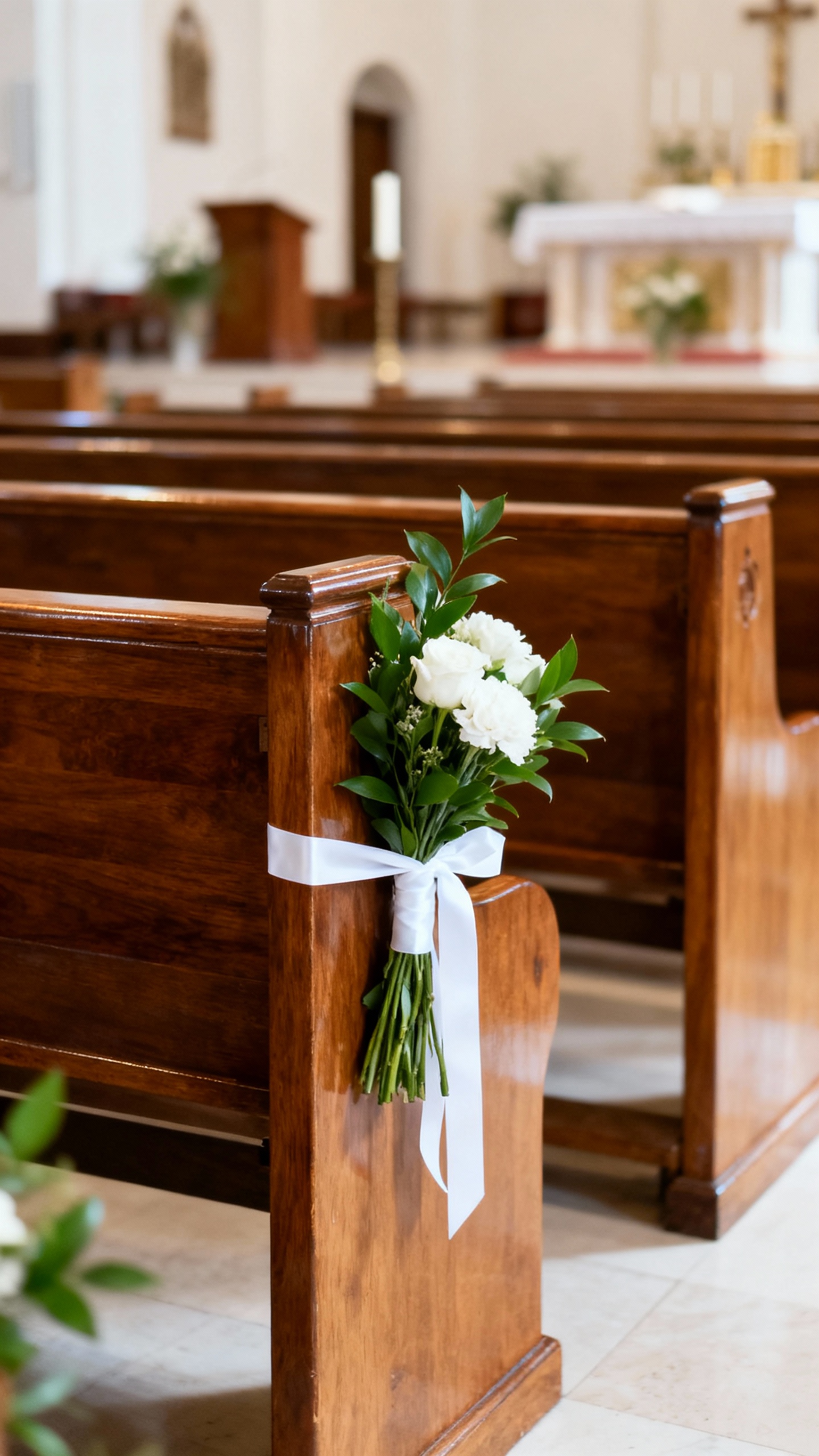
Every church has its own boundaries—what can be taped, where florals can go, whether candles are allowed, and how far down the aisle you can decorate. Once you know the rules, design within them: pew markers, altar arrangements, and a ceremony backdrop that complements the architecture instead of fighting it. The goal is elevated and polished, not “Pinterest chaos at the last minute.”
4) Choose Ceremony Music That Fits the Space (and the Guidelines)
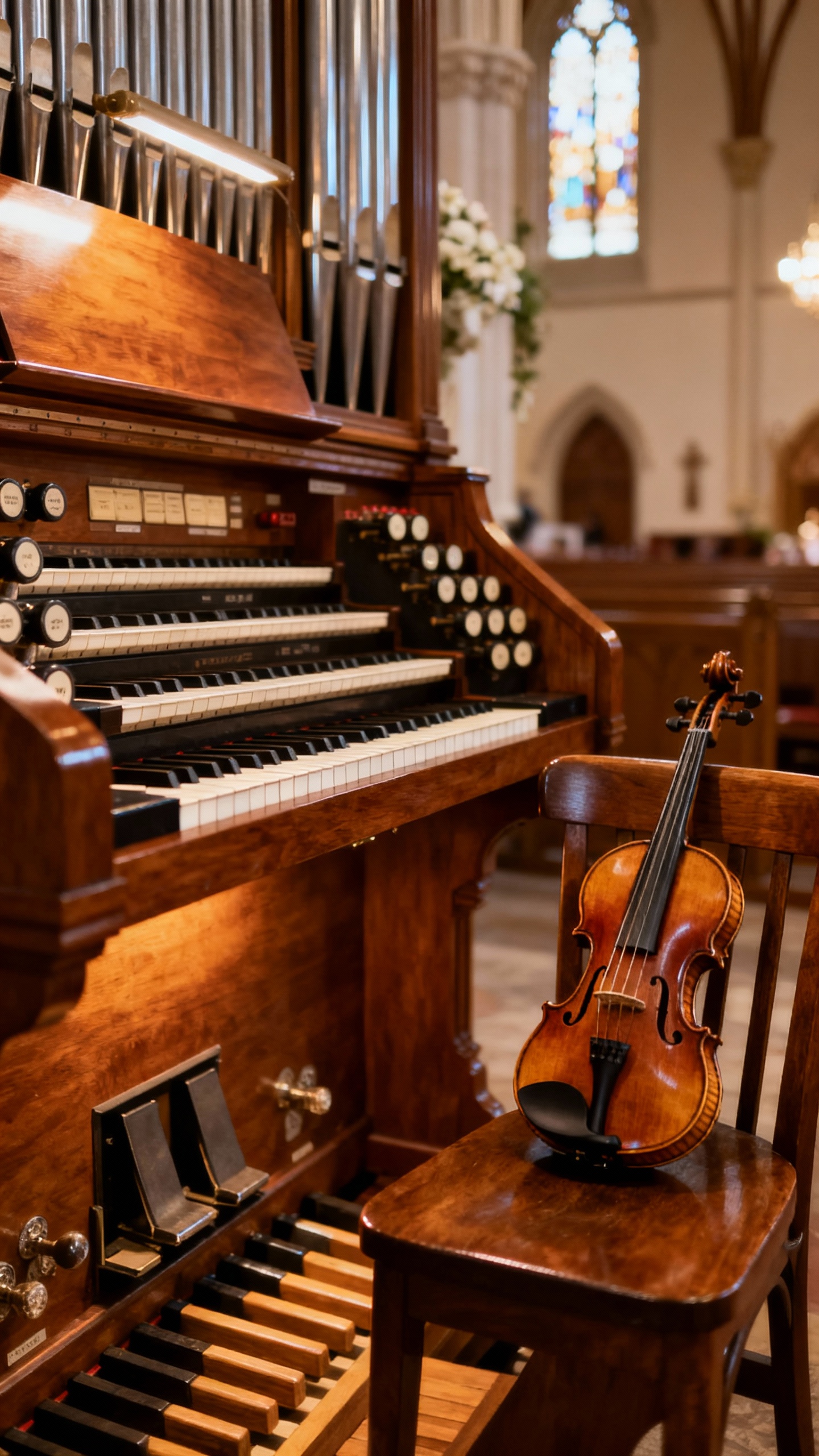
Church acoustics are their own vibe—beautiful, but not always forgiving—so music needs a little extra planning. Confirm what’s allowed (instrumental only, worship songs, no certain genres) and book your musicians early. Also, make a clean list for prelude, processional, signing, recessional, and any special moments so nothing feels improvised.
5) Coordinate Logistics: Rehearsal, Arrival Times, and Photo Boundaries
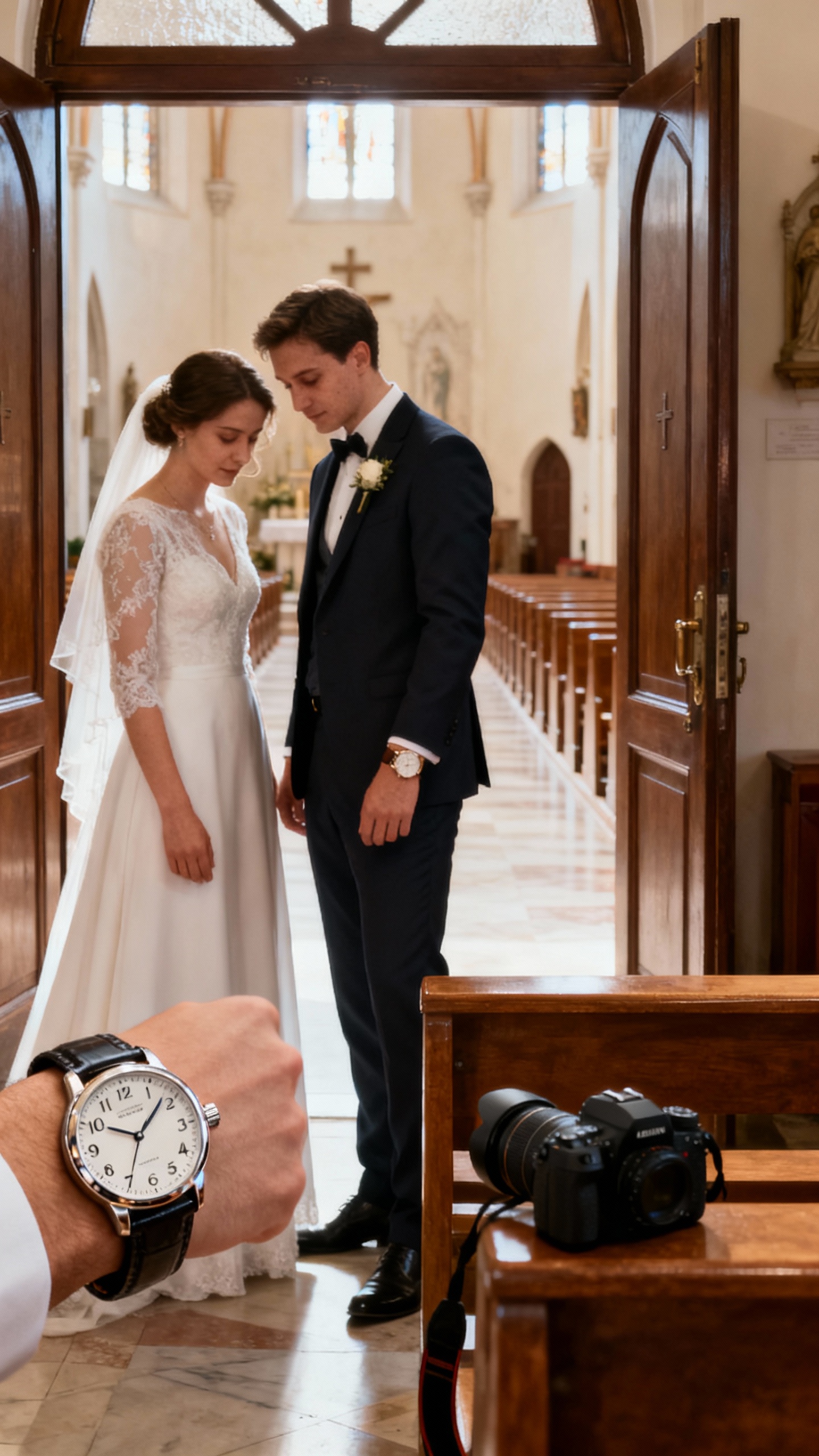
This is the part that makes your day feel calm: clear timing. Confirm rehearsal date/time, who needs to be there, where everyone enters, and when you’ll arrive on wedding day (especially if the church has multiple services). Ask about photo rules—flash, movement near the altar, and where family formals can happen—so your photographer can plan a smooth, respectful shot list.
FAQ
How early should we book the church for a Christian wedding ceremony?
As early as you can—many churches book 9–18 months out, especially for popular Saturdays. Once you have a date hold, ask what deposits, meetings, and paperwork are required so your timeline stays realistic.
Can we write our own vows in a church ceremony?
Sometimes yes, sometimes partially. Many churches allow personal vows as long as they’re reviewed or paired with traditional vows, so ask your officiant early and keep your wording faith-centered and ceremony-appropriate.
What are simple church-friendly decor ideas that still look modern?
Pew markers with ribbon or small florals, a grounded aisle arrangement at the entrance, and altar florals that match your reception palette are all easy wins. Stick to classic shapes and let the church architecture do the heavy lifting for that timeless, editorial feel.
Do we need a wedding program for a church ceremony?
Not required, but highly recommended for a church ceremony because it helps guests follow along with readings, hymns, and special elements. A simple one-page program with clean typography looks polished and keeps everything feeling intentional.
How do we keep the ceremony feeling sacred but still personal?
Choose scripture that reflects your relationship, invite a trusted friend or family member to read, and pick music that feels meaningful within the church guidelines. Personal doesn’t have to mean informal—it can be thoughtful, reverent, and very “you” at the same time.