
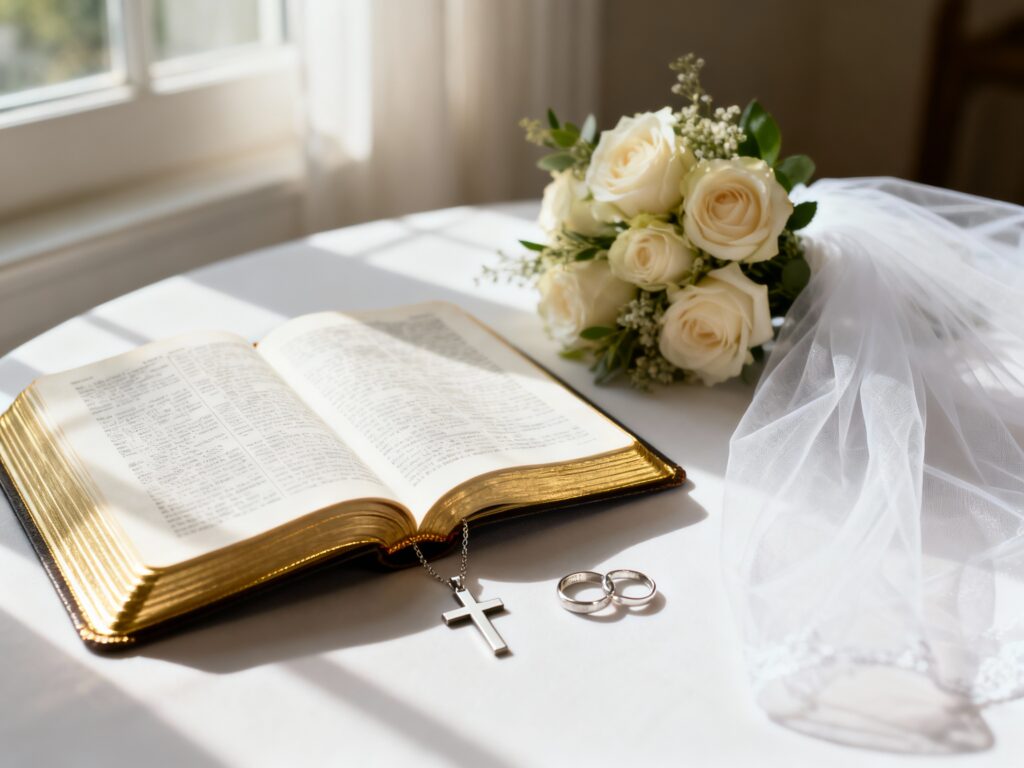
Planning a Christian wedding is equal parts joyful and “wait, there are how many details?” The good news: when you anchor your to-dos in faith and intention, the whole day starts to feel calmer and more meaningful.
Below are five must-haves that keep your ceremony Christ-centered, your timeline realistic, and your aesthetic cohesive—without losing the fun.
Top 5
1) Ceremony Scripture + Prayer Plan
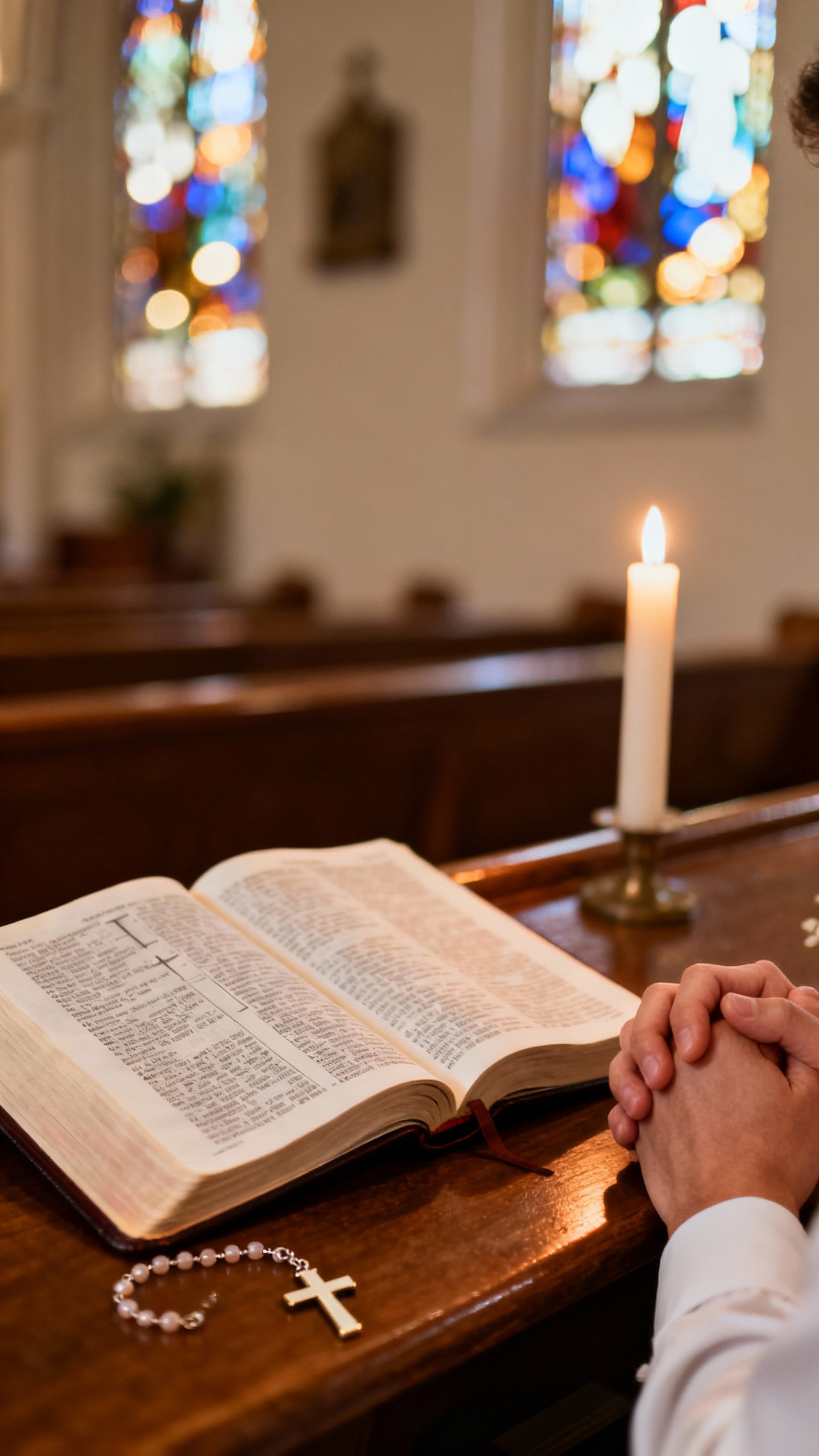
Choose 1–3 key Scriptures (like 1 Corinthians 13, Ecclesiastes 4:9–12, or Ruth 1:16–17) and decide exactly where they’ll appear: reading, program, vows, or decor. Confirm who is reading each passage and whether you’ll include a pastoral prayer, a parent blessing, or a moment of communal prayer. This one choice shapes the tone of your entire ceremony and makes everything else feel intentional.
2) Officiant & Premarital Counseling Checklist

Lock in your officiant early and ask for their requirements upfront—many churches require counseling sessions, paperwork, and a rehearsal. Create a mini checklist: meeting dates, counseling homework, license deadlines, ceremony script approval, and the rehearsal plan. It keeps the spiritual prep from getting squeezed out by seating charts and centerpiece decisions.
3) Church & Venue Coordination Notes (The “No Surprises” Sheet)
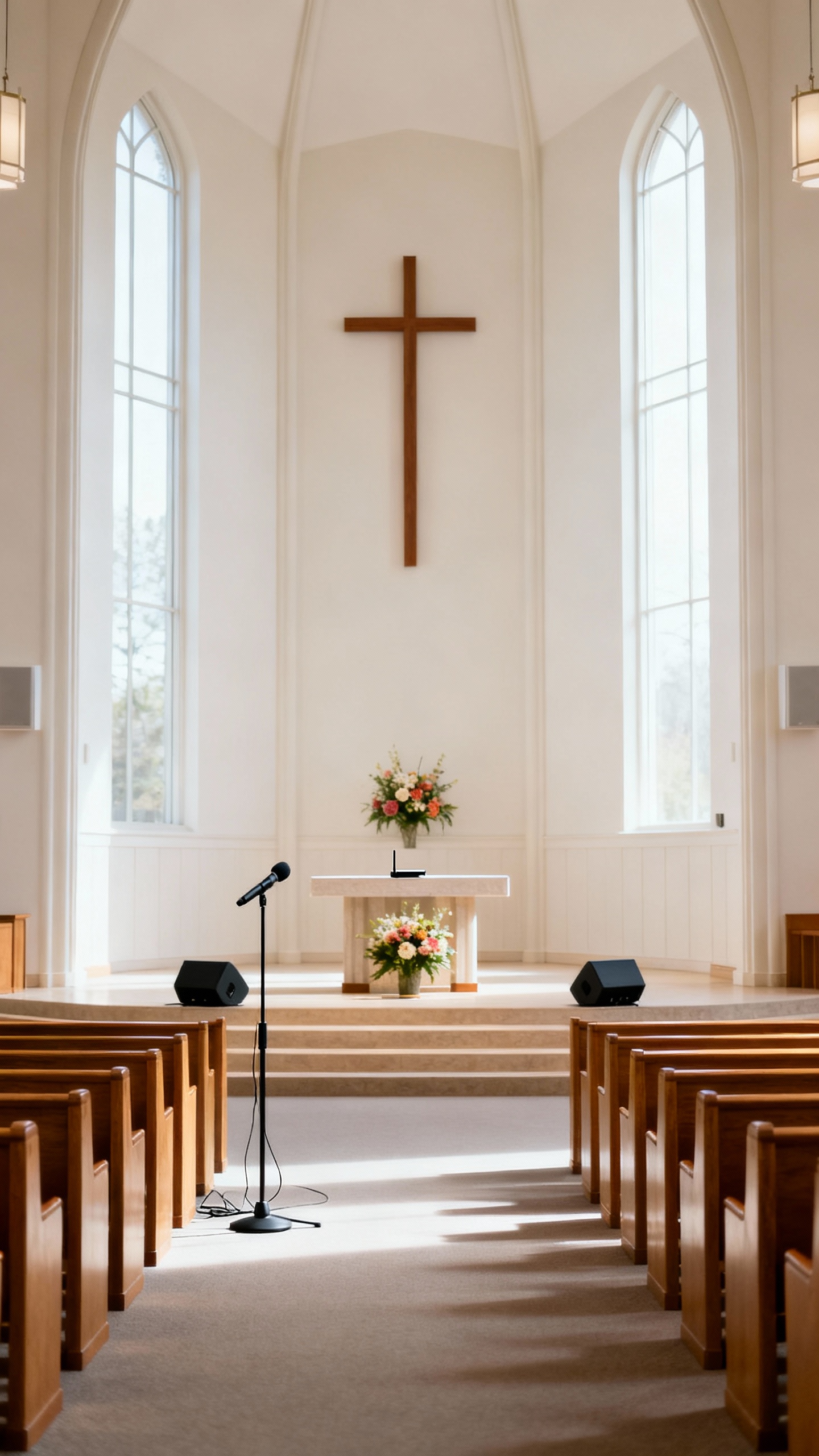
Christian wedding venues often have guidelines around music, decor, photography, and timing—so write it all down in one place. Include sound system details (wireless mic? podium?), altar décor rules, candle policy, and any restrictions on aisles, confetti, or signage. Share this sheet with your coordinator, photographer, and musicians so your day runs smoothly and respectfully.
4) Worship-Friendly Music + Timeline Cues
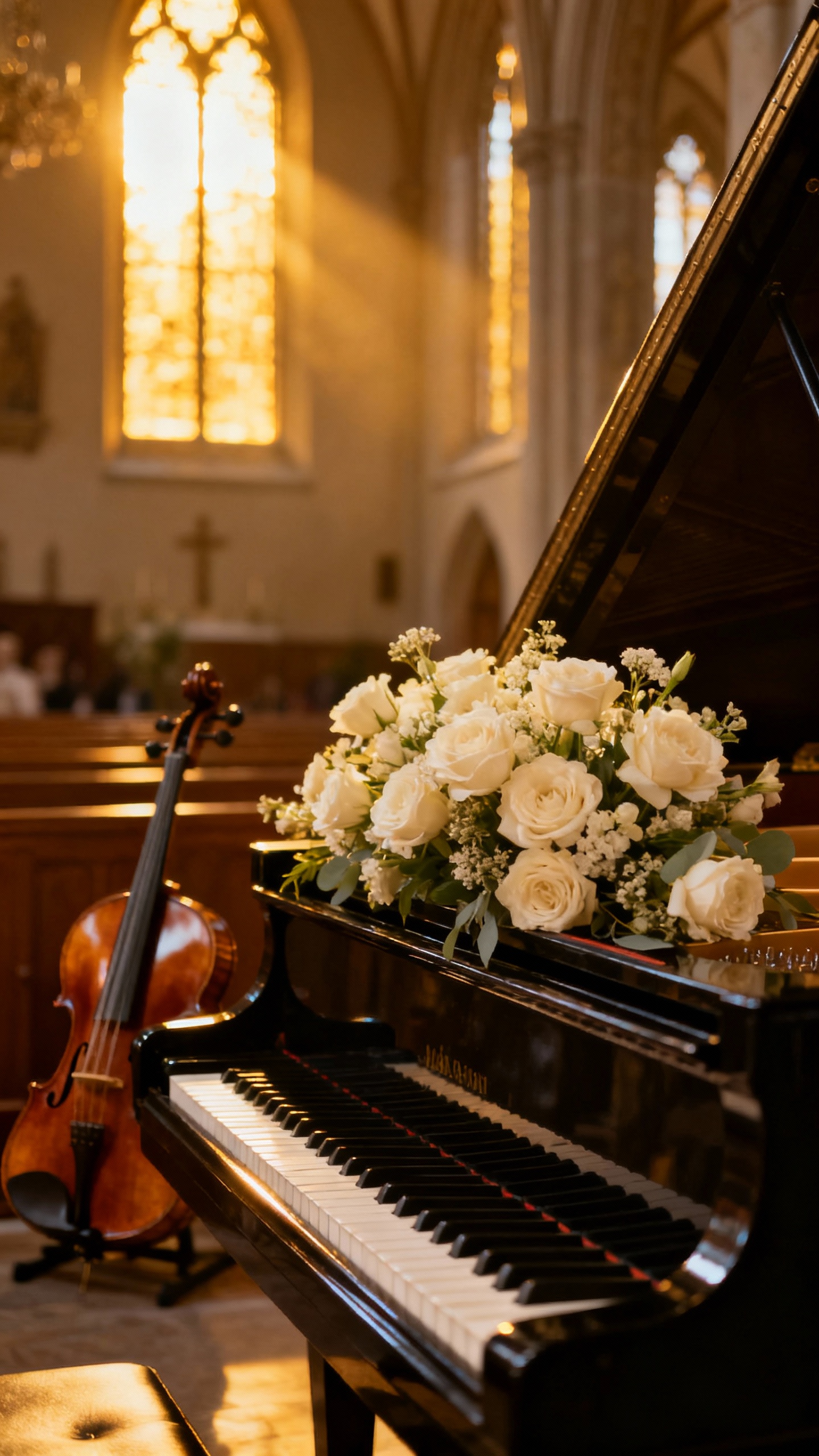
Build a music list that fits your style and your church’s preferences: prelude, processional, communion (if included), recessional, and reception moments. Confirm cue points—like when the doors open, when the bride starts walking, and how long the unity ceremony takes—so musicians aren’t guessing. Bonus tip: choose one “anchor” worship song that can show up in multiple places (ceremony + reception) for a sweet, cohesive vibe.
5) Meaningful Details Checklist (Programs, Signage, and Keepsakes)
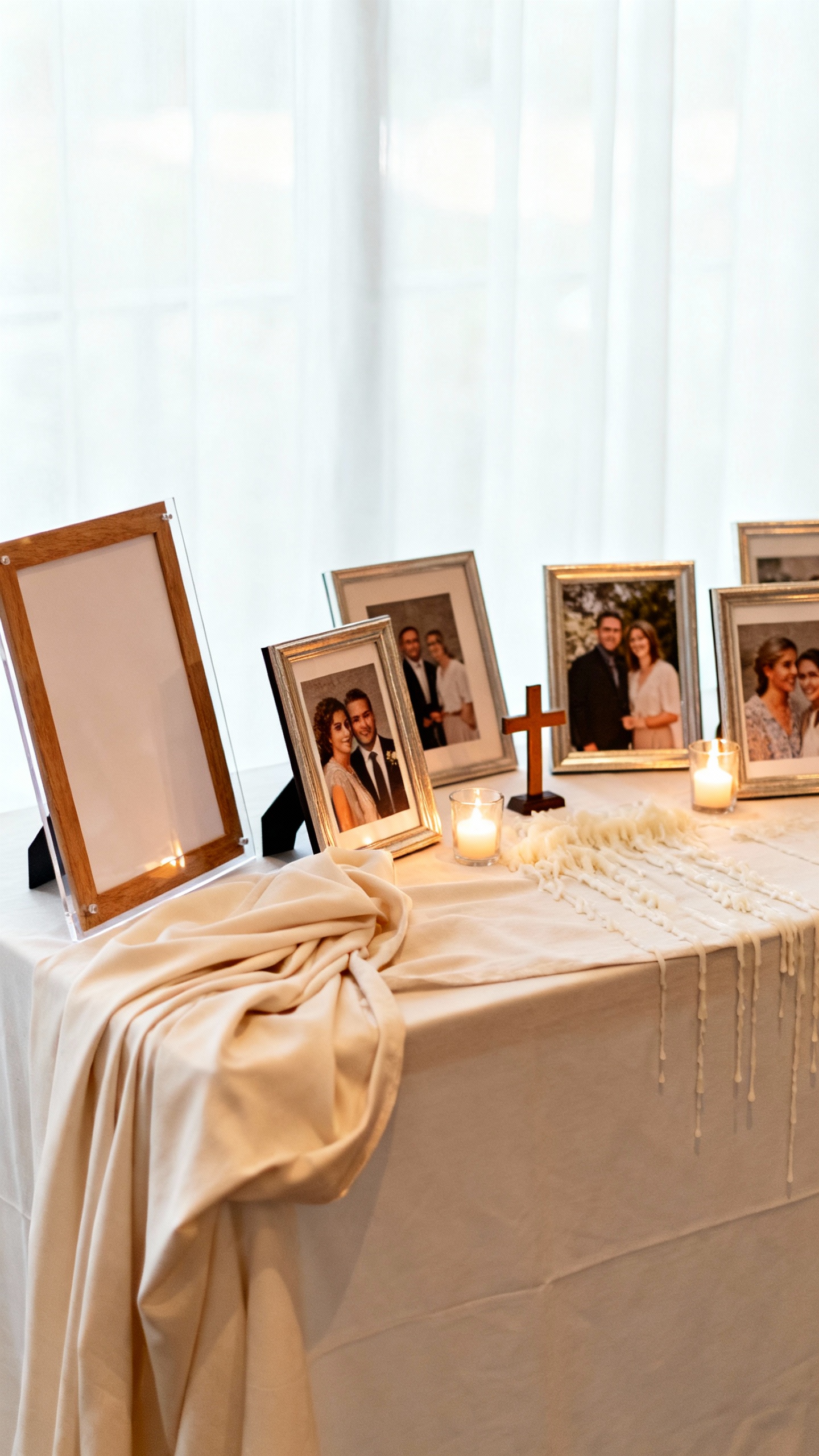
Plan a few faith-forward touches that also look Pinterest-perfect: a Scripture on your programs, a welcome sign with a blessing, or a memory table with a short prayer. Add practical notes too, like wording for “unplugged ceremony,” how you’ll explain communion, and who gets thanked in the program. These details help guests feel included and make your aesthetic feel personal—not generic.
FAQ
What Scriptures work best for a Christian wedding ceremony?
Popular choices include 1 Corinthians 13 for love, Ecclesiastes 4:9–12 for partnership, Colossians 3:12–14 for character, and Psalm 127:1 for building a home. Pick verses that match your relationship and the tone you want—tender, joyful, or deeply reverent. If you’re printing them, keep it to a short passage so it’s readable in a program.
How do I keep the wedding looking modern while still feeling Christ-centered?
Use faith elements as “design moments”: a clean Scripture on minimalist signage, a soft-toned program with a short prayer, or a single meaningful cross detail rather than lots of themed decor. Stick to one aesthetic direction (classic, garden, modern, etc.) and let your Christian touches be intentional accents. The result feels elevated, not overdone.
Do Christian weddings have to be in a church?
No—many couples marry outdoors or at a venue while still including worship, prayer, and a Christian officiant. If you’re connected to a church, ask about any expectations for members or if they offer officiant support. Wherever you marry, plan the ceremony flow so it still feels sacred and focused.
What should I ask my officiant before finalizing the ceremony script?
Ask about required counseling, recommended readings, whether you can write personal vows, and how they handle communion or unity ceremonies. Also confirm timing: how long the message is, where prayers happen, and what cues your music needs. Getting clarity early helps you create a ceremony that feels true to your faith and your personality.
How can I include guests who aren’t Christian without making it awkward?
Use simple, welcoming wording in your program (like a brief note explaining prayer or communion participation). Keep instructions clear and kind, and avoid insider language without context. Most guests feel comfortable when they know what to expect—and when the tone is warm, inclusive, and respectful.