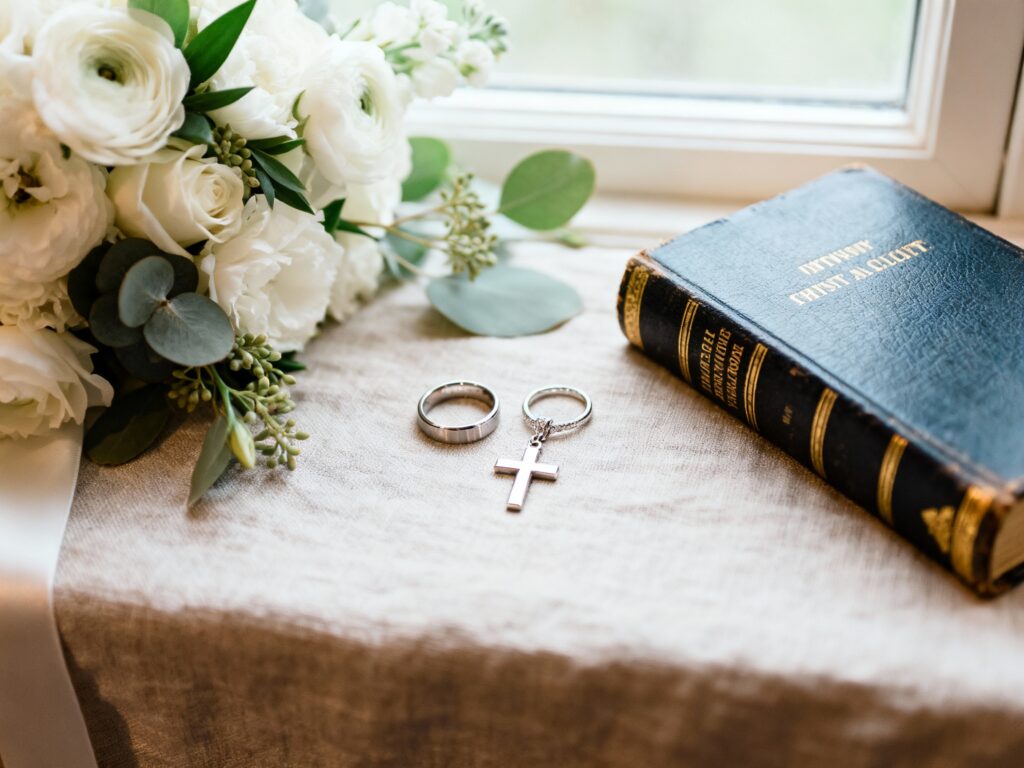
Your Christian wedding checklist already has the basics: venue, dress, flowers, timeline. But if your faith is part of your love story, you’ll want a few intentional, Jesus-centered steps in there too—so the day feels as meaningful as it looks.
These five faith-based checklist adds are practical, aesthetic-friendly, and easy to plan (even if you’re juggling a million details).
Top 5
1) Choose Your Ceremony Scripture + Theme Verse
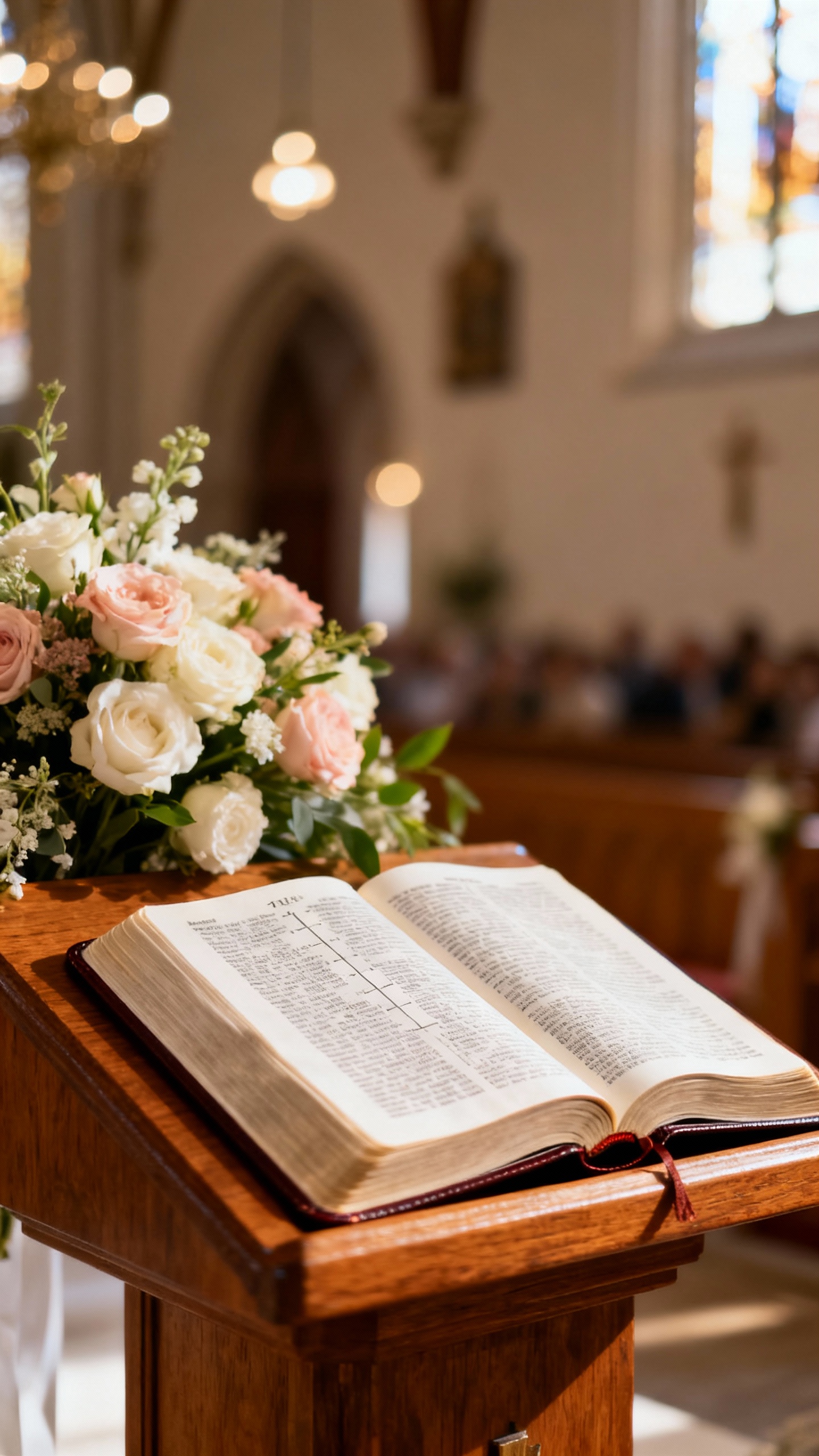
Pick 1–3 scripture readings for your ceremony and one “theme verse” to anchor the day (think: your vows, sermon, and even signage). This helps your officiant create a message that feels personal, not generic. Bonus: your theme verse can guide your color palette and paper goods vibe—minimal, romantic, classic, or modern.
2) Meet With Your Officiant for Premarital Guidance
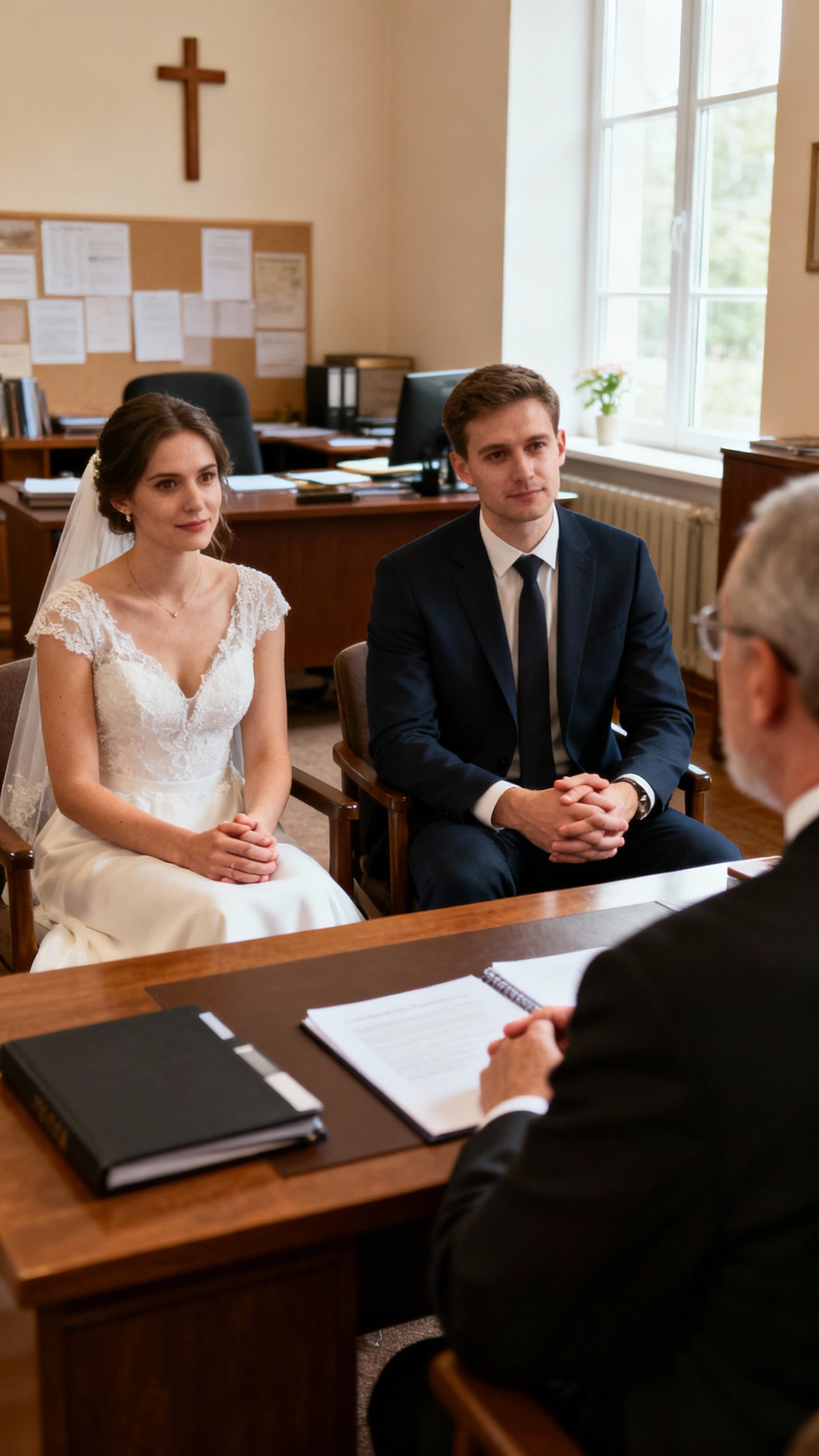
Schedule a sit-down with your pastor or officiant early, not two weeks before the wedding. Ask what premarital counseling options look like, what’s required, and what they recommend for your season of life. It’s also the perfect time to align on ceremony flow, communion (if you’re including it), and any church guidelines so there are zero surprises.
3) Plan a Prayer Moment Into the Timeline
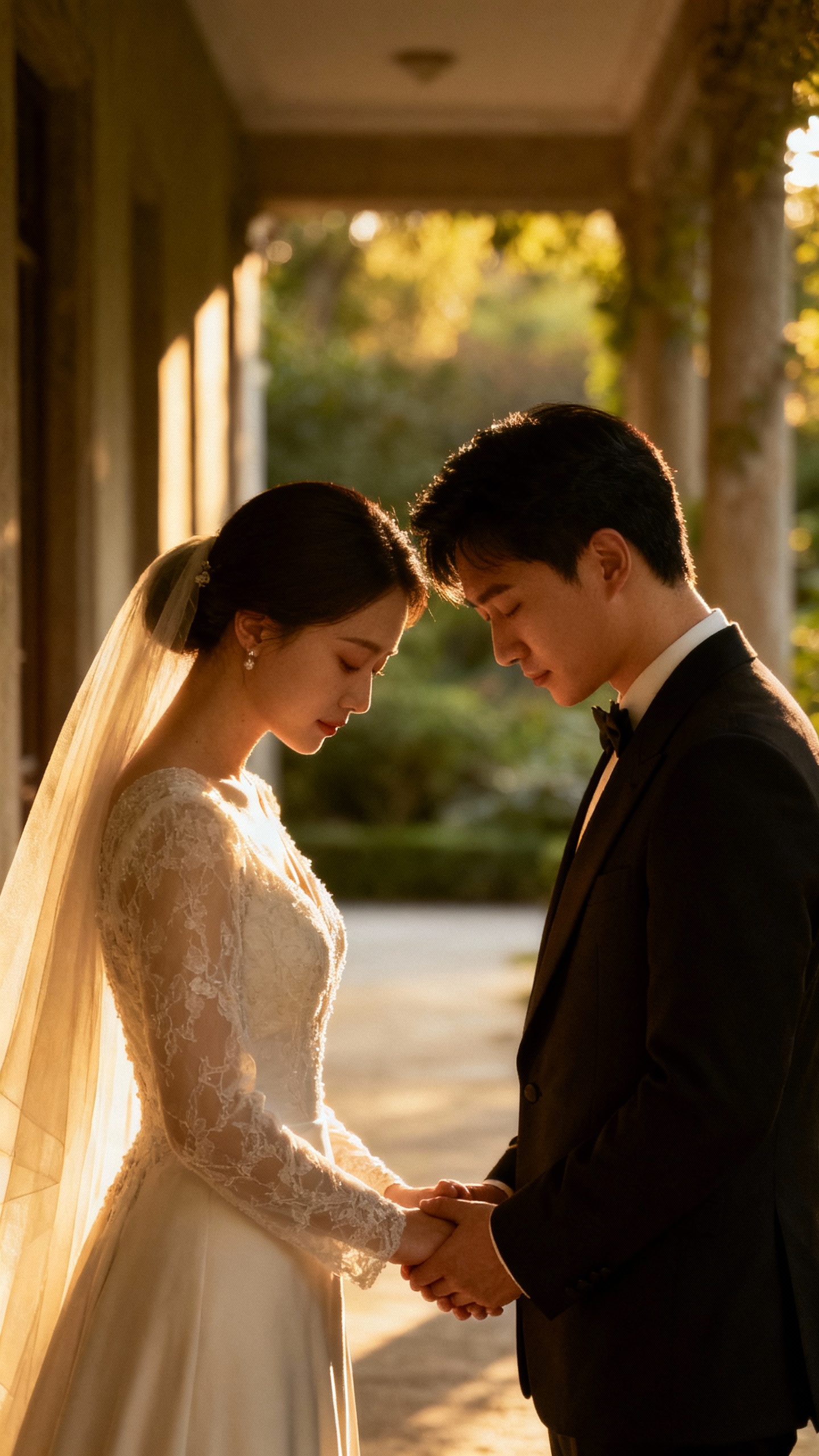
Add a specific prayer pause into your wedding-day schedule—like a quiet prayer with your bridesmaids, a first look prayer, or a moment with parents before the ceremony. When it’s on the timeline, it actually happens (and it won’t get crowded out by photos). This can be super simple: a 2-minute grounding moment that shifts the energy from “busy” to “holy.”
4) Invite Worship Through Music Choices
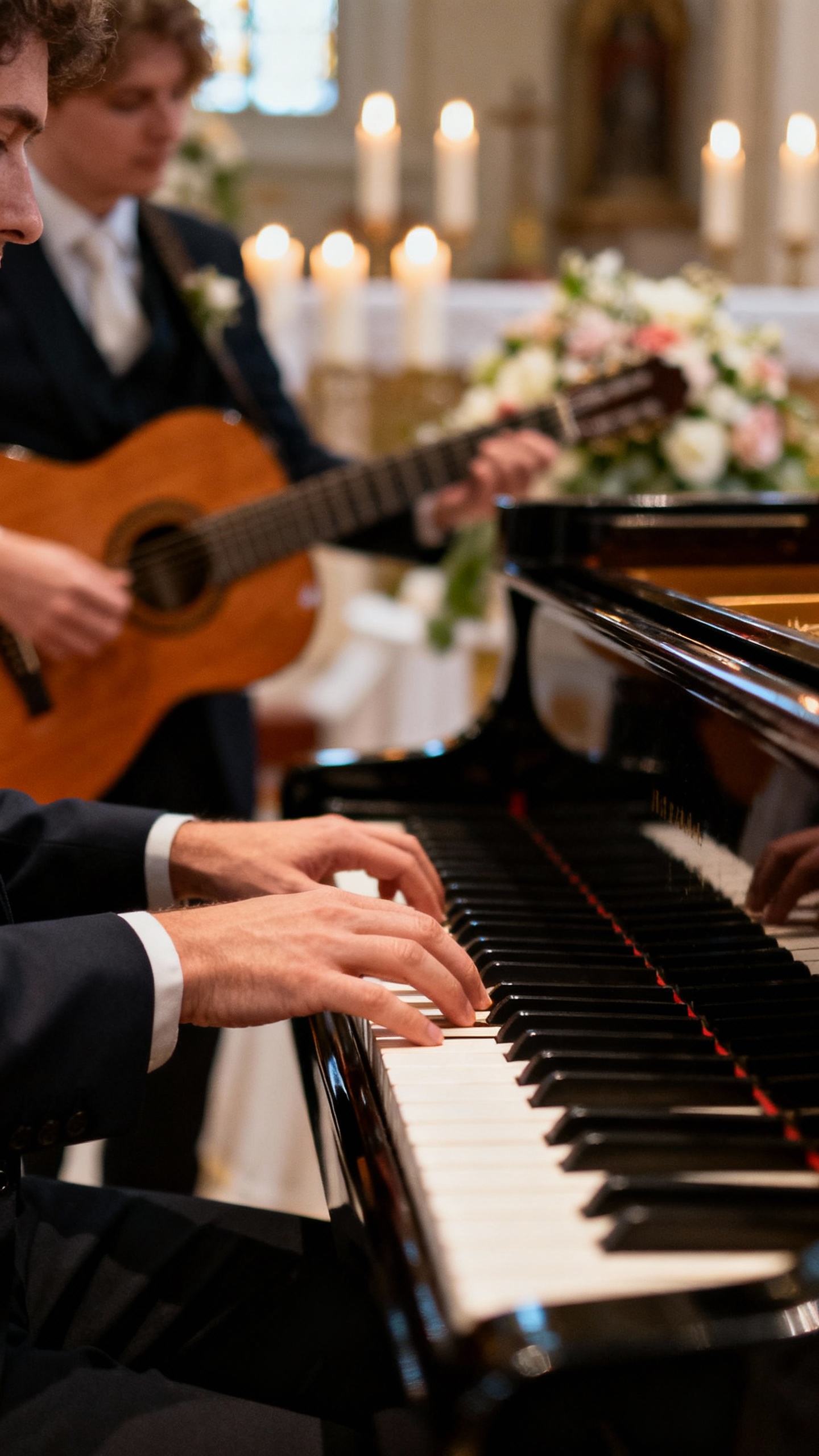
Decide where worship fits best: prelude, processional, unity moment, or recessional. You can go full worship song, instrumental hymn, or a modern Christian cover that still feels wedding-elegant. Pro tip: coordinate with your musicians early so keys, timing, and transitions feel seamless and cinematic.
5) Create a Meaningful Faith Detail for Guests
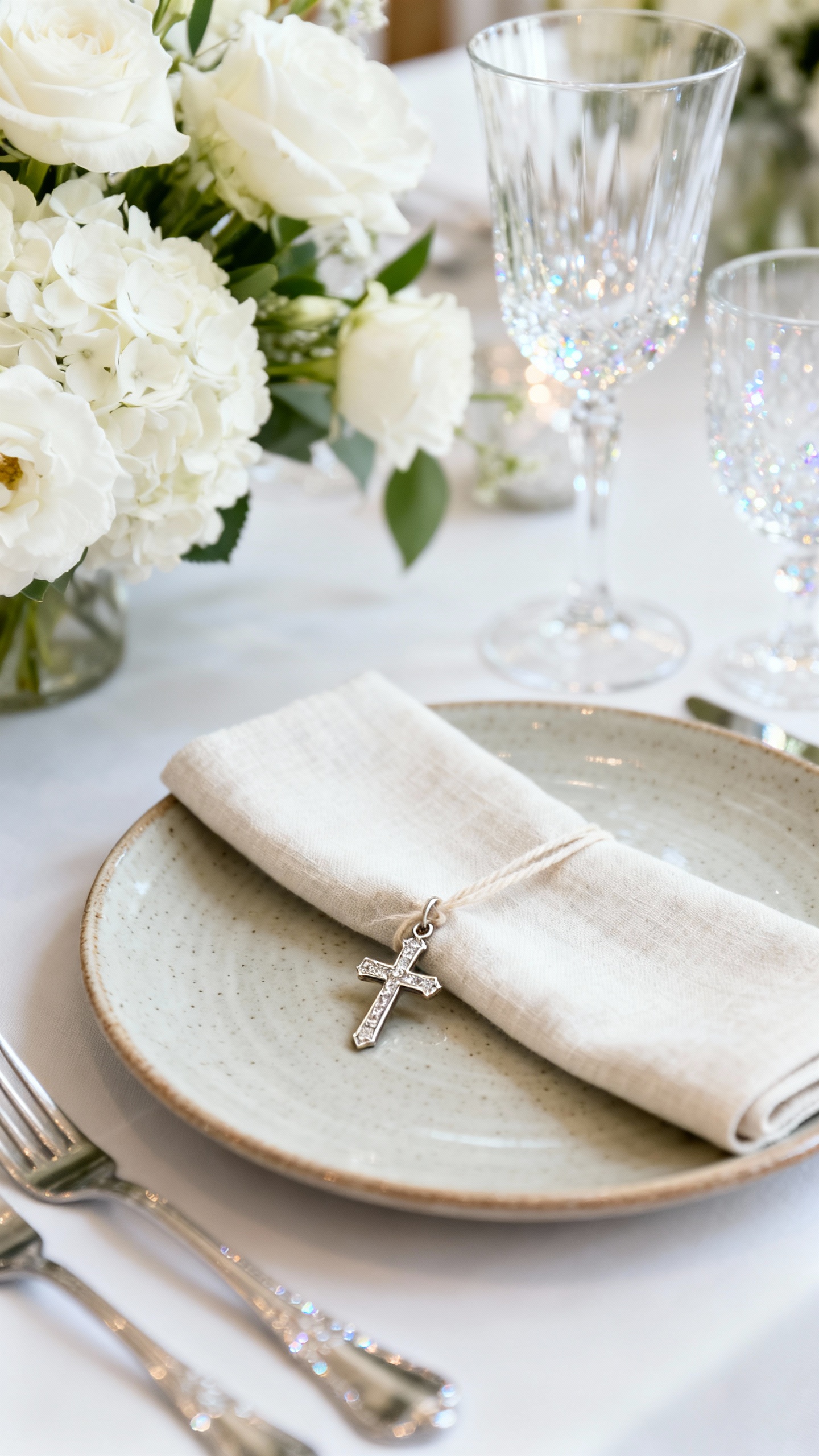
Choose one faith-forward detail that feels authentic and still fits your aesthetic—like a program note explaining the scripture, a welcome sign with your theme verse, or a small prayer card at each place setting. Keep it polished: beautiful typography, clean wording, and intentional placement. The goal is not to “add more,” but to add meaning in a way guests will actually notice and remember.
FAQ
Do we need premarital counseling to have a Christian wedding?
It depends on your church and officiant. Some require formal premarital counseling sessions, while others strongly recommend them but keep it flexible. Either way, adding it to your checklist early makes planning easier and helps you feel more grounded heading into marriage.
How do we include scripture without making the ceremony feel long?
Choose one main reading and keep it intentional—quality over quantity. A theme verse can also show up in small places (programs, signage, vow books) so it’s felt throughout the day without adding extra minutes. Ask your officiant to keep transitions tight and purposeful.
What are some subtle, aesthetic ways to include faith in our wedding décor?
Use your theme verse in modern calligraphy on your welcome sign, ceremony backdrop signage, or on the back of your programs. You can also embroider a verse reference inside a veil, add it to a custom wax seal, or print it on cocktail napkins in a minimal font. Think “design-forward,” not distracting.
Can we play worship music and still keep a modern wedding vibe?
Absolutely. Instrumental worship (piano, strings, acoustic guitar) feels timeless and elevated, especially for ceremony moments. If you want lyrics, choose a version that matches your venue energy—soft, acoustic, or a classy live cover—and keep the sound mix clean.
How do we handle family expectations about faith traditions during the ceremony?
Start with a short conversation early—before invites go out—so you’re not negotiating in the final month. Share what you’re including (scripture, prayer, communion, unity ceremony) and what you’re not, then ask your officiant for guidance on wording and flow. When the plan is clear and written into the ceremony outline, it’s easier for everyone to support it.