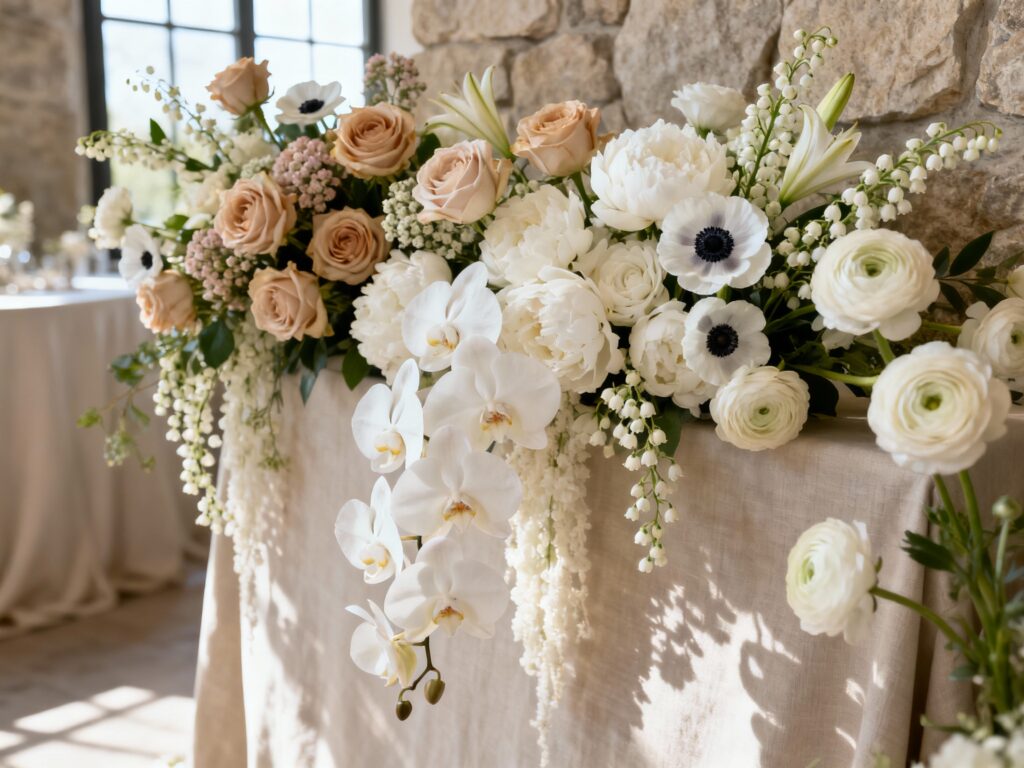
Luxury wedding florals aren’t just “pretty.” They’re your built-in styling team: adding movement, texture, and that editorial depth that makes photos feel like a magazine spread.
If you want arrangements that photograph rich (not flat) and elevate every frame—from getting ready to golden hour—these five floral choices deliver every single time.
Top 5
1) Garden Roses + Spray Roses (The Couture Classic)
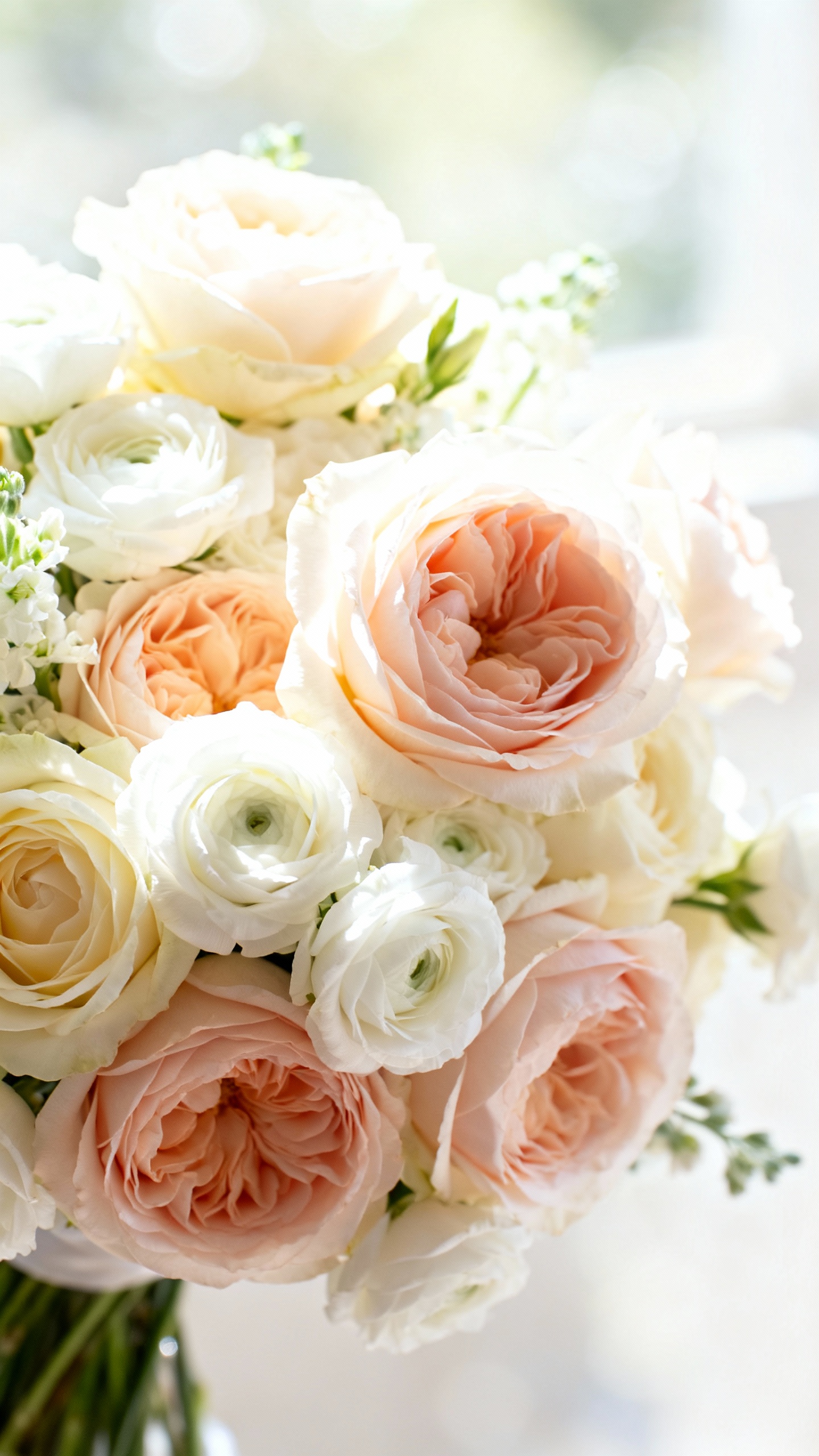
Garden roses photograph insanely well because their layered petals create natural shadows and dimension, even in bright light. Mix standard garden roses with spray roses for a “full but airy” look that reads expensive on camera. Ask your florist for a tight palette (like ivory, blush, or toffee) so the texture does the talking. They’re especially gorgeous in bridal bouquets and ceremony meadow-style arrangements.
2) Phalaenopsis Orchids (Clean, Modern, Editorial)
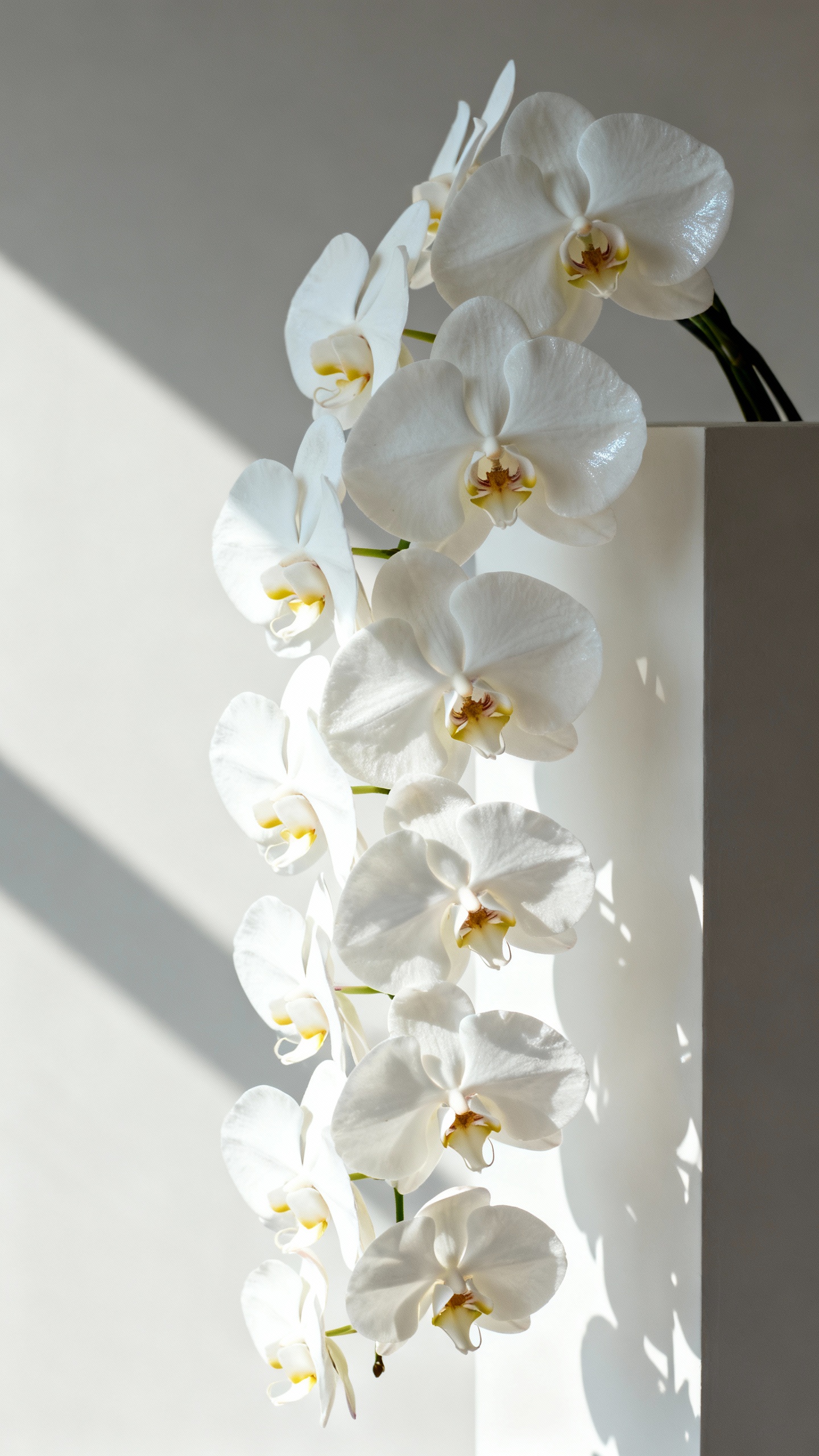
Orchids are the luxury shortcut: sleek lines, glossy petals, and a silhouette that instantly feels high-fashion. They photograph best when you let them drape—think cascading bouquet tails, hanging installations, or statement aisle moments. Keep the design minimal (orchids + one supporting bloom) so it reads intentional, not busy. Bonus: white orchids pop against darker venues and black-tie attire.
3) Lily of the Valley (Quiet Luxury, Up Close)
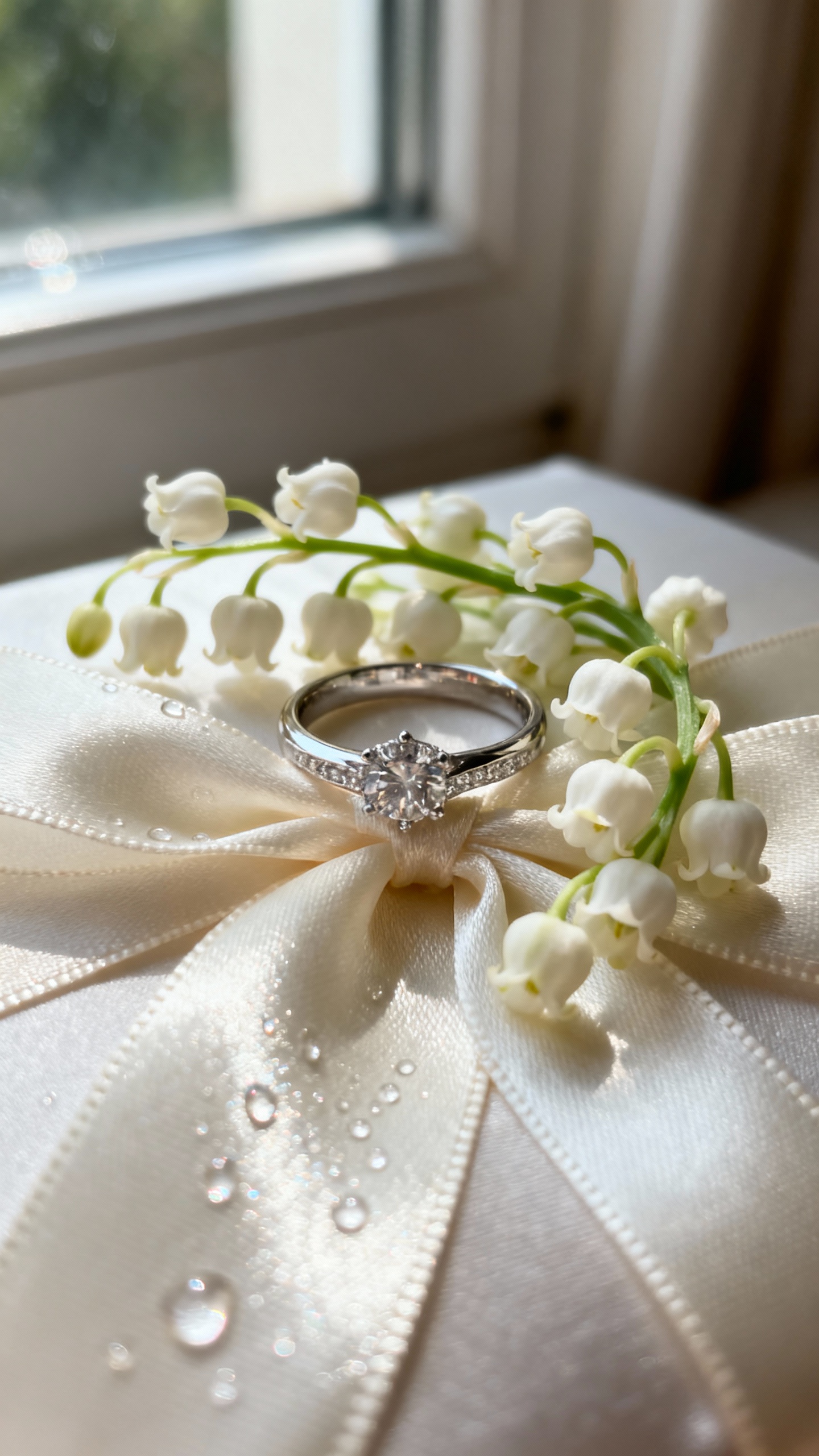
Lily of the valley is delicate, iconic, and basically made for close-up detail shots—rings, invitation suites, and bouquet portraits. Its tiny bell blooms add a “soft focus” vibe without actually being blurry, which photographers love. It’s also perfect for petite bouquets, bridal hair accents, or tucked into a larger bouquet as a hidden luxury. Because it’s seasonal and pricier, use it as an accent for maximum impact.
4) Peonies (The Romantic Volume Maker)
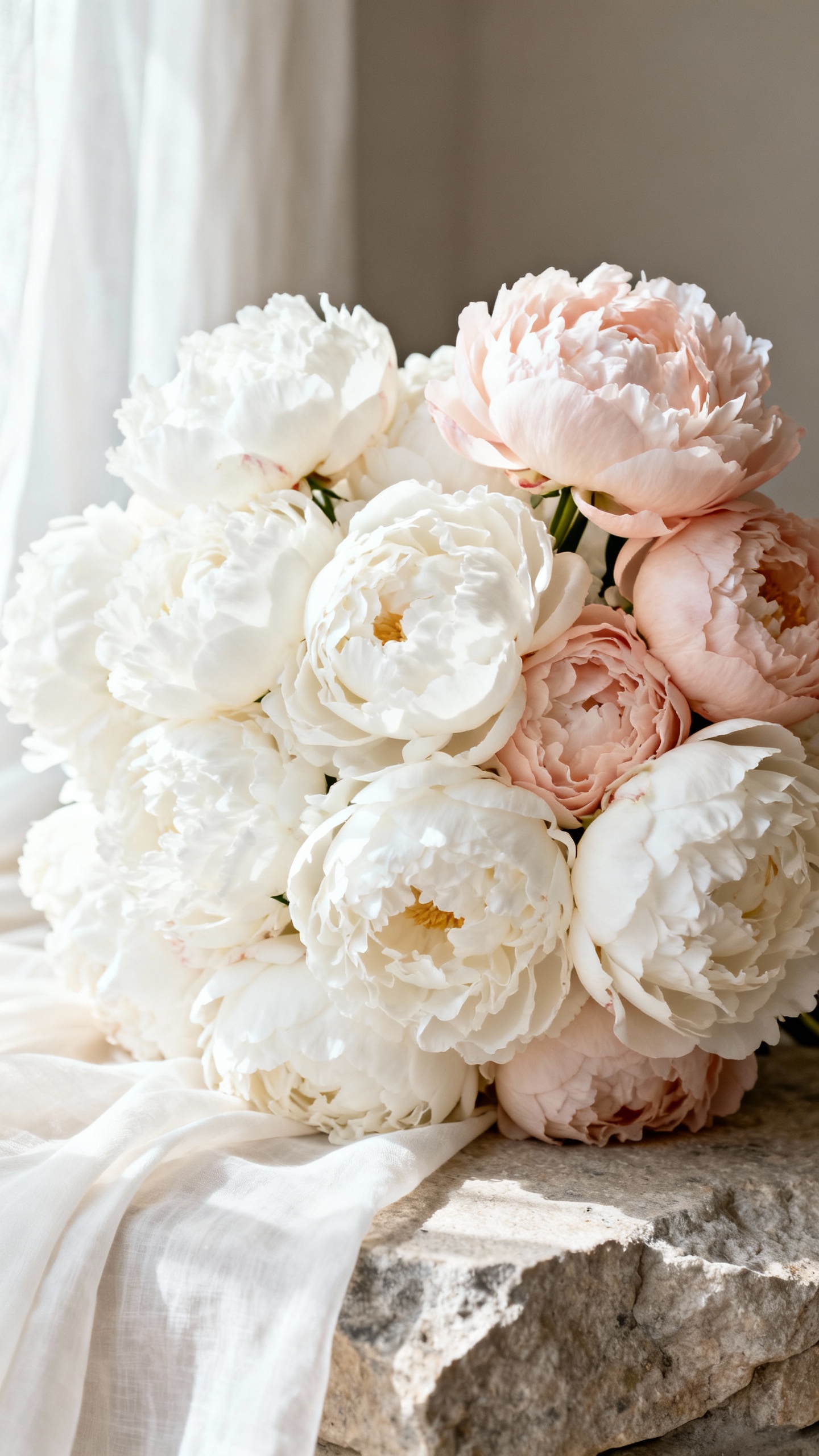
Peonies photograph like clouds—fluffy, romantic, and full of movement—so they make your bouquet look abundant without needing a million stems. They’re especially stunning in soft neutrals (white, blush, pale pink) where the petal texture shows up in every lighting scenario. Tell your florist you want a mix of open blooms and tighter buds for depth and longevity in photos. If you’re out of season, ask about high-quality imported peonies or a peony-look recipe with garden roses.
5) Anemones + Ranunculus (High-Contrast “It Girl” Florals)
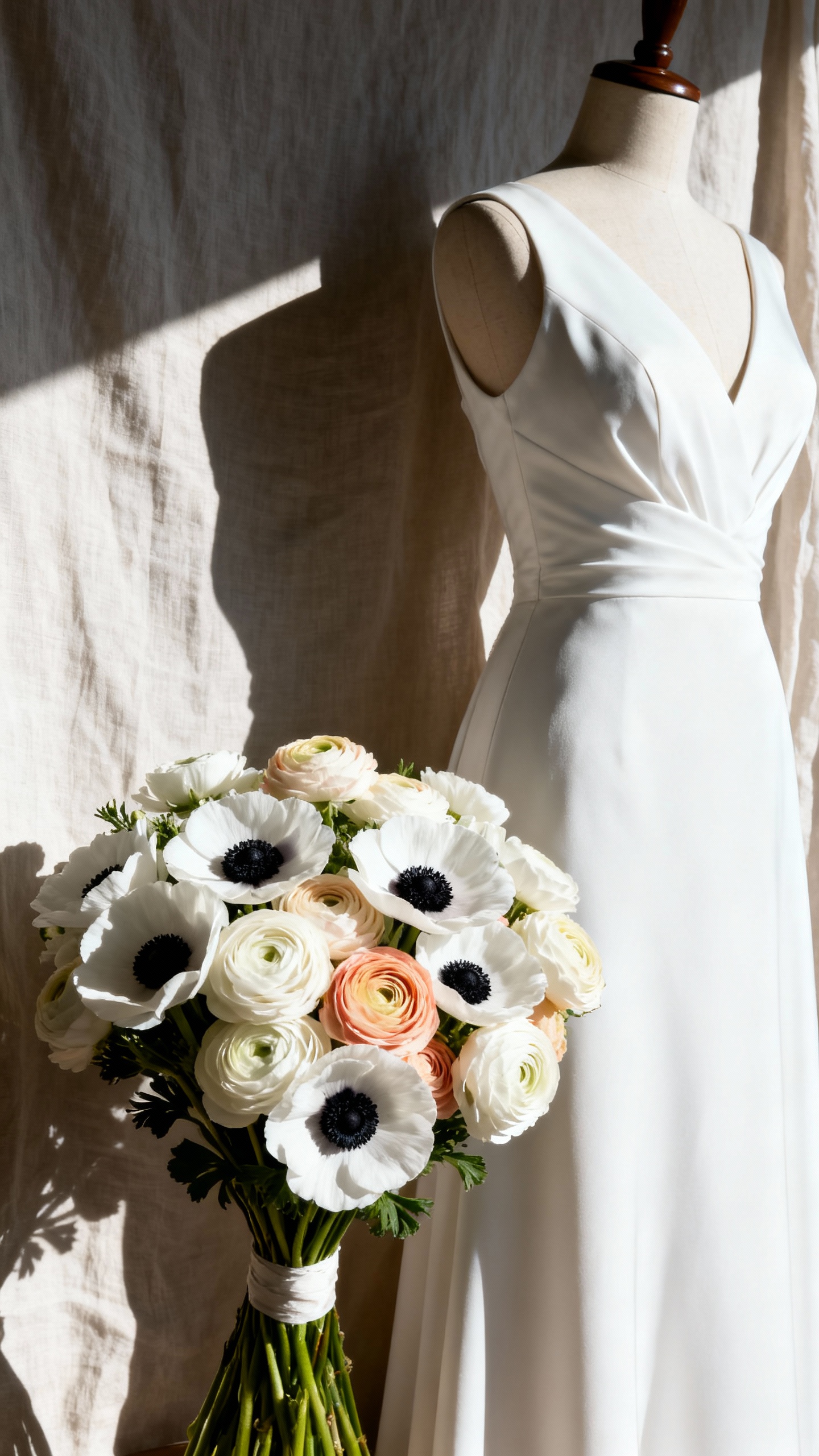
Anemones with their dark centers create instant contrast, which is why they photograph so editorial—especially against white dresses and light linens. Pair them with ranunculus for extra layers and a slightly whimsical, fashion-forward texture. These blooms shine in bouquets, bud vases, and tablescapes where guests will be close enough to notice the details. Keep the greenery refined (like Italian ruscus or smilax) so the look stays elevated.
FAQ
What makes florals look “luxury” in photos?
It’s usually a mix of premium blooms, intentional color palette, and texture. Flowers with layered petals (garden roses, ranunculus, peonies) create depth and shadow that reads expensive. Luxury also comes from scale: fewer designs, but bigger moments like a statement ceremony install or a lush bridal bouquet.
Which flowers photograph best in bright outdoor light?
Garden roses, ranunculus, and orchids hold their shape and show texture well in sunlight. For super bright settings, avoid overly shiny foliage and ask for a balanced mix of open blooms and buds so details don’t get visually “washed out.” A tighter color story (ivory, blush, soft peach) also keeps photos looking clean and elevated.
How do I keep my bouquet from looking flat on camera?
Ask for dimensional ingredients: a base flower (like garden roses), a secondary texture (spray roses or ranunculus), and one airy element (sweet pea, jasmine vine, or light greenery). Depth comes from variation—different bloom sizes, a few buds, and intentional negative space. A gentle asymmetrical shape also photographs more editorial than a perfect round ball.
What’s the best way to get a magazine look without an unlimited floral budget?
Choose one “hero” floral moment (ceremony arch, aisle meadow, or a statement bridal bouquet) and keep everything else cohesive but simpler. Use premium blooms in the pieces that will be photographed the most, then repeat the palette with cost-friendly supporting flowers elsewhere. Repurposing ceremony florals for the reception is also a smart, common move.
How far in advance should I choose my floral recipe?
Lock your general style, color palette, and priority moments early, then finalize specific blooms closer to the date. Many luxury flowers are seasonal, so your florist may recommend flexible swaps that keep the same look. A final confirmation around 4–8 weeks out is typical, once availability and shipment timing are clearer.