

If you want your wedding flowers to look expensive (without acting expensive), start with a color palette and stick to it. The simplest combos are usually the most timeless, because they let shape + texture do the heavy lifting.
Below are five easy, Pinterest-friendly flower pairings by palette that you can hand to your florist (or use to DIY) and instantly get a cohesive look across bouquets, bouts, and table pieces.
Top 5
1) Soft White + Greenery (Classic Garden)
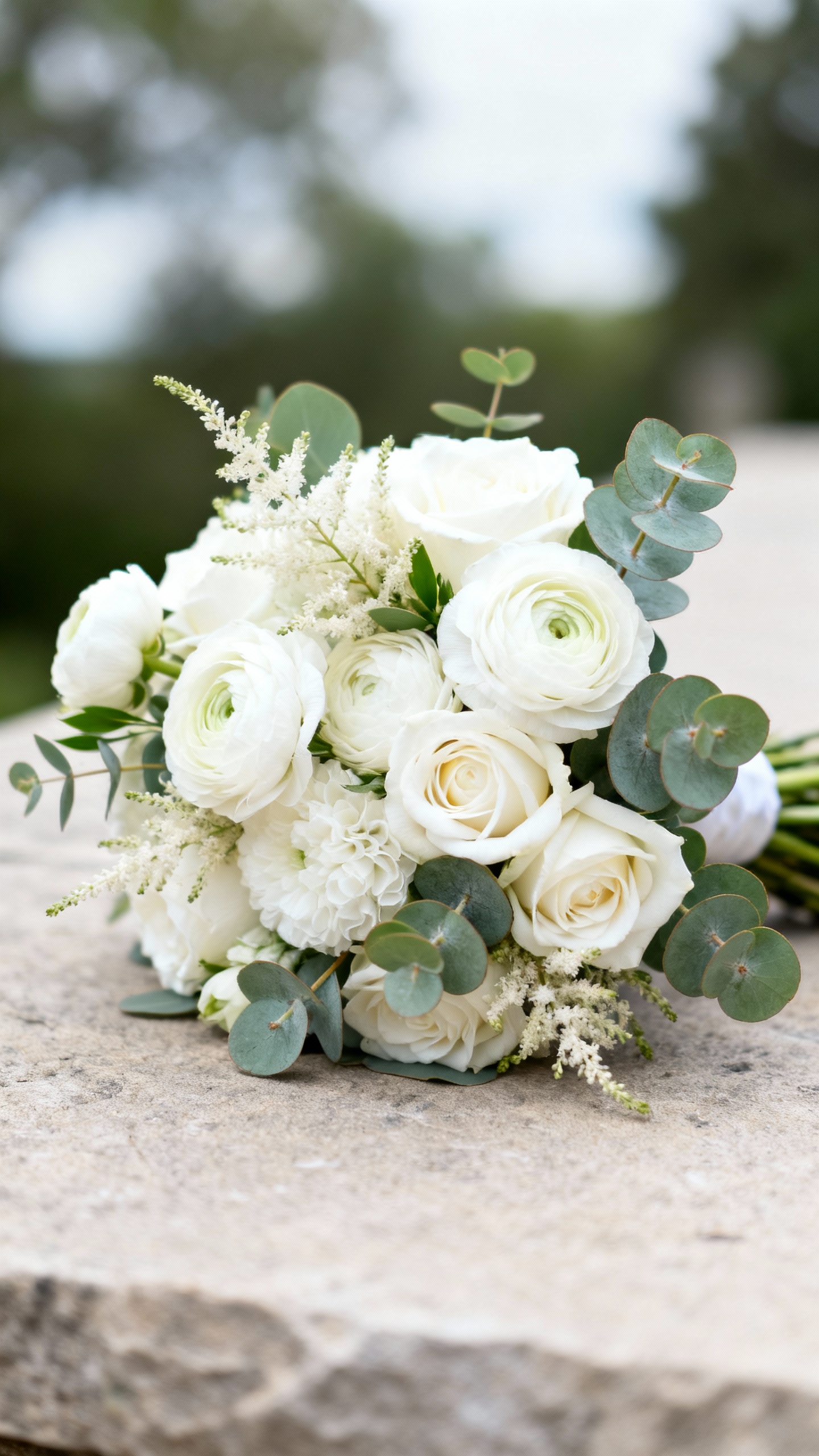
Think crisp whites with fresh greens for a clean, elevated vibe that works in any venue. Ask for white roses and ranunculus paired with eucalyptus or ruscus to keep it airy and simple. This combo photographs beautifully in bright sun and candlelight, and it’s easy to scale from tiny bud vases to a statement ceremony arrangement.
2) Blush + Ivory (Romantic Neutral)
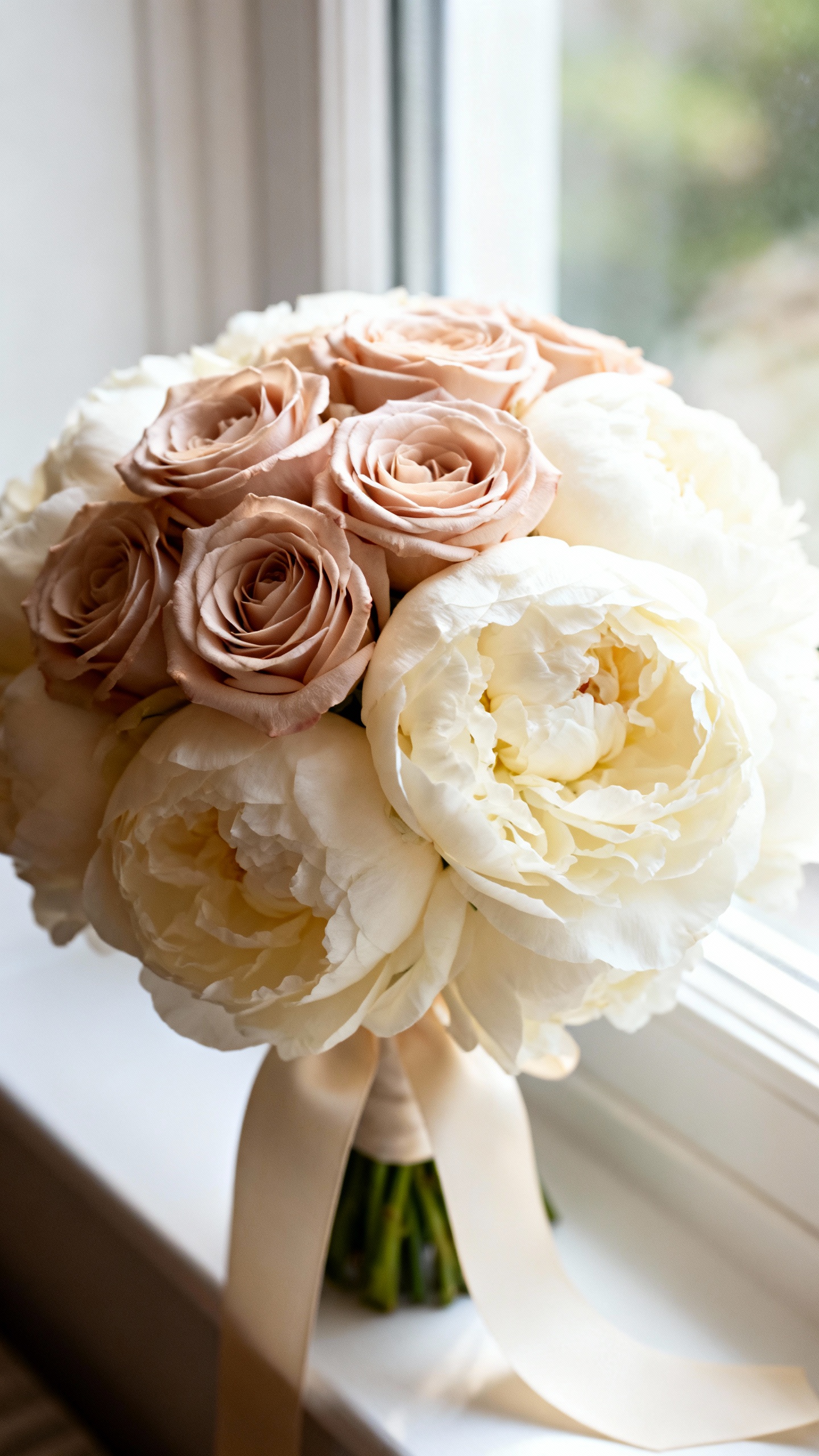
Blush and ivory is the “soft glam” of wedding palettes—sweet, polished, and never too loud. Try blush spray roses with ivory peonies (or peony-style garden roses when peonies aren’t in season) for that fluffy, luxe texture. Keep greenery minimal so the pastel tones stay the star, and repeat it in bridesmaid bouquets for a perfectly matched look.
3) Sunset Peach + Coral (Warm Modern)
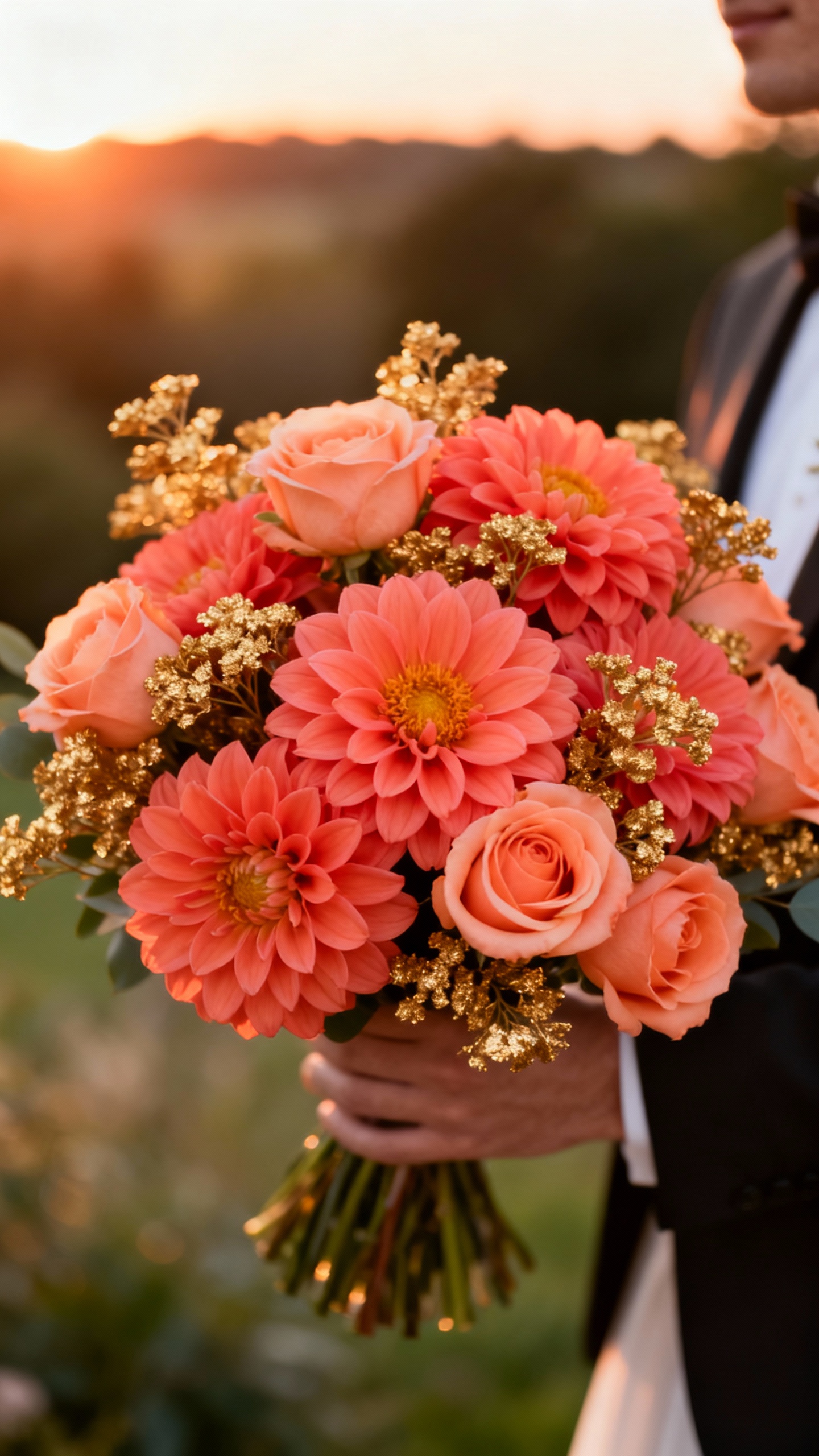
If you want warmth without going full rainbow, peach and coral is your girl. Pair coral dahlias (or zinnias in summer) with peach roses, then add a small touch of golden foliage for depth. This palette looks especially good with terracotta, champagne, or natural wood details and gives reception tables a cheerful glow.
4) Dusty Blue + White (Coastal Chic)
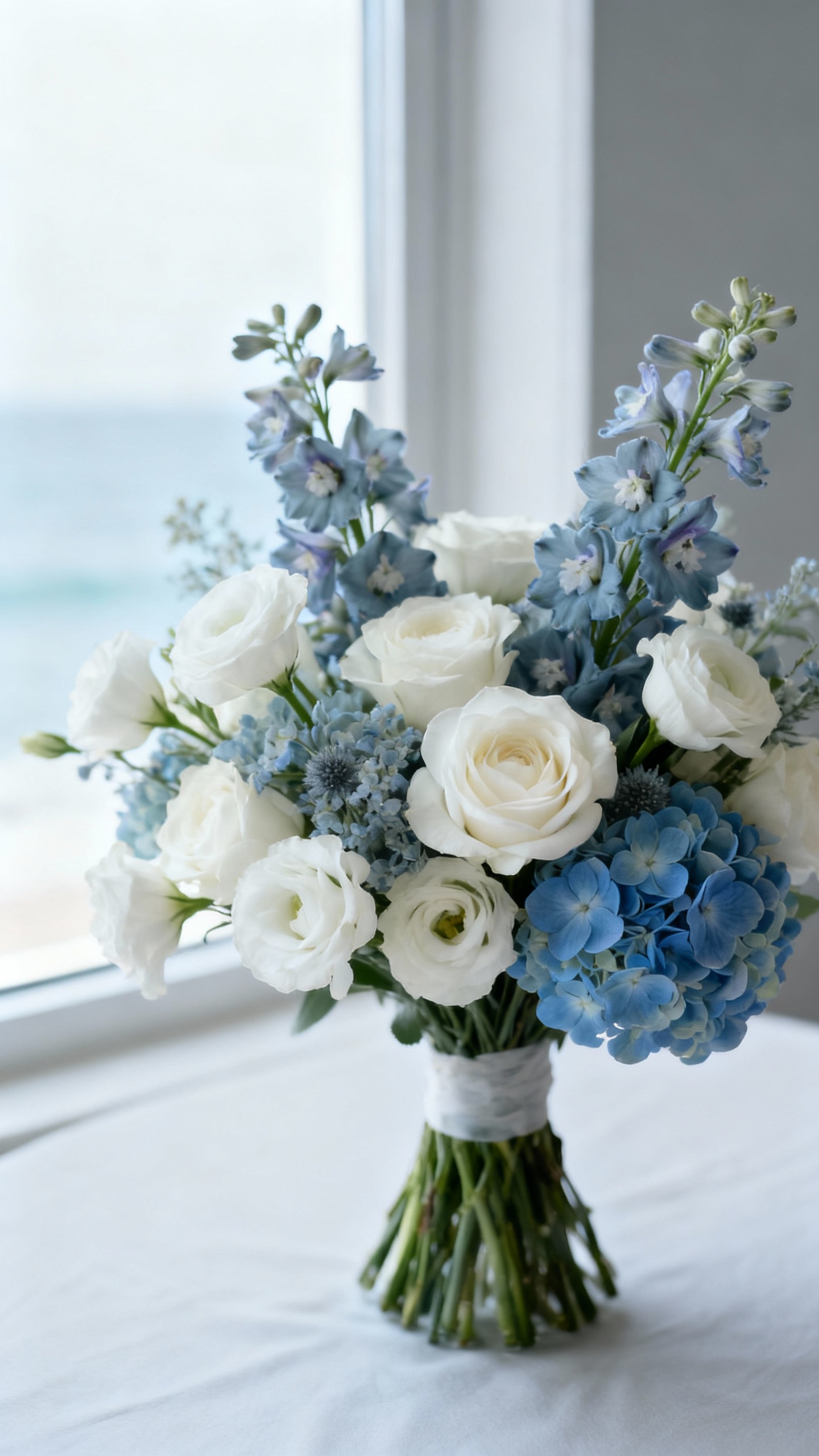
Dusty blue with white reads calm, tailored, and slightly coastal—even if you’re nowhere near the ocean. Use white roses or lisianthus with blue delphinium or dyed hydrangea for a soft pop that still feels classic. It’s a great choice for suits, tuxes, and navy bridesmaid dresses because it ties everything together without competing.
5) Burgundy + Cream (Moody Elegant)
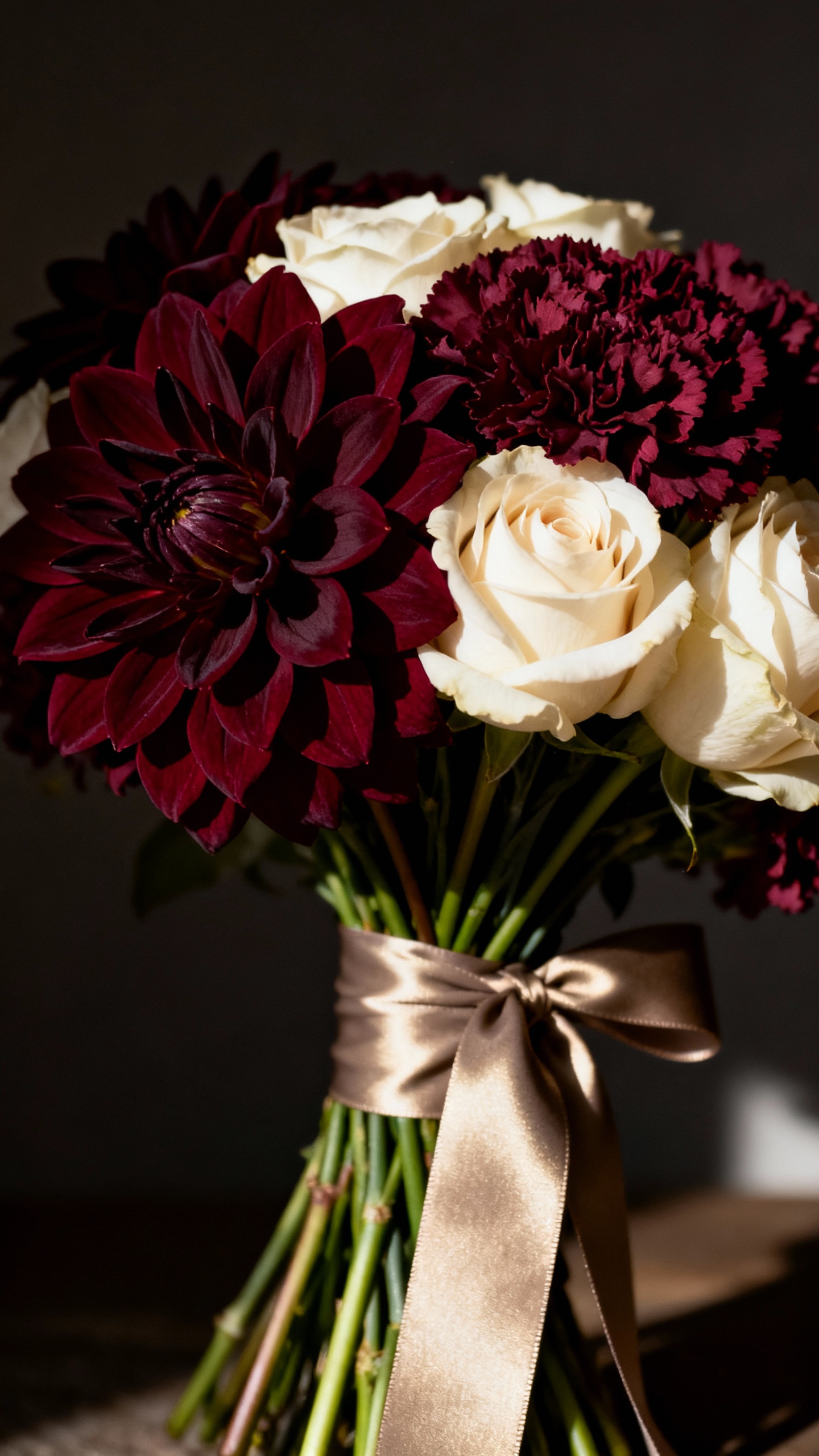
Burgundy and cream is an instant mood: rich, romantic, and perfect for fall or winter (but honestly gorgeous year-round). Ask for burgundy dahlias or carnations with cream roses for a high-impact bouquet that’s still simple to execute. Add a tiny hint of dark greenery (like seeded eucalyptus) to keep it dimensional without making it feel heavy.
FAQ
How do I keep my flower palette looking “simple” and not busy?
Limit yourself to two main flower colors plus one neutral (usually white or cream) and one greenery style. Repeating the same flowers in different sizes of arrangements (bridal bouquet, bridesmaids, centerpieces) makes everything feel intentional and cohesive. If you love lots of varieties, keep them within the same color family so the palette stays calm.
Which flowers are best for a tight budget in these palettes?
Carnations, chrysanthemums, alstroemeria, and spray roses can mimic a luxe look when grouped thoughtfully. For greenery, eucalyptus is popular but can add up—ask about ruscus, salal, or seasonal foliage as a cost-friendly swap. The biggest money-saver is choosing what’s in season locally and focusing your “wow” blooms in the bridal bouquet.
Can I use these combos for both ceremony and reception?
Yes, and it’s the easiest way to make your day look styled without extra effort. Use the same two core flowers and greenery in your arch/pillars, aisle markers, and table arrangements. Then vary the scale: bigger pieces for the ceremony, smaller repeats for cocktail tables and centerpieces.
How do I make a simple combo feel more elevated?
Prioritize shape and texture: mix one “round” bloom (like roses) with one “fluffy” or “movement” bloom (like delphinium or ranunculus) and keep stems clean. Ask your florist for a slightly looser, garden-style arrangement rather than tightly packed spheres. Also, choose one statement moment—like a fuller bridal bouquet or a sweetheart table arrangement—so everything else can stay minimal.
What’s the easiest way to communicate these palettes to my florist?
Create a small mood board with 8–12 photos max, then label your top two must-have colors and the overall vibe (classic, romantic, modern, moody). Tell them what matters most: color match, flower type, or overall feel—pick two, because nailing all three can be tricky with seasonal availability. If you’re flexible on specific blooms, your florist can keep the palette and upgrade quality while staying on budget.