
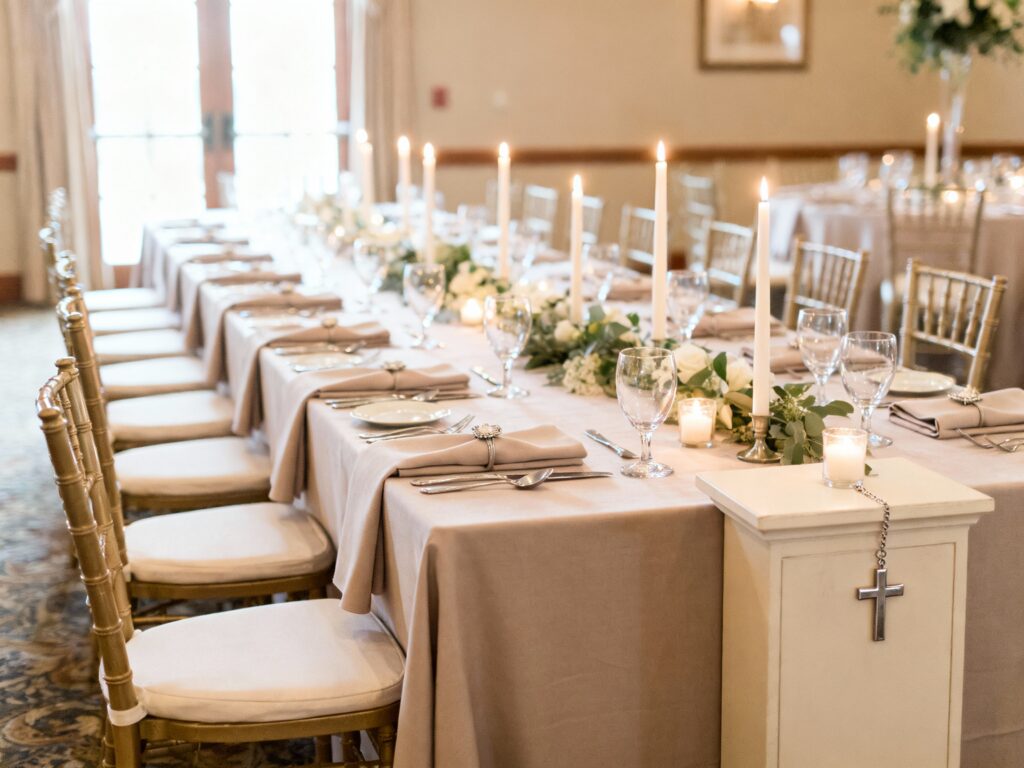
Your reception dinner is where everyone finally exhales: the ceremony glow, the happy tears, the “can you believe we’re here?” moments. If your faith is at the center of your relationship, the meal is a sweet chance to reflect that without turning it into a second service.
These ideas keep the vibe elevated, welcoming, and genuinely faith-centered—while still feeling like the modern wedding reception you’ve been planning on Pinterest.
Top 5
1) Open with a Warm, Guided Table Blessing

Kick off dinner with a short blessing that feels inclusive and easy to follow, even for guests who don’t attend church regularly. Ask your officiant, a parent, or a trusted friend to lead it, and keep it under 30 seconds so it stays intentional (not awkward). If you’re doing plated service, time it right before salads; for buffet, do it before the line opens so everyone’s on the same page.
2) Add Scripture-Inspired Menu Cards (That Look Designer)
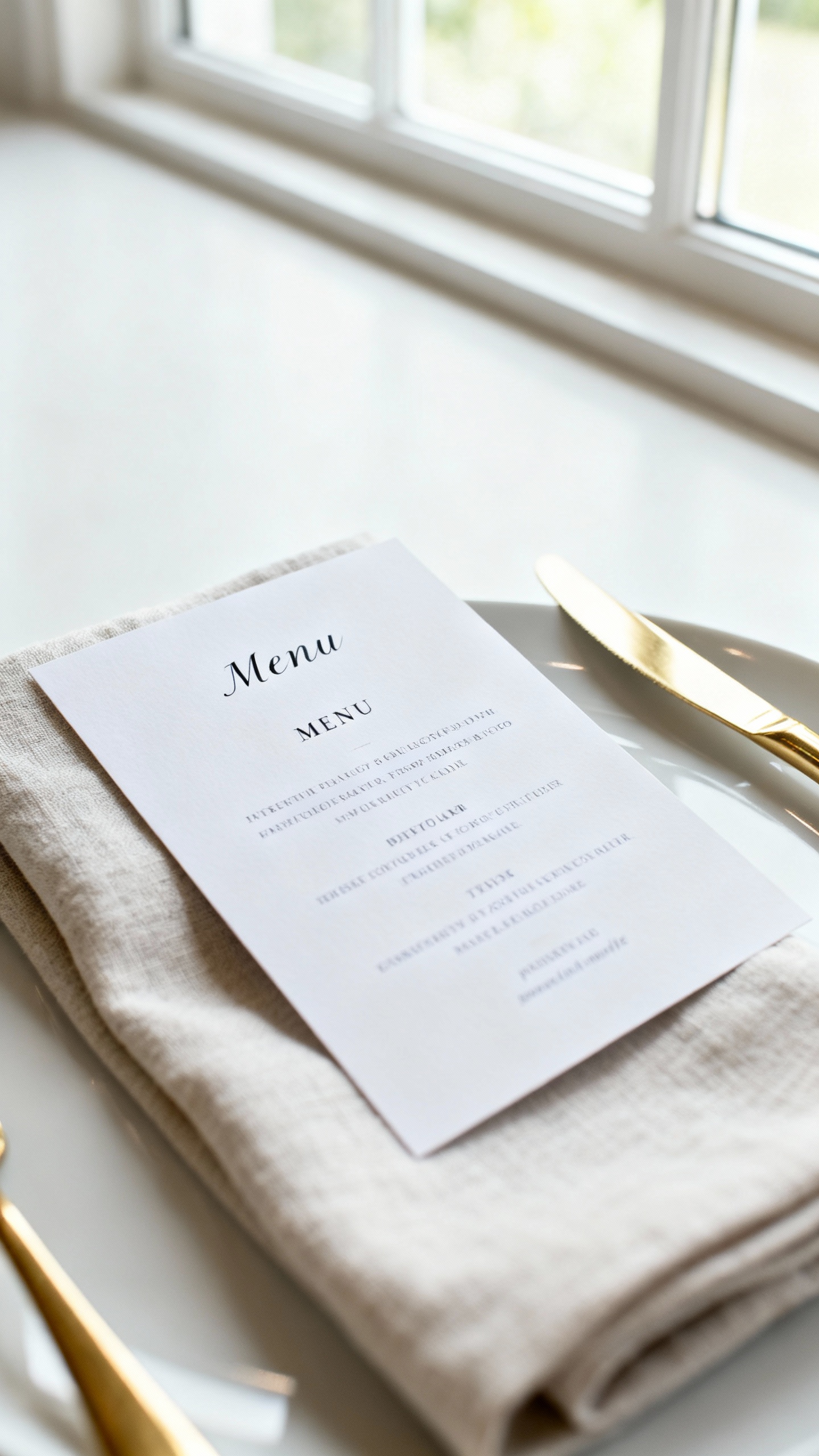
We love a subtle moment: choose one verse about love, gratitude, or hospitality and print it at the bottom of your menu card in your reception font. Keep it aesthetically clean—small type, plenty of white space, and a tasteful divider line—so it reads “elevated stationery,” not bulletin. Bonus: a short “We’re grateful you’re here” line ties the faith element to genuine hosting.
3) Choose a Signature Toast That Points Back to Your Foundation

Instead of letting toasts turn into a comedy set, gently guide your speakers with a simple prompt: “Share a wish for our marriage and a value you hope we keep at the center.” That naturally invites faith language without forcing it, and it keeps the tone tender and classy. You can also include a one-line note in your program or on a welcome sign that says, “Toasts: keep it heartfelt and faith-honoring.”
4) Create a “Gratitude + Prayer” Moment at Each Place Setting
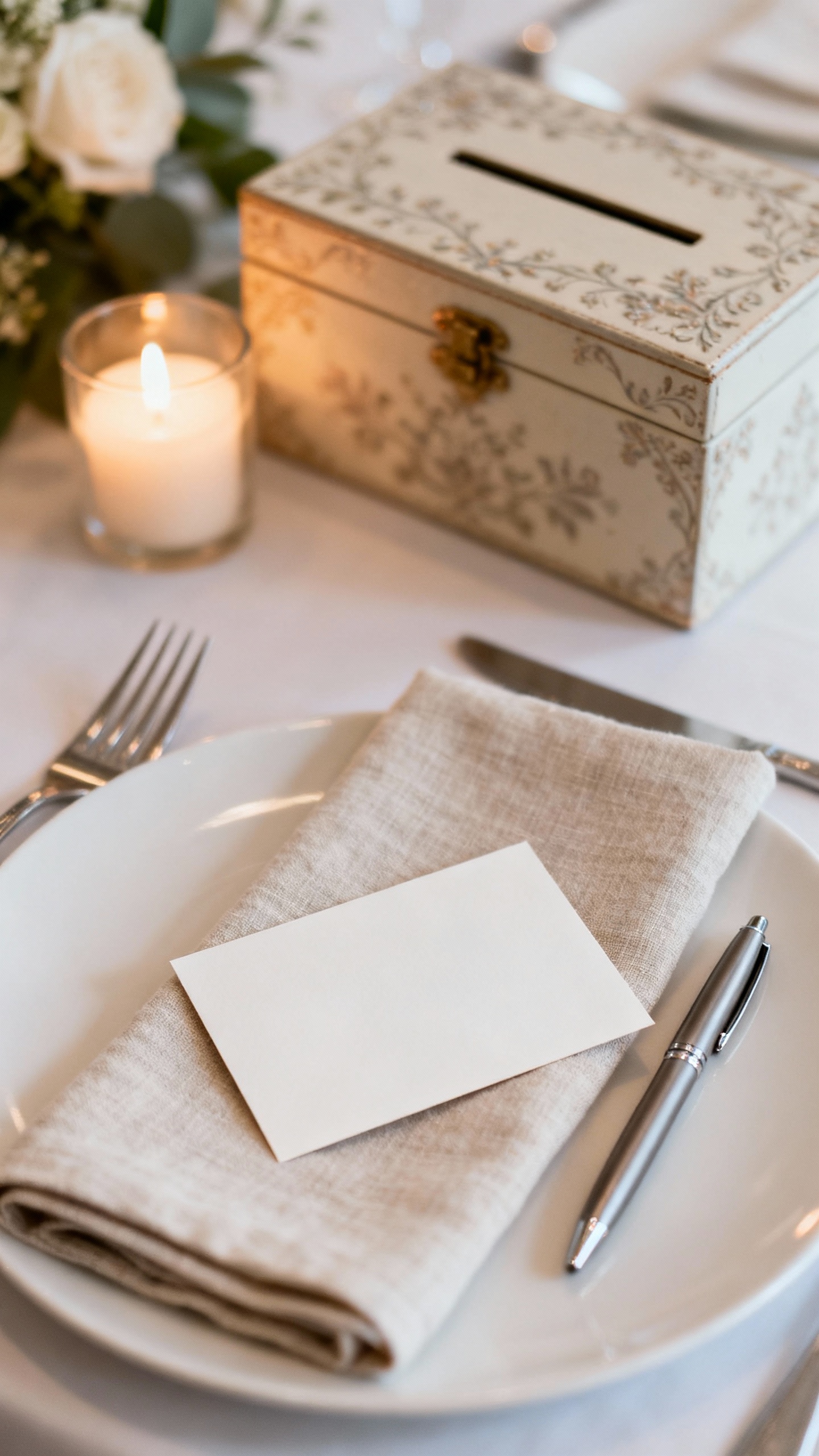
Slip a small card under the napkin that says, “Write one thing you’re grateful for today” or “Write a short prayer/blessing for the couple.” Guests can drop them into a pretty box near the head table or the guest book. It doubles as meaningful keepsakes and a faith-forward detail that still feels modern and interactive (and yes, it photographs beautifully).
5) Plan Music and Moments That Match the Room
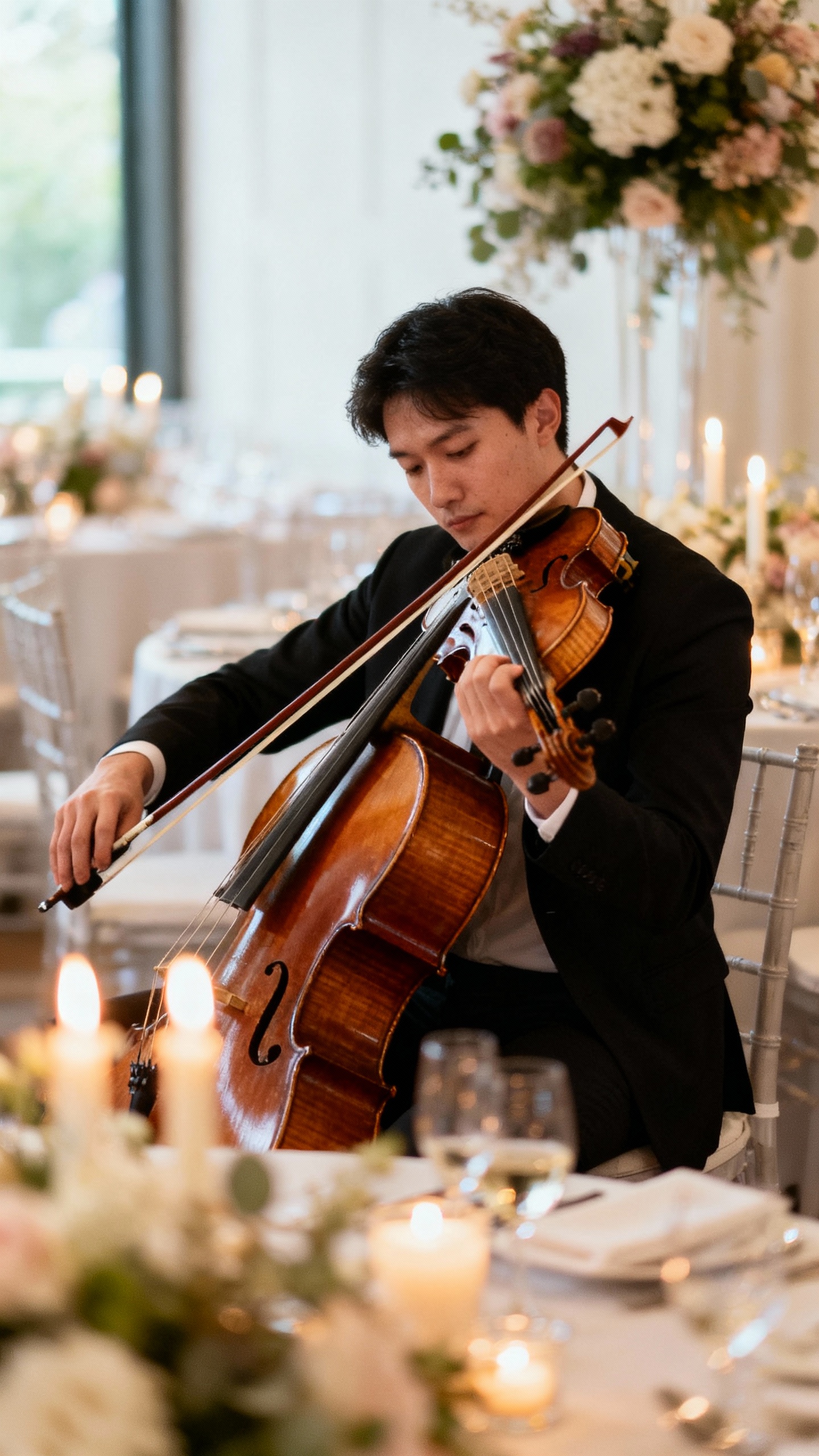
Faith-centered doesn’t have to mean only worship music on the dance floor—think intentional pacing. Use instrumental hymns or soft worship covers during cocktail hour or dinner, then switch to your regular reception playlist once dancing starts. If you want a special spiritual touch, a single song (like your first dance or parent dance) can carry the meaning without changing the whole party vibe.
FAQ
How do we keep dinner faith-centered without making guests uncomfortable?
Go for “warm and clear” rather than “long and intense.” A brief blessing, thoughtful wording on stationery, and gracious hosting cues feel inviting to everyone. Keep any explicitly religious moments short, explain what’s happening, and then move right into the celebration.
What Bible verses work well for reception menus or table details?
Popular options that read beautifully in wedding design include 1 Corinthians 13:4–7, Ecclesiastes 4:9–12, Colossians 3:14, and Ruth 1:16–17. Choose one that fits your relationship and keep it to a single line or short excerpt so it doesn’t overpower the layout.
Can we do a prayer moment if we’re having a buffet?
Yes—just do it before you invite tables to the buffet line. Have your DJ or coordinator say, “Before we start dinner, the couple would love to share a brief blessing,” then lead right into table calls. This keeps the flow smooth and prevents the awkward mid-line pause.
How do we guide toasts so they stay faith-honoring and not chaotic?
Send your speakers a quick text with two prompts and a time limit: “2 minutes max, share a favorite memory, and a wish/prayer for our marriage.” If you have a planner or DJ, ask them to gently enforce timing. The result is heartfelt, cohesive, and still fun.
What are some faith-centered table décor ideas that still feel modern?
Try minimalist menu cards with a verse in small type, a monochrome “gratitude and prayer” card, or a simple cross motif embossed into napkins or wax seals. Keep the palette consistent with your florals and linens, and let one meaningful detail shine instead of adding lots of symbols everywhere.