
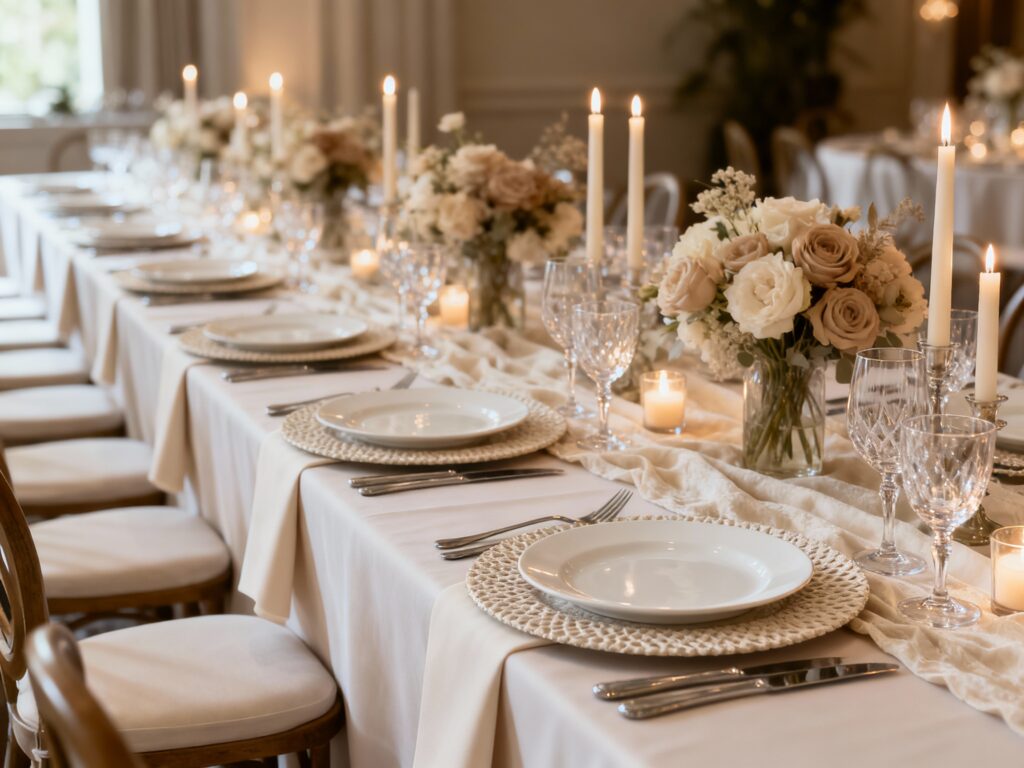
Luxurious doesn’t have to mean over-the-top or out-of-budget. It’s more about creating an experience that feels intentional, elevated, and guest-focused from the first sip to the last bite.
If you want your reception meal to feel like a chic night out (but with your favorite people and your love story at the center), these five upgrades deliver the biggest “wow” per detail.
Top 5
1) Upgrade the Tabletop with Real Texture
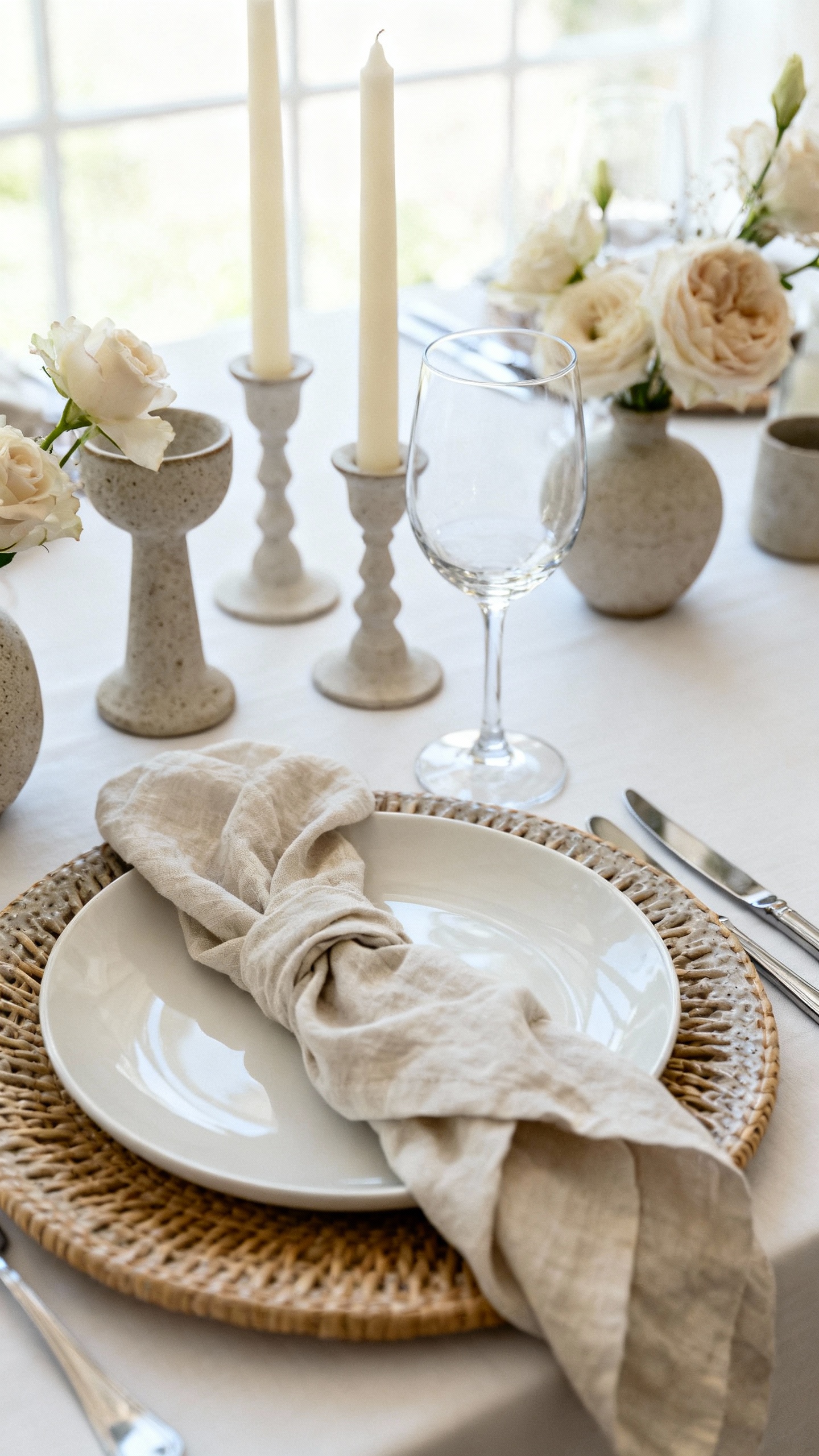
Luxury is in the layers: linen napkins (not paper), textured chargers, and real glassware instantly change the vibe. Even simple white plates feel high-end when paired with a runner, tapered candles, and a cohesive color palette. Ask your rental company for “specialty” options and pick just one or two statement pieces to keep it cost-smart.
2) Design a Menu That Reads Like a Restaurant
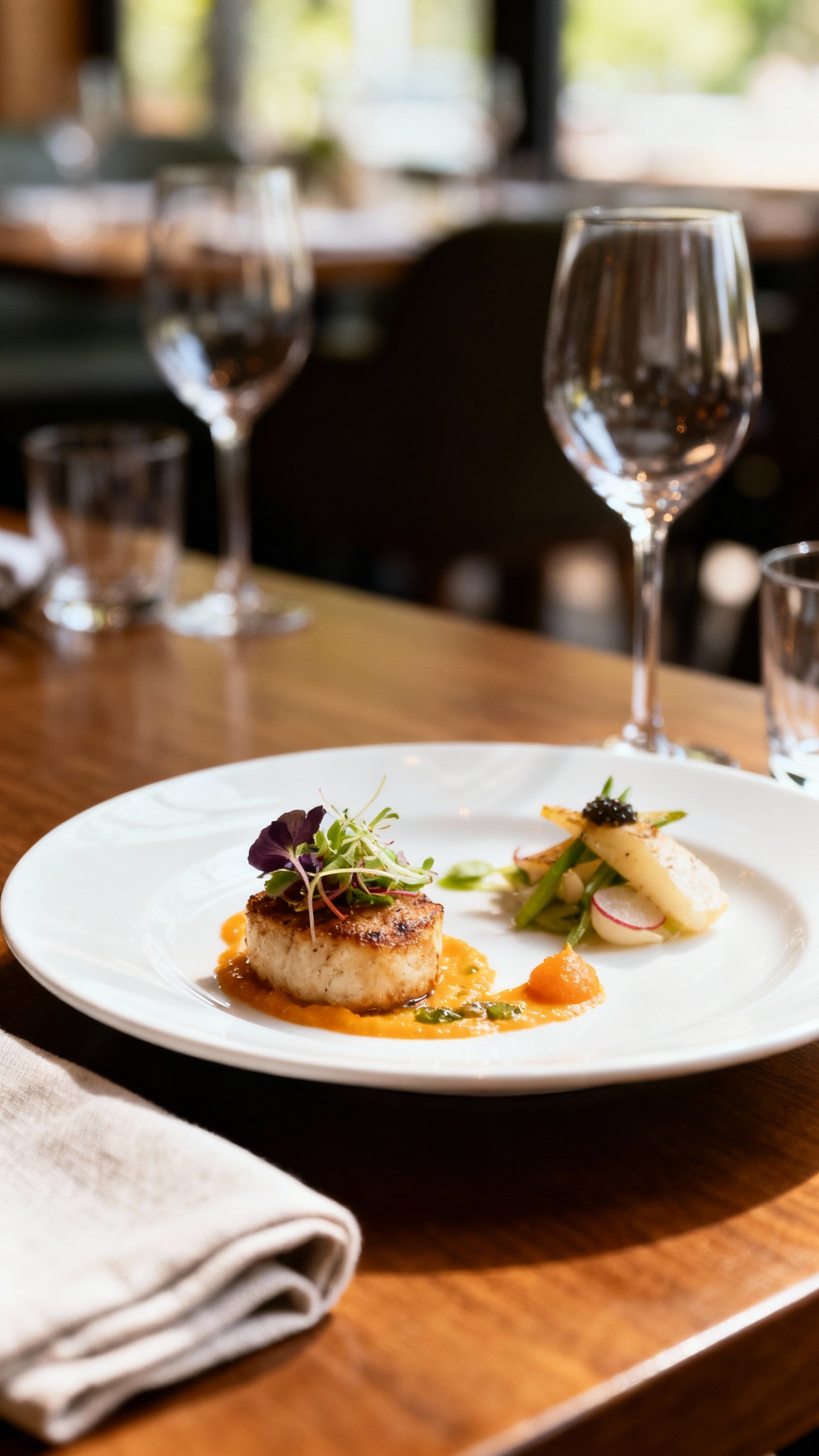
A luxurious meal feels curated, not random. Work with your caterer to create a balanced menu with a clear point of view (coastal, garden-inspired, modern steakhouse, seasonal comfort). Add printed menus at each place setting or one per couple—guests love knowing what’s coming, and it instantly feels more formal and elevated.
3) Choose Service Style Strategically (Plated, Family-Style, or Elevated Stations)
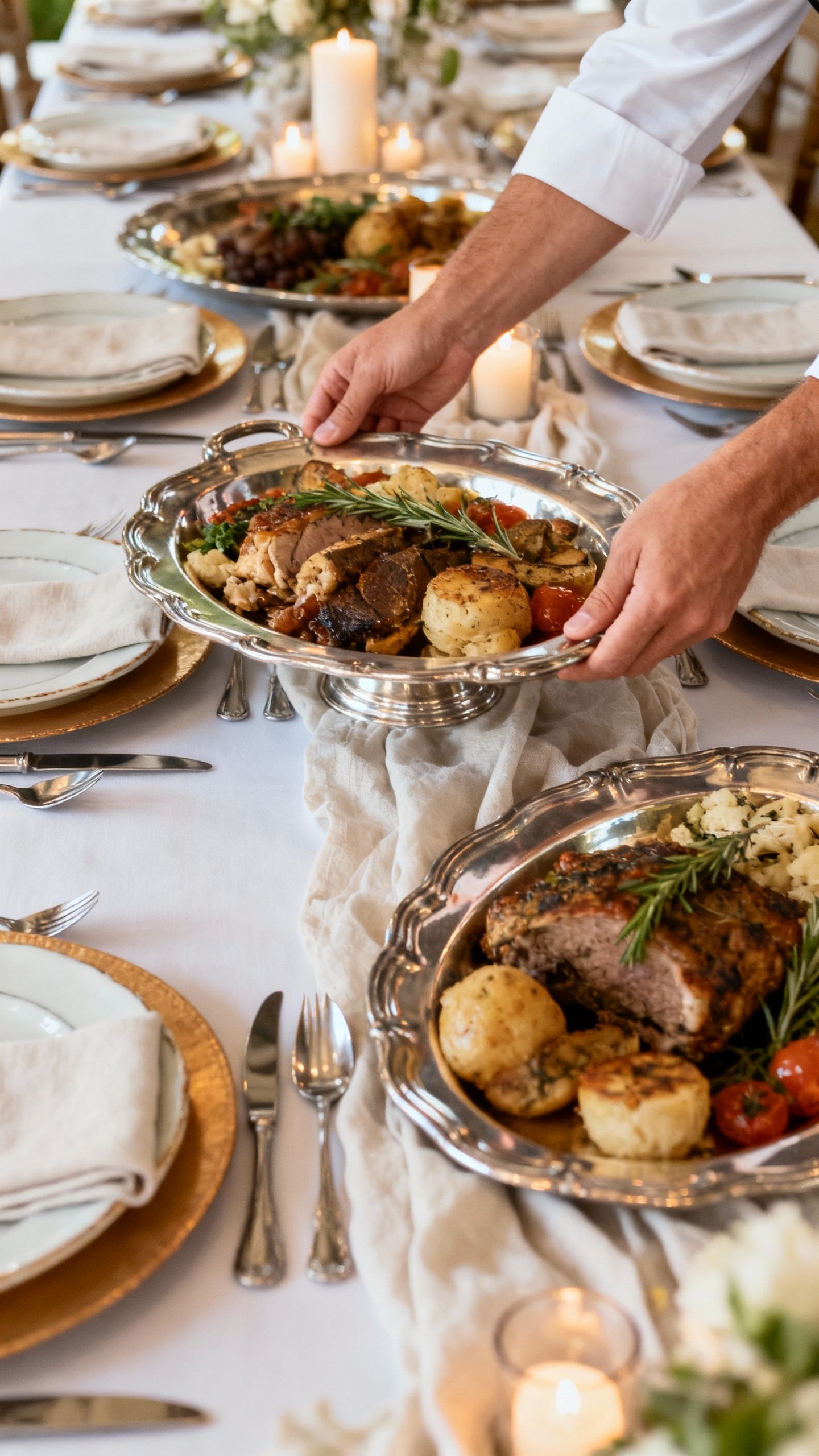
Plated dinners often feel the most “black-tie,” but family-style can feel equally luxe when the serving pieces are gorgeous and portions are generous. If you love stations, make them feel intentional: fewer stations with strong styling beats a buffet line every time. Think chef-attended carving, fresh pasta finished in a wheel, or a sushi station with minimalist signage.
4) Create a Signature Drink Moment (and Make It Look Expensive)
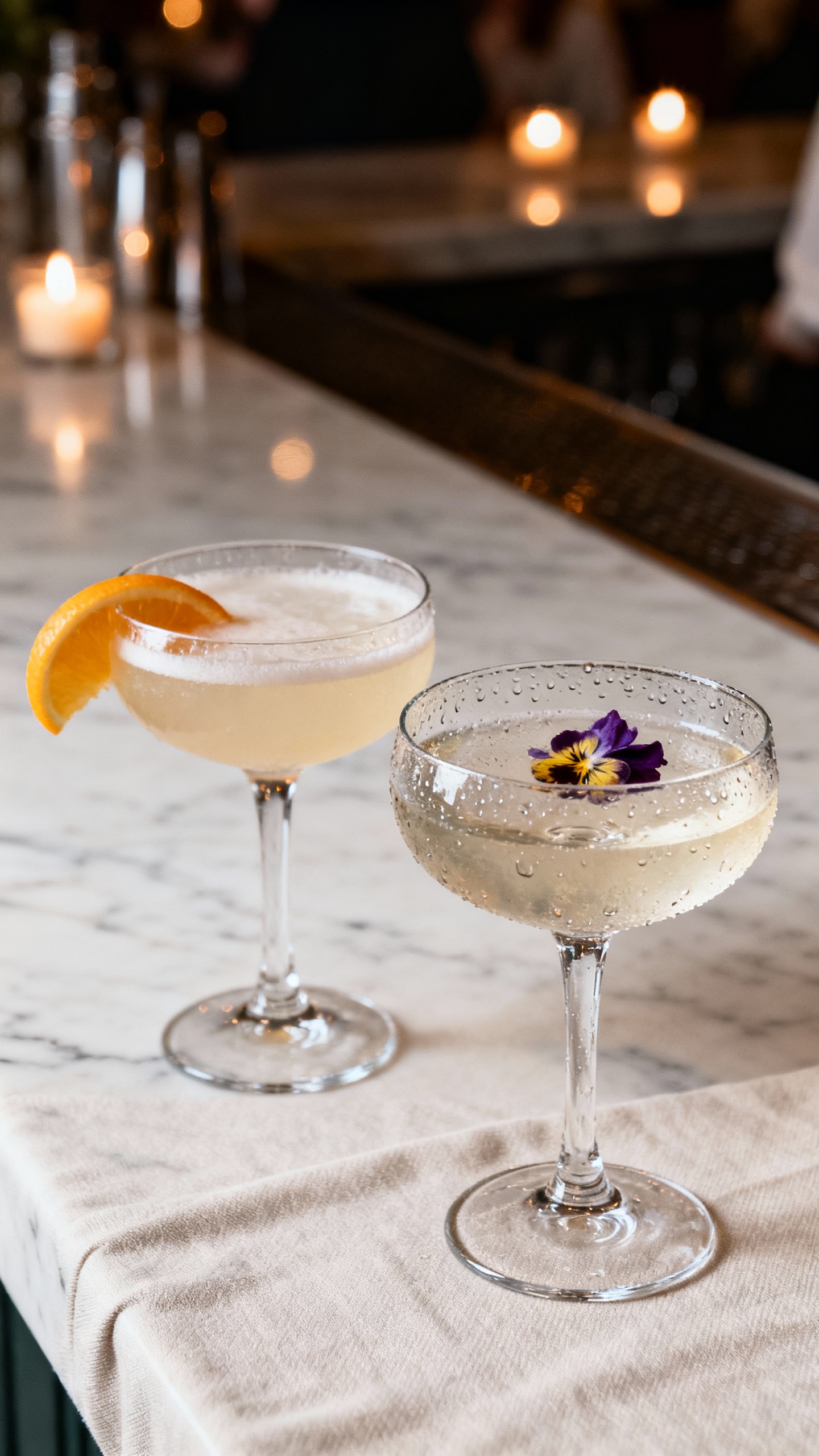
Guests remember what they sip, especially during cocktail hour and dinner. A signature cocktail (or two) with a pretty garnish—like a citrus twist, edible flower, or custom cocktail pick—adds a “hotel bar” feel without adding a full open-bar upgrade. Put the drinks on a beautiful sign and consider coupe glasses for one featured cocktail to make photos look instantly elevated.
5) Add a Warm, Soft Lighting Plan Around Dining
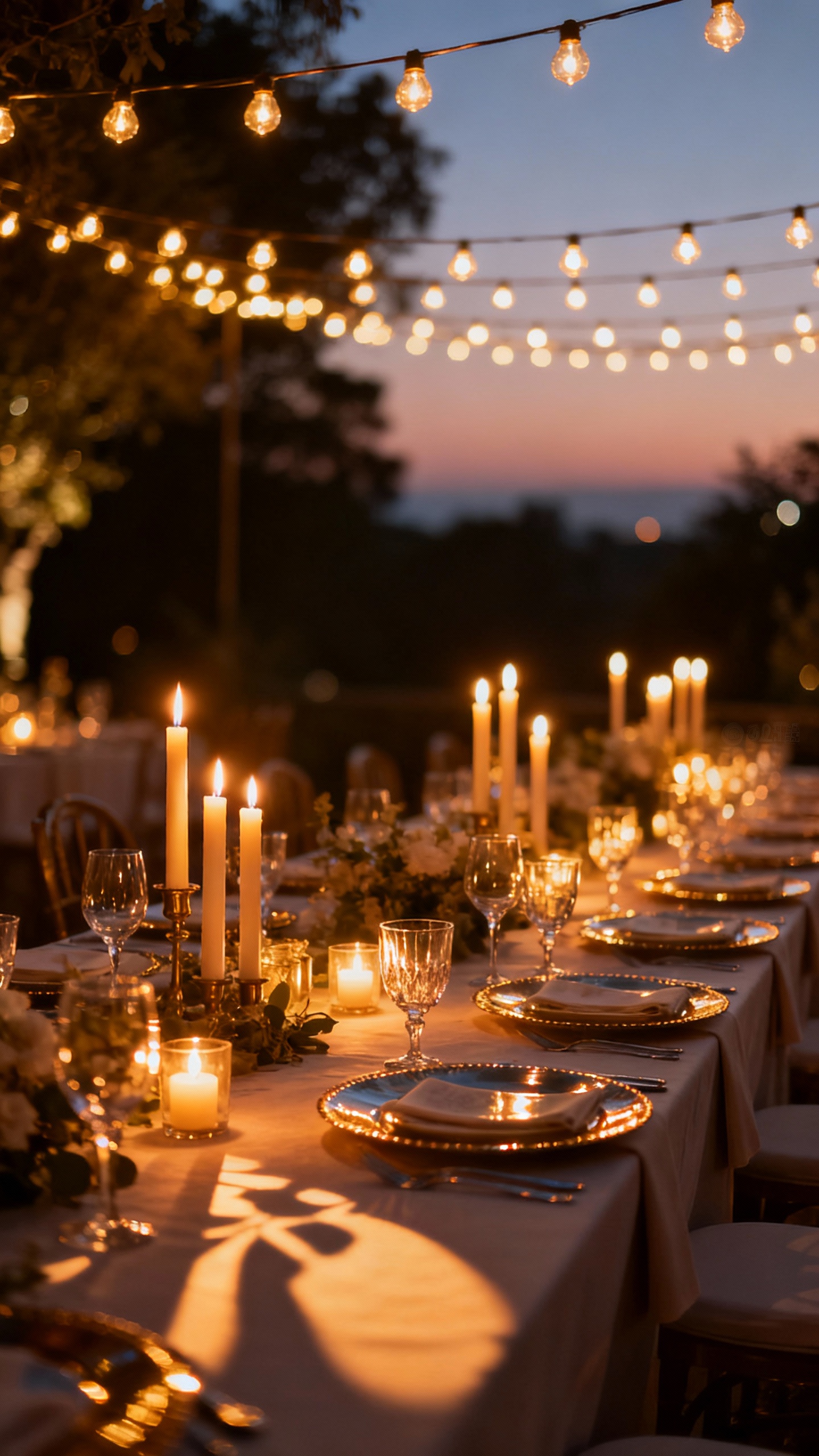
Lighting is the fastest way to make dinner feel like a luxury experience, because it changes how everything looks (and how people feel). Focus on warm tones: taper candles, votives, bistro lights, or chandeliers over tables if your venue allows. If you’re using uplighting, ask for amber or soft champagne instead of bright colors so your florals, food, and faces look amazing all night.
FAQ
What’s the most budget-friendly way to make reception dining feel luxurious?
Start with linens and lighting. Upgrading to real linen napkins and adding lots of warm candlelight can transform the whole room without changing your menu. Guests read “luxury” through atmosphere and presentation as much as through ingredients.
Is plated dinner always more luxurious than buffet?
Plated often feels more formal, but buffet can still feel elevated with the right styling and flow. If you’re doing buffet, focus on beautiful serving piecesमेल: use matching platters, clear labels, and have staff assist so it feels smooth and intentional. A chef-attended station is a great middle ground.
How do I make a family-style dinner look elegant, not messy?
Choose a tighter menu with dishes that hold up well and look great in serving bowls (think roasted seasonal veggies, proteins with clean sauces, and composed salads). Ask your caterer about coordinated serving pieces and have enough staff to refresh dishes quickly. Also, leave a little extra table space so it feels airy, not crowded.
Should we do printed menus, and how many do we need?
Printed menus are a small detail that reads very upscale in photos and in person. You can do one per guest for a classic look, or one per couple to save money while still getting the effect. Keep the design minimal and match the typography to your invitations for a cohesive feel.
What lighting looks best for dinner photos at the reception?
Warm, soft lighting is the goal: lots of candles, amber uplighting, and dimmed overheads when possible. Avoid bright white LEDs or intense colored uplights near faces and food. If you’re unsure, ask your planner or lighting vendor to do a quick test during setup so the room feels glowy, not harsh.