
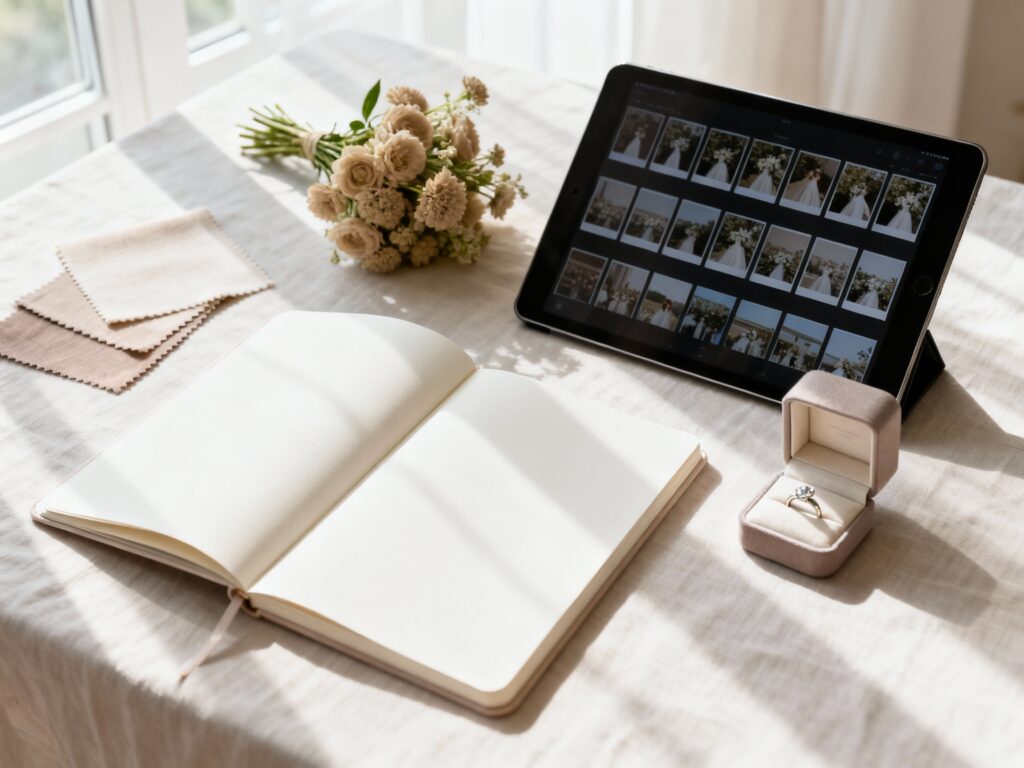
Planning your future wedding plans can feel like you need a full spreadsheet just to start. But you don’t need to have a ring, a date, or a venue tour scheduled to begin getting organized.
Think of this as the fun “pre-planning” era: gathering inspo, making a few key decisions, and setting yourself up so future-you feels calm (and a little smug) when it’s go time.
Top 5
1) Build a Clear Wedding Vision (Without Overthinking It)

Start by choosing 3–5 words that describe the vibe you want (like “garden, timeless, candlelit, romantic”). Save inspiration that matches those words, not just random pretty pictures. This helps you avoid a scattered look and makes every decision later—florals, lighting, linens—way easier.
2) Decide Your Non-Negotiables (And Your “Nice-to-Haves”)
Make a short list of what matters most to you as a couple: maybe it’s amazing food, live music, or a ceremony with a mountain view. Then pick a few “nice-to-haves” you’ll only do if the budget allows. This keeps you from spending big on details you don’t actually care about and protects your aesthetic from getting diluted.
3) Start a Realistic Budget Range + Guest Count Estimate
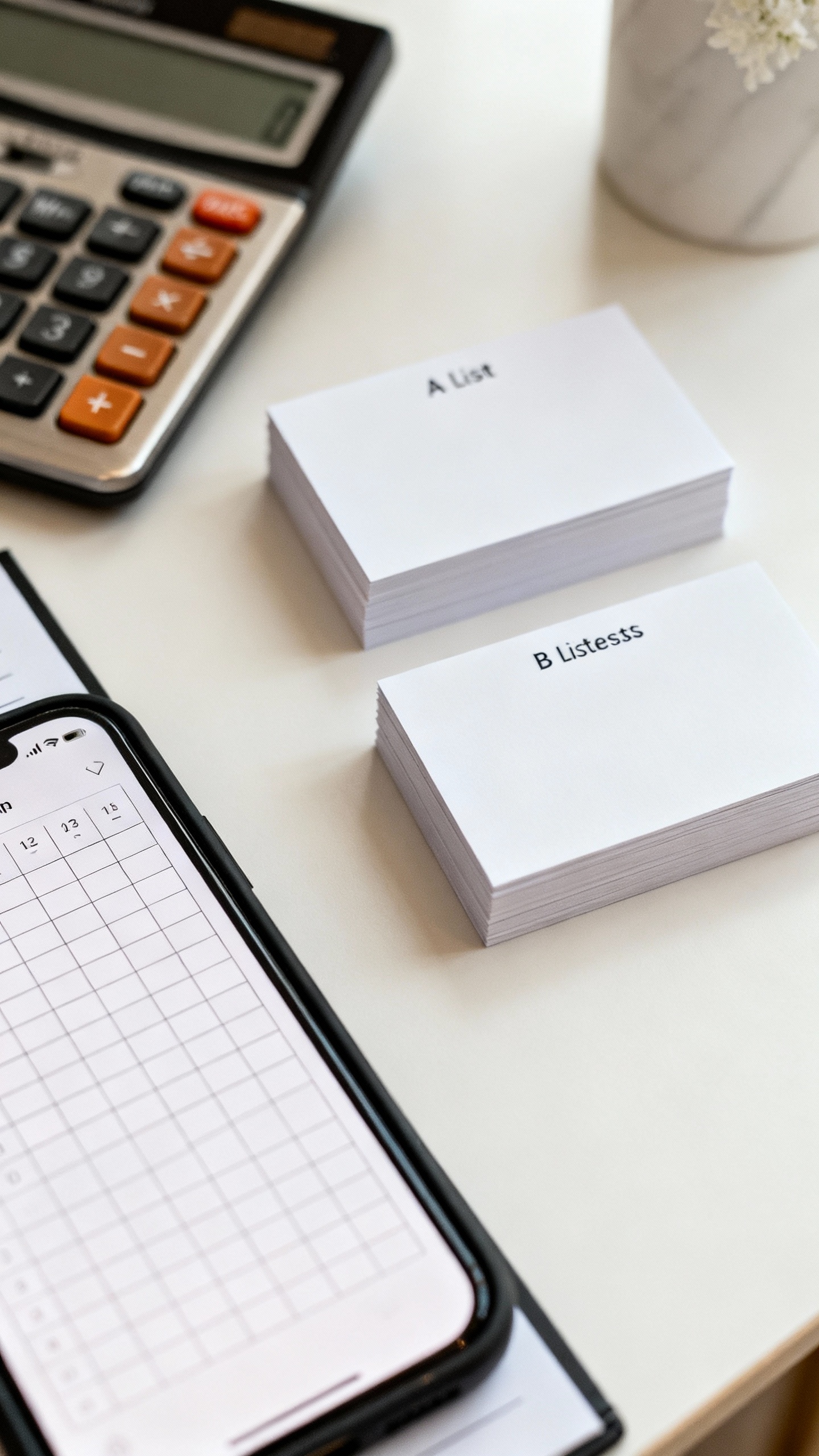
Your wedding style and your guest count are basically best friends—one affects the other instantly. Even if you don’t have final numbers, do a quick “A list/B list” estimate and decide a comfortable budget range. Once you know if you’re hosting 60 or 160, your venue type, tablescape vibe, and overall look become much more realistic to plan.
4) Make a Pinterest-First Mood Board That Vendors Can Actually Use
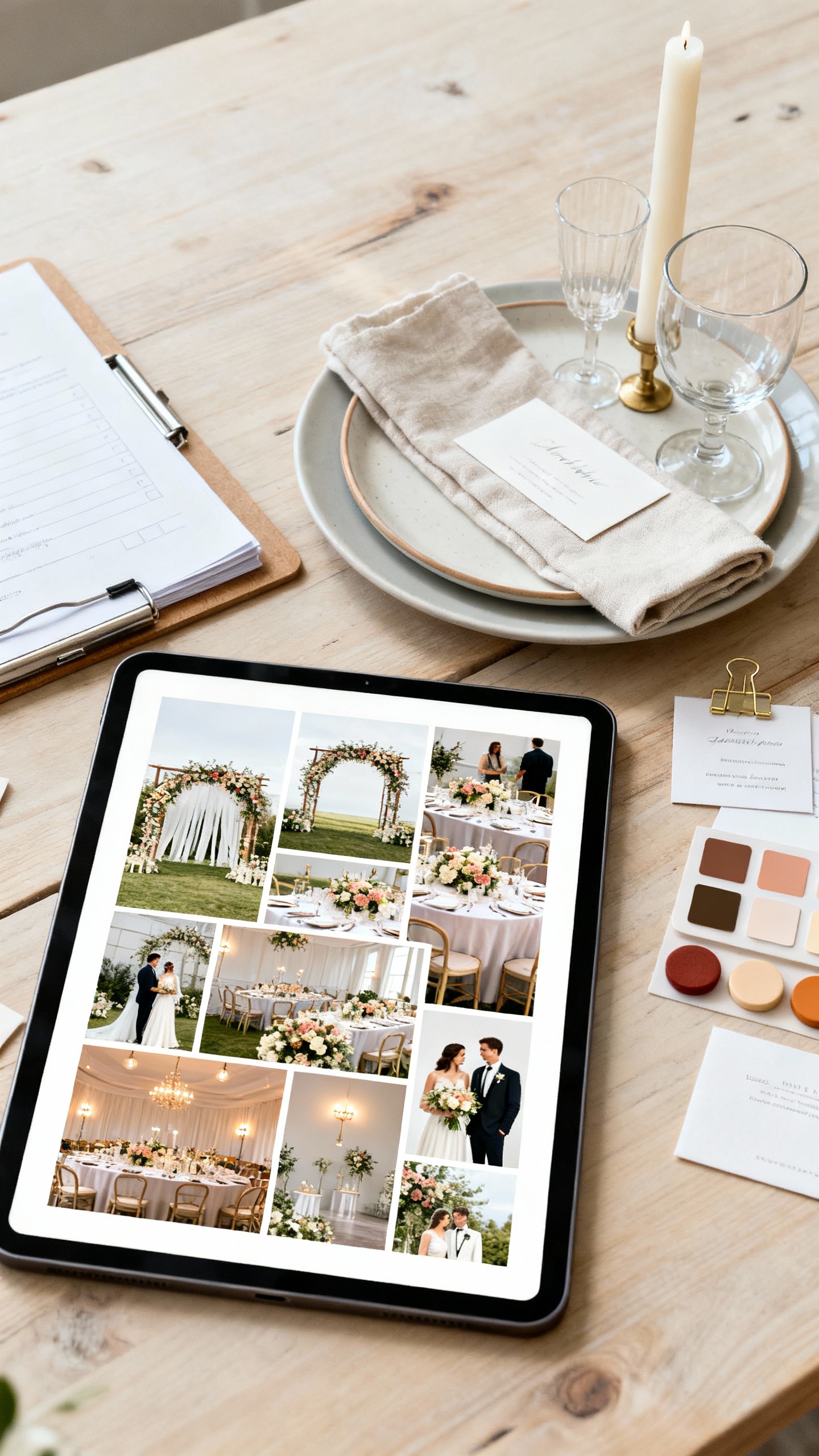
Create one main board (not 17) and organize it into sections: ceremony, reception, florals, attire, color palette, and lighting. Save images that show the full scene—like the whole tablescape—not just one close-up of a napkin fold. When you eventually share it with a planner or florist, they’ll understand your wedding aesthetic immediately (and you’ll get better quotes).
5) Start a Vendor Shortlist + Venue “Vibe Check” Notes

Even early on, it’s smart to save names of venues and vendors that match your style—especially photographers, planners, and florists. Keep simple notes like: “light and airy,” “editorial,” “moody candlelight,” or “fun color.” When you’re ready to inquire, you’ll already know who fits your vision, and you won’t waste time emailing people who aren’t aligned.
FAQ
How early is too early to start planning a wedding?
It’s not too early if you’re focusing on vision, budget ranges, and inspiration—not locking in deposits. Many couples start “soft planning” a year or more before engagement or before choosing a date, especially if they love being organized. Just keep it flexible and fun until timing is official.
How do I choose a wedding aesthetic if I like multiple styles?
Pick one “main character” style and one supporting style. For example: “modern minimalist” with “romantic garden” accents, or “classic black-tie” with “soft coastal” tones. Keeping the palette consistent (even across different vibes) is the easiest way to make everything feel cohesive.
What should I pin on Pinterest to make planning easier later?
Pin full setups: ceremony arches in context, reception rooms with lighting, full table designs, bouquet shapes next to dress silhouettes, and color palettes with texture. Prioritize pins that show scale and materials (linen, glassware, candles) over super-zoomed detail shots. Your future vendor team will thank you.
Do I need to pick colors before choosing a venue?
Not necessarily, but having a general direction helps. Venues come with their own built-in palette (walls, flooring, greenery, lighting), and your colors should complement it. A safe approach is choosing a “neutral base” you love (ivory, taupe, black, soft gray) and adding an accent color after you see the space.
How do I make my wedding look expensive on a realistic budget?
Focus on a few high-impact design choices: great lighting (candles or warm string lights), intentional linens, and cohesive florals in fewer areas instead of everywhere. Keep signage and stationery consistent, and simplify the palette for a polished look. A tight, thoughtful aesthetic almost always reads more luxe than lots of mismatched details.