

Wedding insurance is one of those “adulting” wedding tasks that isn’t cute, but it can save your budget (and your sanity) fast. The goal is simple: protect your day from expensive surprises without paying for coverage you don’t actually need.
Before you click “buy,” ask these five questions so you know exactly what you’re getting—and what you’re not.
Top 5
1) What exactly is covered (and what’s excluded)?

Ask for a clear list of covered events like vendor no-shows, extreme weather, illness/injury, and property damage at the venue. Then read the exclusions like a bridesmaid reads the group chat: slowly and carefully. Some policies won’t cover certain weather situations unless it’s “severe” by their definition, or they may exclude pre-existing conditions. If you’re planning anything non-traditional (backyard, destination, private estate), make sure it still qualifies.
2) Do I need cancellation/postponement, liability, or both?
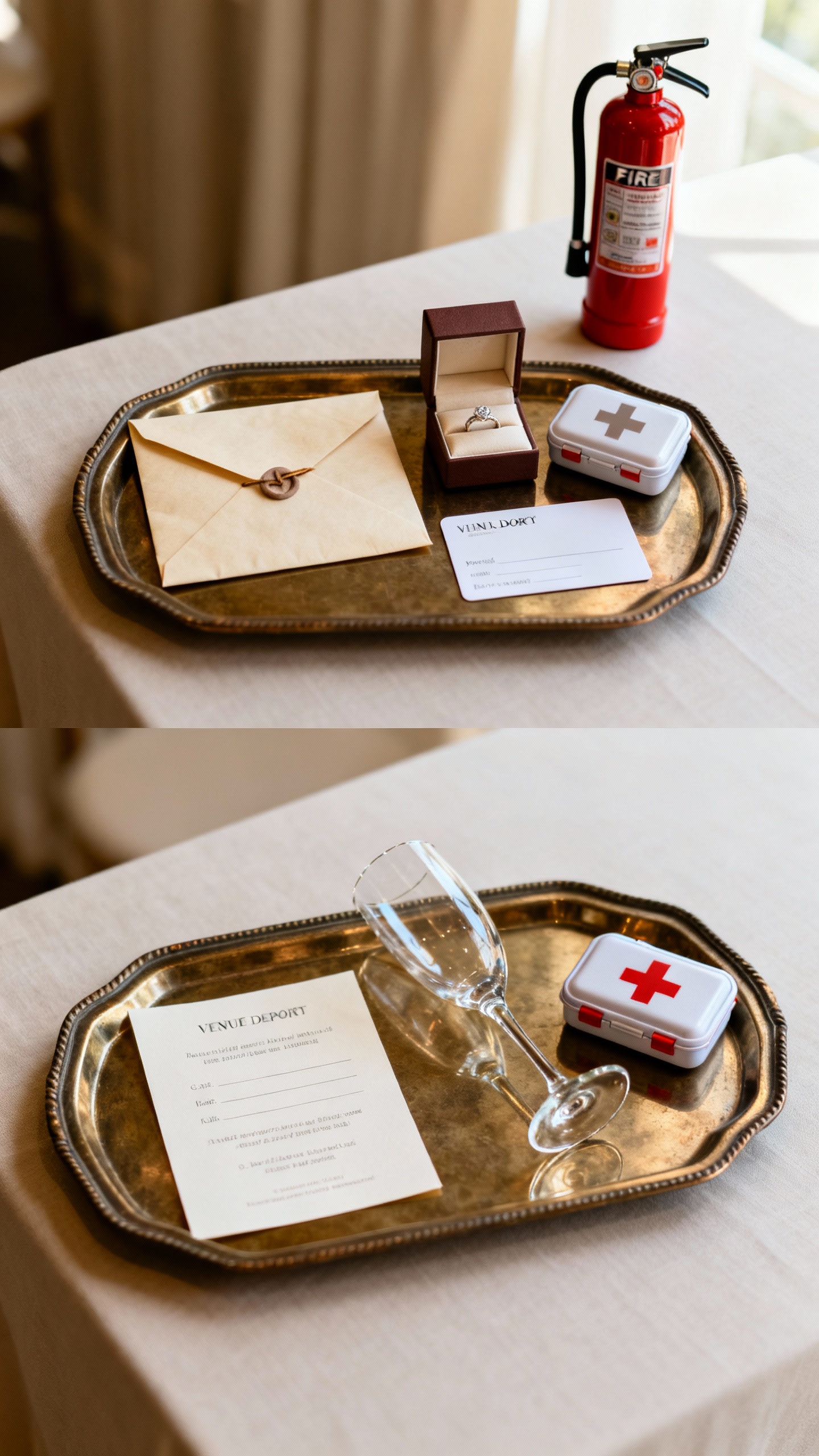
Most wedding insurance is really two buckets: cancellation/postponement and liability. Cancellation/postponement helps if you have to move or cancel the date and you lose deposits; liability helps if someone gets hurt or property gets damaged. Many venues require liability coverage (sometimes with a specific limit), especially if you’re serving alcohol. If your wedding vibe includes a packed dance floor, candle-heavy tablescapes, or a historic venue, liability is not the place to be casual.
3) How does alcohol coverage work (and is it included)?

If alcohol is involved—champagne tower, open bar, signature cocktails—ask about “host liquor liability” and whether it’s included or an add-on. Some policies only cover alcohol-related incidents if you’re using a licensed bartender, or if alcohol is served in a controlled way (no self-serve coolers). This matters for aesthetics, too: that cute “help yourself” drink station might need to be staffed to keep you compliant. Confirm the rules before you design the bar moment.
4) What are the coverage limits, deductibles, and reimbursement rules?

Get specific numbers: the max payout for cancellation, the liability limit (often $1M or $2M), and any deductible you pay before reimbursement kicks in. Also ask how they calculate reimbursement—do they cover deposits only, or additional rebooking costs too? If your look includes high-end florals, custom rentals, or a live band, make sure the limits match your actual spend. A low premium is cute until you realize it only protects a fraction of your budget.
5) What documentation will you need if you file a claim?
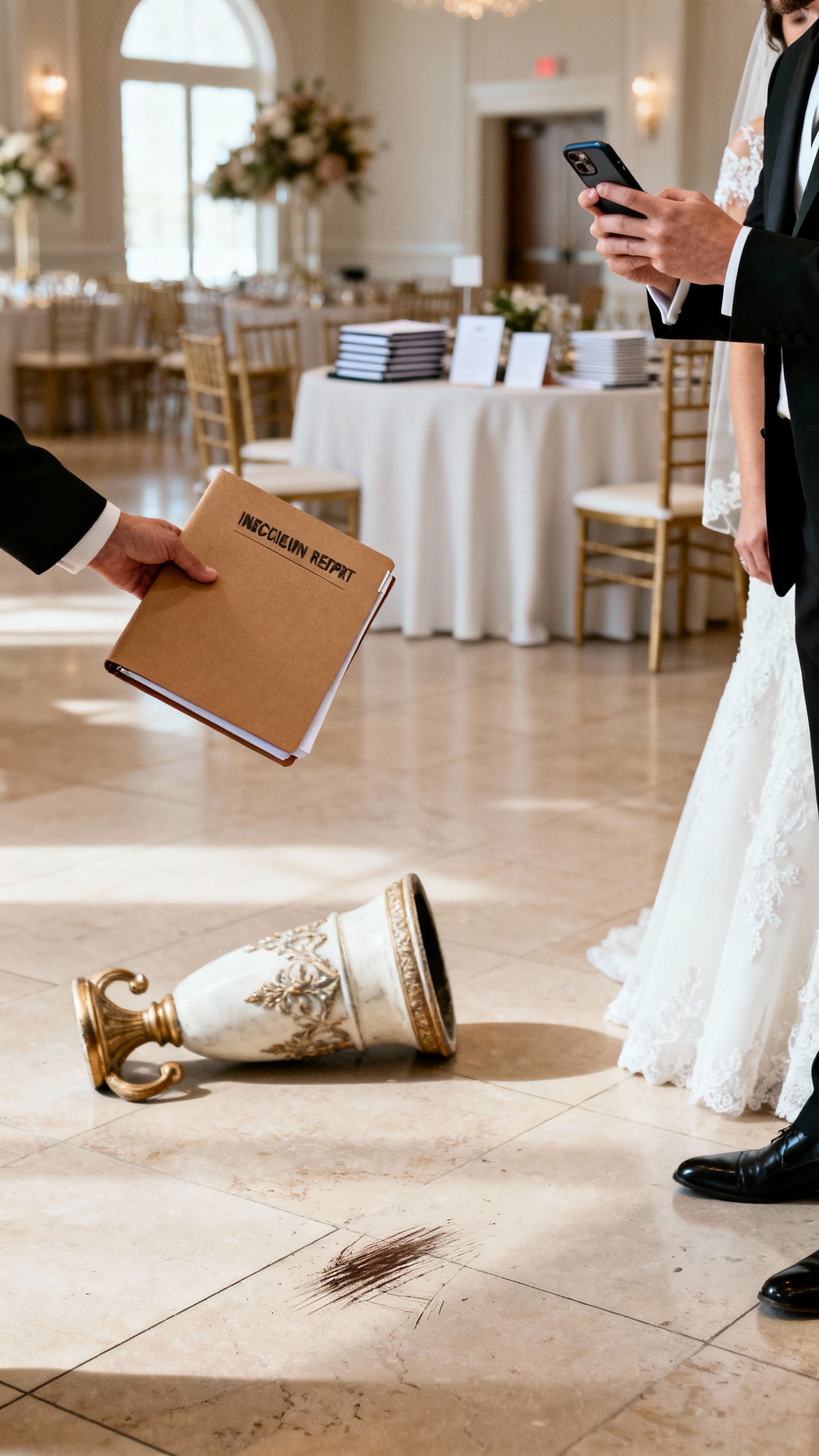
Claims are all about paperwork, so ask now what they’ll require: contracts, receipts, proof of payment, vendor cancellation emails, weather reports, photos, and incident reports from the venue. Find out the timeline for filing and how long payouts typically take. Pro tip: keep a “wedding docs” folder with vendor contracts and design invoices (florals, rentals, stationery) so you’re not digging through texts mid-honeymoon. The easier your documentation, the smoother your claim process.
FAQ
When should we buy wedding insurance?
Ideally, buy it soon after you start putting down deposits, because coverage often applies only to issues that happen after the policy is purchased. If you’re booking a popular venue and vendors early, insuring early helps protect those nonrefundable payments. Just make sure the effective date matches your event timeline.
Does wedding insurance cover our dress, rings, and personal items?
Some policies offer optional coverage for attire, gifts, and personal property, but it’s not always automatic. If your gown is designer, your veil is custom, or you’re bringing heirloom jewelry, ask about item limits and whether you need separate jewelry insurance. For a detail-heavy wedding, it’s worth confirming what’s protected while items are on-site, in transit, or in a getting-ready suite.
Will wedding insurance cover bad weather for an outdoor wedding?
Sometimes, but the definition of “bad weather” matters. Many policies cover cancellation only for severe or unsafe conditions, not just “it rained and the photos weren’t the vibe.” If you’re planning an outdoor ceremony, ask what triggers coverage and whether postponement is covered. Also, a solid rain plan (tenting, backup indoor space) can reduce your risk and your stress.
Do venues require us to list them as “additional insured”?
Many do, especially for liability coverage. This means your policy extends protection to the venue if they’re named in a claim tied to your event. Ask your venue for the exact wording and required limits, then confirm your insurer can issue a certificate of insurance (COI) with the correct details.
Is wedding insurance worth it for a small or micro wedding?
It can be, because even smaller weddings can have big deposits (photographer, venue, rentals, floral installations). If your aesthetic includes specialty rentals, fragile decor, or you’re hosting in a private home, liability coverage alone can be worth the peace of mind. The key is matching coverage to your real budget and setup, not the guest count.