
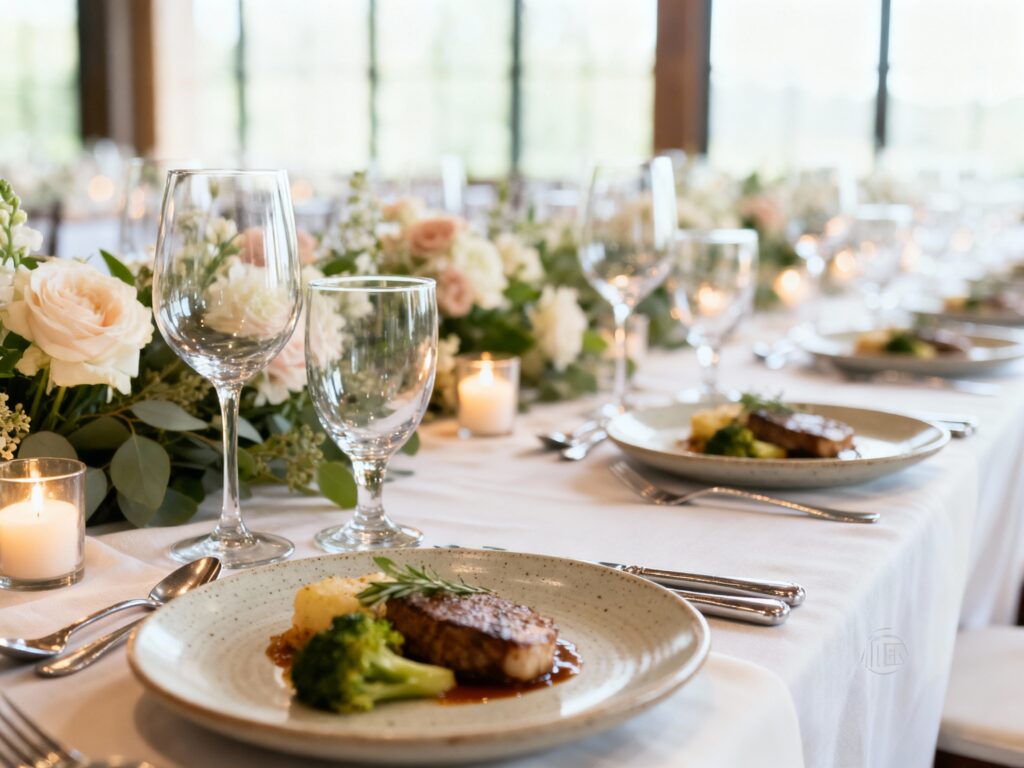
Reception dining can be one of the most memorable parts of your wedding… in the best way or the “we’re still talking about that” way. The good news: most dining mishaps are totally avoidable with a little planning.
Below are the five biggest wedding reception dining mistakes I see couples make (and how to skip them), so your guests stay comfy, fed, and obsessed with the vibe.
Top 5
1) Serving Dinner Too Late (a.k.a. Hunger Games Hour)
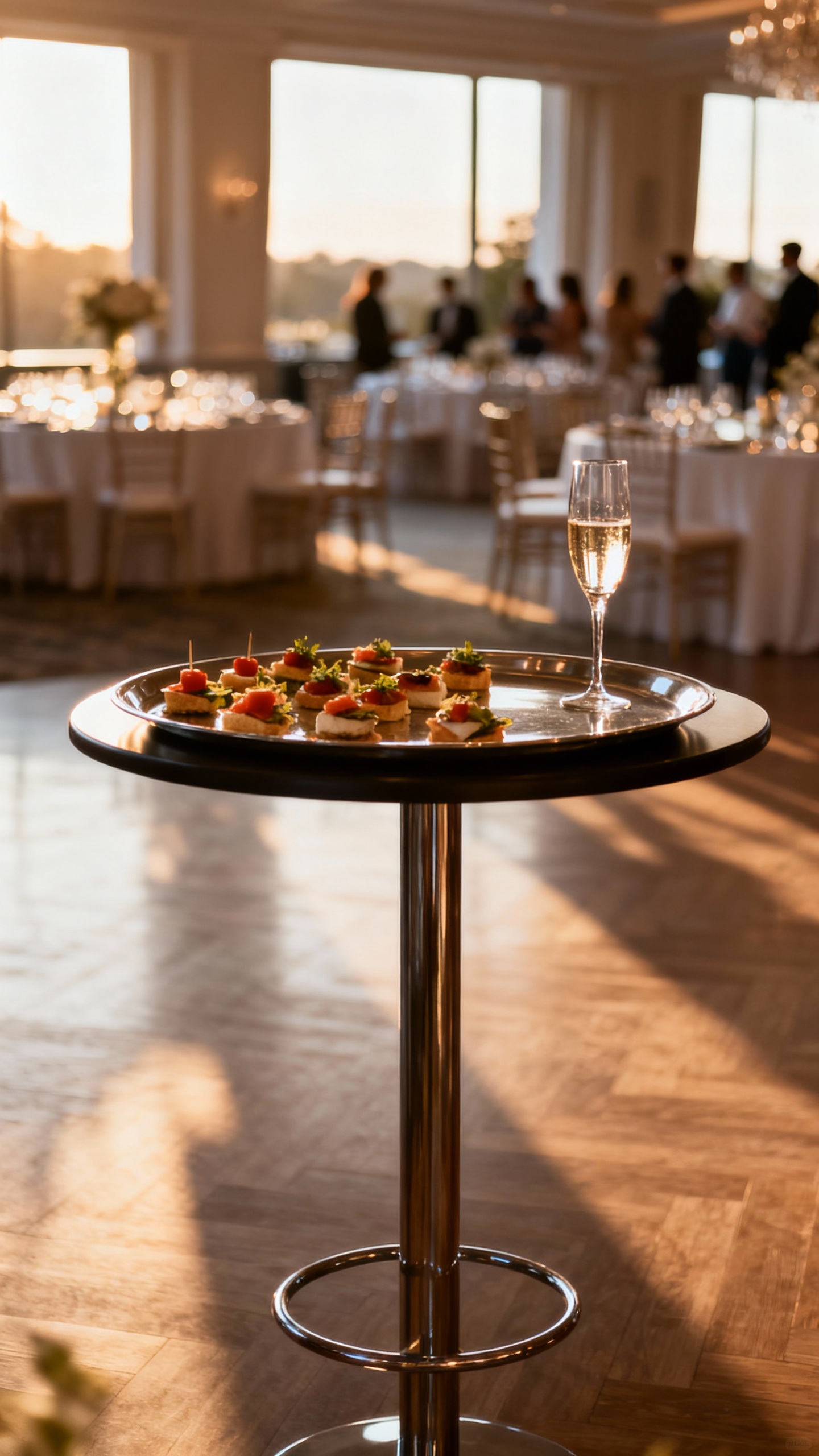
If cocktail hour turns into cocktail hours, guests will start side-eyeing the snack situation. Plan a realistic timeline that gets people to dinner before the energy dips, especially if your ceremony starts late. If you’re committed to a longer gap for photos or room flips, add substantial passed bites or a grazing station so no one’s running on champagne alone.
2) Ignoring Dietary Needs and Allergies
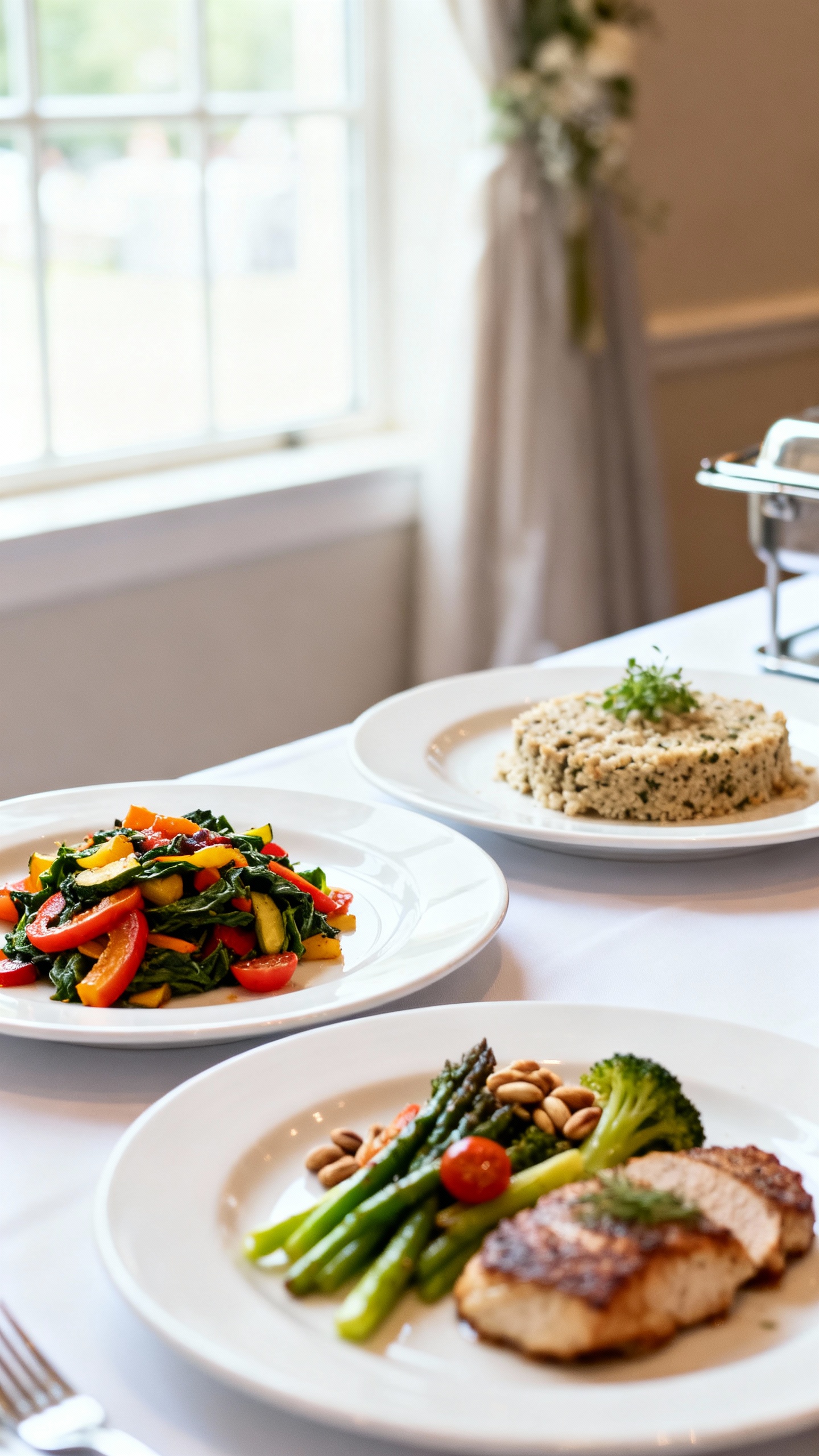
Not offering a solid vegetarian option (or missing gluten-free/allergy accommodations) can make guests feel like an afterthought. Include dietary questions on your RSVP and share that list with your caterer early, not a week before. Bonus: when alternative meals look just as pretty and intentional as the main dish, your tablescape feels elevated instead of “default dinner plus a sad plate.”
3) Choosing Style Over Comfort (Messy Foods + Fancy Fits)
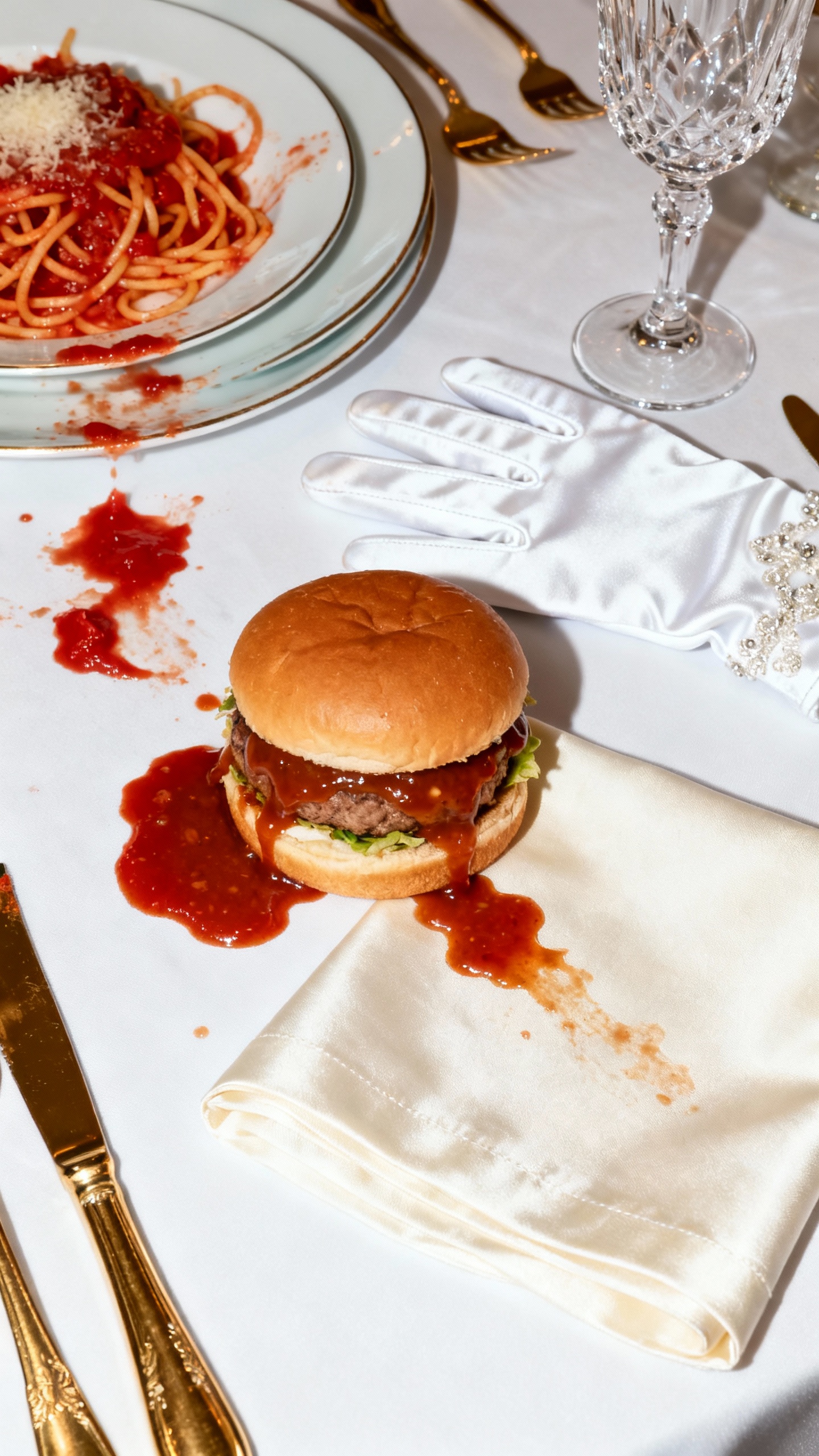
Some foods are delicious but chaotic—think drippy sliders, red sauce everything, or anything that requires a full workout to cut. Remember: guests are dressed up, hugging people, and taking photos all night. If you love a potentially messy menu item, balance it with easy-to-eat sides, provide extra napkins, and consider late-night bites that are more “handheld cute” than “stain risk.”
4) Underestimating Portions, Water, and Flow
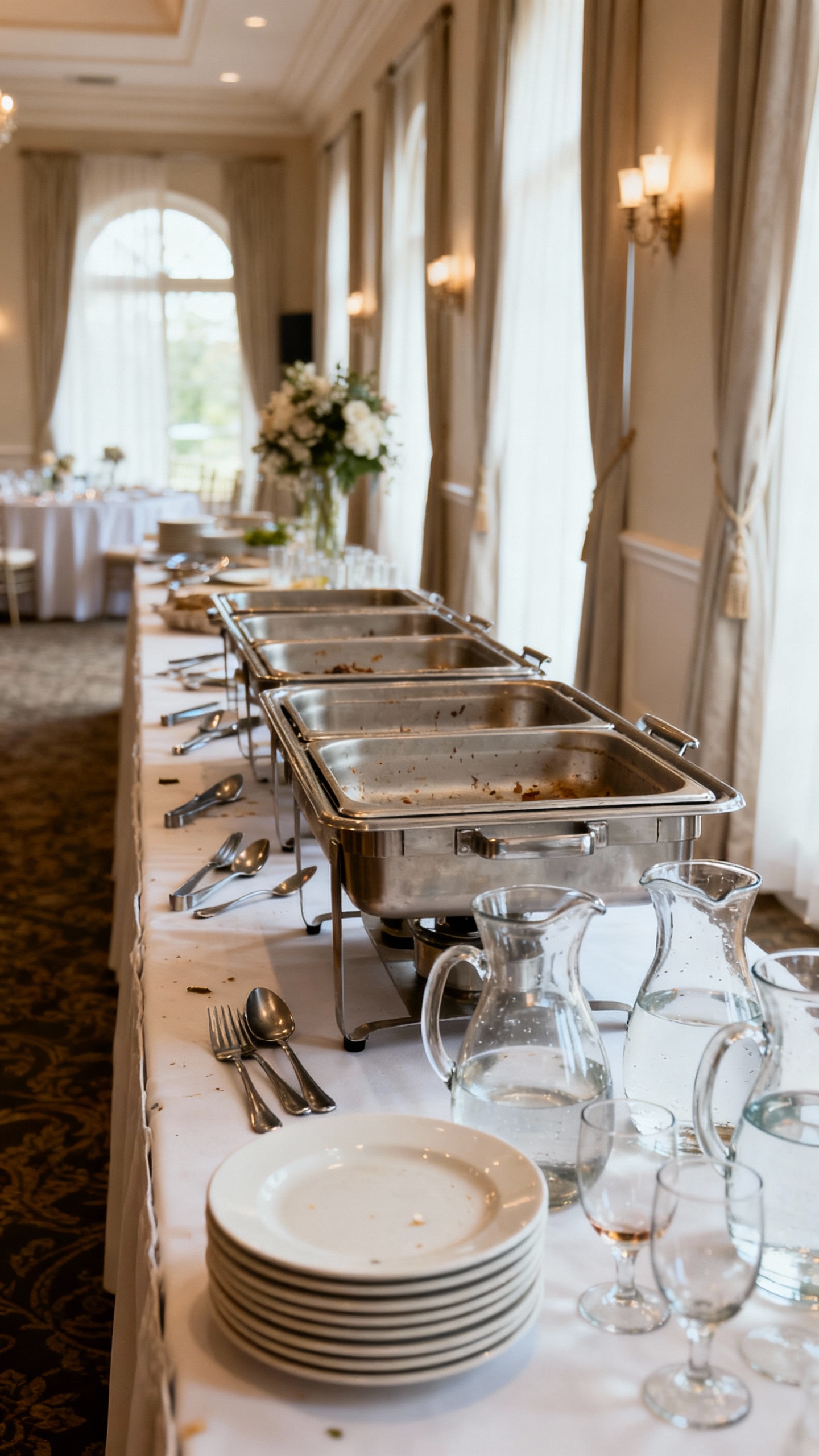
Running out of food is the fastest way to tank the mood, and it usually happens when portions or guest counts aren’t aligned. Confirm final numbers on time, and ask your caterer how they calculate portions for your specific service style (buffet, plated, family-style, stations). Also: prioritize water stations and a smooth bar line—hydrated guests are happier guests, and it keeps the dance floor going.
5) Forgetting the Guest Experience at the Table
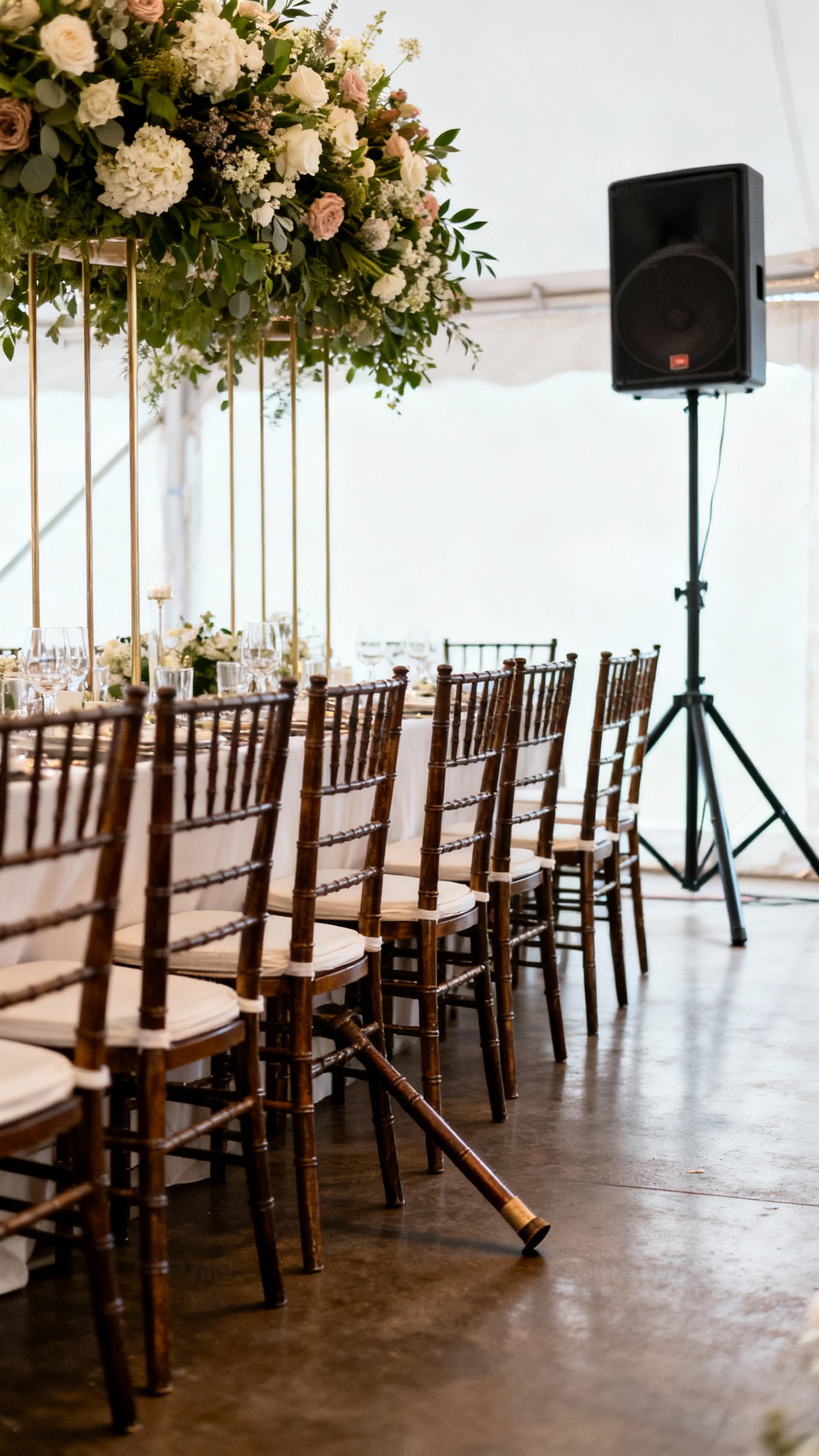
Dining isn’t just about what’s served; it’s about how it feels. Cramped tables, wobbly chairs, too-loud speakers pointed at dinner, or centerpieces that block conversation can make even a gorgeous meal feel stressful. Do a quick “seat check” in your layout: leave space for servers, keep florals low or airy, and make sure lighting is flattering so everyone looks amazing in those candid pics.
FAQ
How do I decide between plated, buffet, family-style, or stations?
Choose based on your vibe and priorities: plated feels classic and photo-polished, buffet can be efficient and budget-friendly, family-style feels warm and communal, and stations feel modern and interactive. Ask your venue about space and staffing needs, then pick the format that matches your timeline and guest flow.
What’s the best way to handle dietary restrictions without making it awkward?
Add a simple RSVP question (“Please share dietary restrictions/allergies”) and confirm with your caterer how those meals will be labeled and delivered. Consider subtle place cards or a discreet note to the coordinator so guests get the right plate without having to re-explain their needs at the table.
How much time should we plan for cocktail hour and dinner?
Cocktail hour is typically 60 minutes, and dinner service often takes 60–90 minutes depending on the style and number of courses. If you’re adding speeches, try to group them efficiently so guests aren’t waiting too long between courses (or between sitting down and getting fed).
What are the easiest crowd-pleaser menu choices that still feel elevated?
Think “familiar but upgraded”: herb-roasted chicken, short rib, seasonal pasta, bright salads, and a fun signature dessert moment. Add elevated details like sauces, fresh garnishes, or a stylish bread service to make it feel wedding-level without being risky.
How can we make reception dining look more aesthetic in photos?
Prioritize good lighting, clean place settings, and centerpieces that don’t block faces. Coordinated linens, a consistent glassware style, and intentional menu design (even simple printed menus) go a long way. Also, serve courses on time—happy guests take better photos, period.