
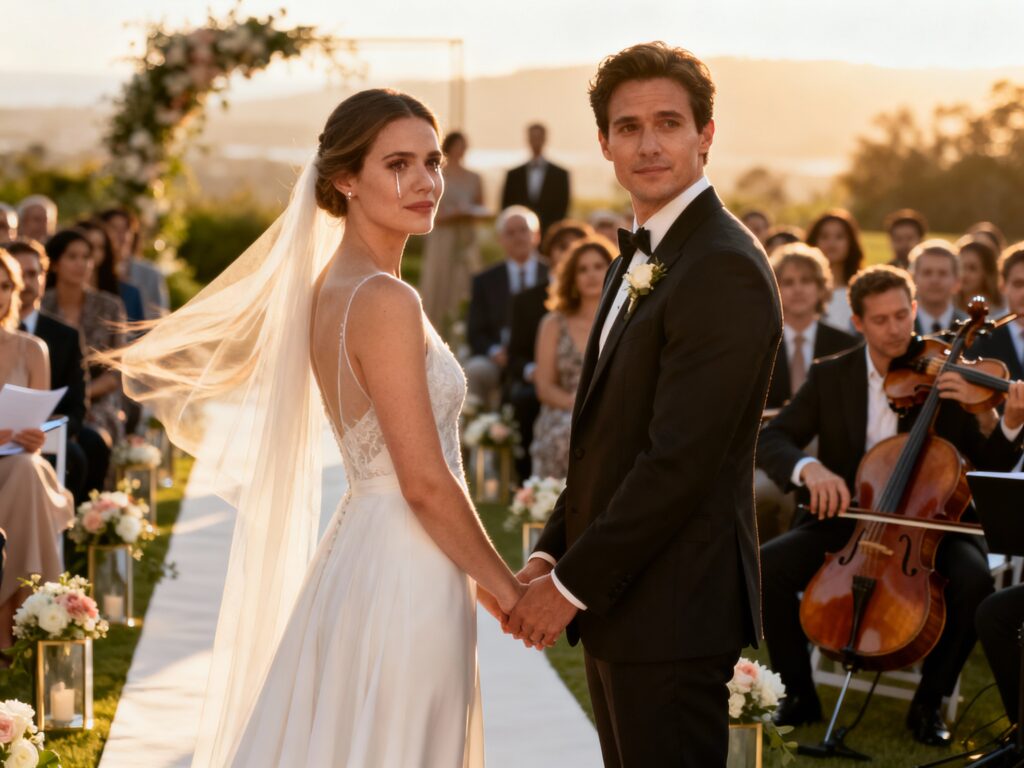
Wedding Ceremony Music That Feels Emotional (Without Being Overused)
Want your ceremony to feel like a movie moment (in the best way) without defaulting to the same three songs everyone’s heard at every wedding? You can absolutely get goosebumps and originality at the same time. Here’s how to choose emotional ceremony music that fits your vibe, tells your story, and still feels fresh.
Start With the Vibe: “Emotional” Isn’t One Sound
Before you pick specific tracks, decide what kind of emotion you’re going for. This keeps your playlist cohesive and helps your musicians or DJ nail the timing.
- Soft and sacred: airy piano, strings, minimalist instrumentals.
- Warm and nostalgic: acoustic covers, indie-folk, gentle vocals.
- Cinematic: orchestral swells, slow builds, soundtrack energy.
- Modern romantic: R&B or pop songs in instrumental form.
Pro tip: pick 2–3 “anchor words” (example: “dreamy, elegant, intimate”). If a song doesn’t match, it’s out—even if you love it.
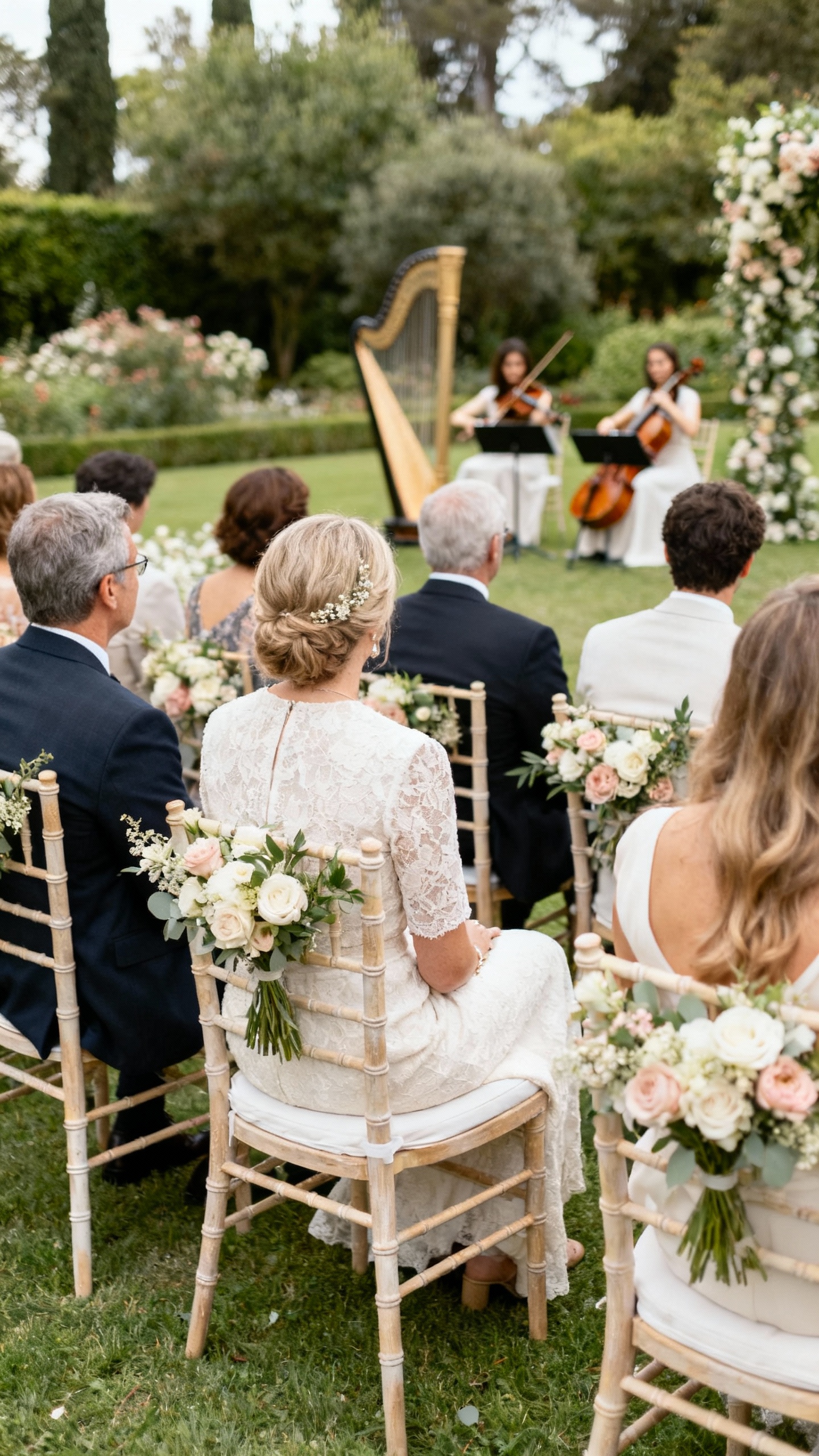
Choose Fresh-Feeling Alternatives for Each Ceremony Moment
1) Prelude (Guests Arriving)
This is your atmosphere-setter. Keep it calm and welcoming, and aim for music that feels elevated but not distracting.
- Acoustic indie instrumentals: think gentle guitar or piano versions of songs you love (not the obvious ones).
- Jazz-leaning love songs: soft standards or bossa nova-style tracks create instant romance.
- String quartet “deep cuts”: choose lesser-known contemporary songs arranged for strings.
If you’re working with a DJ, ask for a “ceremony lounge” mix: 20–30 minutes of mellow, romantic tracks with smooth transitions.
2) Processional (Wedding Party + You)
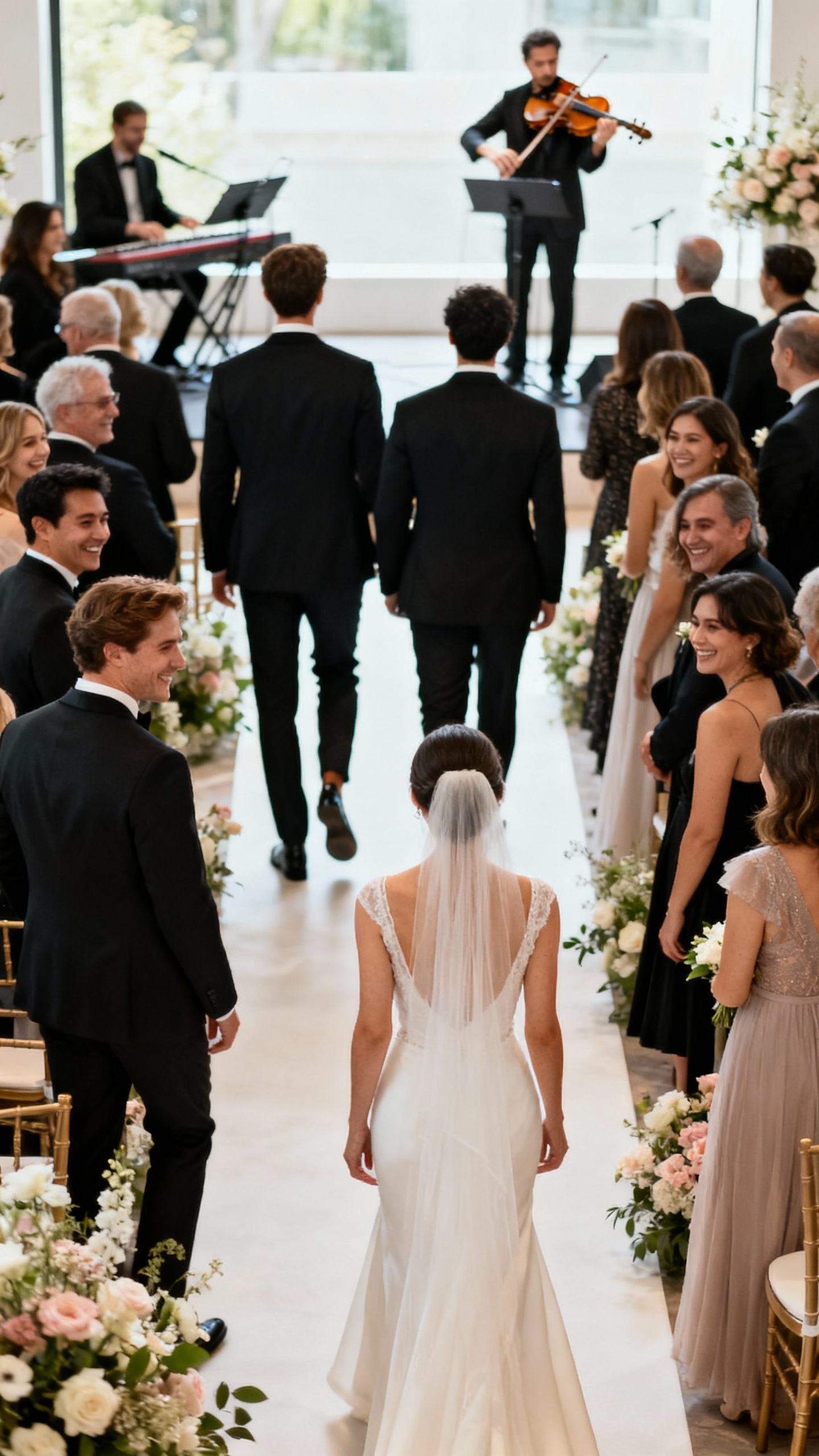
This is the emotional center. The trick is finding a song that builds without screaming “most-used wedding song.” Go for pieces with a clear arc: soft beginning, gradual lift, satisfying arrival.
- Piano-first instrumentals: a modern ballad translated into piano can feel brand-new.
- Cinematic soundtracks: not the top one everyone picks—look for quieter tracks from your favorite films/series.
- Slow-burn indie tracks: choose a song with steady rhythm so your timing stays easy.
Timing tip: ask your planner to measure your aisle walk. Most couples want 60–90 seconds from entrance to arrival, and musicians can loop or extend a section to fit perfectly.
3) Ceremony Moments (Vows, Ring Exchange, Unity, Signing)
These moments need music that supports, not competes. If you’re doing background music under vows, keep it extremely simple—like a single piano line or sustained strings.
- Instrumental “underscoring”: minimal piano + light strings = emotional but not loud.
- Short interludes: choose 45–75 second pieces for unity ceremonies or ring warming.
- Meaningful motif: reuse a melody from your processional in a quieter arrangement for continuity.
If you want vocals during a unity moment, pick a song with clean lyrics and a gentle chorus—nothing that hijacks the attention away from what’s happening.
4) Recessional (Walking Back Up the Aisle)
Emotional doesn’t have to mean slow. A joyful, upbeat recessional feels like the exhale everyone’s waiting for—and it photographs so well.
- Brass or string “celebration” tracks: modern songs arranged like a mini victory parade.
- Bright indie-pop: choose something you both love that isn’t a current top wedding pick.
- Classic soul: happy, timeless, and crowd-pleasing without feeling basic.
How to Keep It Emotional Without Being Overused
Go Instrumental (But Make It Personal)
If you love a popular song, choose a string quartet, harp, or piano version. The melody gives you the emotion; the arrangement gives you originality. Bonus: instrumentals feel more “ceremony appropriate” in almost any venue.
Pick “Meaning” Over “Trend”
Ask yourselves: what song feels like us? First concert, late-night drives, the song you played while planning, the track you always put on when you miss each other. Personal always beats popular.
Use a New-to-Guests Artist Strategy
Choose one artist you love, then pull one song for each moment (prelude/processional/interlude/recessional). Even if guests don’t recognize it, it feels intentional—like a curated soundtrack instead of random picks.
Match the Aesthetic to the Sound
Your ceremony design and music should feel like they live in the same world. A garden ceremony loves airy strings and acoustic warmth. A black-tie venue can handle orchestral drama and clean piano. A coastal ceremony shines with gentle guitar and soft, open vocals.
Quick Wrap-Up
The secret to emotional ceremony music that doesn’t feel overused is simple: choose a vibe, pick songs with a build, and make at least one choice that’s personal to you two. When your music fits your aesthetic and your story, it will feel unforgettable—even if it’s subtle.
FAQ
What’s the easiest way to avoid overused wedding ceremony songs?
Choose an instrumental cover (piano, strings, harp) of a meaningful song, or pick a lesser-known track from an artist you already love.
Should we use different songs for the wedding party and the bride’s entrance?
Yes, if you want extra emotion. A softer song for the wedding party and a “bigger” build for your entrance creates a noticeable, cinematic shift.
Is it okay to have music playing under our vows?
It can be, but keep it minimal and quiet. If you’re worried about hearing each other clearly, save music for right before and right after vows instead.
How many ceremony songs do we actually need?
Typically: prelude (15–30 minutes), processional, one short interlude (optional), and recessional. Add unity/signing music if those moments need coverage.
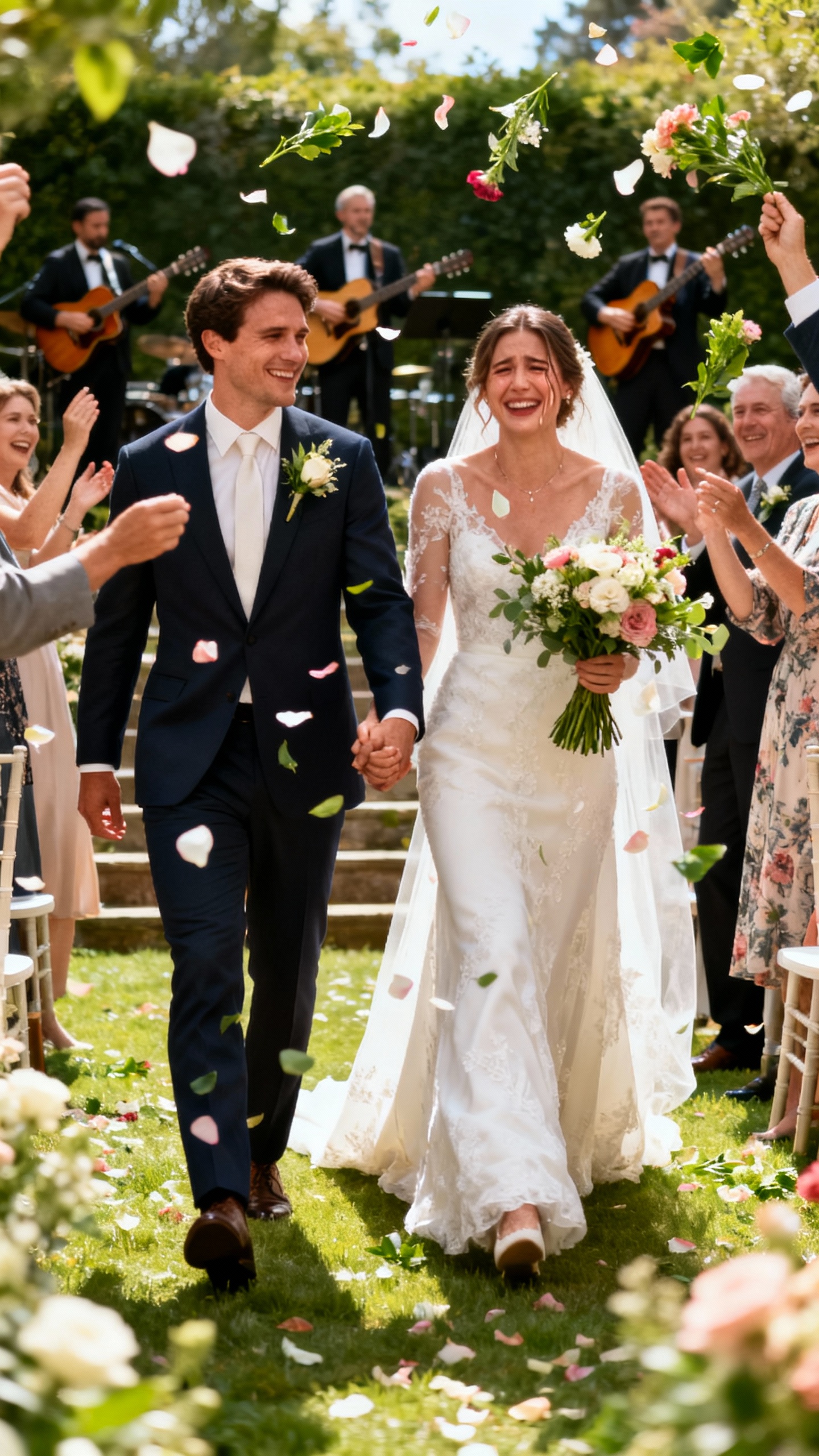
Live musicians or DJ for emotional ceremony music?
Both can work. Live musicians naturally elevate emotion, while a DJ gives you exact recordings and seamless timing—choose based on your budget and the vibe you want.