
It’s so tempting to fall in love with a venue photo or click “inquire” on a photographer first. But a few smart checklist items will save you from rebooking fees, timeline stress, and a wedding day that doesn’t quite match the vibe in your head.
Before you sign anything, lock in these planning basics so every booking supports your budget, your aesthetic, and the way you want the day to feel.
1) Set your real budget range (with a cushion)
Decide what you’re comfortable spending, then add a realistic cushion for taxes, service fees, tips, and last-minute needs. A helpful approach is to choose a “target number” and a hard “do-not-cross” number. This keeps you from booking one dream vendor that forces uncomfortable compromises everywhere else. Make sure whoever is contributing agrees on the range in writing.

2) Draft your guest list estimate (yes, even a messy one)
You don’t need every address yet, but you do need an honest headcount estimate. Your guest count impacts venue options, catering minimums, rentals, invitation quantities, and even floral scale. Create an A-list and B-list so you can adjust without panic if capacity or costs shift. This one item prevents a lot of “we didn’t realize” moments.

3) Choose your wedding date window and backup options
Instead of one single date, pick a window (like “late September” or “first two weeks of June”) plus two or three alternate dates. This makes venue and key-vendor availability much easier to navigate. Consider weather, school calendars, local festivals, and travel seasons that could affect pricing and hotel availability. If you’re flexible, you’ll often get better options at the same budget.

4) Define your wedding vision in 5 words
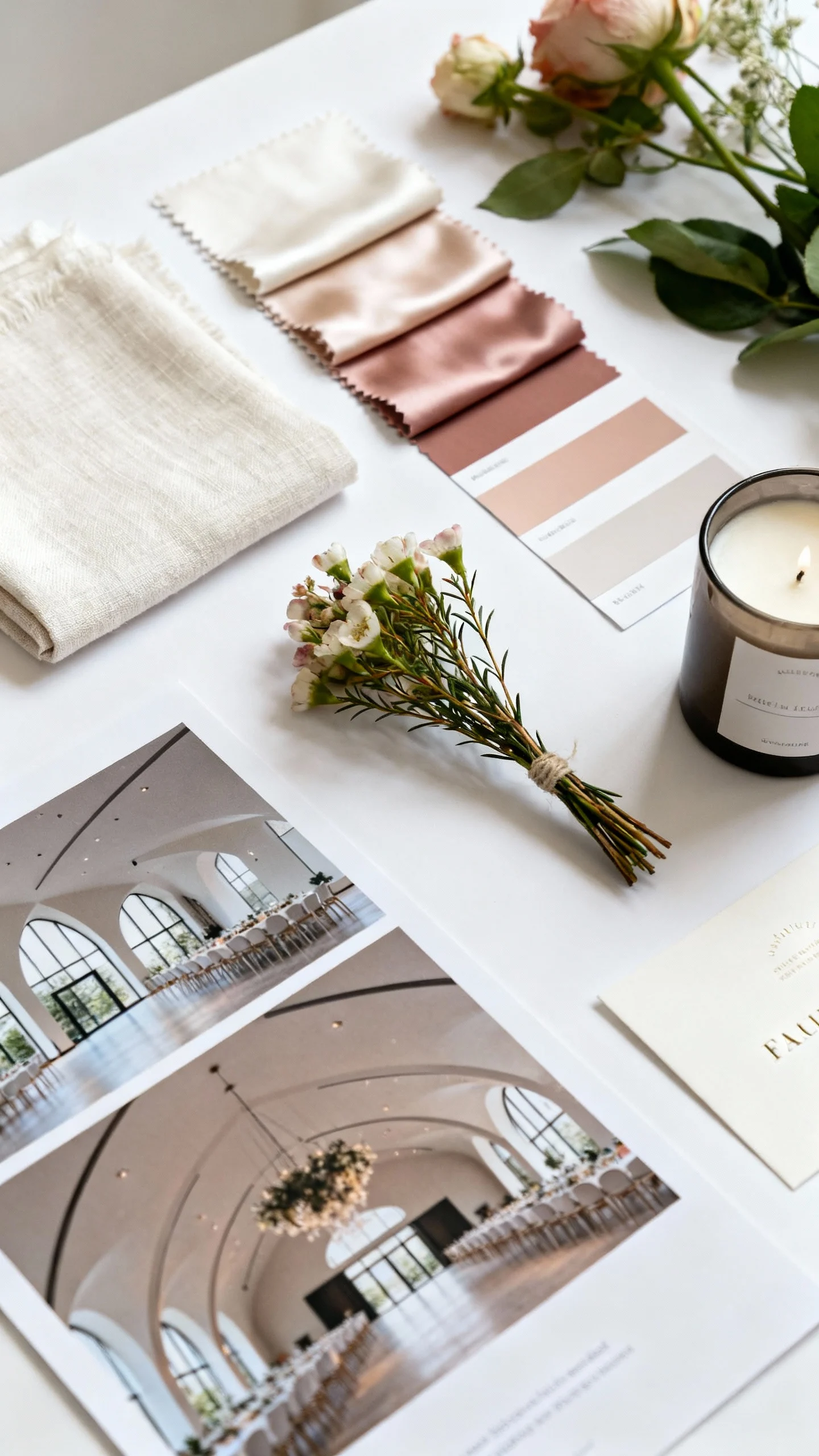
Pick five vibe words that describe the day, like “garden, airy, romantic, modern, candlelit.” These become your filter for every booking and aesthetic decision, from venue architecture to photo style to linen textures. When you get pulled into trends, your words pull you back to what fits. Keep them visible in your planning notes and share them with vendors.
5) Make a simple priority list: what matters most
Choose your top three priorities (for example: photography, food, and the party atmosphere). Then choose a few areas where you’re happy to keep it minimal. This helps you spend confidently and avoid overbuying details that won’t move the needle for you. Booking becomes easier because you’ll know exactly where to splurge and where to simplify.

6) Know your non-negotiables and must-haves
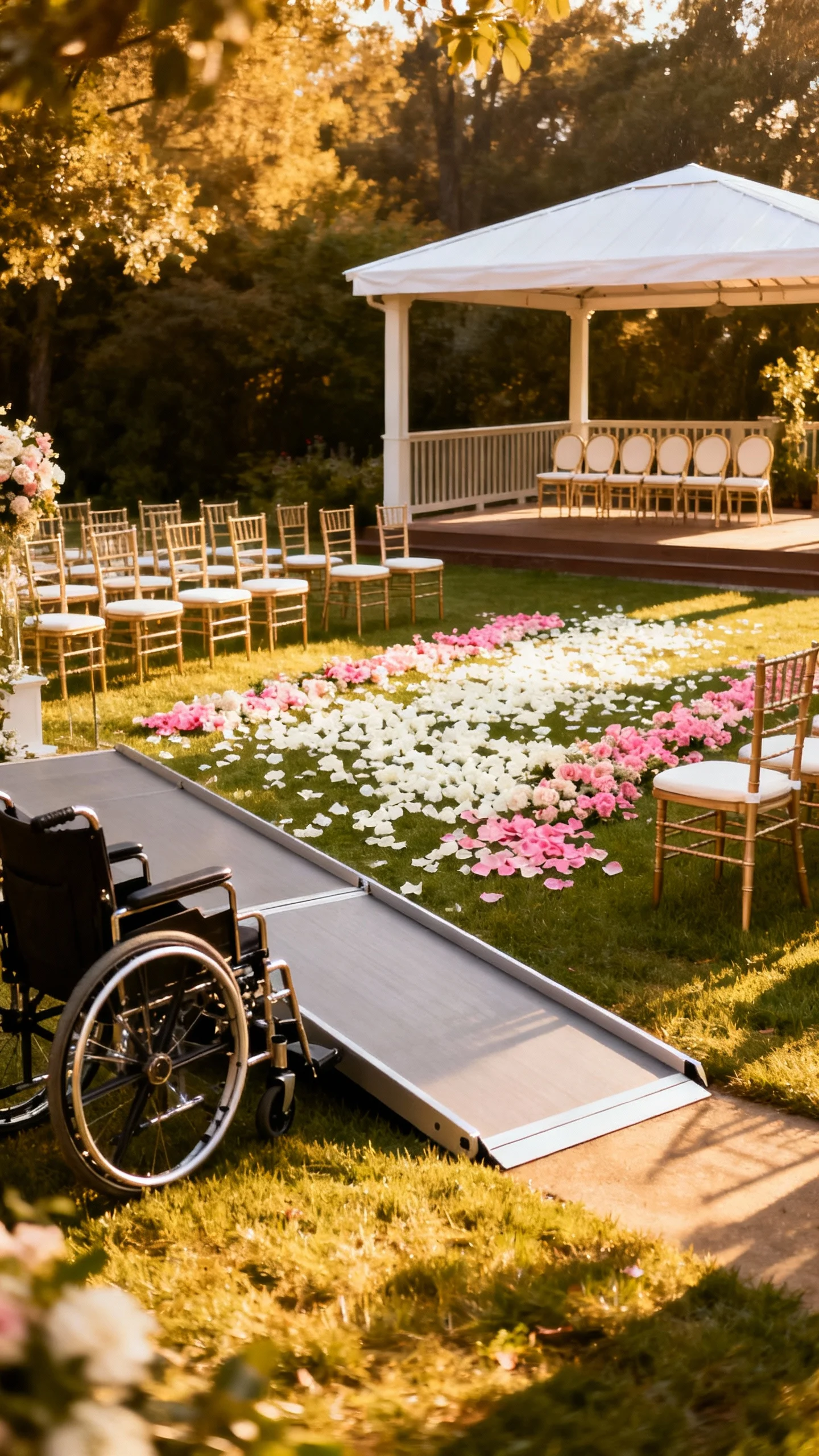
These are the dealbreakers that affect booking choices: on-site ceremony, outdoor cocktail hour, late-night end time, full accessibility, or a specific cultural tradition. Write them down before you tour venues or meet vendors. It’s also smart to note any sensitivities or needs, like sound limits, shade considerations, or a strict rain plan. Clarity here prevents expensive pivots later.
7) Confirm who the decision-makers are (and how you’ll decide)
Wedding planning gets smoother when you define who has a vote versus who gets an update. If parents are contributing, discuss expectations early so money doesn’t quietly come with strings. Decide how you’ll handle disagreements, like a 24-hour pause before signing contracts. This keeps booking momentum without the emotional whiplash.

8) Do a quick venue + vendor availability reality check
Before you book anything, reach out to your likely “keystone” vendors to see what’s realistic for your date window. For many couples, that’s venue and photographer, but it could be a planner, caterer, or band depending on your priorities. Ask about typical budgets and minimums so you’re not surprised later. This check helps you avoid building a plan around an unavailable team.
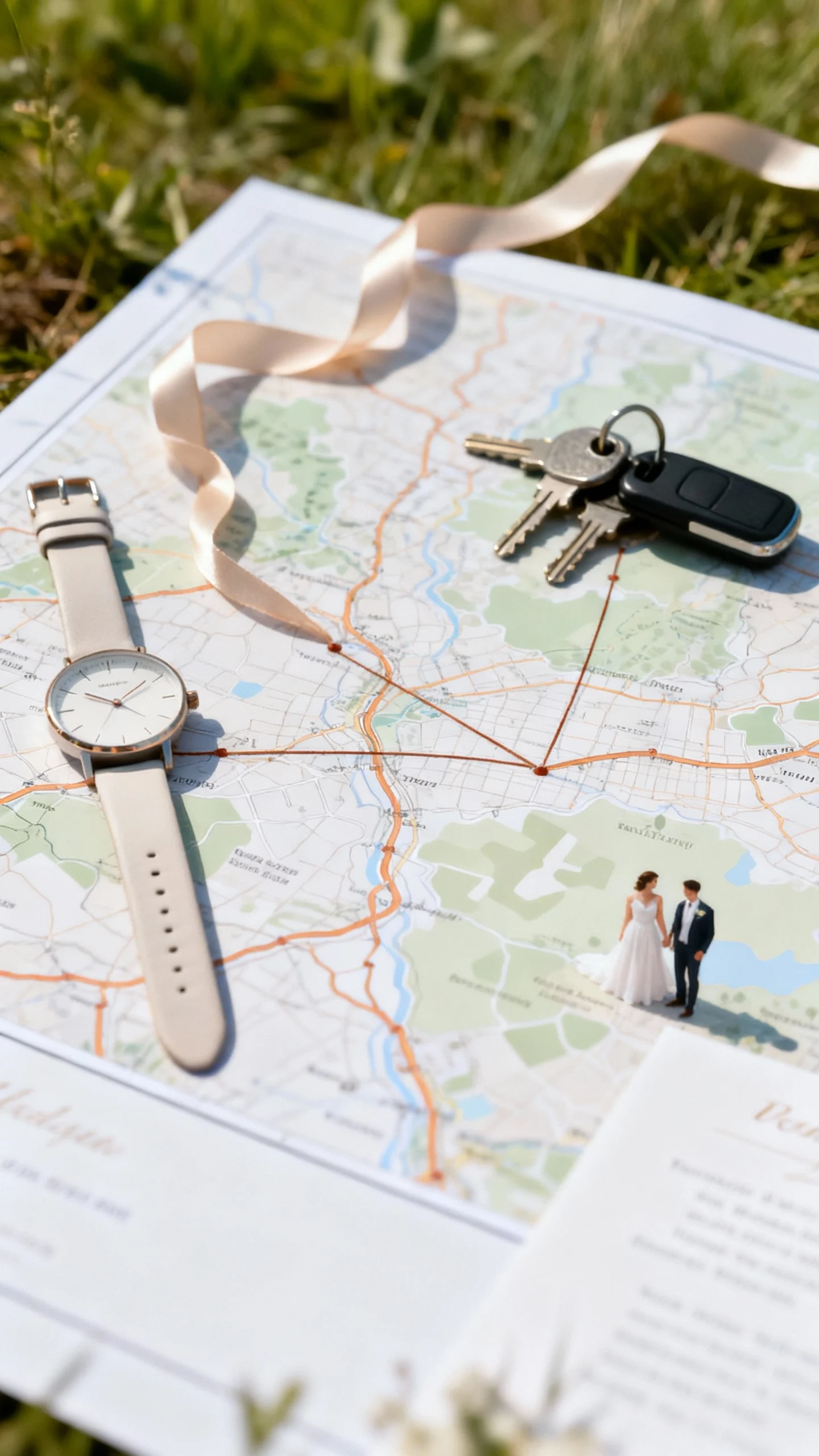
9) Sketch a rough day-of timeline and logistics map
Create a simple outline: ceremony time, cocktail hour, dinner, and your preferred end time. Add travel time between locations, especially if you’re considering a church plus a separate reception venue. This reveals whether your plan needs transportation, extra photo time, or a later start. A rough timeline makes every vendor quote more accurate.
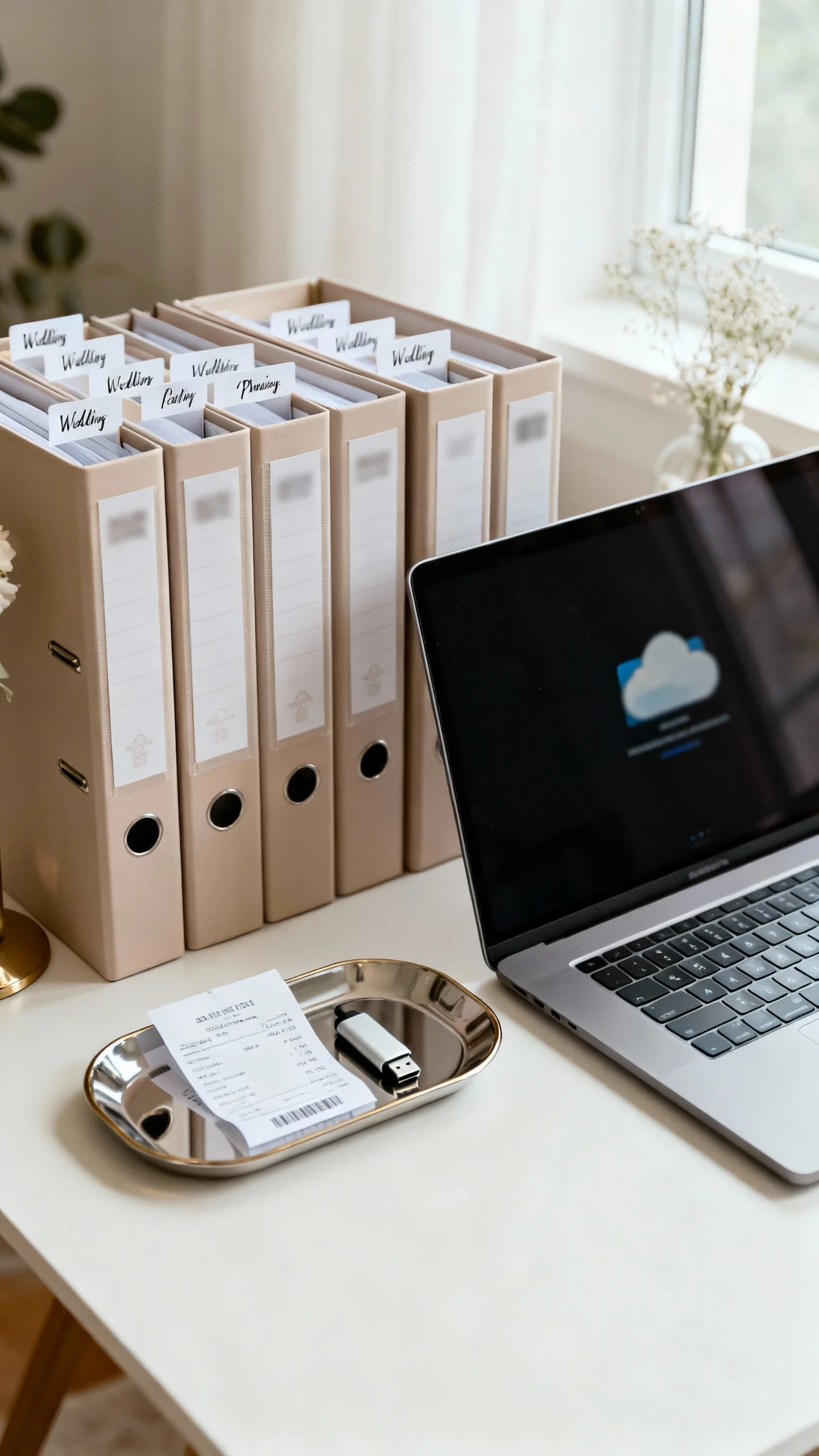
10) Open a planning hub for contracts, inspiration, and receipts
Set up one shared folder or tool for contracts, payment schedules, contact info, and inspiration screenshots. Start a running list of questions you want to ask before signing anything (like overtime rates and reschedule policies). Track deposits and due dates so nothing surprises you mid-month. When everything’s organized, you can book faster and feel calmer doing it.
FAQ
What should I book first after I lock in these checklist items?
Usually the venue comes first because it sets the date, capacity, and overall vibe. If your photographer or planner is the true priority (or your date is popular), you can book them alongside the venue search. The key is making sure your budget, guest estimate, and date window are set so you’re not booking blind.
How detailed does my guest list need to be before booking a venue?
You need a realistic estimate plus an A-list/B-list approach, not a final spreadsheet. Venues often have firm capacity limits and catering minimums that hinge on headcount. Aim to be within 10–15% of your likely total so you don’t outgrow the space or overpay for unused capacity.
Can I book a vendor before I have a venue?
Yes, especially for high-demand vendors like photographers, planners, and bands, but confirm they can hold your date window or offer date-change options. Ask about rescheduling policies, travel fees, and whether the contract allows updates once you choose the venue. If you do book early, keep your date window tight to avoid conflicts.
What’s the biggest hidden cost couples miss when booking?
Service charges, taxes, gratuities, and overtime are the most common surprises. Transportation, rentals, and staffing can also add up fast depending on your venue’s inclusions. Before signing, ask for an all-in estimate that lists every fee line by line.
How do I keep my wedding aesthetic consistent while booking vendors?
Use your five vibe words and share them with each vendor, along with a small inspiration board that shows colors, textures, and lighting. Choose vendors whose existing work already matches your style, so you’re not asking them to become someone else. Consistency comes from repeating a few intentional choices (like lighting, linens, and florals) rather than chasing every trend.