

Planning a wedding can feel like trying to juggle a mood board, a budget, and a dozen opinions—all at once. The good news: you don’t need to do everything today, and you don’t need a perfect plan to make real progress.
This step-by-step approach keeps decisions in a calm, logical order so you can stay excited, not exhausted. Think of it as a roadmap that protects your time, your style, and your sanity.
1) Start with your wedding vision and non-negotiables
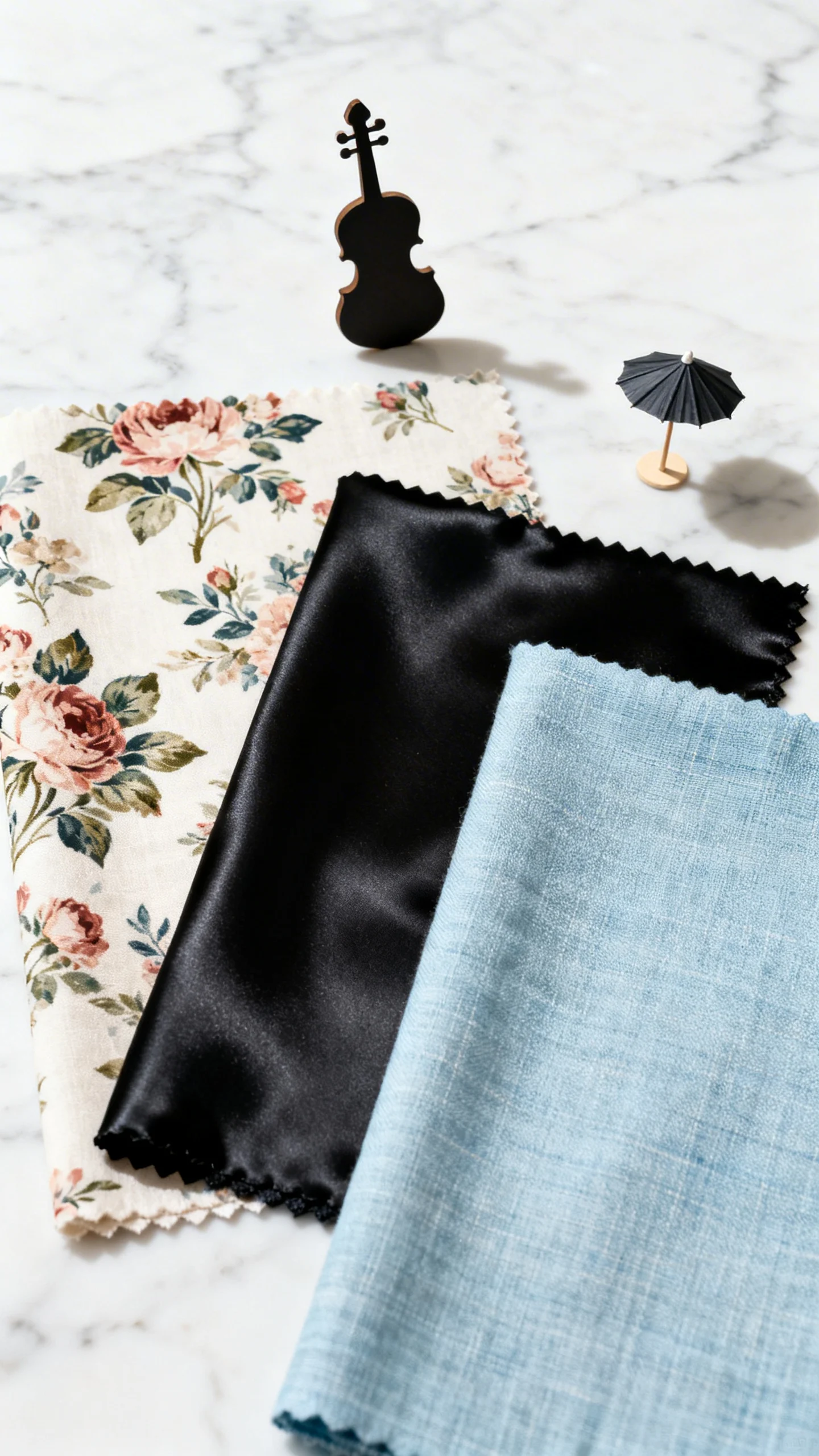
Before you price anything, define what you want it to feel like: romantic garden, modern black-tie, cozy candlelit, or coastal airy. Choose three style words and two non-negotiables (like “live music” or “outdoor ceremony”). This makes every later choice faster and prevents “Pinterest drift.” Share your vision with anyone helping you plan so you’re all aiming at the same aesthetic.
2) Set a realistic budget and split it into categories
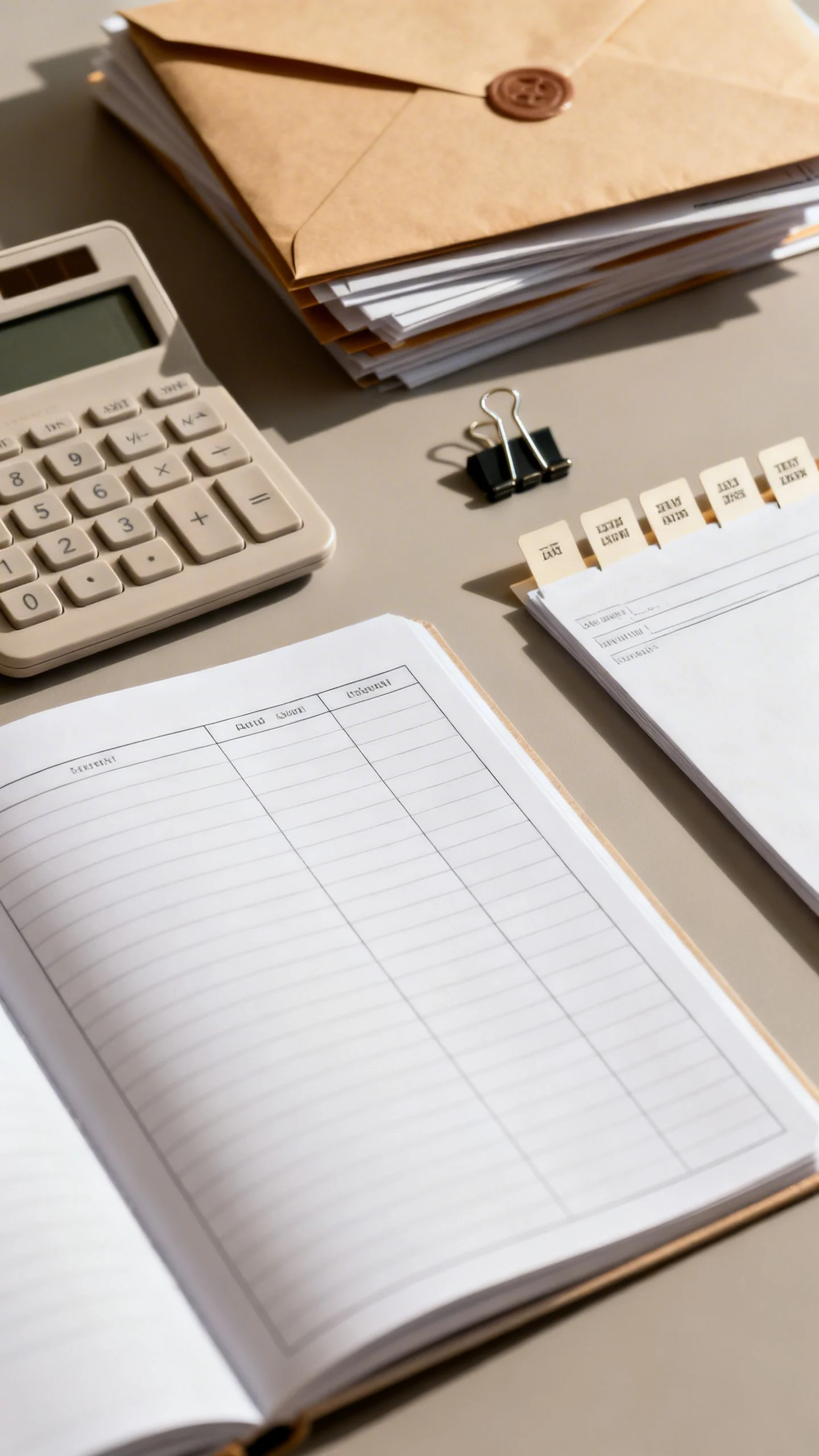
Pick a total number you can live with, then divide it into major buckets like venue, catering, photography, attire, florals, and music. Add a “cushion” category for surprises so small changes don’t turn into panic. If family is contributing, confirm the exact amount and any expectations early. A clear budget is the best anti-overwhelm tool because it turns endless options into a curated list.
3) Choose your date range and guest count early
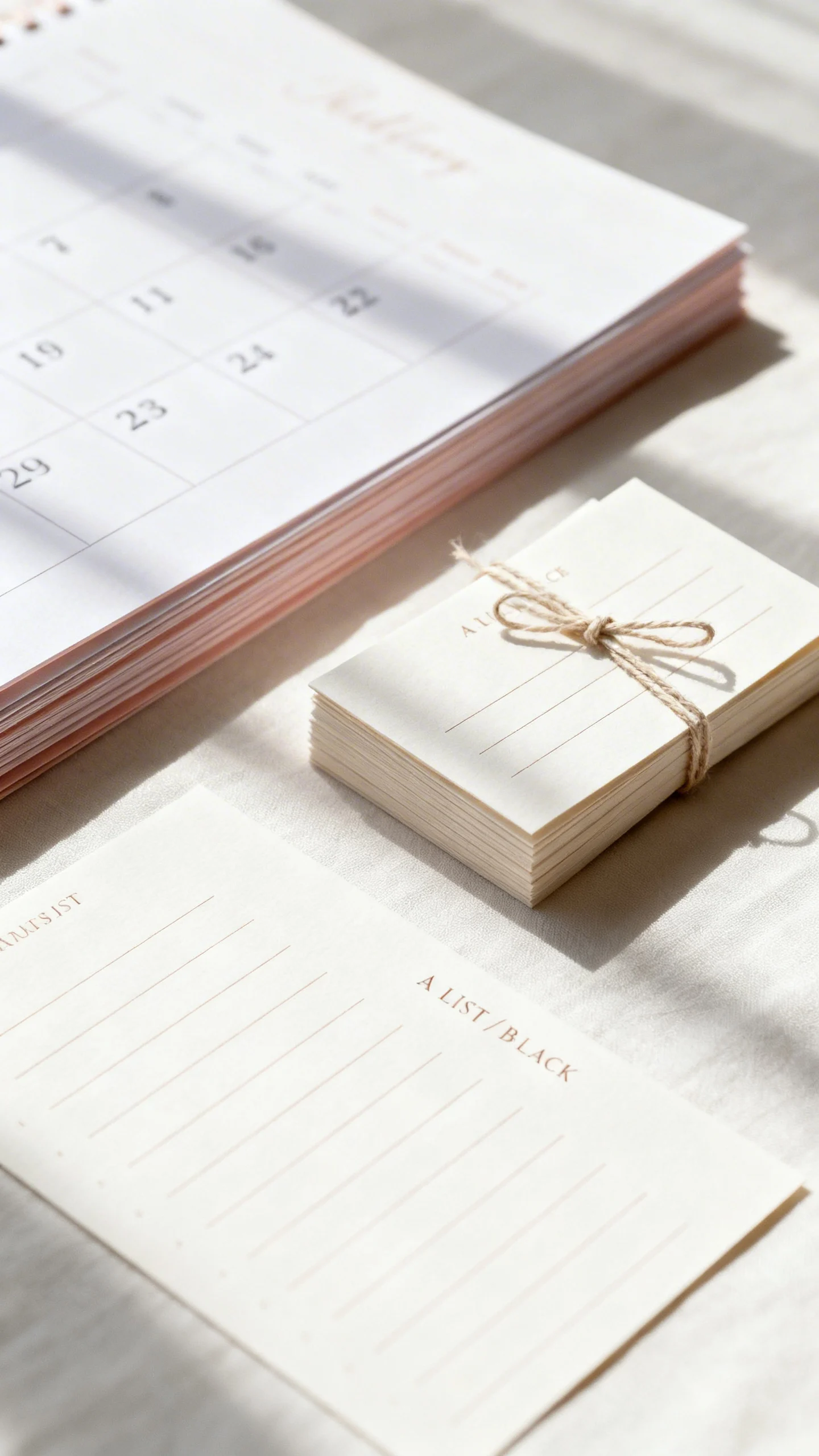
Your venue, catering, and overall vibe depend on how many people you’re hosting and when you want to celebrate. Create an “A list” and a realistic total number, even if it’s approximate. Decide whether you’re flexible on date or guest count, because most couples can’t be flexible on both. This step keeps you from touring spaces that will never fit your wedding size or season.
4) Book your venue (and lock in the vibe)
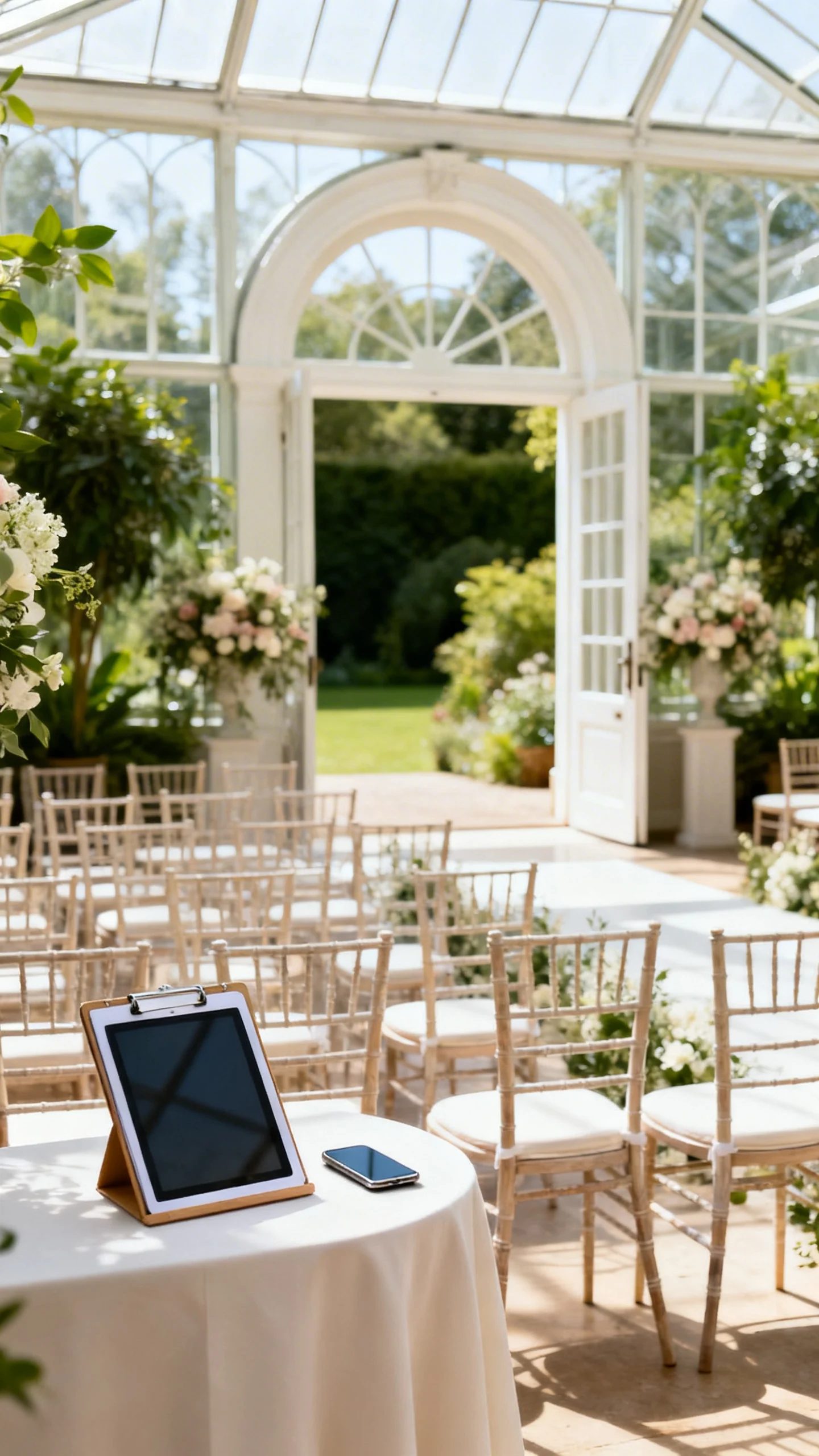
The venue sets the tone: ballroom elegance, barn warmth, loft minimalism, or estate romance. Once you book it, your layout, lighting needs, rain plan, and décor approach become clearer. Ask what’s included—tables, chairs, linens, getting-ready spaces—so you know what you’re truly working with. Take quick photos during the tour to reference later when you’re designing your aesthetic.
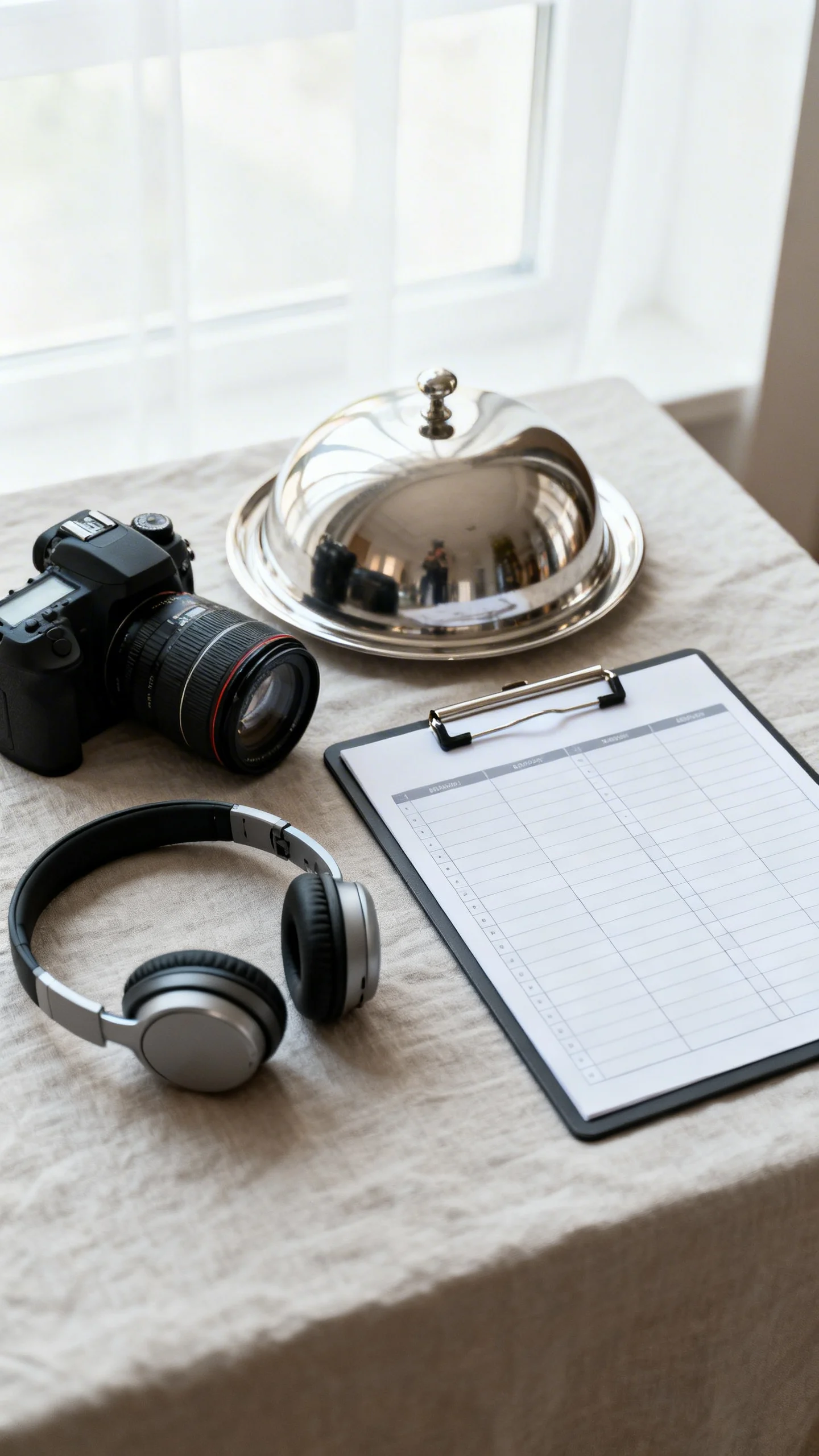
5) Hire your “foundation” vendors first
Prioritize vendors that are hardest to replace and most tied to timing: planner/coordinator, photographer, catering, and entertainment. If your venue requires specific vendors, confirm those rules before you commit. When you’re comparing options, use your style words as a filter (light-and-airy photography vs. true-to-color, for example). Booking the big pieces early reduces decision fatigue later.
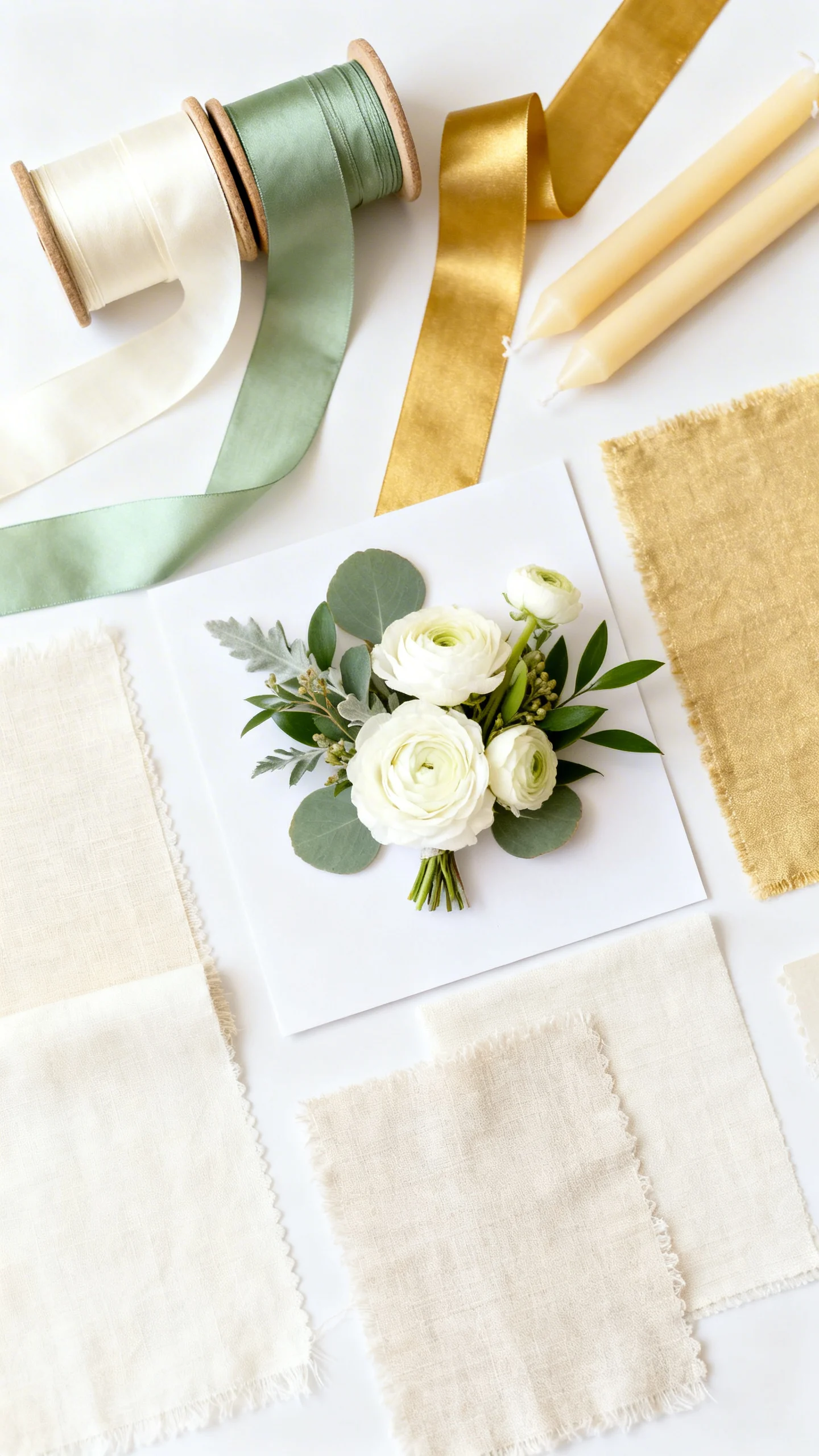
6) Build your color palette and design plan
Choose a palette that complements your venue and season—think “cream, sage, and soft gold” rather than ten competing shades. From there, decide on a few signature elements: statement ceremony flowers, candle clusters, chic signage, or a dramatic bar backdrop. Keep it consistent across invites, florals, and rentals for that intentional, editorial look. A simple design plan keeps you from buying random décor at midnight.
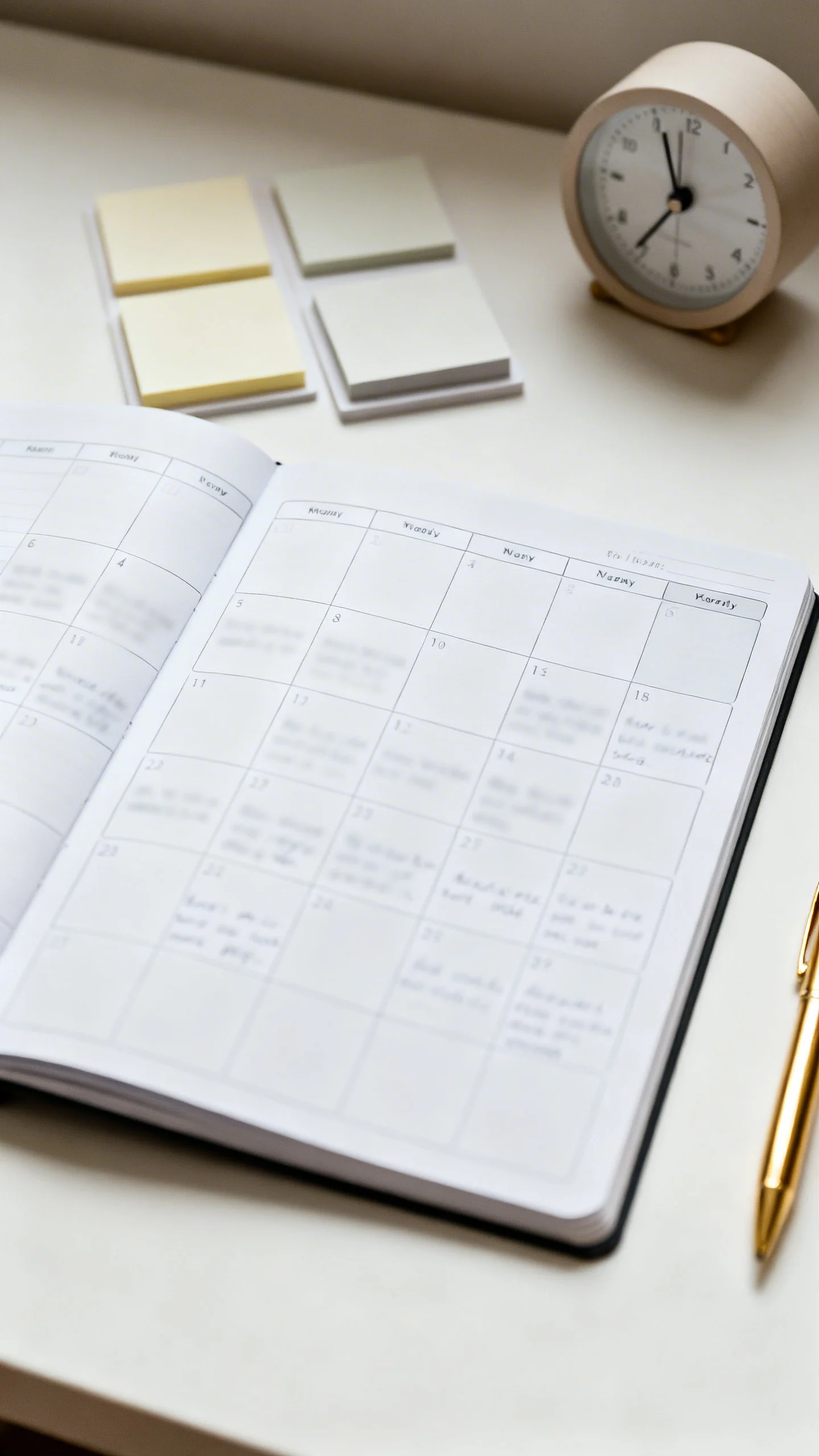
7) Create a planning timeline with weekly mini-tasks
Break the process into small, repeatable tasks: one vendor inquiry day, one budgeting check-in, one design decision. Use a shared calendar for deadlines like deposits, tastings, and RSVP dates. If you only have 20 minutes, tackle one “micro-win” like narrowing invitations to two options. Overwhelm fades when your next step is always obvious and doable.
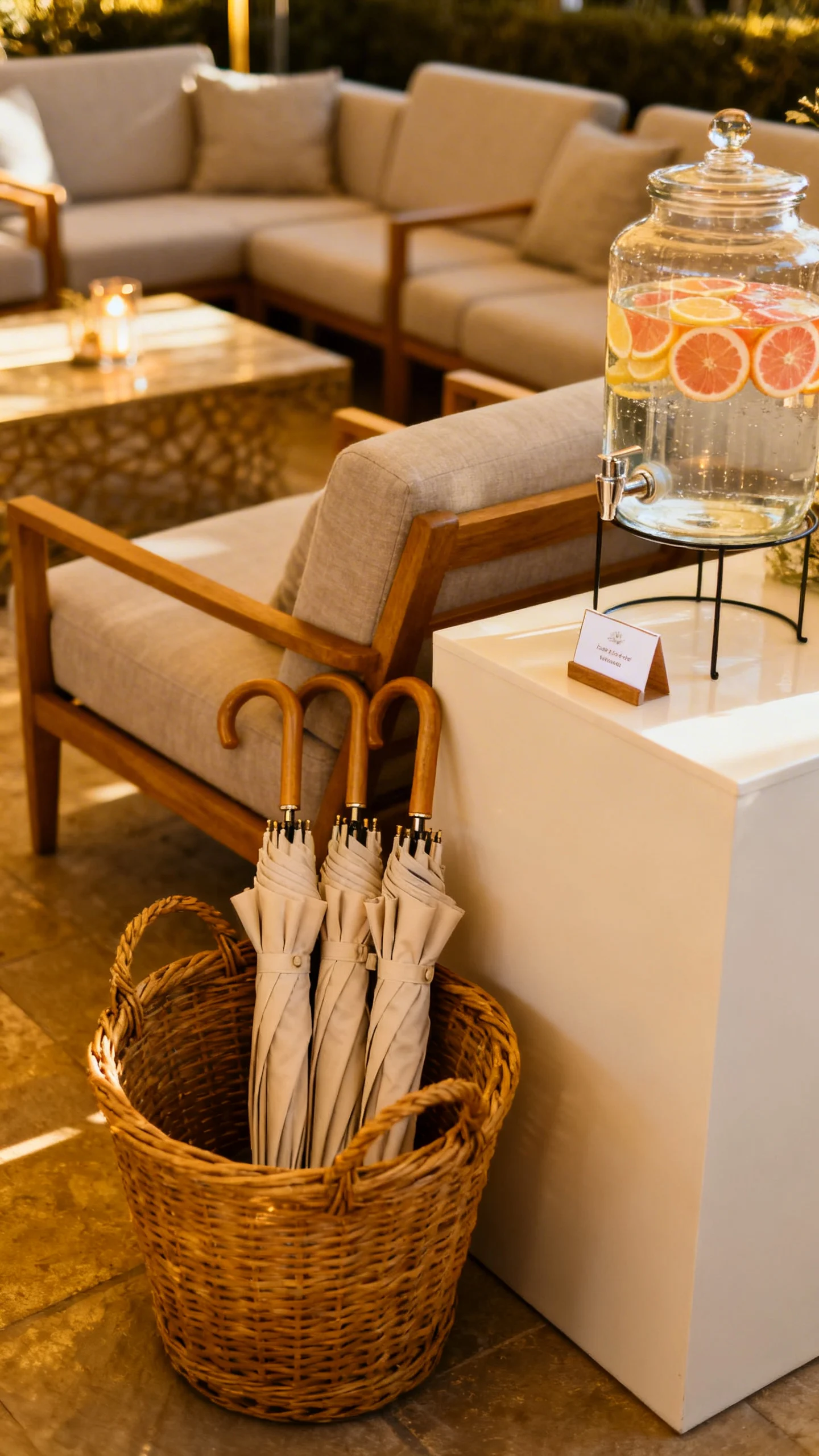
8) Plan the guest experience (the flow matters)
Great weddings feel effortless because transitions are thought through: ceremony to cocktail hour to reception. Map your day with your coordinator or venue manager, including transportation, timing buffers, and where guests will be at each moment. Consider comfort touches that also look beautiful—umbrellas in a basket, cozy lounge seating, a water station with styled signage. When the flow is smooth, your aesthetic shines even brighter.
9) Finalize attire, beauty, and personal details
Choose attire that matches your venue and formality, then plan alterations with plenty of lead time. Book hair and makeup once you know your start time and getting-ready location. Add personal touches that photograph well: a perfume moment, heirloom jewelry, custom vow books, or a chic hanger set. This is the stage where your wedding starts to feel like yours—not just a checklist.
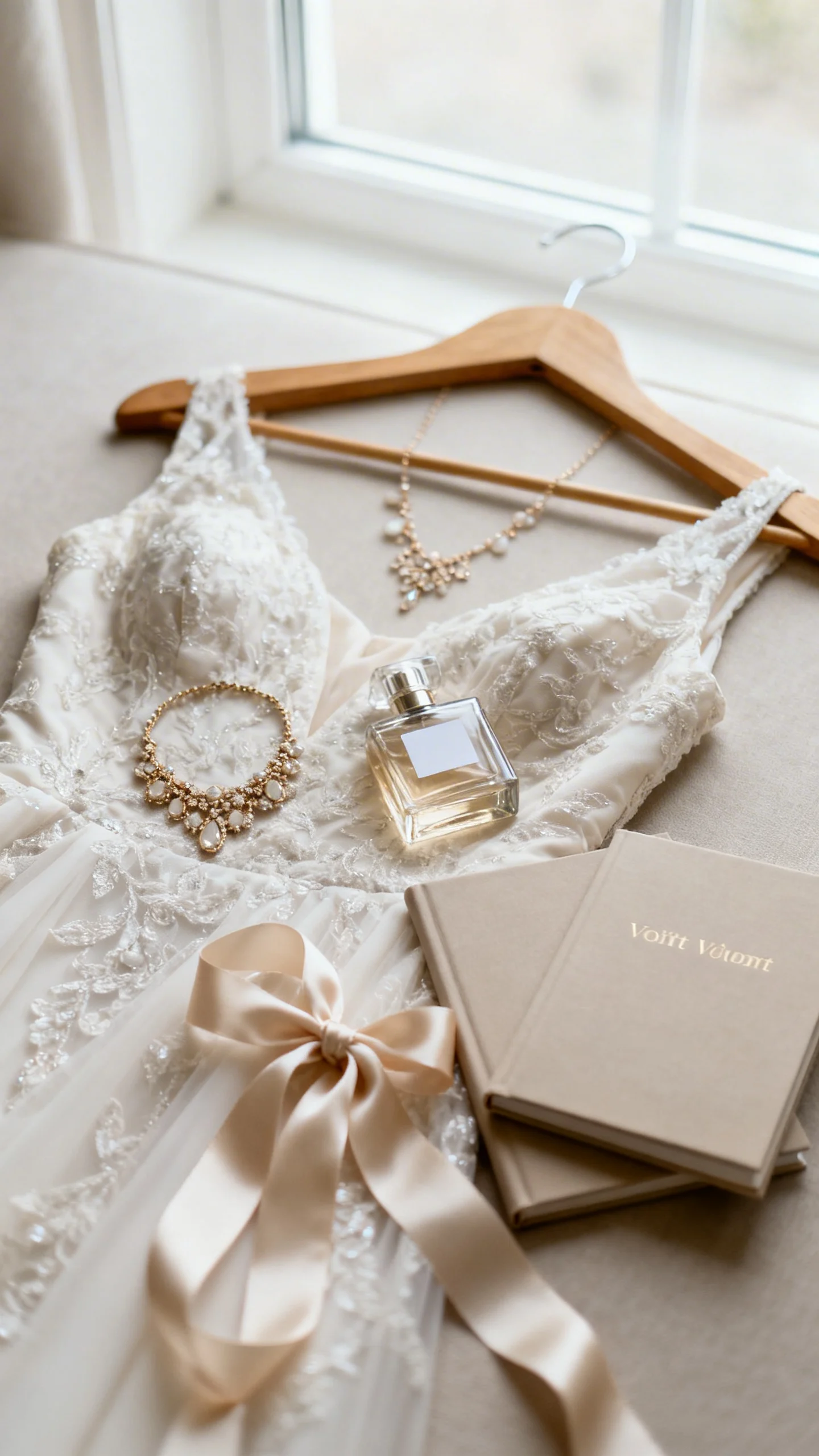
10) Confirm logistics, then simplify the last month
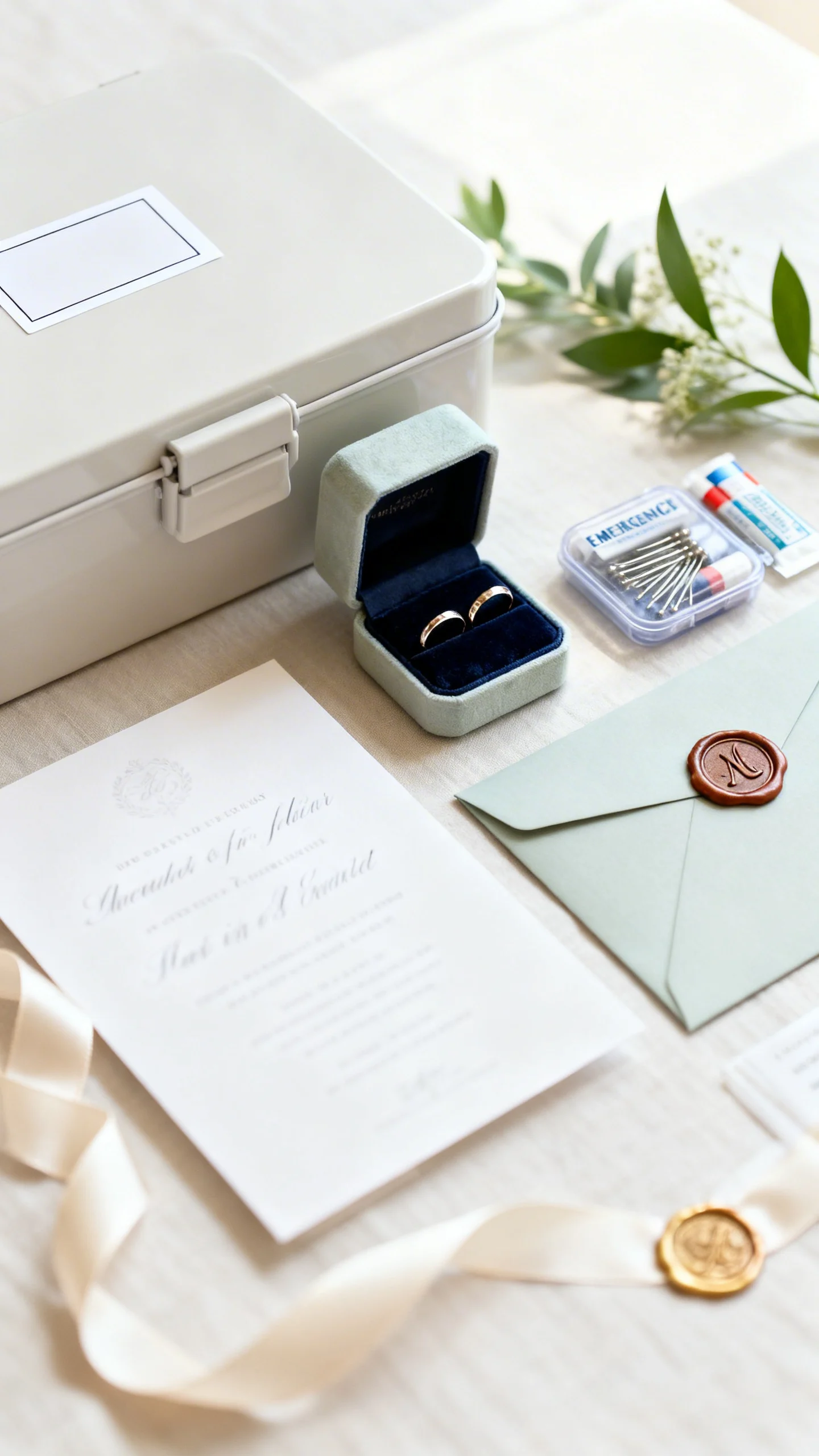
In the final weeks, focus on confirmations: vendor timelines, final headcount, seating chart, and payment schedules. Create one master document with contacts, arrival times, and key notes, then share it with your coordinator and a trusted person. Pack an emergency kit and a “details box” for flat-lays (invites, rings, ribbon, vow books). After that, step back—your job becomes resting, hydrating, and enjoying the countdown.
FAQ
How far in advance should I start planning to avoid stress?
Most couples feel comfortable with 12–18 months, especially if you want a popular season or weekend date. If you have less time, it’s still doable—just book your venue and foundation vendors first. A shorter timeline works best when you keep the guest list focused and make decisions in batches.
What should I do first if I’m overwhelmed right now?
Choose three style words, set a rough guest count, and decide your budget range. Those three decisions instantly narrow venues and vendors. Then pick one tiny action for today, like emailing two venues or starting a shared budget sheet.
How do I keep my wedding aesthetic cohesive?
Use one color palette, repeat a few signature materials (like linen, glass, and candlelight), and keep fonts consistent on paper goods and signage. Let your venue lead the design instead of fighting it. When in doubt, edit—cohesion usually comes from simplicity.
Do I need a planner or just a day-of coordinator?
If you want guidance on budget, vendor selection, and design, a planner is worth it. If you enjoy planning but want professional support to run the timeline and manage vendors, a month-of or day-of coordinator can be perfect. Many couples choose partial planning as a middle option.
How can I make decisions faster without regret?
Set decision rules: pick a budget cap, choose your top two must-haves, and limit yourself to three options before selecting. Save inspiration, then stop scrolling once you’ve chosen a direction. The goal is a wedding that feels like you, not a collection of every trend.